THIS INSIDE UKRAINE STORY IS FROM AN UNDISCLOSED LOCATION ON THE FRONT.
* All images and answers in the feature were provided by the WOW Woman, unless otherwise specified.
INSIDE UKRAINE SERIES: A SNAPSHOT, A DAY-IN-THE-LIFE, A GLIMPSE OF WHAT IT’S LIKE TO LIVE, RESIST, SURVIVE AND PERSEVERE IN A NATION UNDER ATTACK.
GLORY TO THE UKRAINIAN WOW WOMEN, FOR SUPPORTING THEIR COUNTRY AND BRINGING UKRAINE CLOSER TO VICTORY.
I first saw Marina Pleshcheieva in a video she posted. It started everything for me.
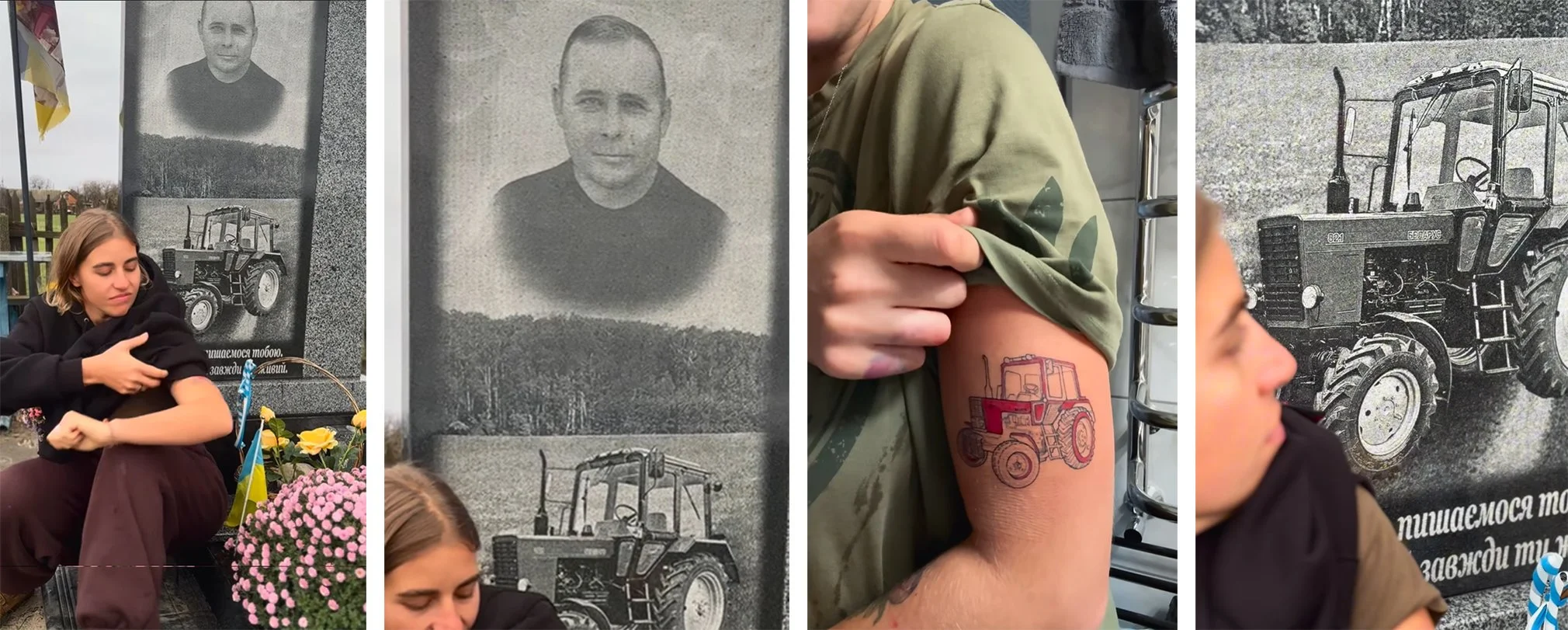
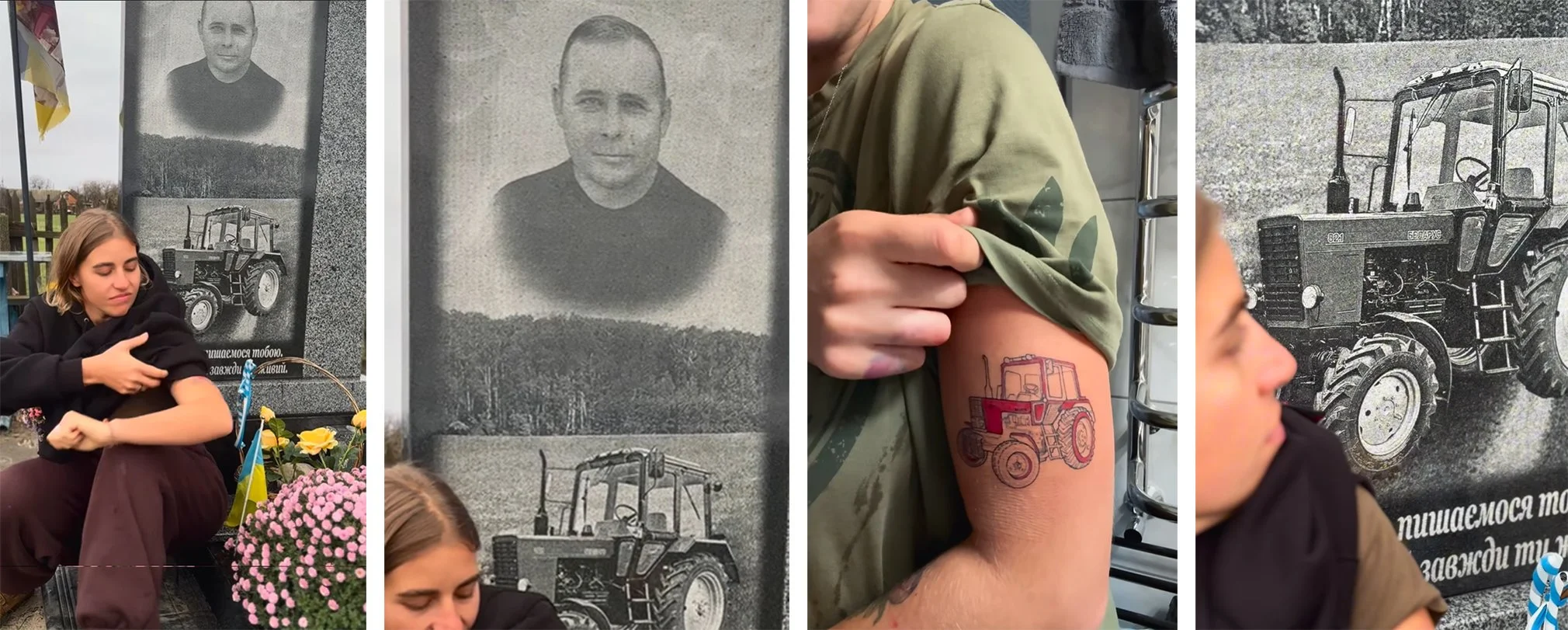
The video tells a story without a single word. In it, Marina rolls up her sleeve and reveals a new tattoo on her upper arm. It is a tractor. In the next scene, she sits quietly in a military uniform, in front of a tombstone. On the stone is a man’s face. Beneath it is a tractor, identical to the one tattooed on her arm.
The man is Marina’s father. He was deeply connected to Ukrainian land. When russia invaded, he enlisted to defend it. He died protecting it. russia killed him.
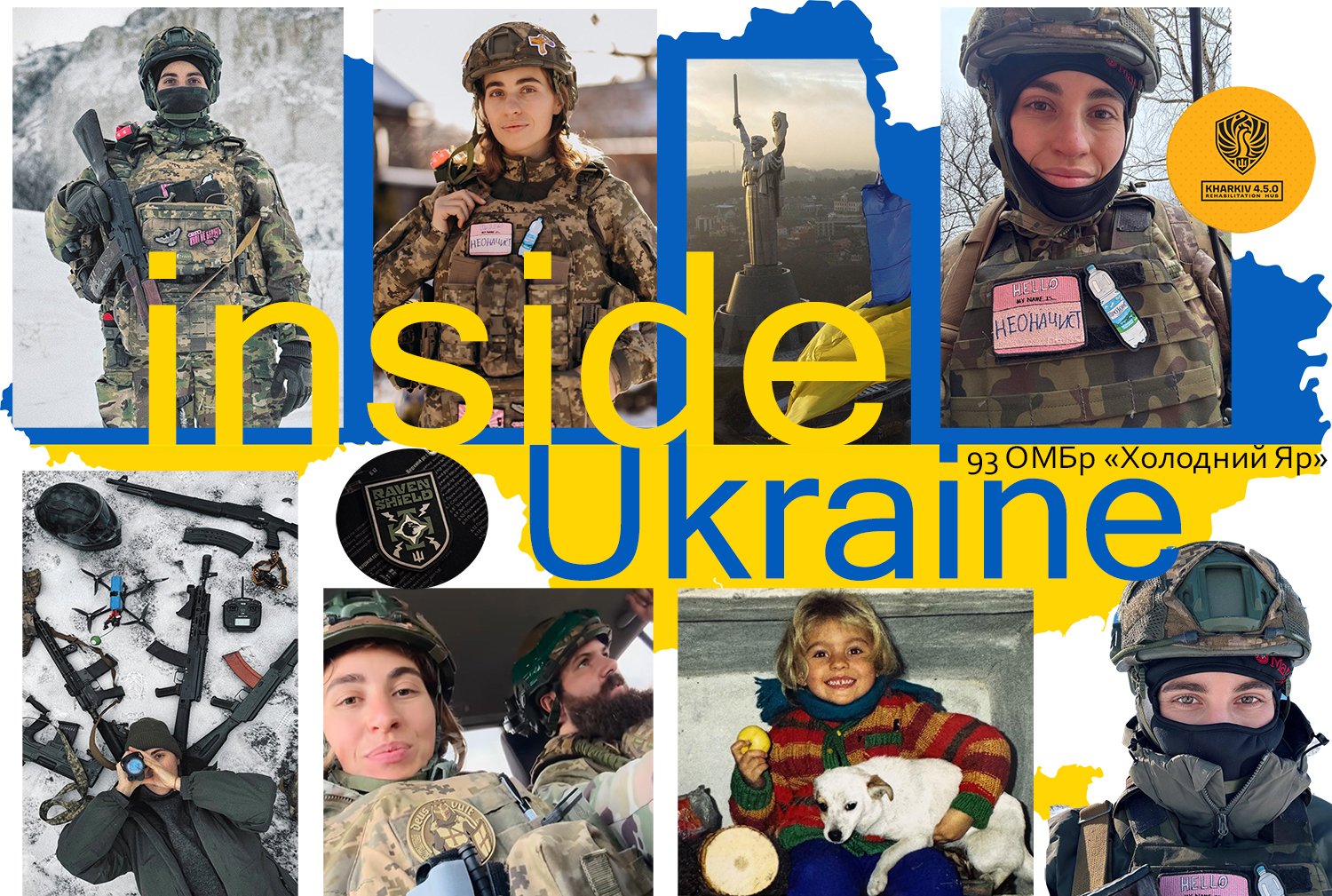
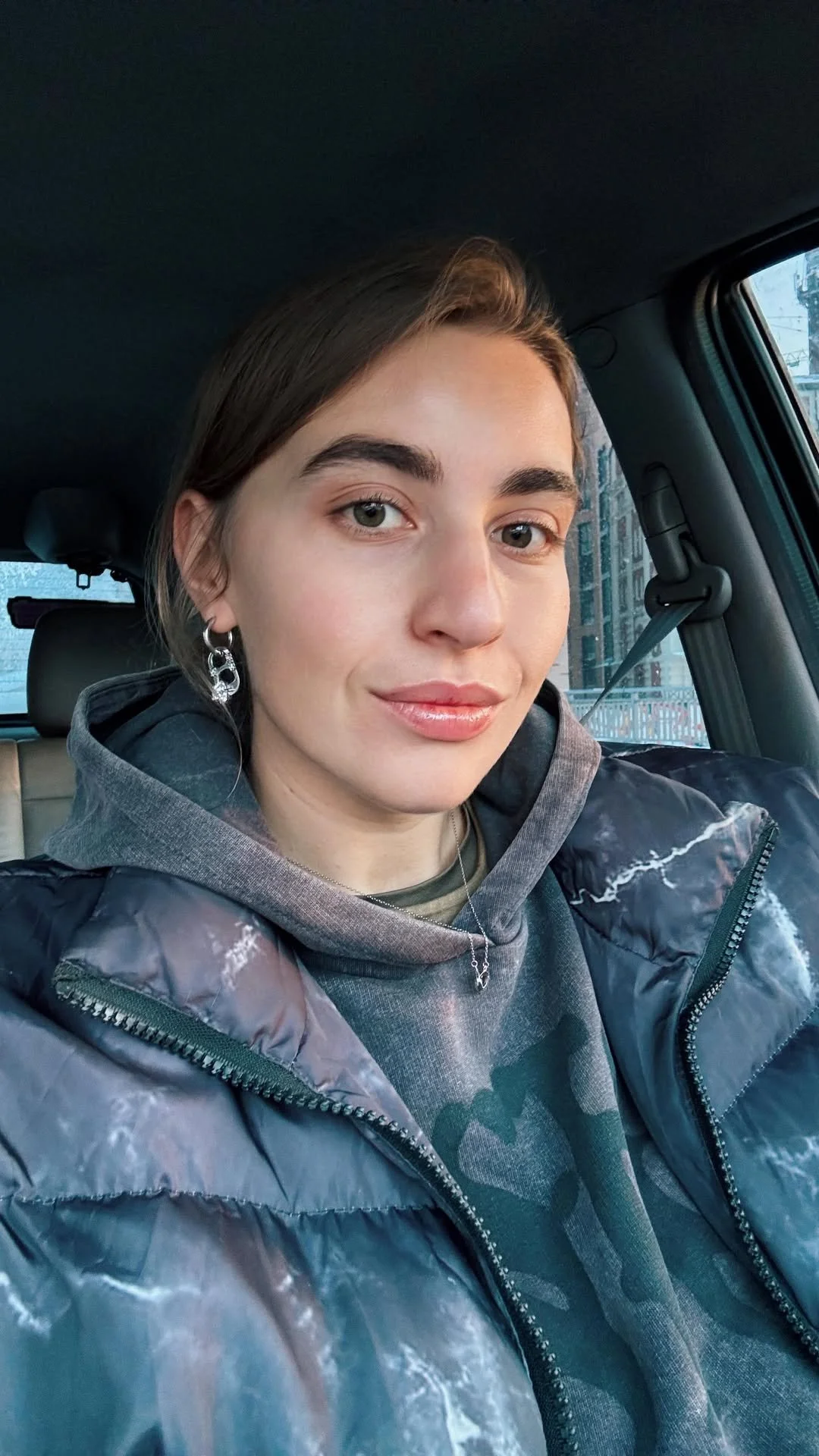
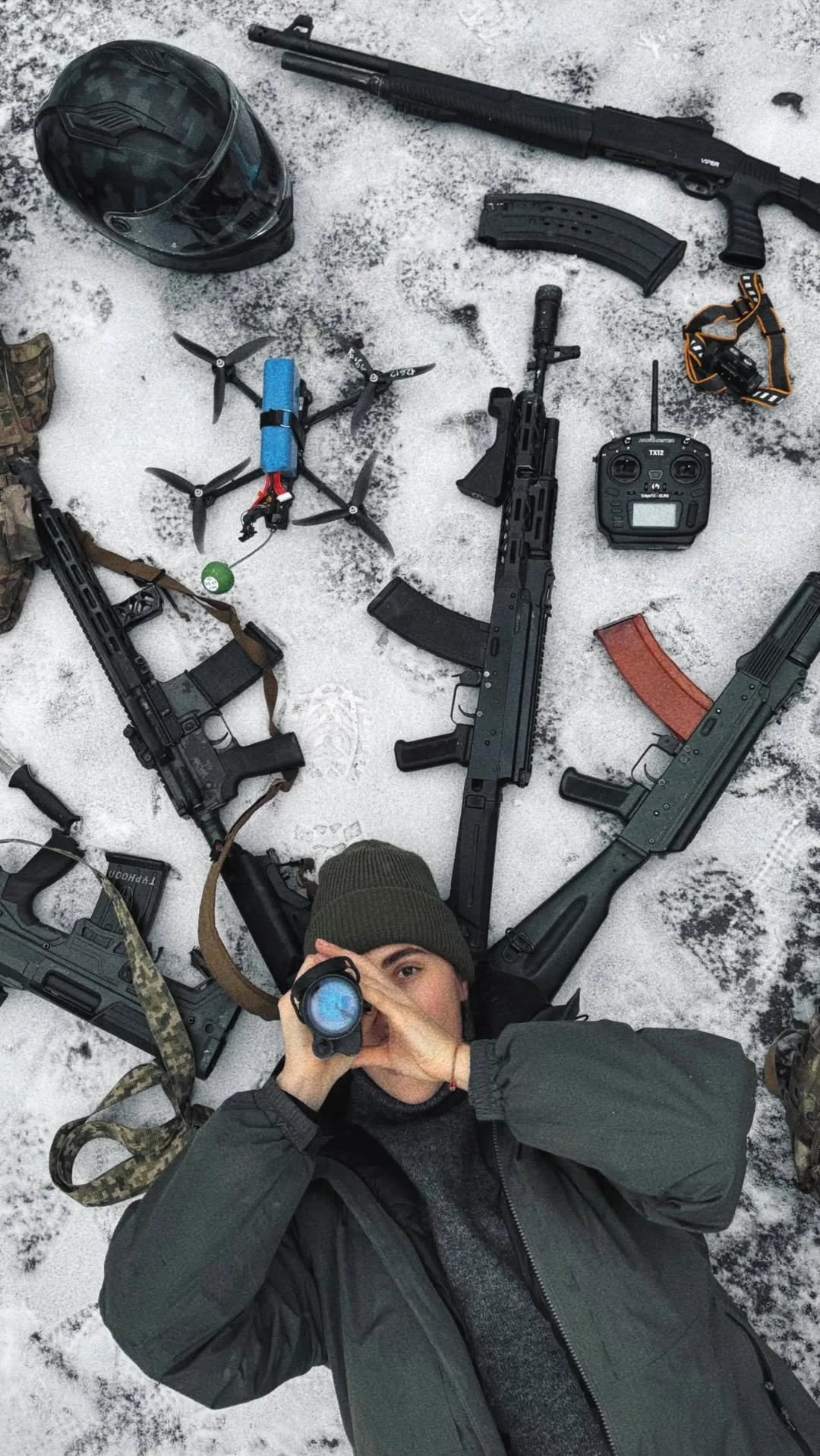
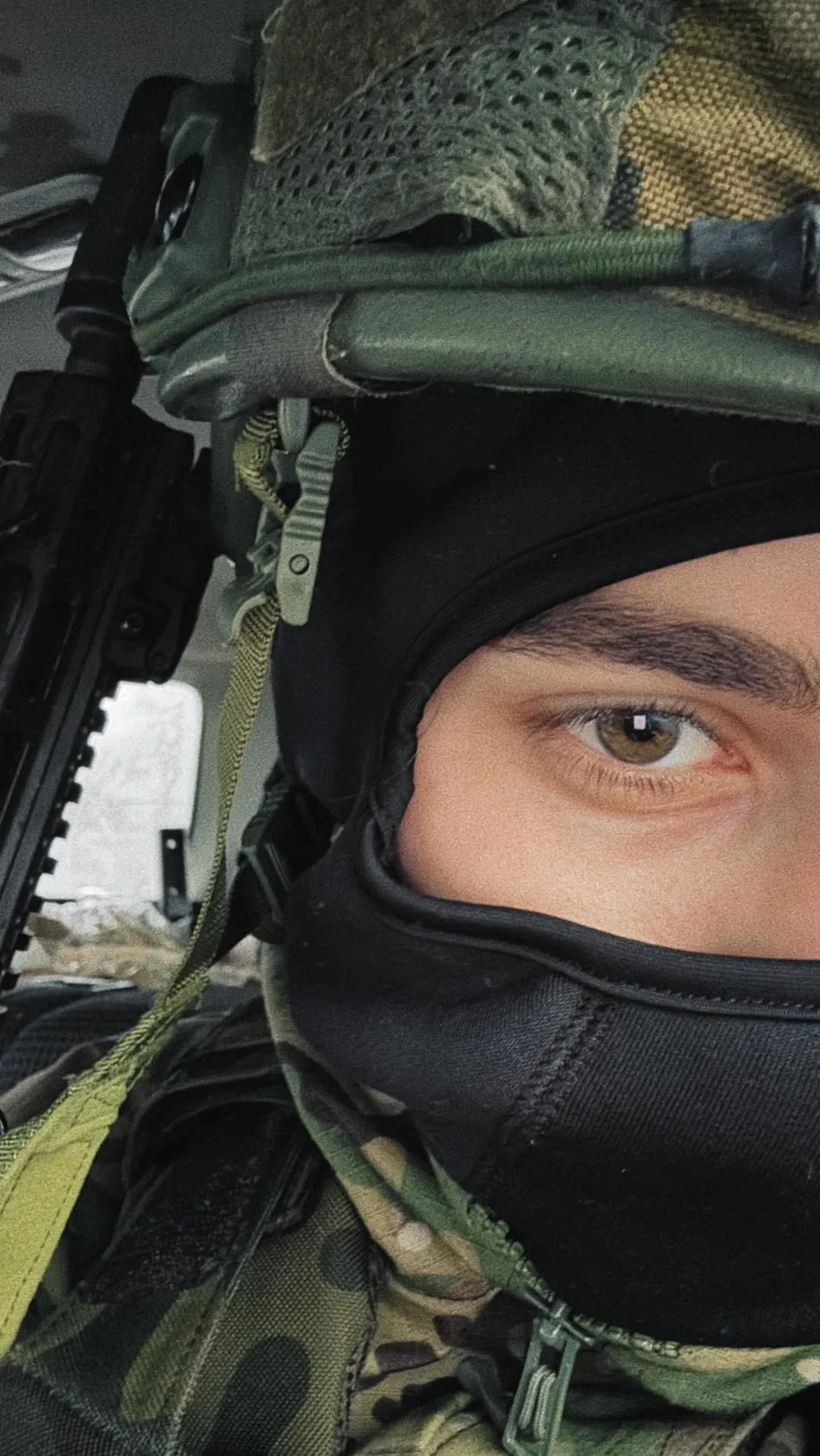
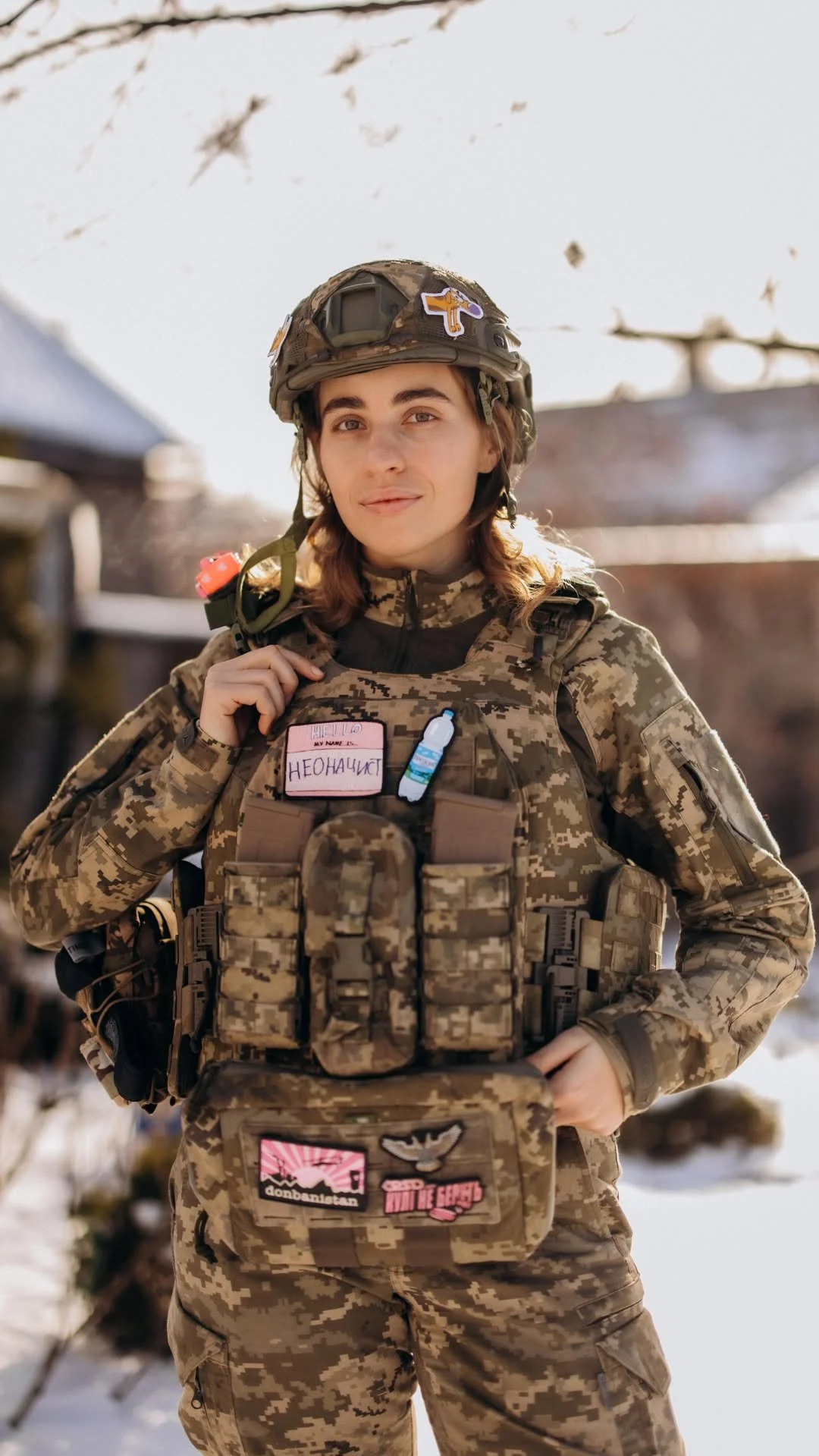
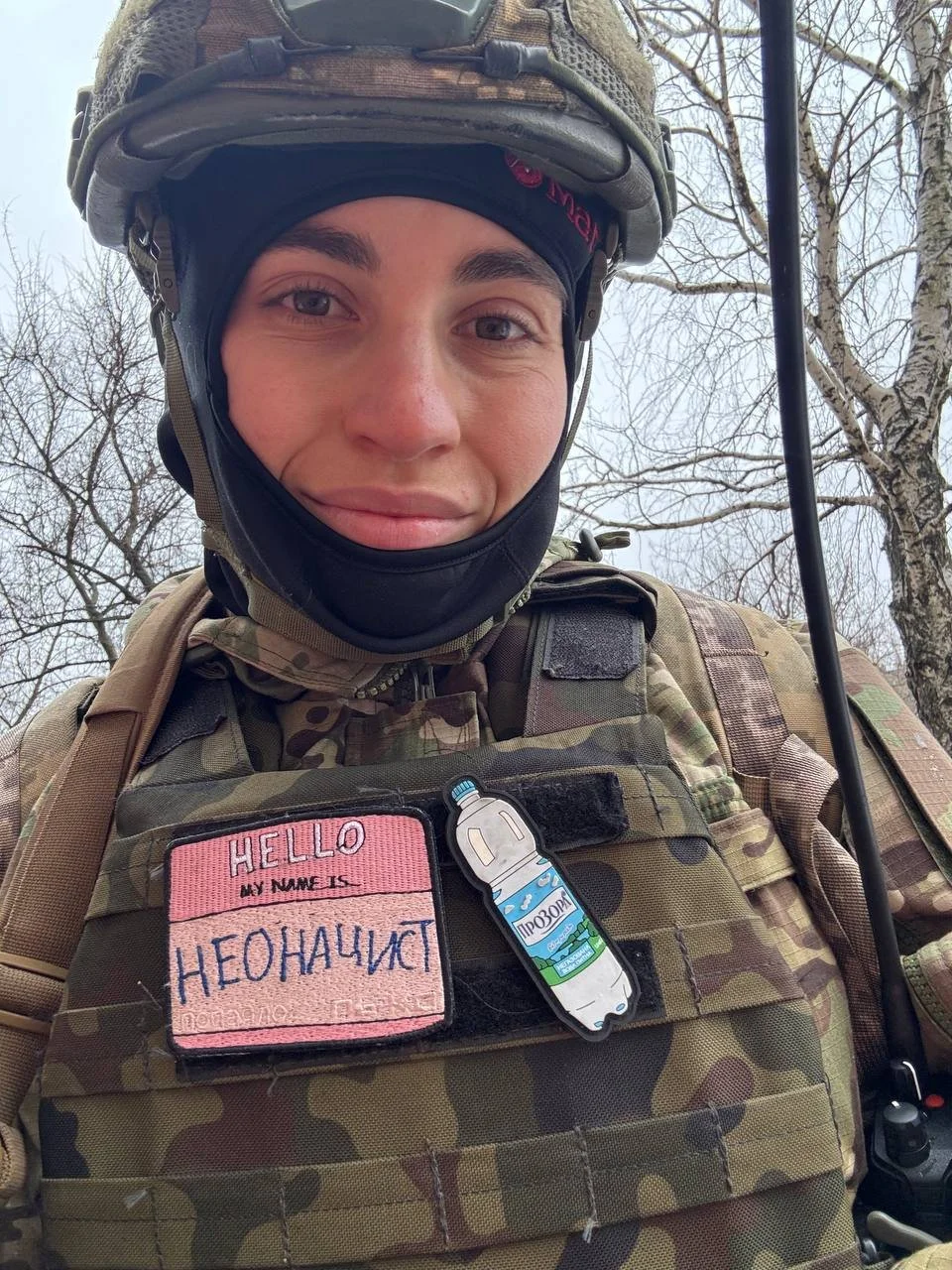
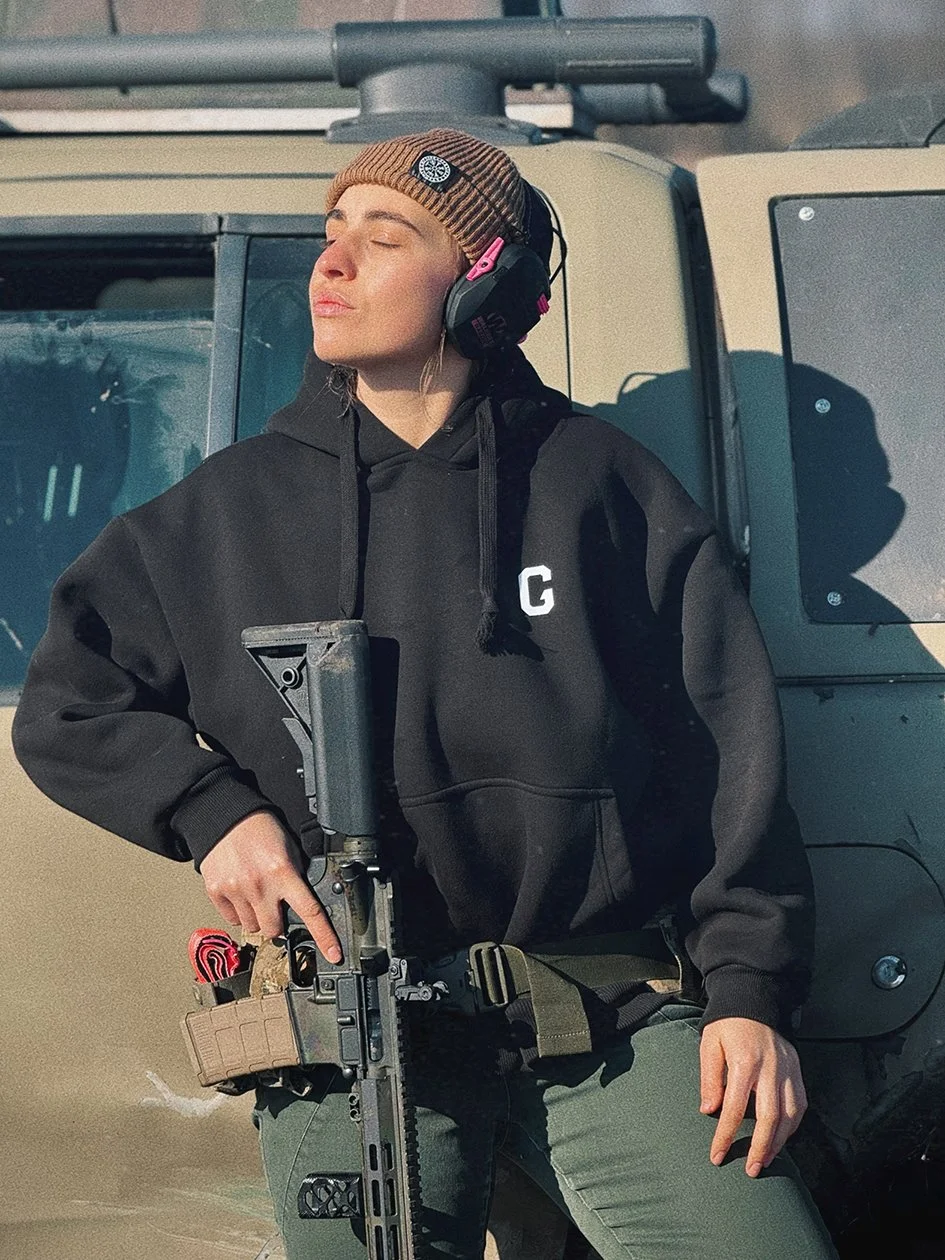
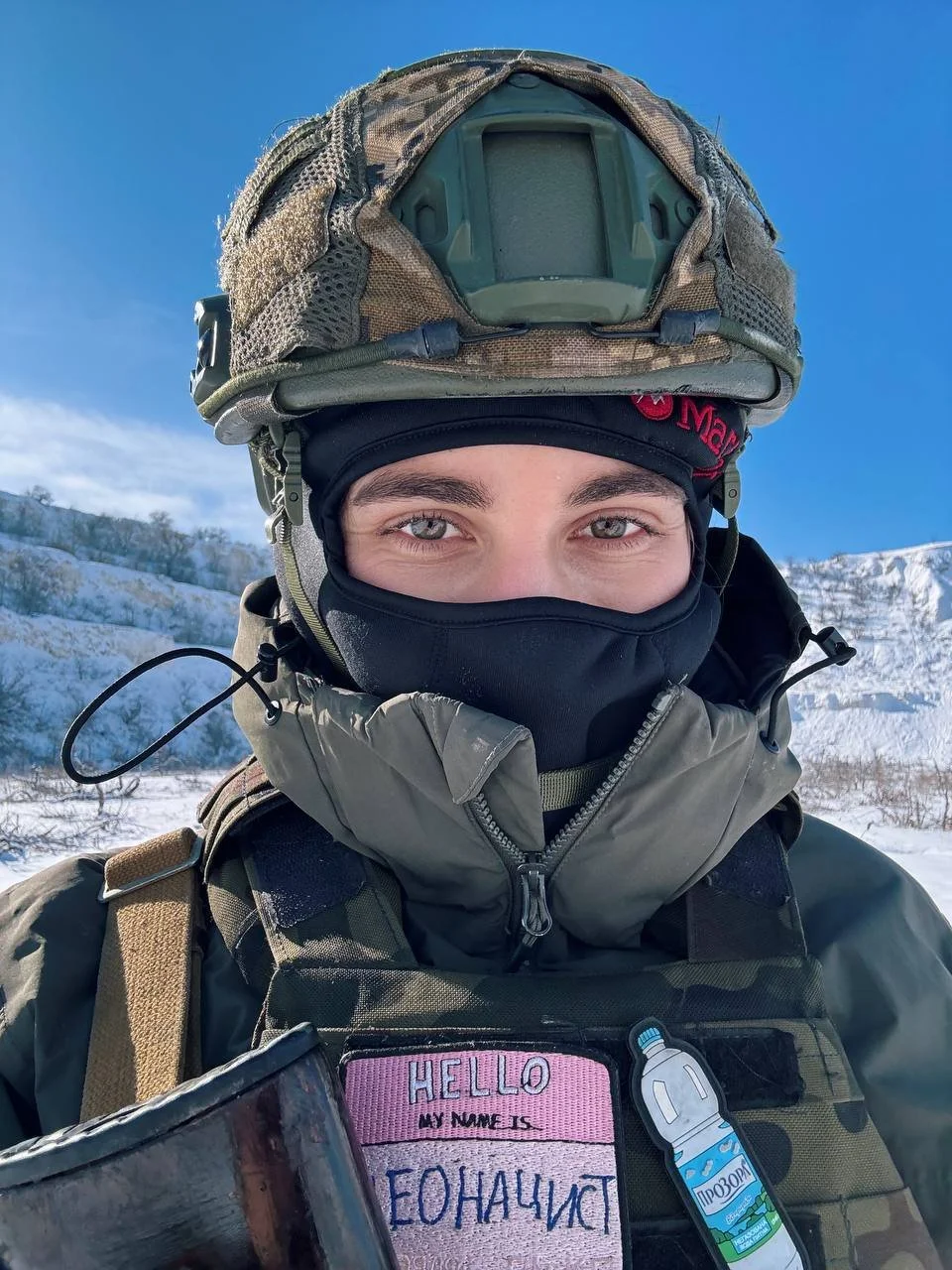
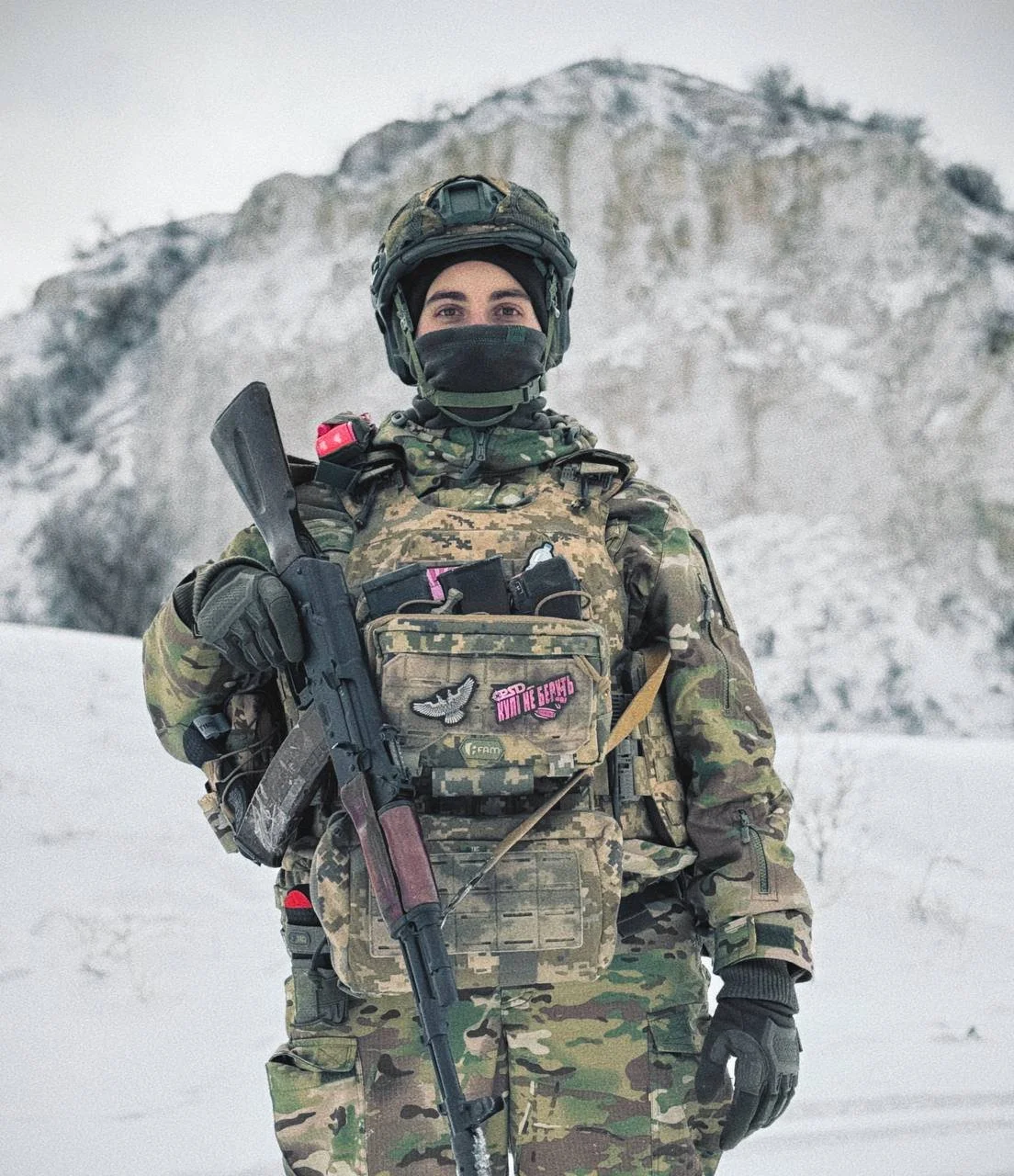
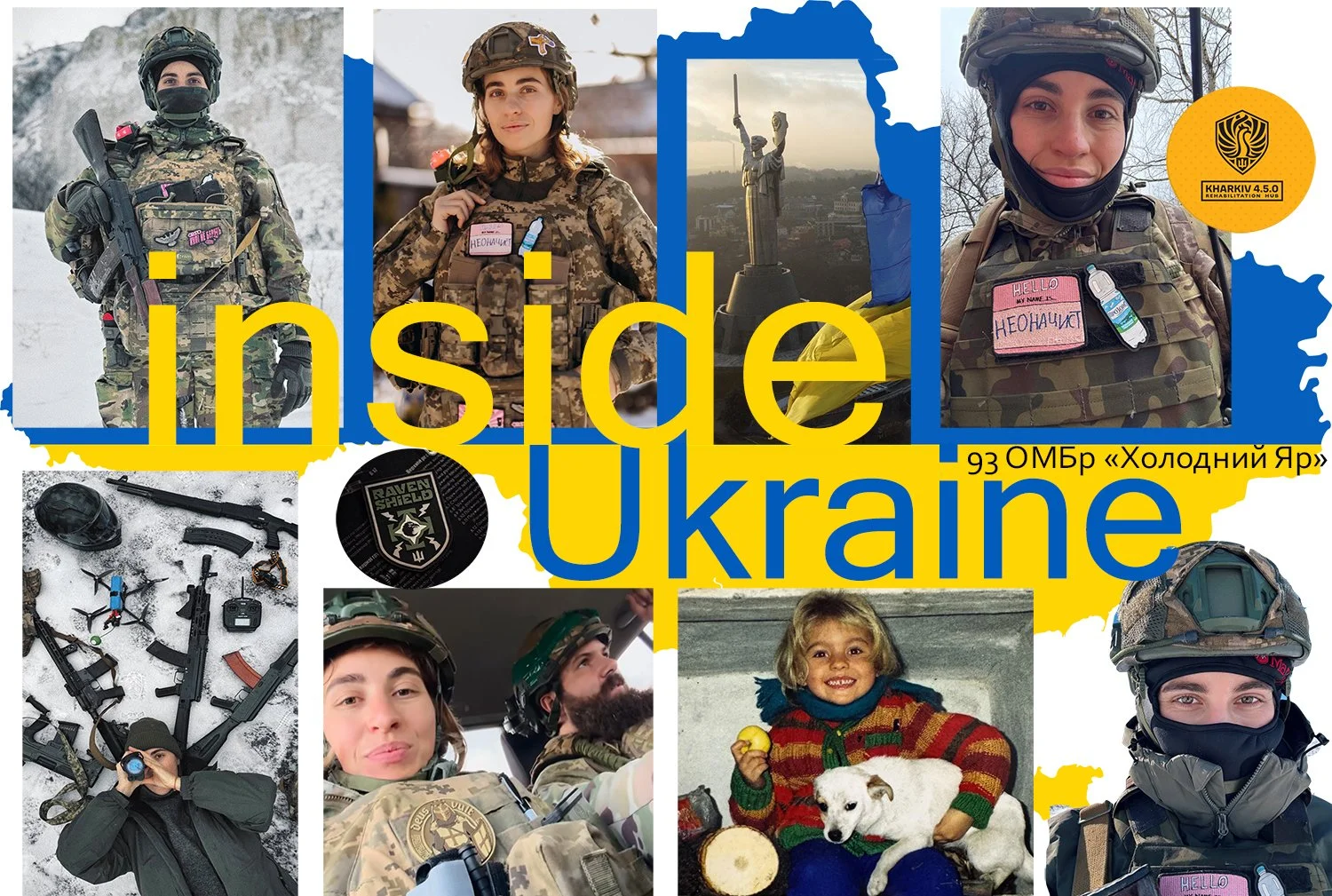
Now Marina wears the army uniform. With a call sign “Mavka” she serves alongside tens of thousands of young Ukrainian men and women resisting russia’s full-scale invasion. Marina, who once worked in finance, now risks her life tracking, analyzing, and neutralizing threats in the sky, shielding Ukrainians from russian drones. She serves in the electronic warfare unit of the respected 93rd Brigade “Kholodnyi Yar”. Marina is responsible for intercepting footage from enemy drones. She sees exactly what russian operator on the other side sees and has to identify the location and relay the coordinates within seconds.
What is remarkable is that Marina also runs a non-profit organization that helps wounded veterans access rehabilitation services.
Scanning her social media, you see it all: loss, pride, honour, and sacrifice. You also see love and care from her husband, her partner-in-arms.
Marina inspires and humbles us all to act. Her actions would certainly make her hero father very proud.
- Olga Shmaidenko, Founder of WOW Woman
Electronic Warfare Specialist, Armed Forces of Ukraine, Undisclosed Location
1. Name.
Marina Pleshcheieva.
2. Where were you born and where do you live now?
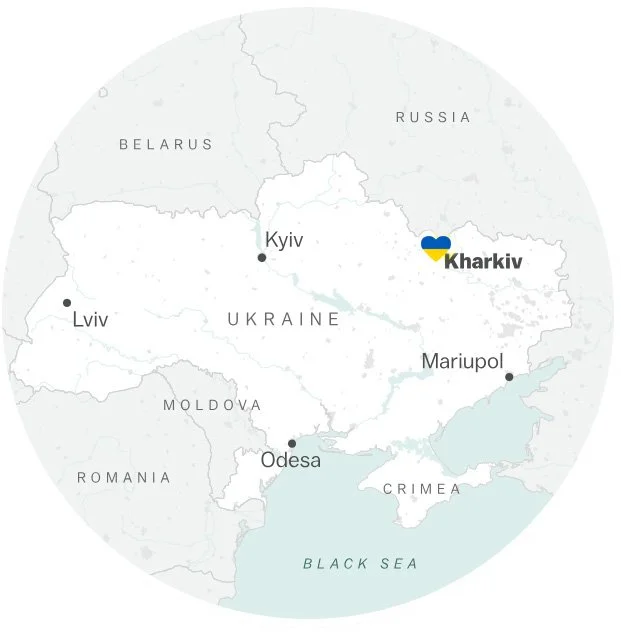
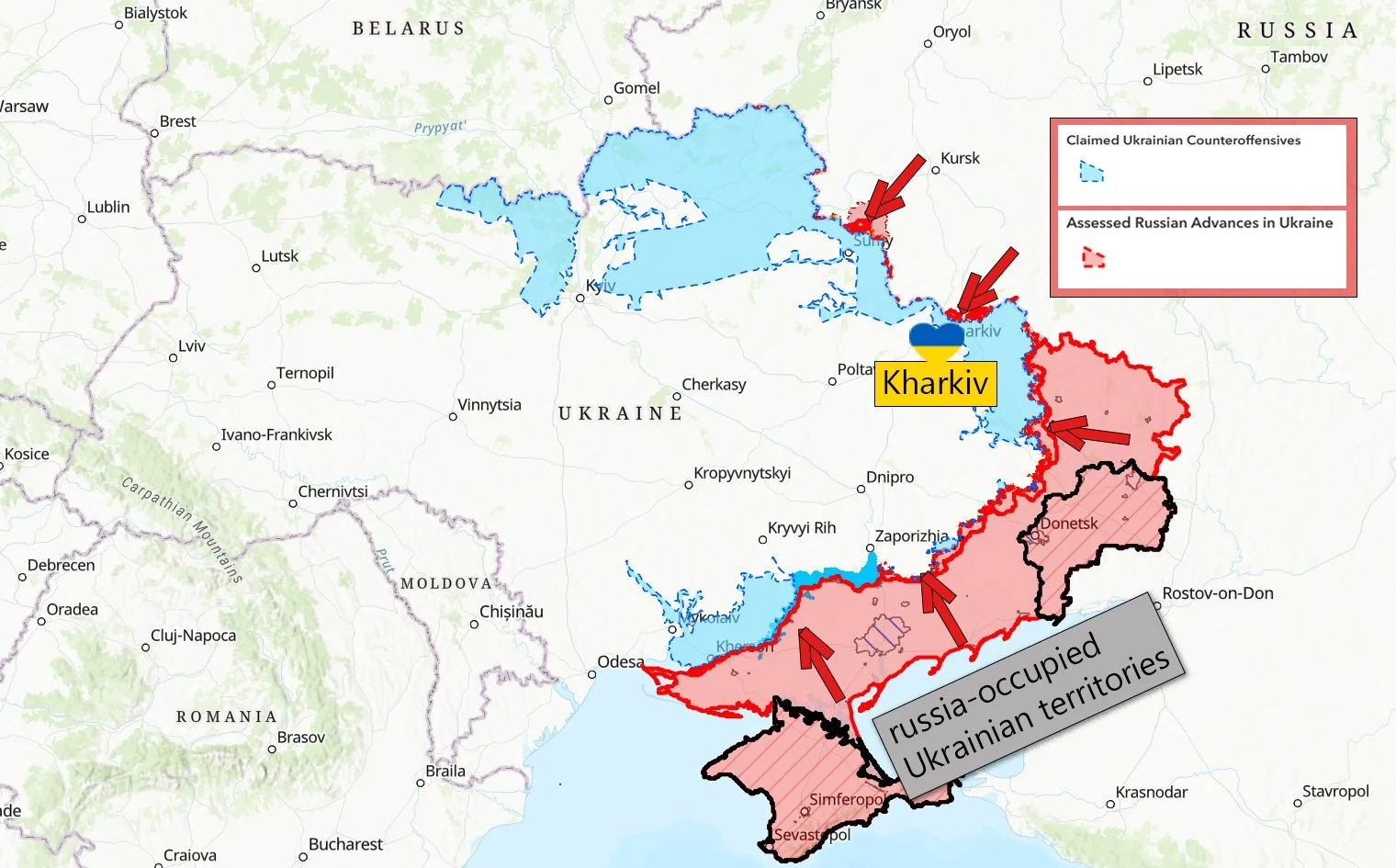
I was born in a small village in the Kharkiv region. When I turned 17, after starting university, I moved to Kharkiv and would have continued living there had it not been for the full-scale war.
3. What did you study and what is your current profession?
I studied and worked in finance; for three years at Ukraine’s state-owned bank, PrivatBank, and then for another two years as a finance specialist at another company.
I joined the military to work in my field, doing what I’m good at – I handled financial reporting for the brigade’s fund, as well as the collection, procurement and distribution of equipment across units.
I’ve left that job now, as I’ve found my place in the electronic warfare unit, where I’m involved in intercepting signals from enemy drones.
4. What was your typical day like before the full-scale invasion, and how has your life changed since the invasion of Ukraine? What is your typical day like now (if that’s even possible)?
Before the full-scale invasion started, my days began at 7 A.M.; I’d have a nice breakfast, exercise, play with my cat, and by 8 A.M. I’d be sitting down to work – I was a freelancer. I had an eight-hour work day, after which I was free to do my own thing: meeting friends, going for walks around town, or hitting the gym – I had a wonderful life.
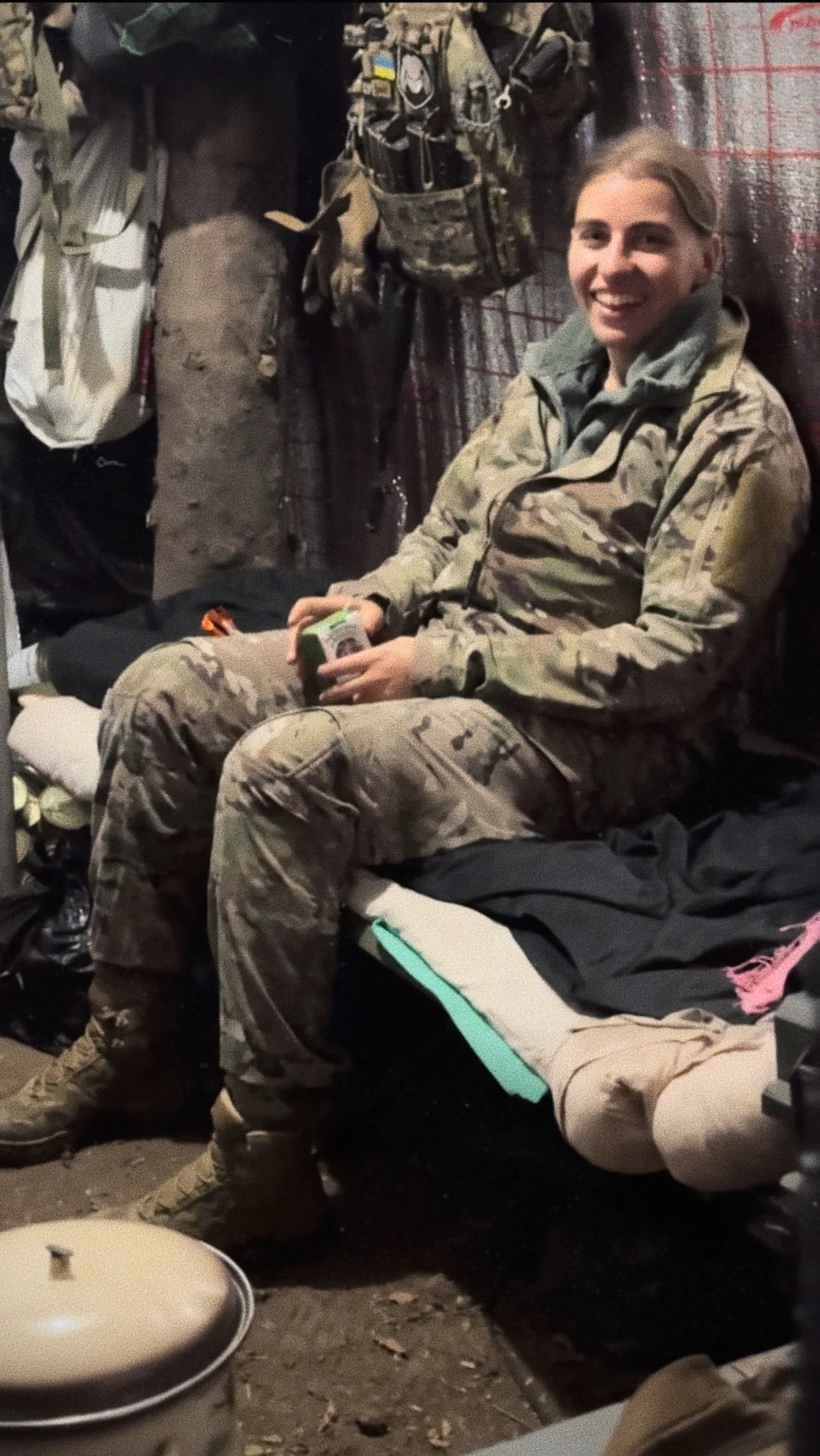
Now my schedule and way of life are completely different - I really miss sport, fresh air and peace and quiet. My rotations are six intense days on the job, after which I come home for three to six days off, to the apartment I rent in Kramatorsk (which is now a pre-frontal zone), where I rest for a day and do other work. On the off-days, I train at the military training grounds, improve my tactical medical skills, and check that my equipment is in good working condition. When I’m ON, I work 12-hour days. It’s not just a case of sitting in front of my monitor and working (like in an office job); we are experiencing russian shelling, as they fire guided aerial bombs and send armed FPV drones at us. They also disrupt our communications, cut our internet and physical cables, which we have to constantly repair. While at work, we’re constantly doing our best to survive.
5. Where were you, and how did you find out about or sense the start of the russian advance? What were the first few days and weeks of the invasion and the bombings like?
I was in Kharkiv when the full-scale invasion began; I heard explosions at 5 am, packed my things and left the city to stay with my parents in the countryside, where it was safer and further away from the russian occupation. After the liberation of the Kharkiv region, I returned to the city to help rebuild it, support the economy and do charity work.
Unfortunately, it still hurts to recall that day, so I won’t attempt to recreate it in my memory.
6. What steps did you imagine before deciding to join the Armed Forces? What steps were actually taken, and what did you need to do to enlist, undergo training and get used to working with brigades and military personnel?
I was 25 when I decided to join the army, and I actually joined at 26. I devoted a lot of time to physical training and ran 10 kms/ 6 miles, 3-4 times a week. That training didn’t let me down. Overall, I wasn’t afraid because I trust my instincts and thus always make decisions quickly and firmly. I know that whatever happens, I can endure and can stand up for myself. So, after visiting the recruitment office and sorting out the paperwork, I completed basic military training, and here I am in the army now.
7. What do you consider to be your strengths and superpowers?
My strength is self-love. I always put myself first and always choose myself, my needs and my well-being. And because of that, I can look after myself and react quickly when there are any internal or external upheavals, illnesses, stress or PTSD – I always aim to feel my best and stay in constant contact with a psychologist and doctors.
I’m not ashamed to admit my weaknesses, mistakes and misjudgments. My superpower is drawing conclusions from my mistakes and growing from them. I accept life with its sorrows and joys, sadness and happiness, life and death. It's all part of the process.
8. What is it like to work all day mainly with men? Do you ever come across women who are also serving?
I rarely interact with women at work, but it does happen.
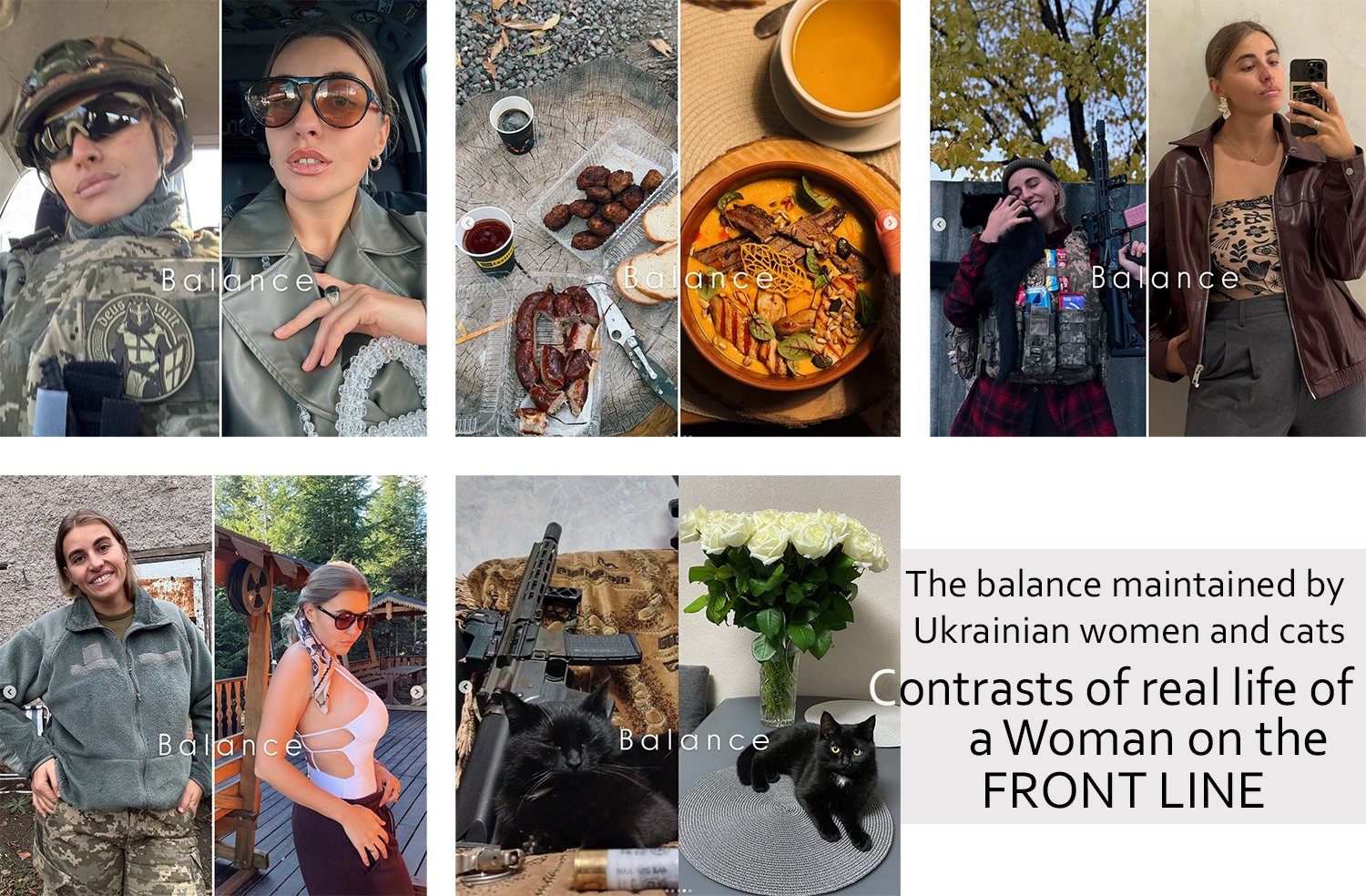
I feel comfortable with men; I find it easy to get on with them through humour and an easy-going approach to communication. Sometimes men might feel uncomfortable around me in everyday situations (going to the restroom, washing, being vulnerable, not knowing something, feeling self-conscious) but after a few days everything settles down.
9. Where do you think you draw your courage, confidence and determination from? What do you think gave you this sense of confidence? What helps you pull yourself together?
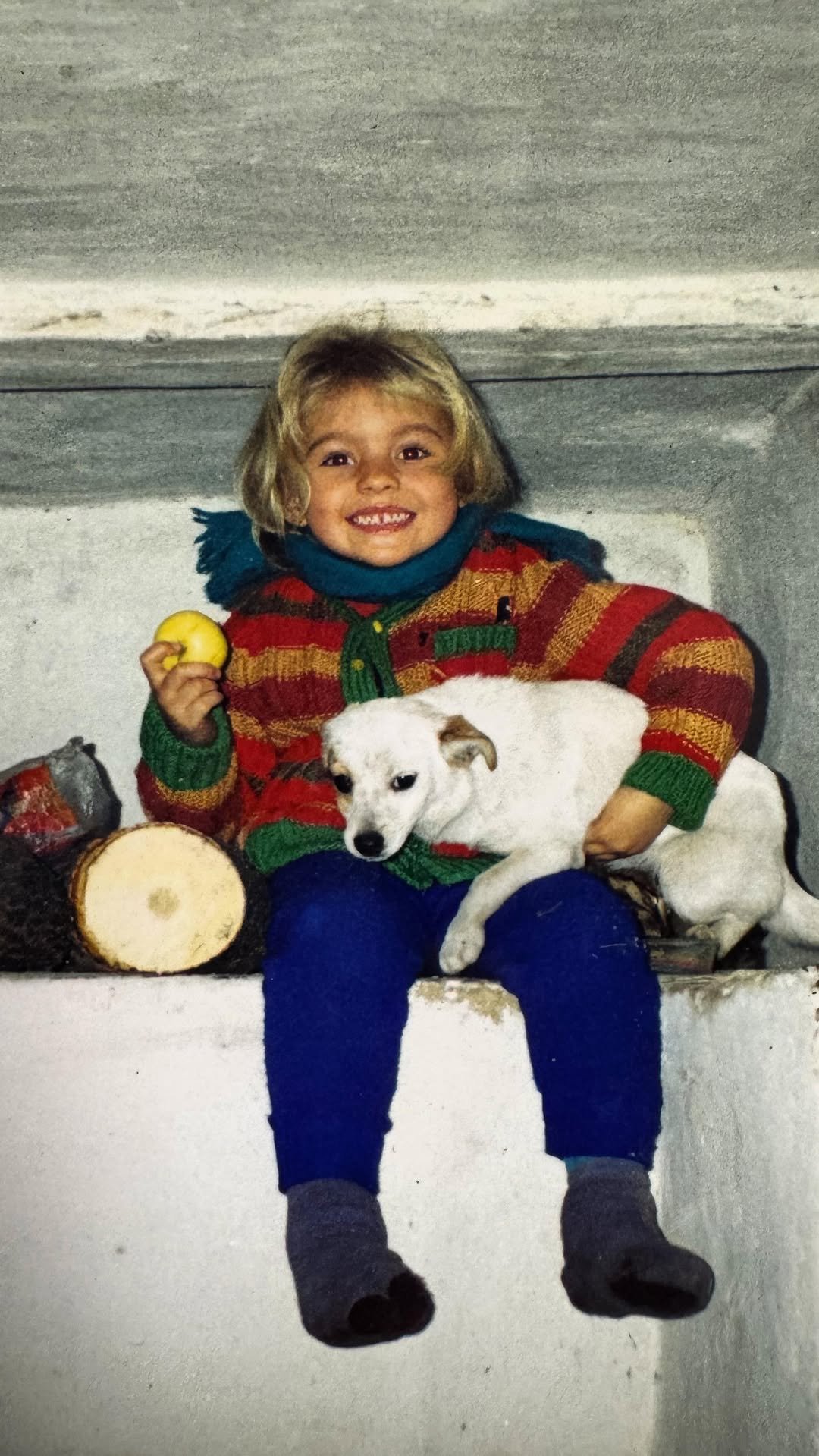
My courage and confidence are rooted in my happy childhood and my parents’ unconditional love. I was loved as a child; I didn’t have to earn that love through achievements, good behavior or school grades. I was loved simply because I existed!
As an adult, I feel like a complete, mature, self-assured woman. This is thanks to the solid foundation and support of my parents, who will always come to my aid.
Of course, this faith was severely shaken when my dad was killed by Russia - please leave these words exactly as they are; I do not use ‘died in the war’, but specifically ‘killed by Russia’.
Because parents are like two wings that children have, and when one wing physically disappeared from my life, it became very difficult for me to live. This is the first real tragedy that has struck me in my life.
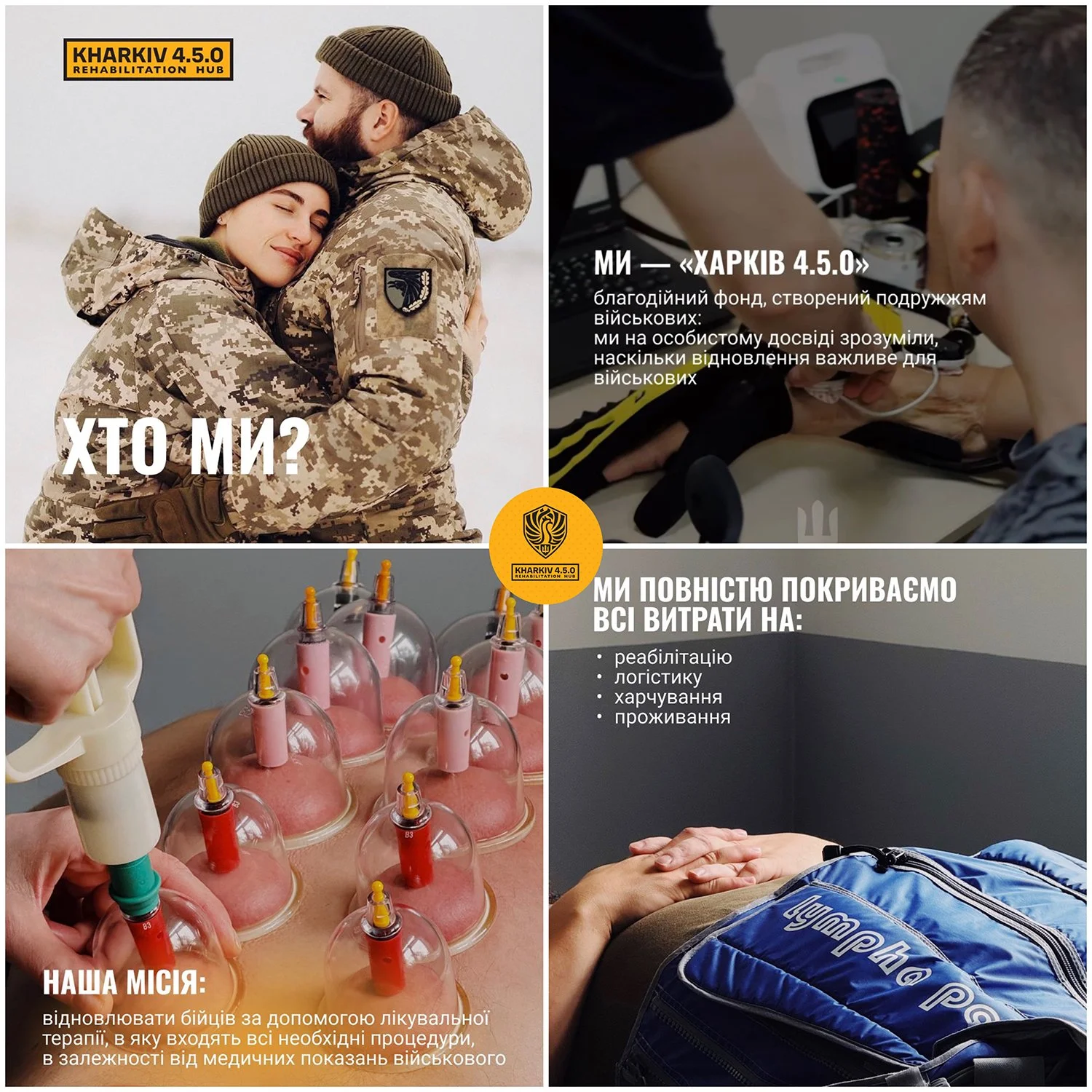
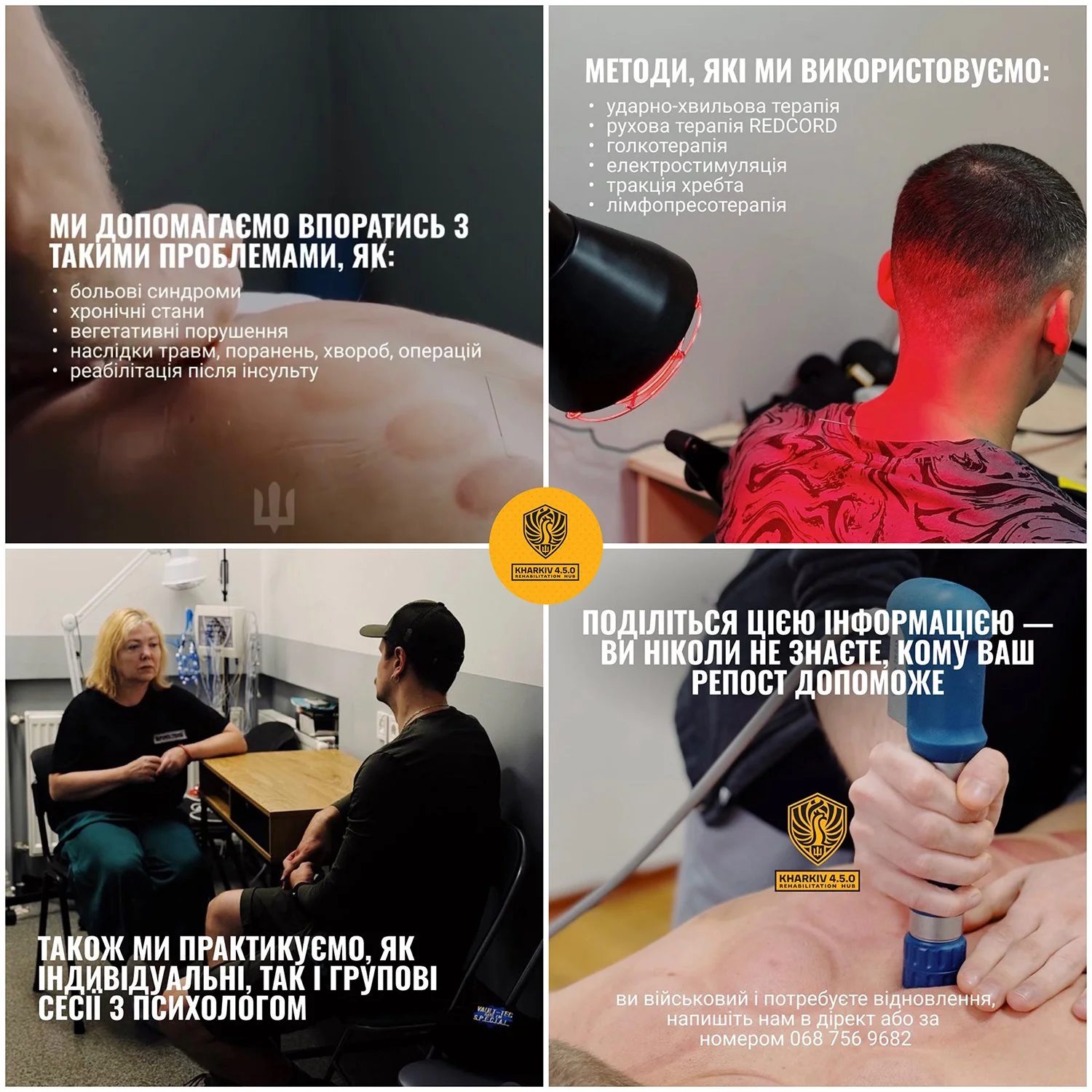
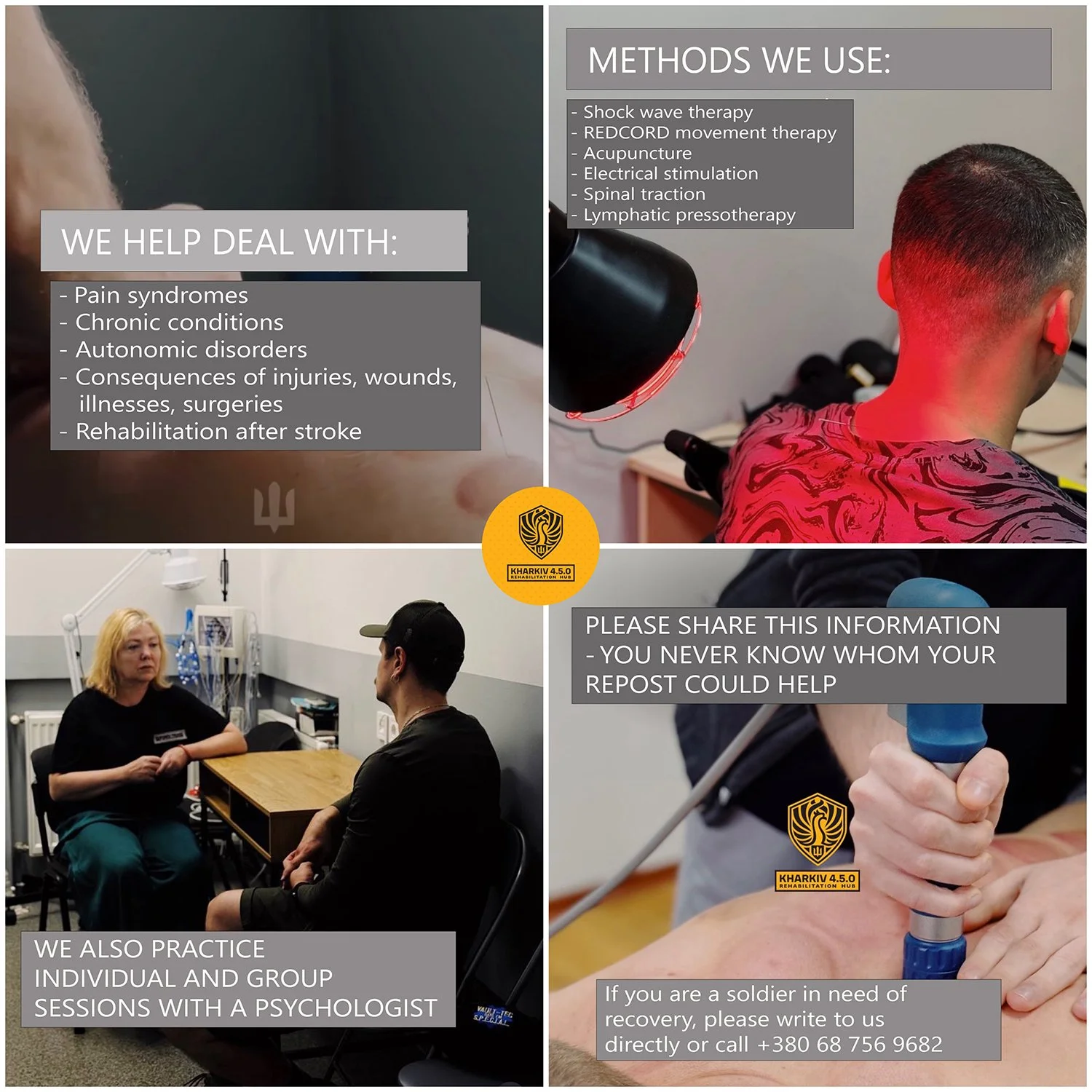
That is why I am finding solace in charity work and set up a charitable foundation called Kharkiv 4.5.0. "4.5.0" that provides free rehabilitation for veterans – I want to help those who can still be saved.
Dad,
I am at that stage of grief where numb grief turns into action, Into efforts to save those who can still be spared a similar fate.
We all miss you; we know you went there so that we, your children, could live freely and avoid the hell of war. You protected us; now we protect your memory. Now, your daughter, my three cousins and my nephew are in the army. And Taras will soon catch up with us, because he is fourteen, and this battle will keep him busy too.
We are taking action. For you and your comrades, for everyone russia has killed.
10. Do you feel that the war has changed you? In what way? Have you been surprised by yourself (in how you coped, remained strong, found inspiration in unexpected places, and so on), by your country, by your ideas about humanity, or by your attitude towards the world? What has been a revelation for you?
Of course, war changes each of us; we grow up very quickly and lose our naïveté. We see horrors every day – how could that not have an impact?
My saving grace was reconnecting with nature. After all, nature created our bodies to be perfect, and that is precisely what helps us survive.
Adrenaline and cortisol keep us going in difficult moments; the body mobilises and is ready to hold out for as long as necessary. I am very grateful to my body for this. I try in every way to repay it with sleep, nutritious food, and exercises for my back and leg muscles.
Unfortunately, the body’s reactions to stress can be unpredictable, but we must accept this as a fact—that nature created us this way—rather than seeing it as a weakness.
11. For those who don’t know or don’t understand, what is it like to entrust your life entirely to your fellow soldiers? How would you describe your relationship with them?
It is impossible to explain what brothers and sisters in arms are to someone who has not experienced it for themselves. They are not friends, nor are they blood relatives. They are complete strangers, with their own worldviews and beliefs, which may well contradict your own. Perhaps under different circumstances you wouldn't have stayed in touch. In war, however, when you're alone underground, under heavy fire, under relentless russian shelling - you are the most important people in each other's lives.
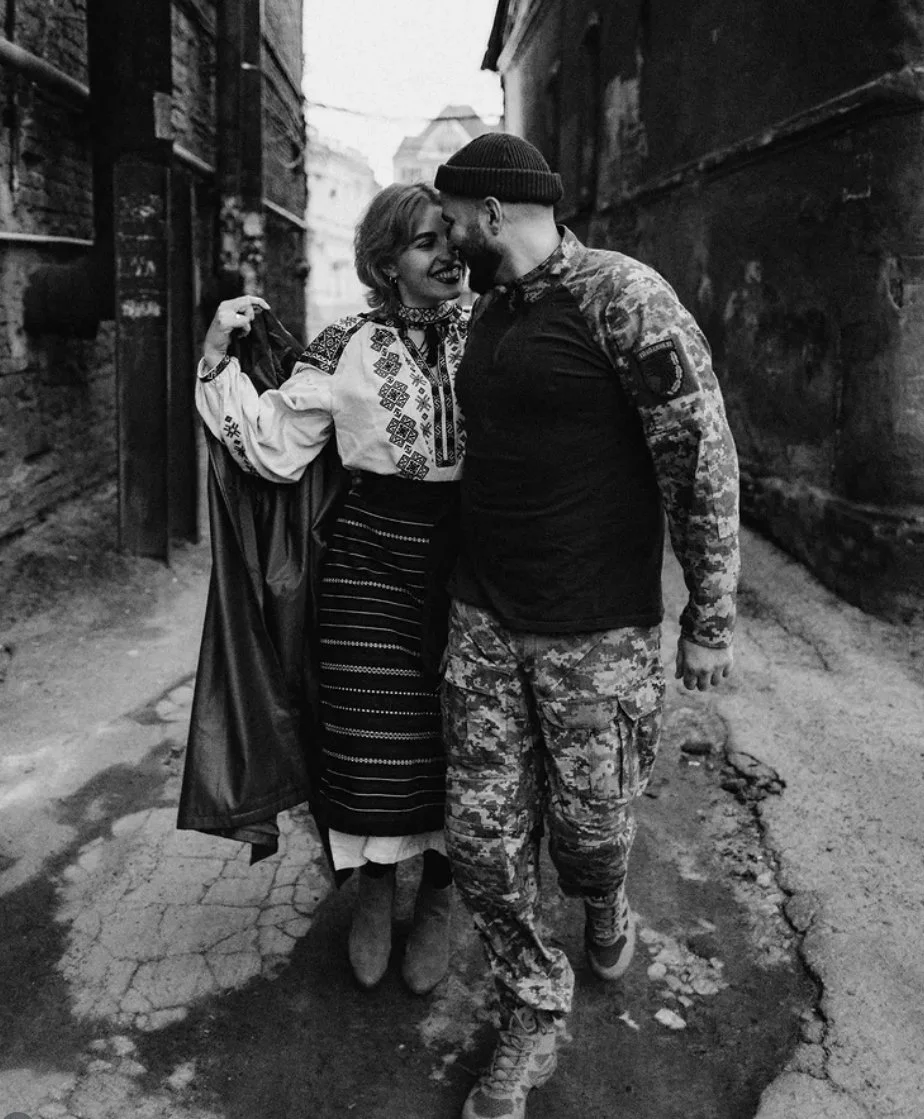
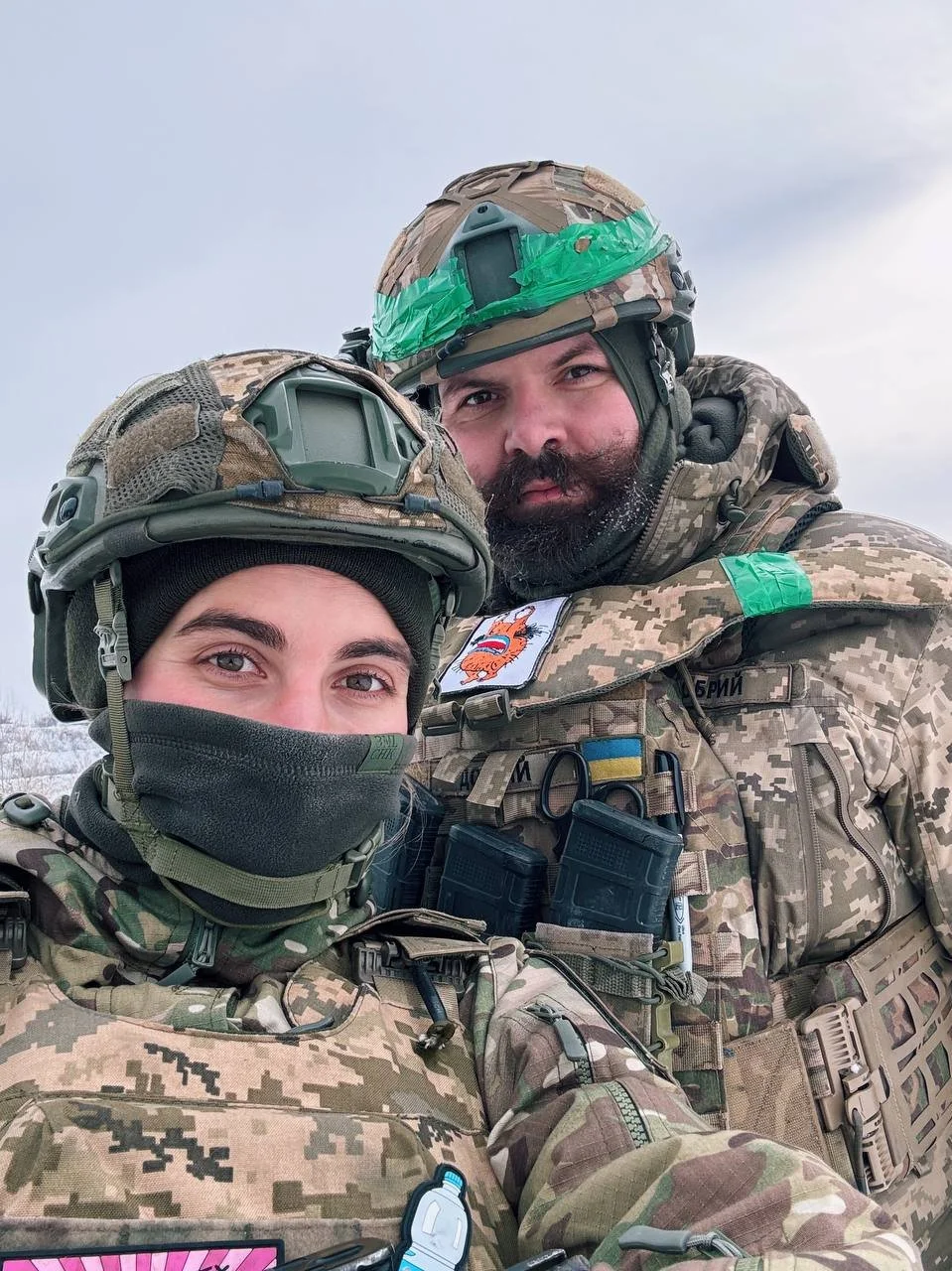
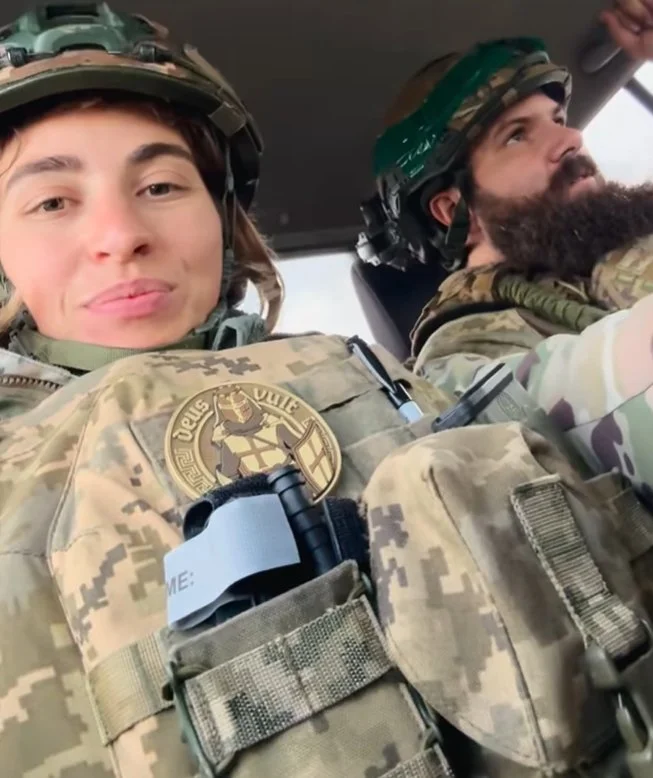
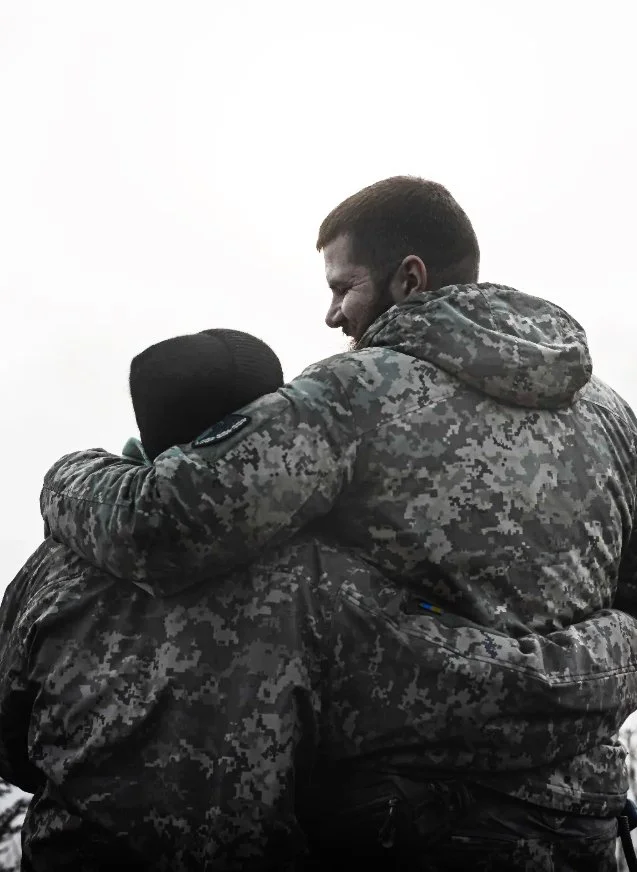
Marina Pleshcheieva and Andriy Dobryi, a married couple who are serving in an electronic warfare unit of the Armed Forces of Ukraine, in the 93rd Brigade “Kholodnyi Yar”. A glimpse behind the scenes of their daily routine on the front and the things that have become part of their every day:
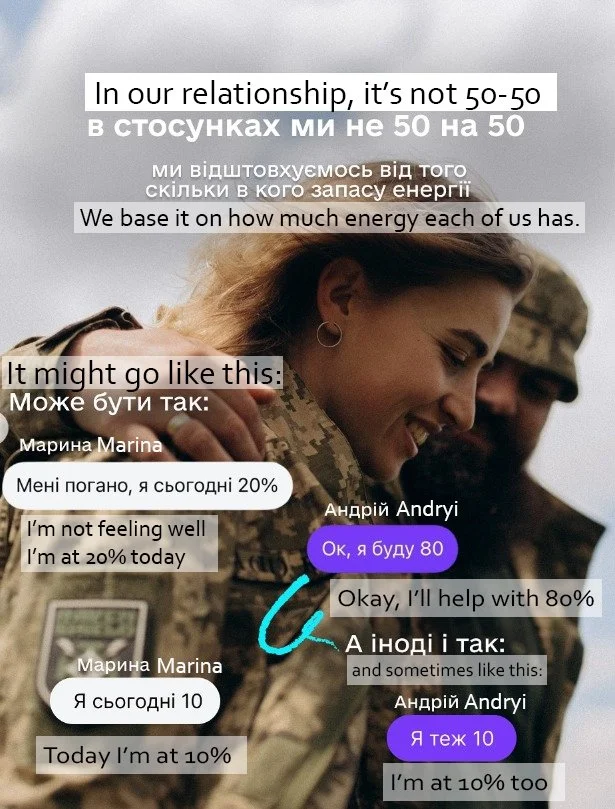
Rules on the front:
- Checking in after shelling and incoming bombings.
- Constant communication = safety.
- Daily life of the couple is without a constant home base. Thus, the idea of ‘making breakfast for each other’ is shattered by reality on the front.
- No hard feelings or silence. Conflicts are resolved as equal partners: ‘we have a task, we work out the formula, we solve it’.
- Routine for couples on the front line: Saying goodbye as if it were the last time.
- Don’t be ashamed of your fears and call a spade a spade.
- Remember that comrades are there for each other, and help isn’t divided into ‘mine/yours’.
12. What do you want the world to know about Ukrainians at this moment in time? About Ukrainian women?
I want the world to know that Ukrainians are a distinct, free, self-sufficient people. We are going through an experience that no other country in the world has gone through. Our military personnel go abroad for training, but we are now able to patent our own knowledge and showcase it to the world.
Unmanned aerial systems, electronic warfare and ground-based robotic systems. Whilst the rest of the world is generating beautiful videos and photos using artificial intelligence, Ukrainians are using it in war to defend themselves and destroy the enemy. We have been fighting a multi-million people state for four years. We do not bow down to either the first nor second army in the world, because we are confident in ourselves. We know our strengths. We stay true to our honour and dignity, and we know what we stand for as a nation.
The world does not want to acknowledge this, because it is not ready for the truth. But we are ready, and that is why we have persevered for so long.
Imagine this: russia has the advantage in terms of numbers, resources and supplies, but they lack what we have – humanity, dignity and devotion to their people. We are united and ready to stand and defend one another, unlike the russians, who hate each other and betray one another the first chance they get.
14. What will you do first when Ukraine wins? What do you dream of for yourself and your family once the war is over?
Ukraine will not ‘win’. I will never call it a victory, because Ukraine has lost thousands of soldiers and civilians, our lands have been occupied, nature has been destroyed, and the soil has been scorched by artillery shells and covered in minefields.
We were raped, psychologically tormented, our loved ones killed, and then one day it will end on terms that will by no means satisfy us – is that what you call victory?
I do not believe so.
I believe that we will achieve our goals, because this struggle has been going on for more than a century. The Ukrainian nation has been destroyed by every possible means: repression, torture chambers, famines and wars, powerful propaganda and genocide.
But Ukrainians are still here; we respect our culture, our language and our traditions. We do not bow down to russians, and that is why they hate us.
And when all this is over, I will devote the rest of my life to ensuring that Ukrainians do not forget who they are, so that we can be proud of our struggle, our strength and our resilience.
I run a rehabilitation project for servicemen and veterans, and I will certainly continue to expand and develop it. I will be actively involved in community work to be of service to our society. So Ukrainians know just how strong and unique we are, and russians will never again succeed in making us believe we are one people with their propaganda.
15. In your opinion, how do russians as a people differ from Ukrainians? Were we aware of these differences before the full-scale invasion? Were we in denial?
I’ve spoken about the differences between russians and Ukrainians before, I'll address some here.
Before russia’s full-scale invasion of Ukraine, I didn’t see any difference between us and the russians. I have many relatives in russia. We kept in touch and visited one another. All my content, music and TV series came from russia. I spoke russian because “surzhyk” (a mixture of Ukrainian and russian, spoken by millions in Ukraine. It emerged from urbanization and industrialization, where rural Ukrainians blended their native Ukrainian language with russian) and was seen as something rural and uneducated, and nobody spoke Ukrainian. I didn’t see any difference between us until they came onto our land to kill us for not being like them.
Russians genuinely believed that after the collapse of the Soviet Union, we were left poor and destitute, waiting for them to come and save us; they truly believed this until they came here and saw how well we lived without them. Then they hated us even more, began to loot and rob, and whatever they couldn’t steal, they destroyed, burned and cut down. They expected that in our villages, just like in russian villages, there would be no centralized sewage system, no street lighting, no supermarkets and no access to quality healthcare. They thought we were lived just like them.
But Ukraine is a society of hard-working people. And whilst russians are wasting time on imaginary enemies, Ukrainians are planting their vegetable gardens, tending to their livestock and painting their house, constantly making improvements in their lives. We are a very peaceful people, but we become aggressive when our own are attacked. This is because we know what freedom is; we have tasted it, so when they try to take it away from us, we will never give it up defending it.
Russians, on the other hand, have never known true freedom; they are imperialists and slaves in their thinking and actions. If you gave them true freedom (of thought and will) now, they wouldn’t know what to do with it. They need someone else to lead them by the collar, tell them what to do, how to think and whom to hate.
This has been instilled in them over centuries, and I don't believe it will change now; it would take at least three generations for people to live differently.
16. What kind of justice do you want for Ukrainians regarding Russia’s punishment?
The blood shed by Ukrainians must be avenged. You cannot bring people who have died back to life, and what hurts the most is the injustice of not having avenged them, of the fact that the Russians have not been held accountable.
Russians should lead a miserable life, and this is not driven by my heightened sense of justice or hatred towards them – it is for them to understand their wrongdoing, complicity and guilt. They need to feel that the world does not accept their version of the truth, realise what they have done see their actions from a different perspective.
As long as the world tolerates their actions, russians will not fear violating the Geneva Convention nor the rules of war.
17. Do you believe that people who left Ukraine during the 2022 wave of refugees, or those Ukrainians who have been living abroad for decades, bear a certain responsibility towards their homeland (in the form of advocacy, donations, fundraising, or action)?
I recently heard the saying: ‘You are not born Ukrainian, you have to become Ukrainian’. This phrase resonates with me, because it is not enough simply to be born on this land; you have to fight for it. This war is not a unique phenomenon, but a destructive form of survival, a selection of the fittest. Responsibility towards one’s homeland is a call of the heart and a civic duty, clearly set out in Article 65 of the Constitution of Ukraine, which states that defending the Fatherland is every citizen’s duty.
So, if you consider yourself Ukrainian, you must fight for that title. Because being called Ukrainian is an honour. It means belonging to a freedom-loving, indomitable people.
18. Where can others find information about you/your activities? (links to your website, social media pages, etc.)
My own: @pleshcheieva.m
Where I serve: @raven.shield93 of the 93rd brigade
My non-profit organization: @kharkiv.4.5.0
We could never have imagined that by 2025 we would be able to provide free rehabilitation to at least five servicemen and veterans every month. It all began in 2022, during my husband Andrii’s @stage_director_93 visit to the troops in the Donetsk region; it became clear then that the servicemen needed rehabilitation. And now we are the official ‘Kharkiv 4.5.0’ foundation, with transparent documentation, helping servicemen to recover. If you need physical and psychological rehabilitation — please get in touch with us.
"4.5.0." is a Ukrainian military radio code meaning "everything is calm" or "all is well". Adopted by the Armed Forces of Ukraine, it represents a state of peace and security in a specific sector, now also widely used by civilians to wish someone safety and peace.

ЦЯ ІСТОРІЯ "INSIDE UKRAINE" - З ПЕРЕДОВОЇ.
* Всі зображення та відповіді у матеріалі були надані WOW Woman
СЕРІЯ INSIDE UKRAINE/ВСЕРЕДИНІ УКРАЇНИ: МОМЕНТАЛЬНИЙ ЗНІМОК, ОДИН ДЕНЬ З ЖИТТЯ, ПОГЛЯД НА ТЕ, ЯК ЦЕ - ЖИТИ, ЧИНИТИ ОПІР, ВИЖИВАТИ І НЕ ЗДАВАТИСЯ В КРАЇНІ, ЯКА ПЕРЕБУВАЄ ПІД ЗАГРОЗОЮ.
СЛАВА УКРАЇНСЬКИМ ВАУ-ЖІНКАМ, ЯКІ ПІДТРИМУЮТЬ СВОЮ КРАЇНУ І НАБЛИЖАЮТЬ УКРАЇНУ ДО ПЕРЕМОГИ.
Я вперше побачила Марину Плещеєву у її відео. З нього для мене все й почалося.
У цьому відео розповідається ціла історія без єдиного слова. У ньому Марина засукує рукав і показує нове татуювання на плечі. Це трактор. Далі вона сидить у військовій формі перед могильною плитою. На камені викарбувано обличчя чоловіка. А під ним зображено трактор, ідентичний тому, що витатуйований на її руці.
Цей чоловік – батько Марини. Він був глибоко пов’язаний з українською землею. Коли росія вторглася, він пішов на фронт, щоб захищати її. Він загинув, захищаючи її. Росія вбила його.
Зараз Марина носить військову форму. З позивним «Мавка» вона разом із десятками тисяч молодих українців та українок чинить опір повномасштабному вторгненню росії. Марина, яка колись працювала фінансистом, тепер ризикує своїм життям, відстежуючи, аналізуючи та нейтралізуючи загрози в небі, захищаючи українців від російських дронів. Вона служить у підрозділі радіоелектронної боротьби шанованої 93-ї бригади «Холодний Яр». Марина відповідає за перехоплення відео з ворожих дронів. Вона бачить те саме, що й російський оператор на тому боці, і має визначити місце розташування та передати координати за лічені секунди.
Примітно, що Марина також керує благодійною організацією, яка допомагає пораненим військовим отримати доступ до реабілітаційних послуг.
Переглядаючи її соціальні мережі, ви бачите все: втрату, гордість, честь і самопожертву. Ви також бачите любов і турботу її чоловіка, її партнера по зброї.
Марина надихає нас усіх і спонукає до дії. Її вчинки, безсумнівно, зробили б її батька-героя дуже гордим.
- Ольга Шмайденко, засновниця WOW Woman
Операторка РЕБ, Збройні Сили України
1. Імʼя.
Марина Плещеєва.
2. Де ви народилися і де ви зараз живете?
Народилась я в маленькому селі на Харківщині, з 17 років, після того, як вступила до університету - я проживала у місті Харків і жила б там надалі, якби не повномасштабна війна.
3. На кого навчались та за якою професією працюєте зараз?
За фахом я фінансист, три роки я працювала в державному банку України «ПриватБанк», а потім ще два роки фінансистом в іншій компанії.
У військо я теж пішла працювати за спеціальністю, робити те, що добре вмію - займалась звітністю по фінансуванню фонду бригади, зборами, закупівлею і розподіленням обладнання по підрозділам.
Зараз я відійшла від цієї занятості, бо знайшла себе в роті радіоелектронної боротьби і займаюсь відеоперехватами сигналів ворожих дронів.
4. Як виглядав ваш звичайний день до повномасштабного та як змінилася ваше життя після вторгнення в Україну? Який ваш типовий день зараз (якщо це взагалі можливо)?
Мій день до повномасштабного вторгнення починався о 7 ранку, я смачно снідала, робила зарядку, гралась з кішкою та о 8 сідала за роботу, працювала я на фрілансі.
У мене була восьмигодинна зміна на роботі, після чого я була вільна для своїх справ.
Зустрічі з друзями, прогулянки містом, фітнес або спортзал - у мене було прекрасне життя.
Зараз я маю інших графік та умови життя. Дуже не вистачає мені спорту, свіжого повітря та спокою.
Мої зміни на позиціях 6 днів а потім 3-6 днів я приїжджаю в дім, який орендую в Краматорську і там день відпочиваю та займаюсь іншою роботою. Постійні заняття на полігоні, покращення навичок з тактичної медицини, перевірка справності обладнання.
На чергуваннях я 12 годин на добу. Це не просто сів за монітори і працюєш, в цей час росіяни обстрілюють, випускають каби і фпв по нам, перебивають звʼязок, інтернет, кабелі, які весь час треба лагодити. Ми виживаємо з усіх сил.
5. Де ви були і як дізналися/відчули початок російського наступу? Якими були перші дні та тижні вторгнення та бомбардувань?
Повномасштабне вторгнення я зустріла в Харкові, почула вибухи о 5 ранку, я зібрала речі і виїхала з міста до батьків у село, там було безпечніше і подалі від російської окупації, після звільнення Харківської області я повернулась в місто, щоб відбудовувати його, підтримувати економіку та займатись благодійністю.
Нажаль, мені все ще боляче згадувати цей день, тому я не буду його відтворювати у своїй памʼяті.
6. Які кроки ви уявляли собі, перш ніж прийняти рішення вступити до Збройних Сил? Які кроки були в реальності та що потрібно було зробити, щоб вступити, пройти підготовку та звикнути до роботи з бригадами та військовими? (Можна запитати, скільки вам було років, коли ви приєдналися?)
Мені було 25 років, коли я прийняла рішення приєднатись до війська, долучилась уже в 26.
Я багато уваги приділяла фізичній підготовці і бігала по 10км через день, 3-4 рази на тиждень. Це мене не підвело. Мені не було страшно, я досить швидко завжди приймаю рішення, бо довіряю собі. Я знаю, що б не сталось - я завжди себе підтримаю і мій внутрішній стержень все витримає, я захищу себе.
Я прийшла до військомата, оформила документи, пройшла базову військову підготовку і ось я у війську.
7. Які, на вашу думку, ваші сильні сторони та надздібності?
Моя сильна сторона - це любов до себе. Я завжди у себе на першому місці і завжди обираю себе, свої потреби і комфорт. І тому я можу про себе подбати, швидко зреагувати, коли є якісь внутрішні або зовнішні коливання, хвороби, стреси, ПТСР - я завжди прагну гарного самопочуття і весь час на звʼязку з психологом та лікарями.
Не соромлюсь визнавати свої слабкості, свої помилки та хибні думки. Моя надздібність - робити висновки і зростати. Я приймаю життя з горем і щастям, сумом та радістю, з життям та смертю. Це все невідʼємні процеси.
8. Як це – працювати цілий день переважно з чоловіками? Чи трапляються вам жінки, які також служать?
З жінками я взаємодію рідко, але буває.
Мені з чоловіками комфортно, я легко знаходжу спільну мову через гумор та легкість у спілкуванні. Інколи чоловікам може бути некомфортно зі мною в побуті на позиціях (ходити в туалет, митися, бути вразливим, чогось не знати, соромитись) але за декілька днів все налагоджується.
9. Звідки, на Вашу думку, черпаєте свою сміливість, Вашу впевненість і рішучість? Як ви думаєте, що дало вам це відчуття впевненості? Чи бувають у вас моменти, коли ви прокидаєтеся і хочете кричати та втекти? Що саме допомагає вам збирати себе докупи?
Моя сміливість і впевненість - це витоки зі щасливого дитинства і безумовної любові моїх батьків. Я залюблена дитина, мені не треба було випрошувати любов досягненнями, гарною поведінкою чи оцінками в школі. Мене любили просто тому що я є!
І ставши дорослою я відчуваю себе повноцінною, зрілою, впевненою в собі жінкою. Це завдяки надійному тилу і підтримці моїх батьків, які завжди прийдуть на допомогу.
Звісно ця віра дуже підірвалась, коли мого тата вбила Росія (прошу залишити ці слова саме такими, не використовую загинув на війні, а саме вбила Росія)
Бо батьки - це як два крила, які є у дітей, а коли одне крило фізично зникло з мого життя - мені стало дуже важко жити. Це перше справжнє горе, яке спіткало мене в житті.
Тому з цього стану я рятуюсь благодійнністю - створила благодійний фонд, який надає безкоштовну реабілітацію військовим - я хочу допомагати тим, кого ще можна врятувати.
Тату,
Я на тому етапі втрати, коли німе горе перетворюється на дію.
На спроби врятувати тих, кого ще можливо уберегти від такої участі.
Нам всім тебе не вистачає, ми знаємо що ти пішов туди, аби ми твої діти - жили вільно і не лізли у пекло війни.Ти захищав нас, тепер ми захищаємо памʼять про тебе.
Тепер у війську я, твоя донька, три моїх двоюрідних брати і племінник.
І Тарас нас скоро наздожене, бо йому чотирнадцять, а цієї битви вистачить і на нього.
Ми діємо. За тебе і твоїх побратимів, за всіх, кого вбила росія.
10. Чи відчуваєте, що війна змінила вас? Яким чином? Чи здивувались ви самій собі (як ви тримались, залишалися сильними, знаходили натхнення в несподіваних джерелах тощо), у своїй країні, у своїх уявленнях про людяність, у своєму ставленні до світу? Що стало для вас прозрінням?
Звісно війна змінює кожного з нас, ми дорослішаємо дуже різко і втрачаємо наївність. Ми бачимо жахіття щодня - це не може не повпливати.
Моїм прозрінням стало воззʼєднання з природою. Адже природа створила наші тіла досконалими, і саме це допомагає нам виживати.
Адреналін та кортизол тримають нас в складні моменти, тіло мобілізується і готове триматися стільки, скільки потрібно. Я дуже вдячна своєму організму і тілу за це. Я всіма способами намагаюсь віддячити сном, поживною їжею, спортом для мʼяз спини та ніг.
Реакції організму на стрес нажаль не передбачувані, але ми маємо визнавати це, як факт що нас природа створила такими, а не як слабкість.
11. Для тих, хто не знає або не розуміє – як це, повністю довіряти своє життя своїм побратимам і сестрам по зброї? Як би ви описали свої стосунки з ними? (Чи могли б ви описати, як це – бути у стосунках з військовим, як це допомагає вам морально, а також чи є в цьому якісь мінуси?)
Що таке побратими і посестри неможливо пояснити людині, які не відчувала цього на собі. Це не друзі, не рідні люди по крові. Це абсолютно чужі вас люди, зі своїм світоглядом і переконаннями, які можливо суперечать вашим. Можливо за інших обставин ви б ніколи не підтримували б звʼязок, але на війні ви сам на сам під землею, під обстрілами, під нещадними російськими фпв - ви найголовніші люди один для одного.
12. Що ви хочете, щоб світ знав про українців у цей момент часу? Про українських жінок?
Я хочу щоб світ знав, що українці це окрема, вільна, самодостатня нація. Ми переживаємо такий досвід, який невідомий жодній країні світу. Наші військові їздять на навчання за кордон, але ми самі вже можемо патентувати наші знання і показувати їх світу.
Літальні безпілотні системи, радіоелектронна боротьба та наземні роботизовані комплекти. Поки весь світ генерує красиві відео та фото за допомогою штучного інтелекту- українці використовують його на війні, щоб захистити себе та знищити противника. Ми воюємо з багатомільйонною державою, ми не підкоряємося ні першій, ні другій армії світу, бо ми впевнені в собі. Ми знаємо свої сили. Ми вірні своїй честі і гідності і ми знаємо за що стоїмо.
Світ не хочу цього визнавати, бо він не готовий до правди. Але ми готові і тому ми тримаємось так довго.
Уявіть: Росія переважає кількістю людей, кількістю засобів і забезпечення, але в них немає того, що є у нас - людяність, гідність та відданість своєму народові. Ми єдині і готові стояти та захищати один одного навідміну від росіян, які ненавидять один одного і при першій нагоді підставляють.
13. Яке місце або заняття робить вас найщасливішою?
Батьківський дім, рідна земля. Якщо я довго не буваю вдома, то відчуваю гостру фізичну потребу приїхати. Я ніколи не змогла б жити далеко від рідних. Ми дуже дружна сім’я, радо проводимо час разом. Ми будемо щасливі де б ми не були, головне, щоб разом і живі та здорові.
14. Що ви зробите в першу чергу, коли Україна переможе? Про що ви мрієте для себе та своєї родини після закінчення війни?
Україна не переможе. Я ніколи не назву це перемогою, бо Україна втратила тисячі загиблих військових та цивільних, наші землі окуповані, природній клімат знищений, родючість землі випаленими снарядами та мінами. Нас гвалтували, психологічно тиснули, вбивали наших рідних, а потім в один день це закінчиться на умовах, які в жодному разі не влаштують нас, то це і буде перемога?
Я в неї не вірю.
Я вірю в те, що ми здобудемо своє, бо ця боротьба триває не одне століття. Українську націю нищили всіма можливими способами, репресіями, катівнями, голодоморами і війнами, потужною пропагандою та геноцидом.
Але українці все ще є, ми шануємо свою культуру, свою мову і традицію. Ми не скоряємось росіянам і тому вони нас ненавидять.
І коли це все закінчиться, я покладу все своє подальше життя на те, щоб українці не забували хто вони, щоб ми пишались своєю боротьбою, силою та витривалістю.
Я веду проєкт реабілітації військових та ветеранів і обовʼязково буду його лише ширити та розвивати. Я буду провадити активну громадську діяльність, вести свій блог щоб бути корисною суспільству. Щоб українці знали настільки ми сильні та унікальні і більше ніколи російській пропаганді не вдасться змістити нас думати, що ми один народ.
15. Чим, на Вашу думку, росіяни як народ відрізняються від українців? Чи знали ми про ці відмінності до повномасштабного конфлікту? Чи були в стані заперечення?
Про відмінності росіян та українців я говорила і до цього. Але їх так багато, що і на це питання вистачить інформації
До повномасштабного Вторгнення Росії в Україну я не бачила різниці мій нами і росіянами. У мене багато родичів з Росії з якими ми спілкувалися в їздили в гості один до одного.
Весь контент, музику, серіали - я споживала від росіян. Я говорила російською, бо суржик вважалось чимось сільським і недолугим, а українською ніхто не говорив.
Я не бачила різниці між нами до того, як вони прийшли на наші землі щоб вбивати нас за те, що ми не такі як вони.
Росіяни щиро вважають що після розпаду союзу ми залишились бідні і знедолені чекати поки вони прийдуть і врятують нас, вони дійсно в це вірили, поки не прийшли сюди і не побачили як добре ми жили без них. Тоді вони зненавиділи нас ще сильніше, почали мародерити і грабувати, а те що не могли вкрасти нищили, палили, різали.
Вони чекали, що в наших селах як і селах Росії не буде каналізації, централізованого освітлення, магазинів та якісної медицини. Вони думали, що ми як вони.
Але українці працьовитий народ. І поки росіянин спалить зуби на видуманих ворогів - українець садить город, порає худобу та білить мазанку. Ми дуже мирний народ, але агресивний коли нападають на наше. Бо ми знаємо що таке свобода, ми її скуштували , тому коли у нас хочуть її забрати ми ні за що її не віддамо. А росіяни не знали волі ніколи, вони імперці та раби, якщо їм дати свободу зараз - то вони не знатимуть що з нею робити . Їм треба хтось, хто буде вести їх за хомут на шиї, казати що робити, як правильно думати і кого ненавидіти.
Це створювалось століттями, але не вірю, що це зміниться зараз, має щоб мінімум три покоління людей жили по іншому.
16. Якої справедливості ви хочете для українців щодо покарання росії?
Пролита кров українців має бути окуплена. Людей не повернеш, але найбільше болить несправедливість, коли за цих людей не помстились, коли росіяни не понесли відповідальності.
Росіяни мають жити погано, і це говорить не моє загострене відчуття справедливості чи ненависть до них - це задля того, щоб вони зрозуміли свою провину. Щоб вони відчули, що світ не визнає їхньої правди, щоб вони усвідомили, що накоїли і подивились на це під іншим поглядом.
Бо поки світ толерує це - росіяни не бояться порушувати женевські конвенції та закони ведення війни.
17. Чи вважаєте ви, що люди, які виїхали з України під час хвилі біженців 2022 року, або ті українці, які десятиліттями проживають за кордоном, несуть певну відповідальність перед своєю батьківщиною (у вигляді адвокації, пожертв, збору коштів, дій)?
Нещодавно я почула вислів: «Українцем не народжуються, українцем стають»
Мені відгукується ця фраза, бо не достатньо просто народитися на цій землі, за неї треба боротися. Ця війна не унікальне явище, а деструктивна форма виживання, відбір сильніших.
Відповідальність перед Батьківщиною це поклик серця і громадянський обовʼязок, який чітко прописаний у статті 65 Конституції України, що захист Вітчизни це обов’язок кожного.
Тож, якщо ви вважаєте себе українцем, то це звання треба виборювати. Бо називатись українцем це честь. Це мати приналежність до волелюбного, нескореного народу.
18. Де інші можуть знайти інформацію про вас/вашу діяльність? (посилання на вебсайт, сторінки в соцмережах тощо)