THIS INSIDE UKRAINE STORY IS FROM AN UNDISCLOSED LOCATION ON THE FRONT.
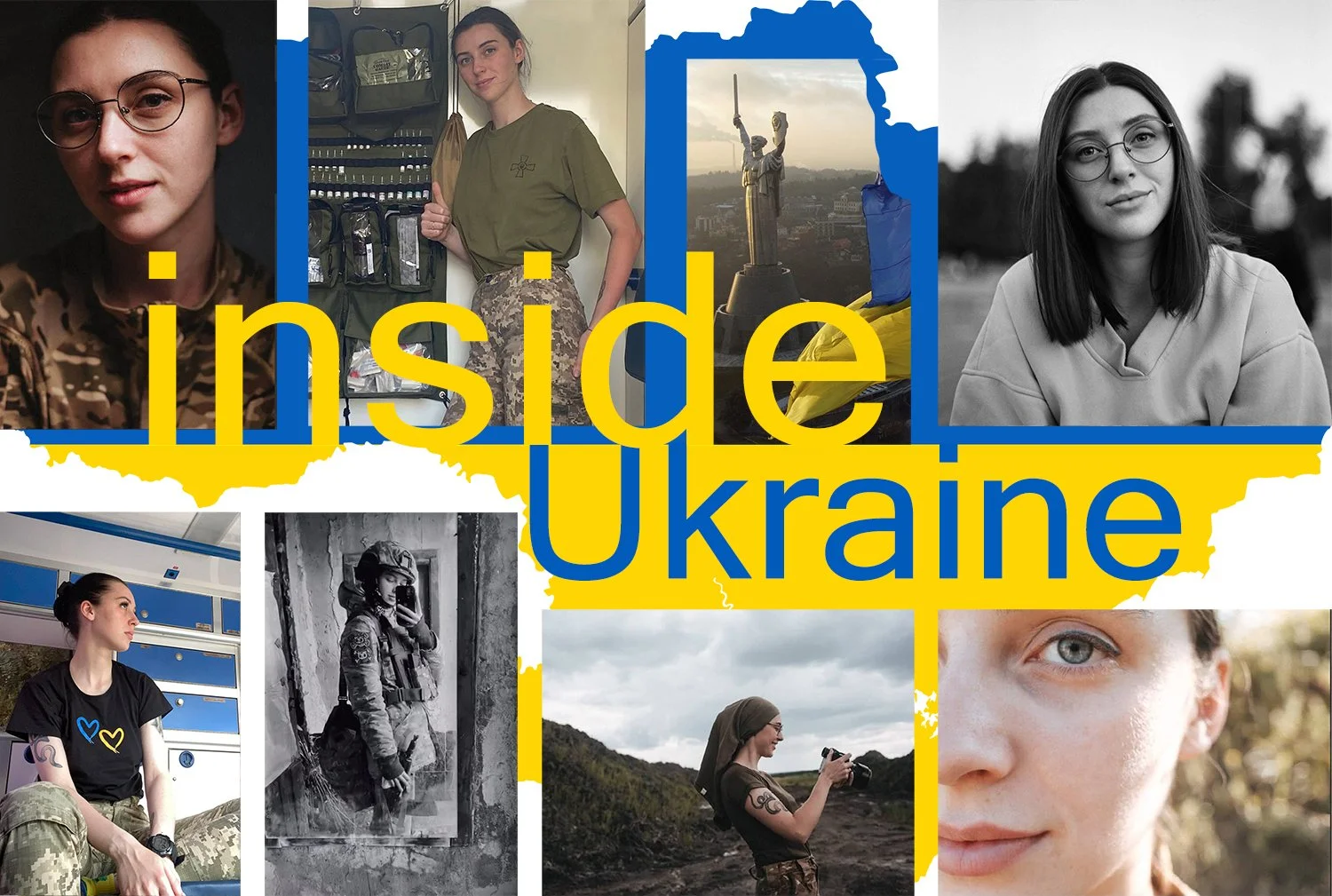
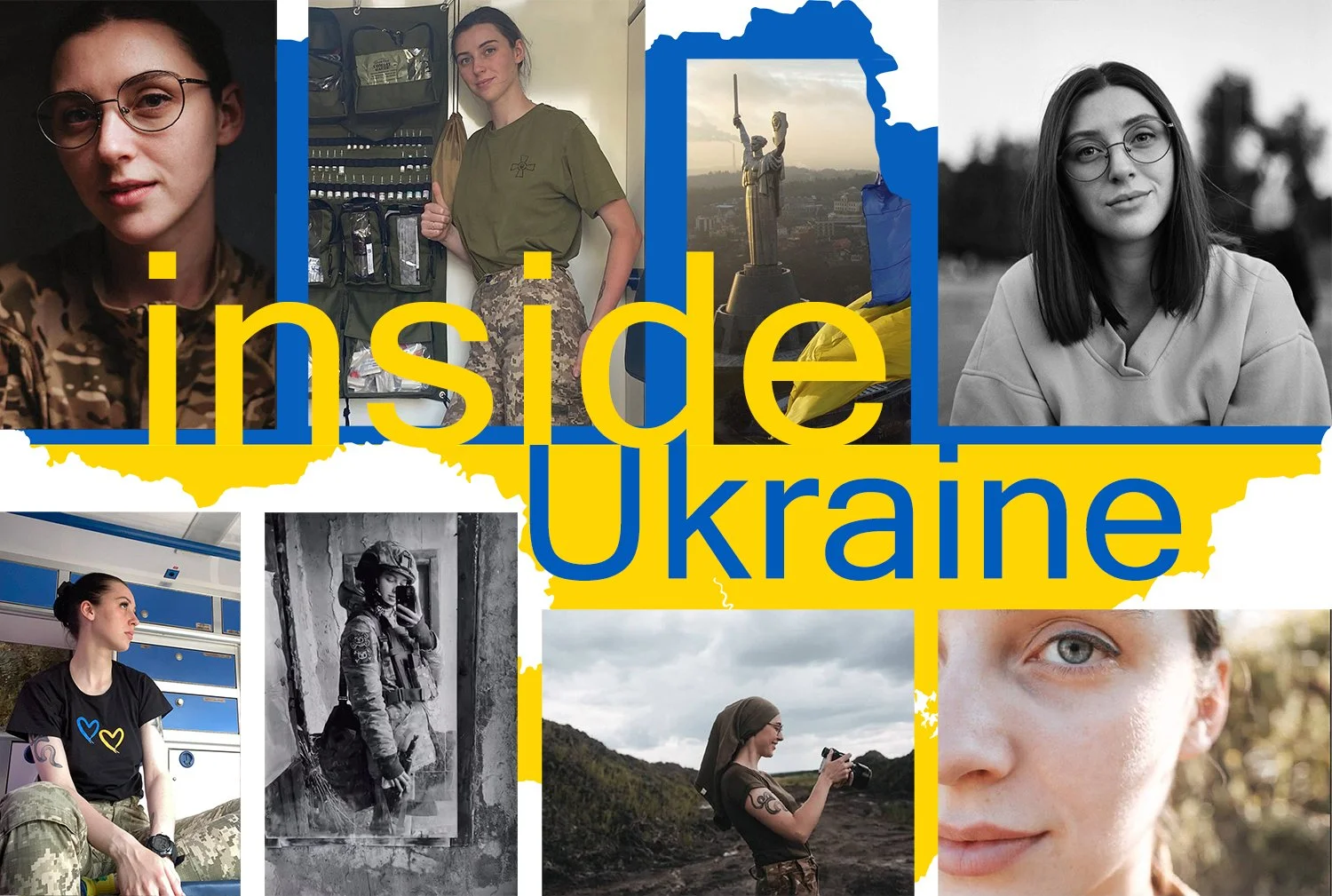
* All images and answers in the feature were provided by the WOW Woman, unless otherwise specified.
INSIDE UKRAINE SERIES: A SNAPSHOT, A DAY-IN-THE-LIFE, A GLIMPSE OF WHAT IT’S LIKE TO LIVE, RESIST, SURVIVE AND PERSEVERE IN A NATION UNDER ATTACK.
GLORY TO THE UKRAINIAN WOW WOMEN, FOR SUPPORTING THEIR COUNTRY AND BRINGING UKRAINE CLOSER TO VICTORY.
A question was posted to Ukrainians serving in the Armed Forces: “What was something that broke your heart in the military?” One answer stayed with me: “When the mother of a missing brother-in-arms calls, asking for any information about her son, and you know he was killed by russia but cannot tell her. We are not allowed to share anything until the investigation is complete.”
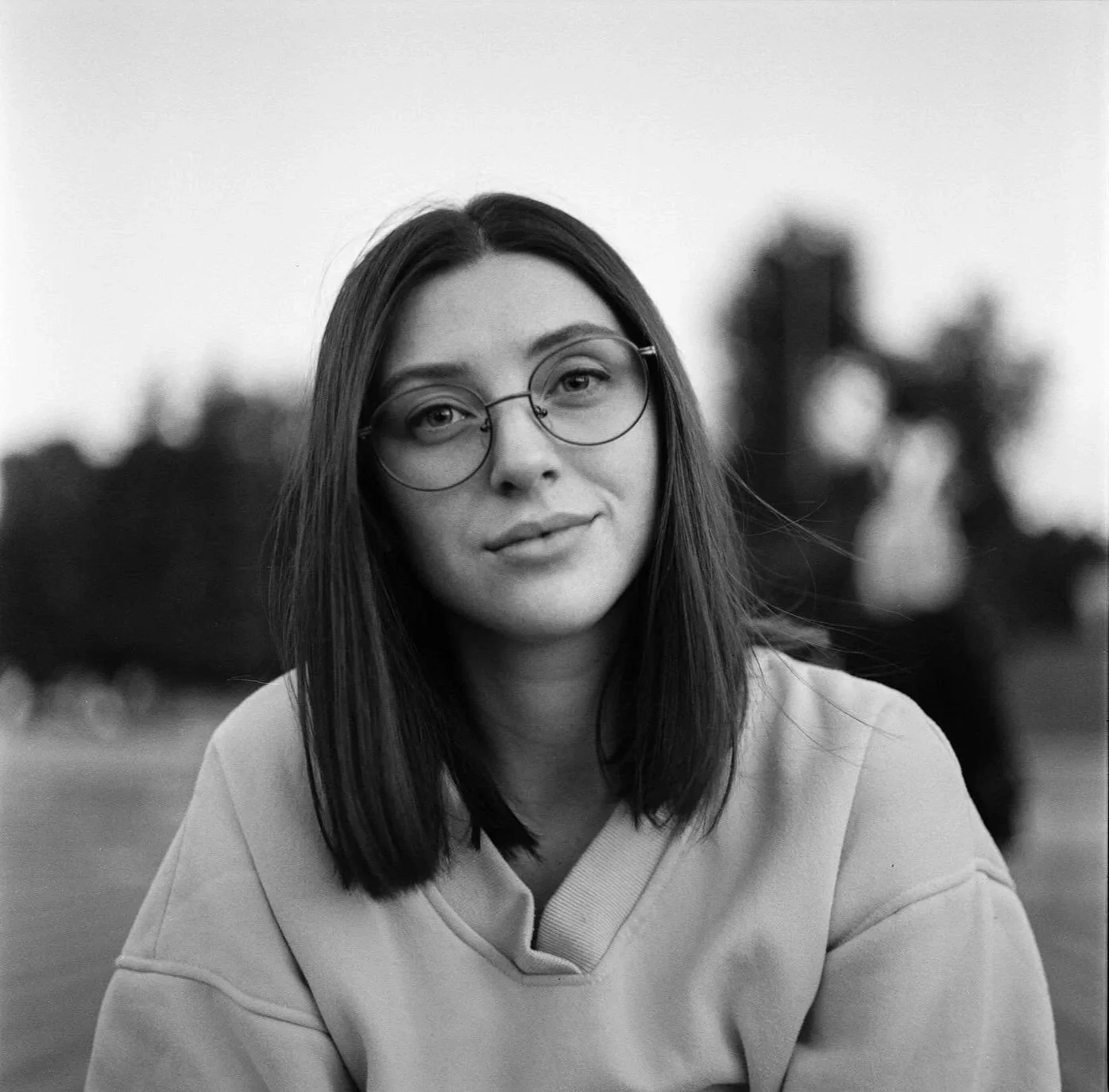
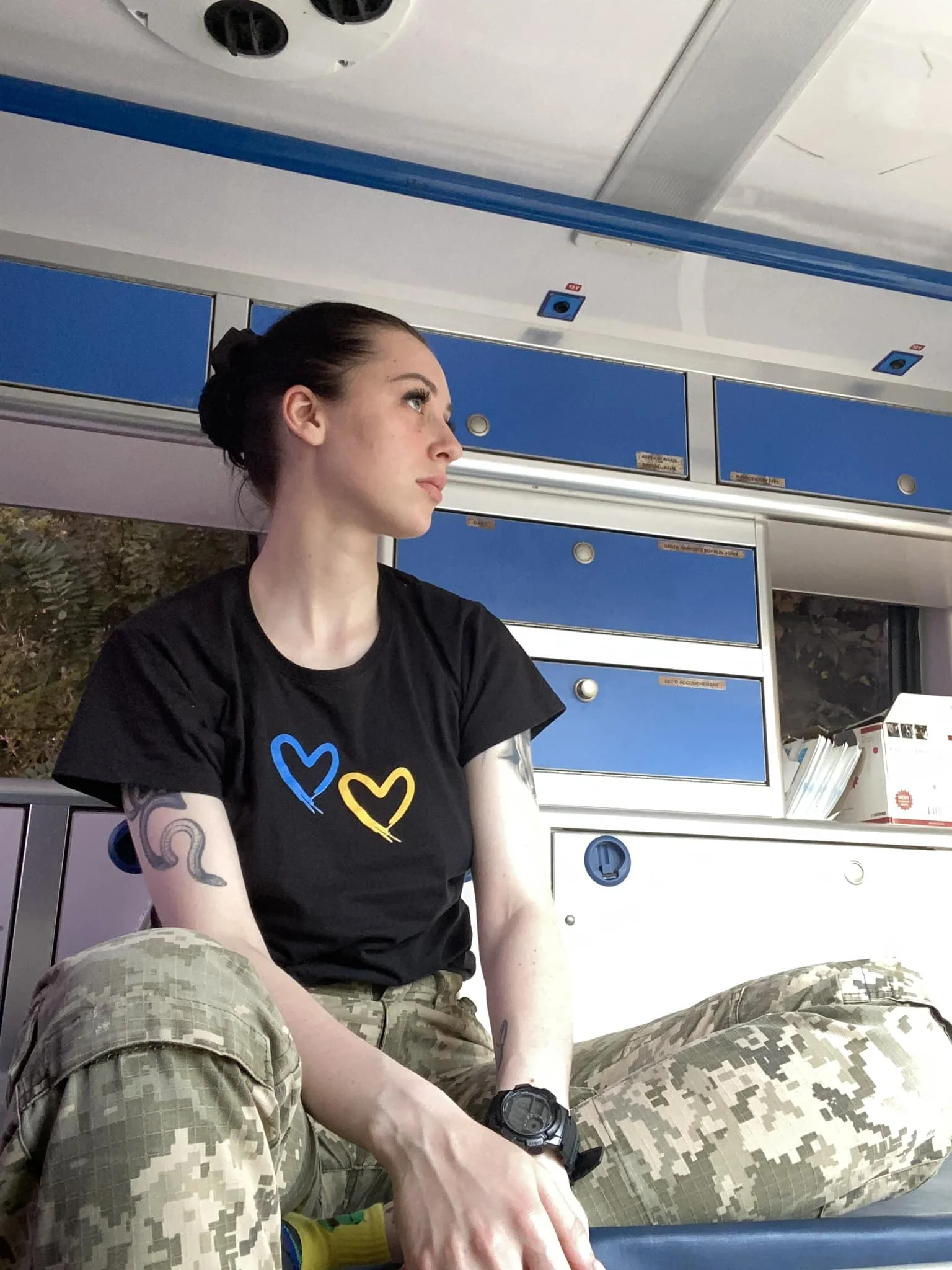
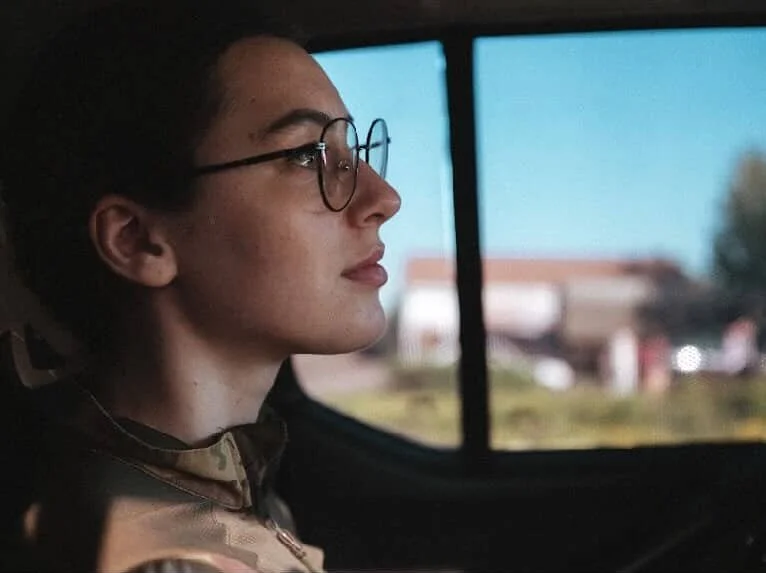
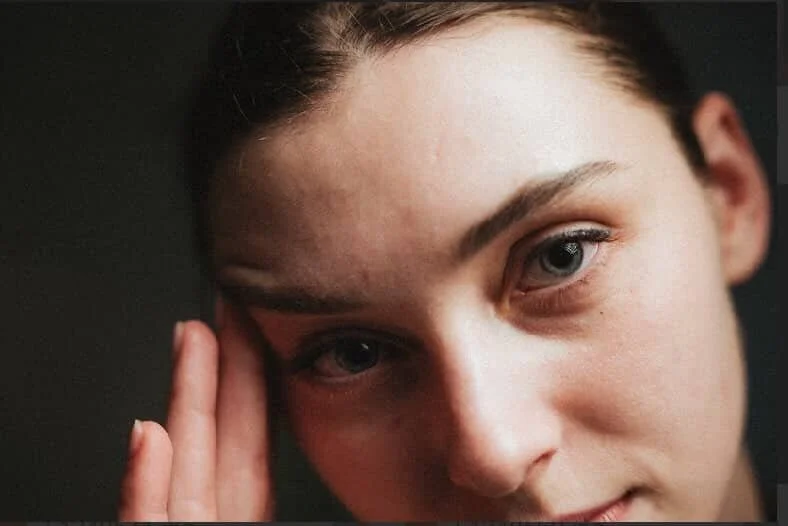
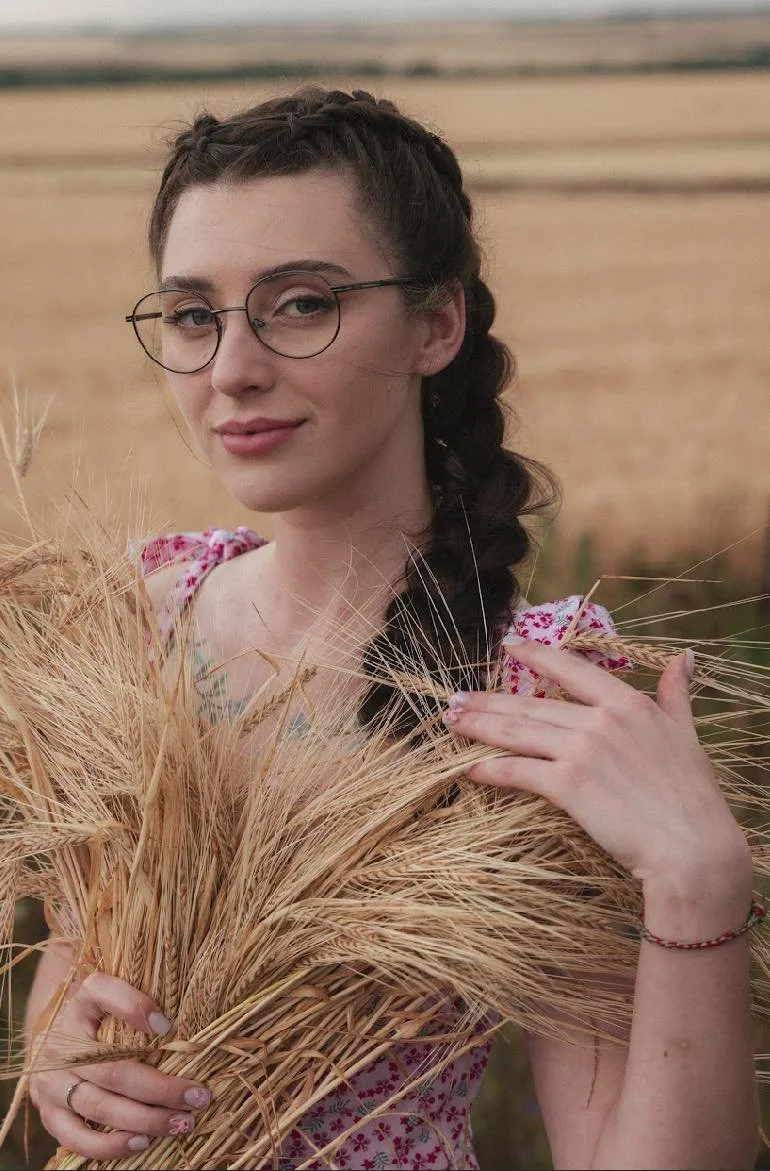
I clicked on the profile. It was a Ukrainian frontline medic, Olga Lysa.
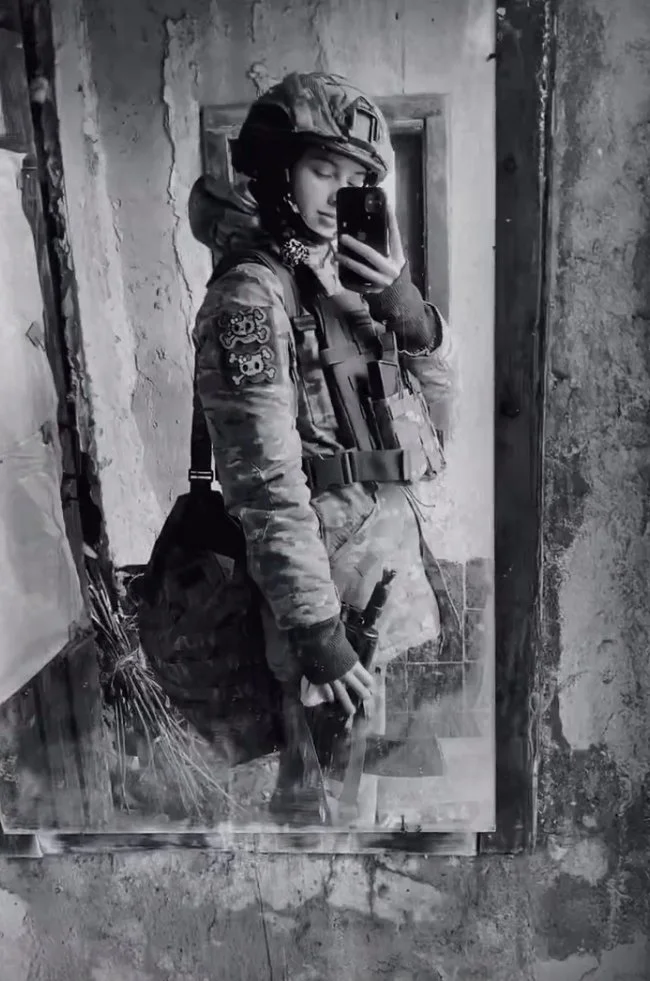
In 2022, when russia invaded Ukraine, Olga was nineteen and made a decision that changed her life. While many people her age were choosing universities and career paths, Olga chose to join the army. What may have begun as a young woman’s idea of heroism, borrowed from World War II films, became long days and over four years on the frontline in eastern Ukraine. Olga gave up having control over her time and gained the kind of responsibility where others’ lives depend on you. Olga is a combat medic and a hero; she treats the wounded, stabilizes them under fire, and fights to keep them alive. Through this work, she has earned the trust and respect of seasoned fighters.
Olga is twenty-three now. Life on the front can harden a person, which is why it is that much more touching when glimpses of the young woman show through Olga’s writing. She desperately loves and worries about her dog. She hopes for simple moments that most people take for granted: a peaceful night of sleep, time in nature, a moment of solitude. She dreams of being able to belong to herself again. Olga’s reality is different from ours; her humanity and hope bring me to my knees with gratitude.
Olga, thank you for your sacrifices and for the lives you have saved, the futures you have made possible with your courage. Your strength and your decision to keep going inspire me.
- Olga Shmaidenko, Founder of WOW Woman
Combat Medic, Undisclosed Location on the Front
1. Name.
My name is Olya.
2. Where were you born and where do you live now?
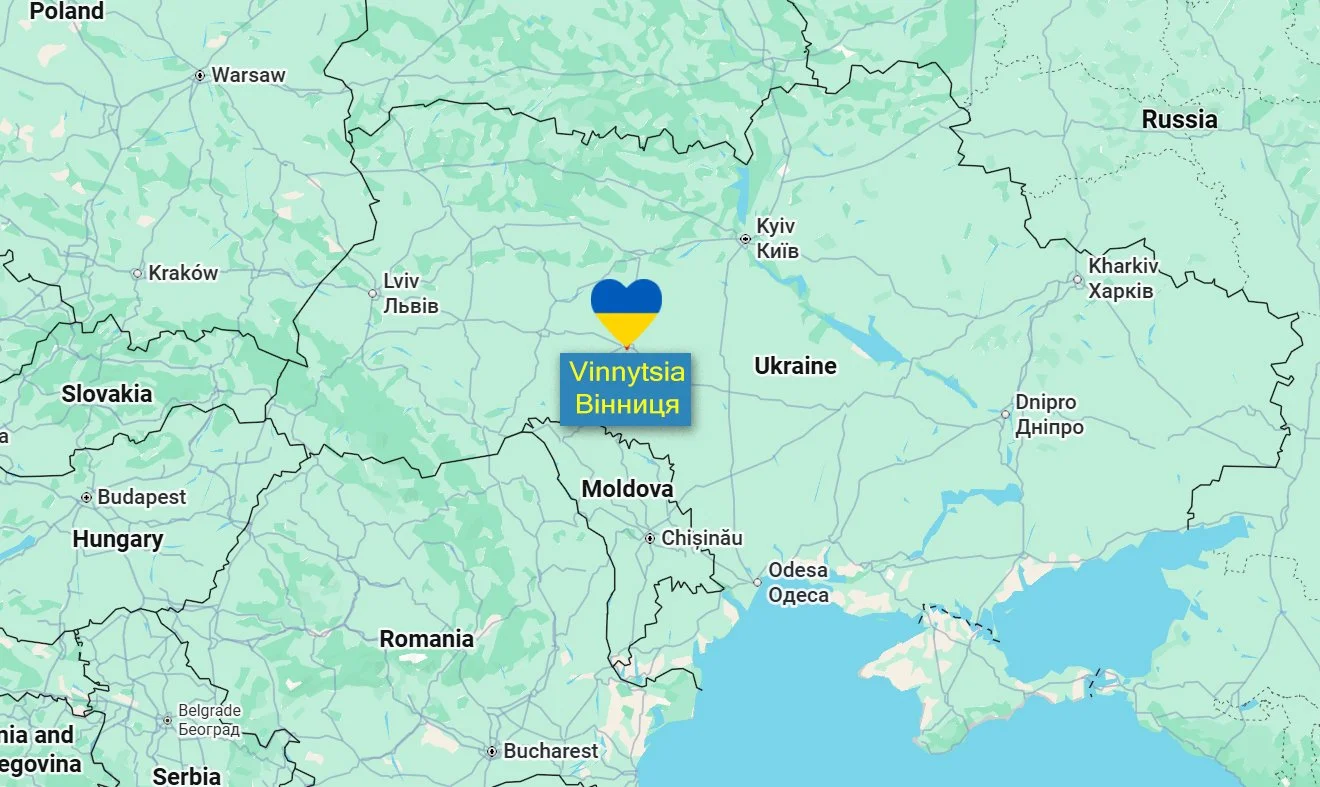
I was born in Vinnytsia, then at 18 I moved to Kyiv.
I had planned to live in Kyiv for a long time, but fate (and russian invasion) decided that I would join the Armed Forces of Ukraine and spend the next five years living in the eastern part of Ukraine (where we are fighting russian invaders).
3. What did you study and what is your current profession?
I studied food science and food production, but I currently serve as a medic. Additionally, I am studying at two universities and taking courses to become a software engineer and a paramedic.
4. What was your typical day like before and how has your life changed since the russian invasion of Ukraine? What is your typical day like now (if that’s even possible)?
I used to love getting together with friends at a café or bar after work or just walking my dog. In general, I always had a strict schedule and kept everything pretty regimented.
After the full-scale invasion, my life has turned upside down and, as a member of an active at-war military, my time no longer belongs to me. I do not have a clear schedule of what and when I can do things. I can’t plan or schedule time off. I don’t have a normal sleep pattern. I eat whenever I have a spare moment. I depend on other people’s permission, on their health and how they’re feeling, and when you’re on duty, you can’t even go to the toilet when you want to.
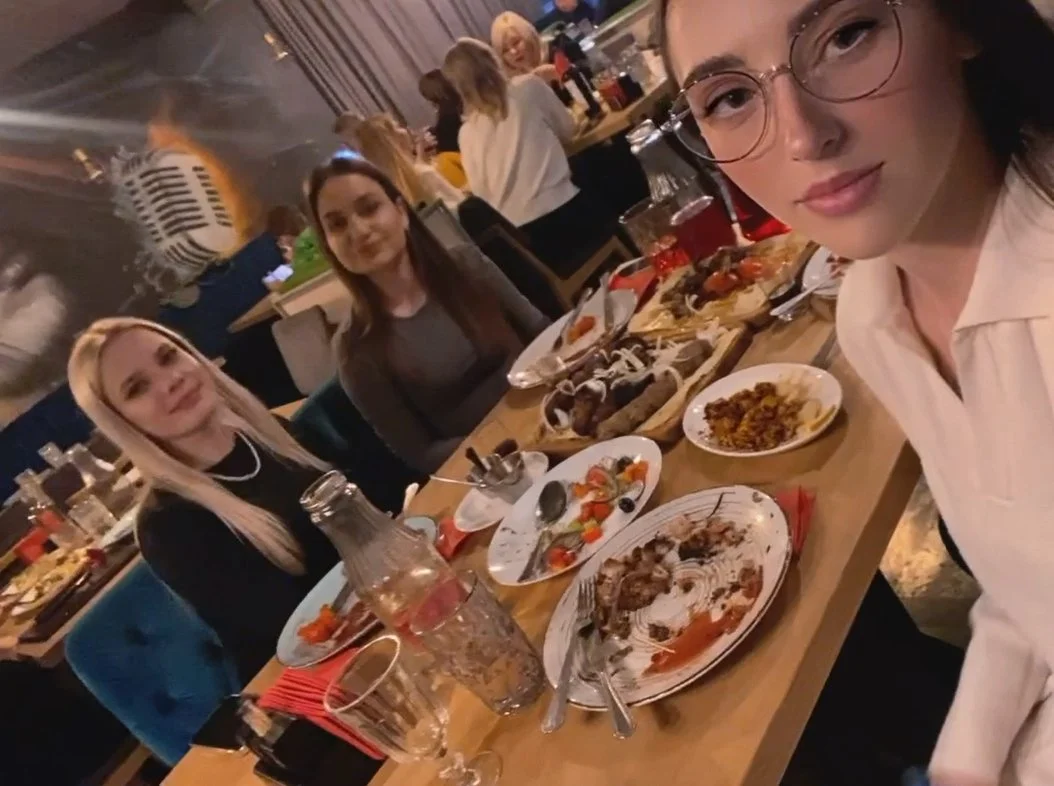
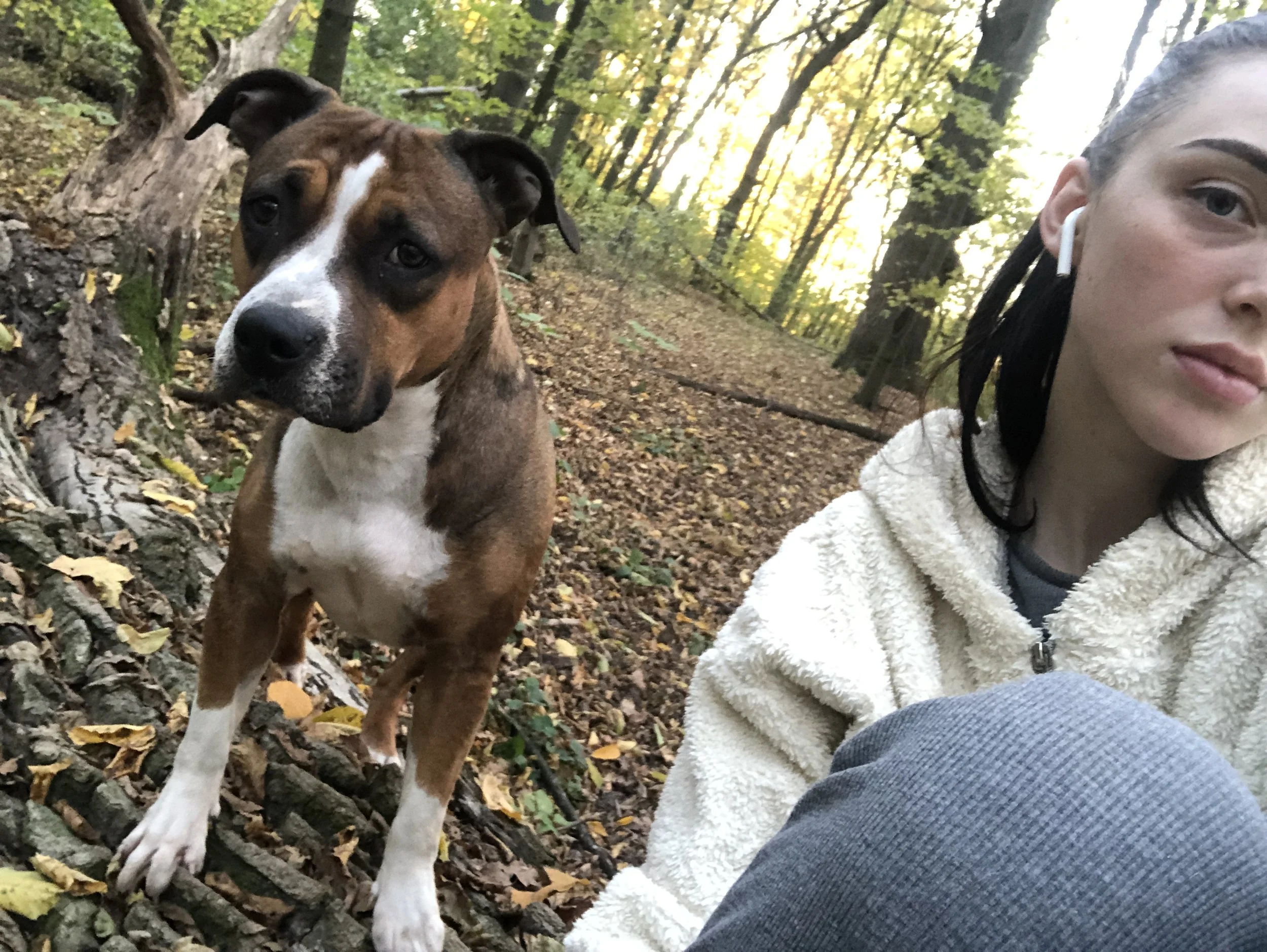
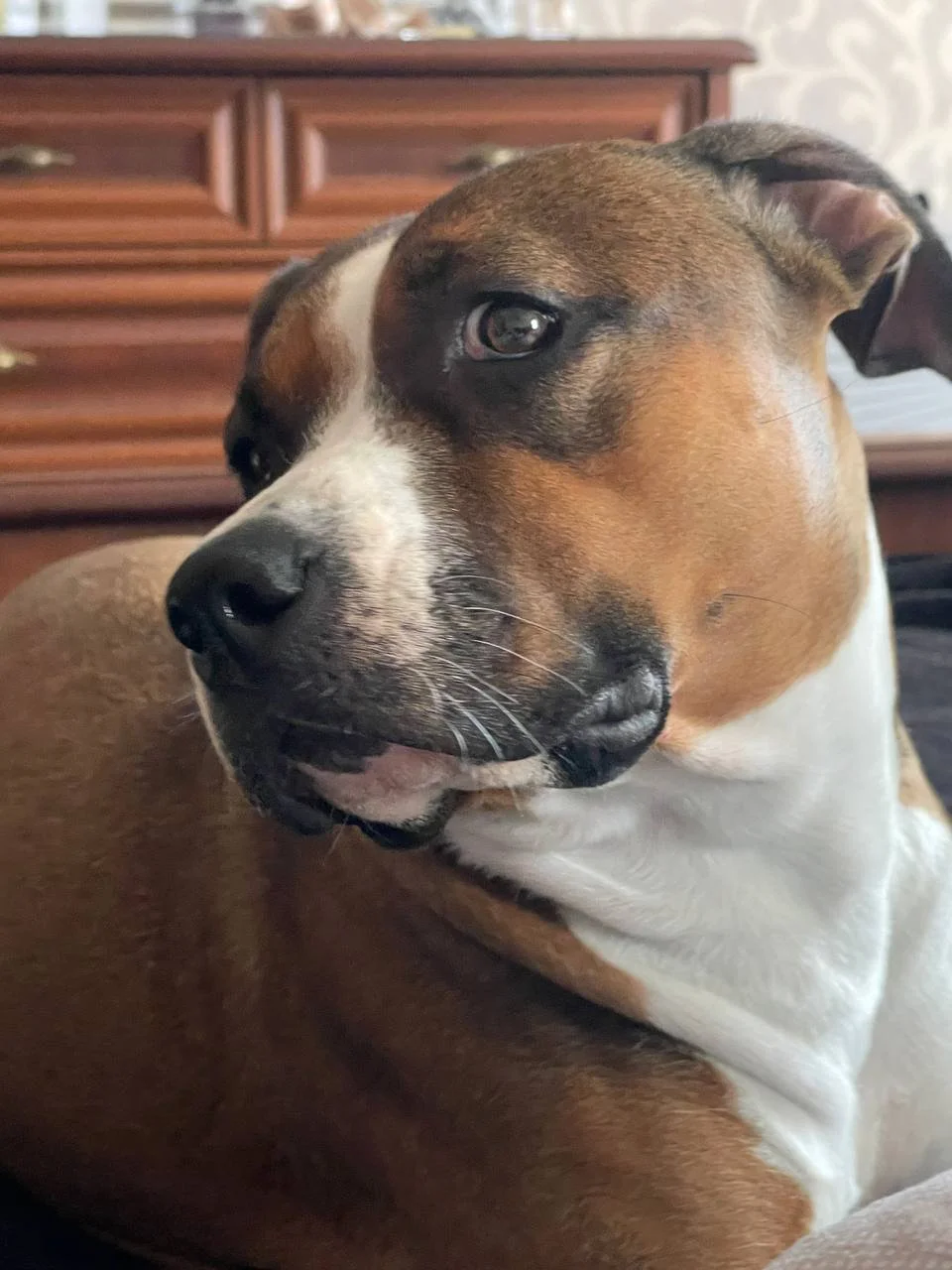
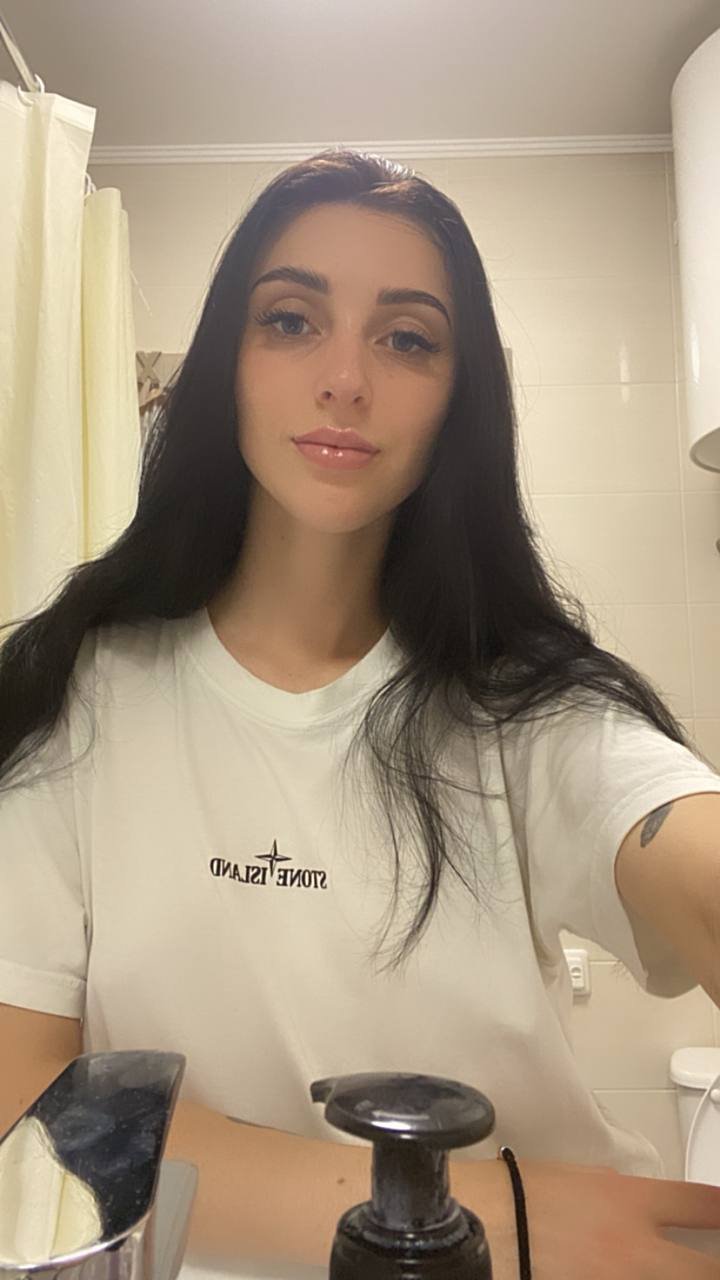
In the photographs: “Here are my friends and I sitting in a café before the full-scale war; we used to go there often – it was like a tradition for us to meet up about twice a week. There’s also a photo of my dog, whom I loved to walk and whom I miss terribly. There’s a photo of what I looked like before the war: a thin face, long black hair, with my eyelashes and eyebrows done. Now, unfortunately, that’s not always possible.”
“This is from the early days of the fighting where we had to treat people by attaching an IV drip to the clothing line on the washing line where the laundry was drying, because inside was full of patients and there was no space. It shows what our basement looked like—it was a collection point for the wounded, where we treated them before sending them on for evacuation.”
"This is what our basement looked like - a collection point for the wounded, where we treated the wounded before sending them onward, for evacuation. In that very same basement, the lads would make coffee from German ration packs and draw a heart with cocoa to cheer me up. We've been on duty for several weeks and the guys knew that I missed my local coffee shop so much.”
“The video where our brother-in-arms is in an “exotic” costume with an assault rifle – that’s how my friends supported each other with humour. We got the costume from a military volunteer; I remember that among donated items we found some worn-out women’s underwear and a Santa Claus costume, and we spent several days laughing about the fact that someone had sent them to the Ukrainian army as humanitarian aid.”
“This is how we sent the lads off for evacuation in a pickup truck, this very same wounded man is lying with us in a ruined building, waiting until we can move him for evacuation.”
“At that moment, the mortar crew were providing cover so our vehicle could drive up to the ambulance; as there had been enemy shelling beforehand, our driver was wounded in the makeshift ambulance – he was the first casualty I’d seen.”
“A photo where I’m wearing a huge helmet- that’s the original military kit they issued to me at the start of the war, and that was how ridiculous I looked in it because everything was far too big for me. Later I bought everything I needed myself.”
“This is a photo of me posing with an assault rifle; it was my first non-combat mission as part of a combat battalion. We were setting off on a 50-kilometre-long mission, and it was during this walk that I pulled a muscle in my leg, which made the walk back really difficult.”
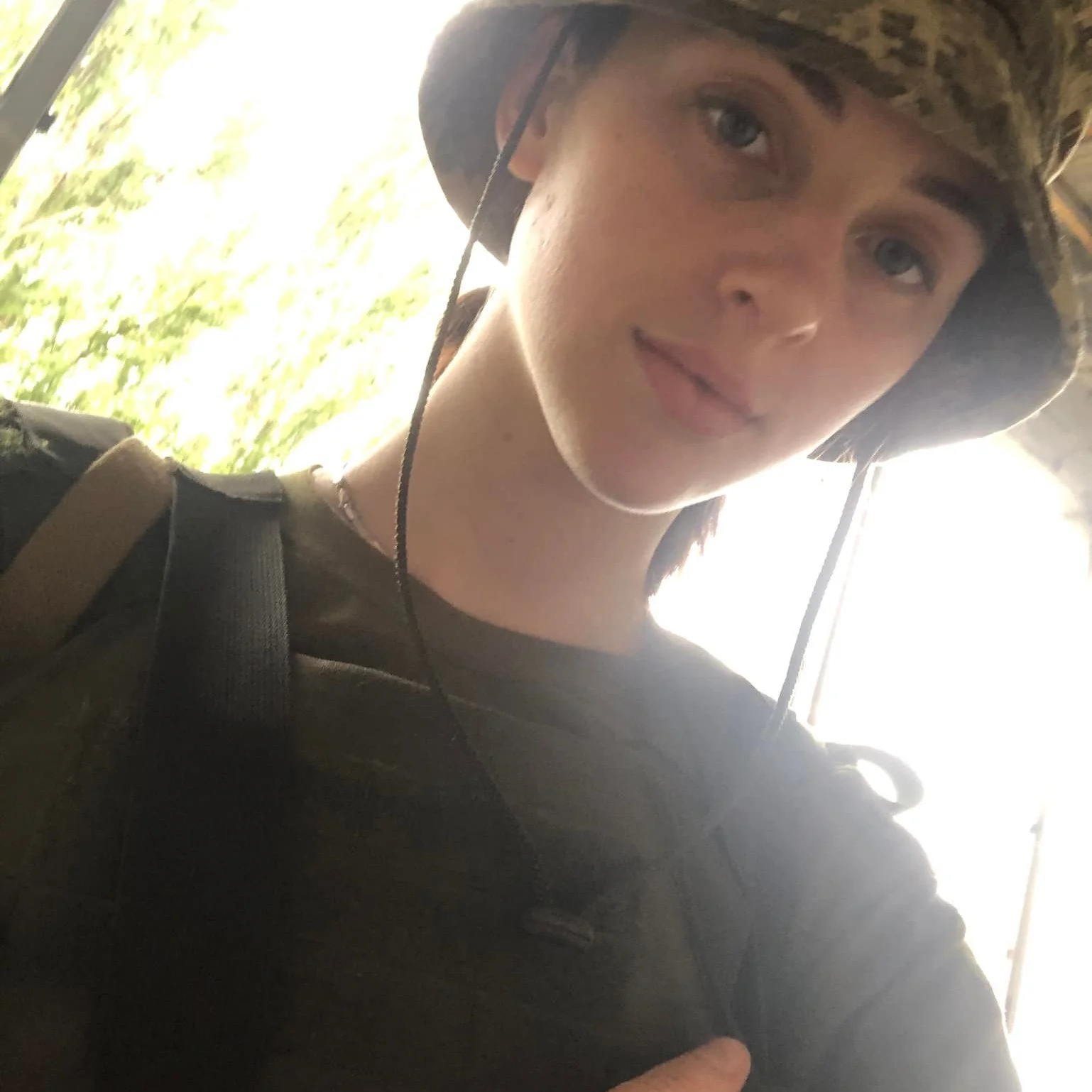
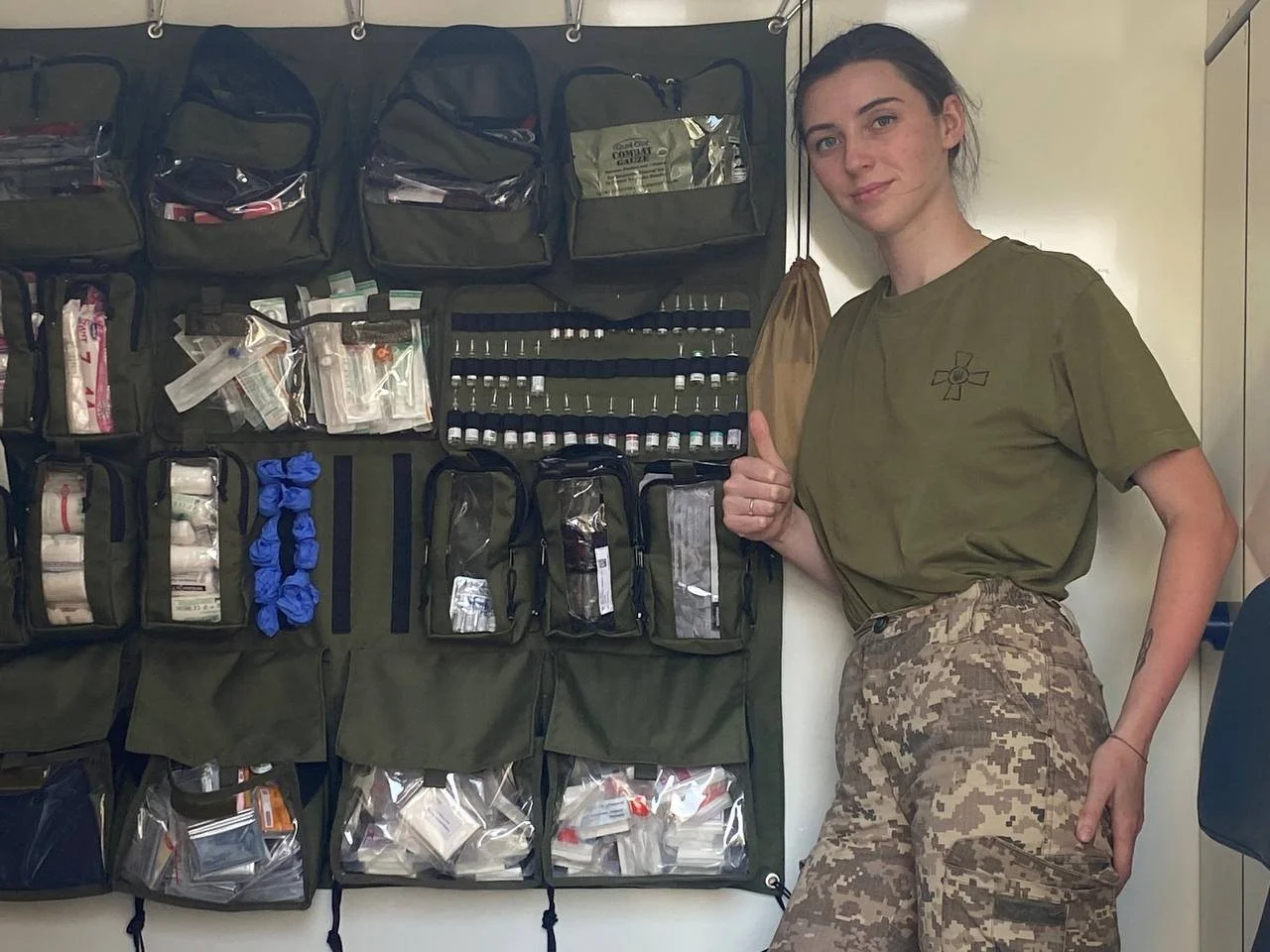
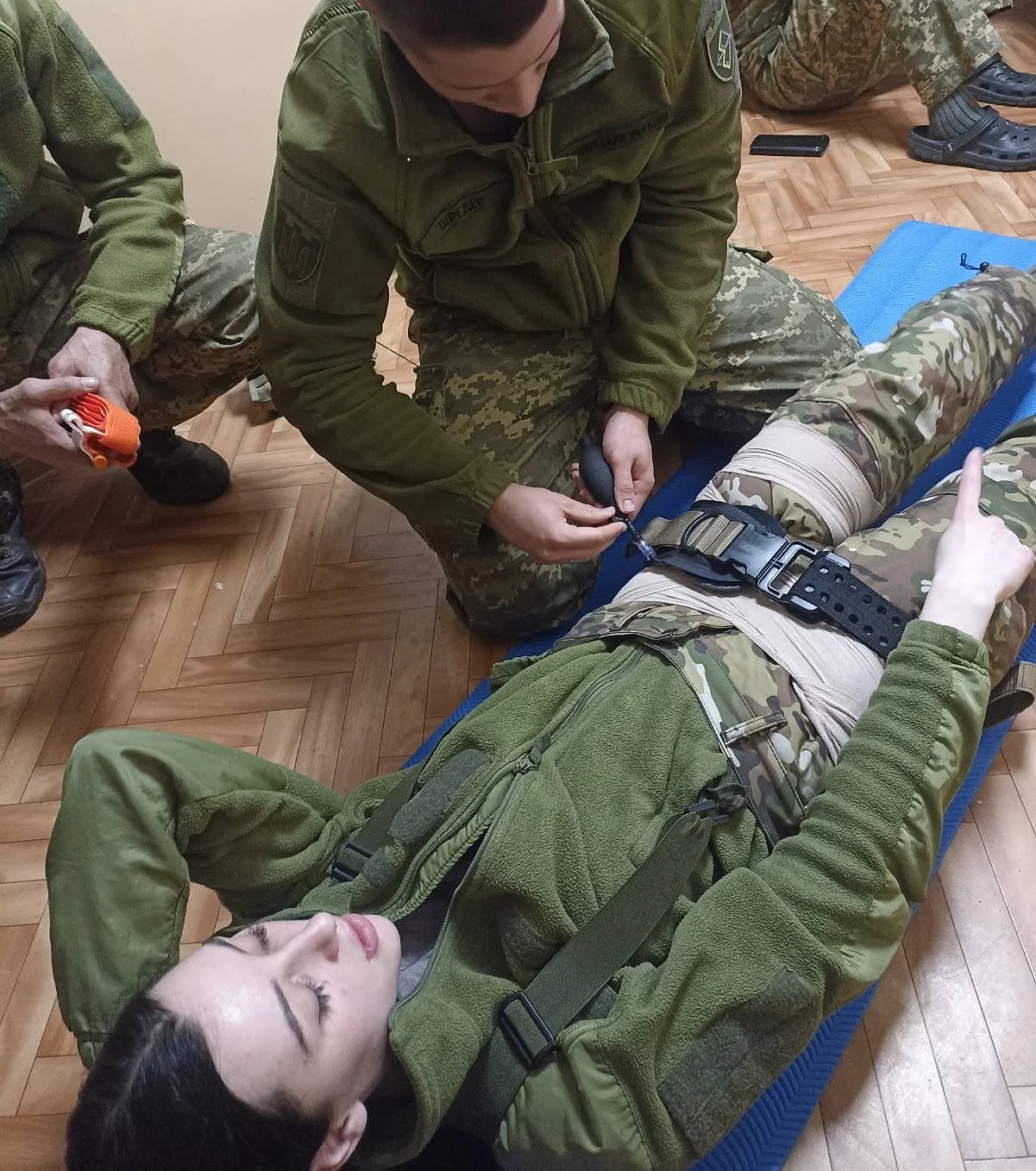
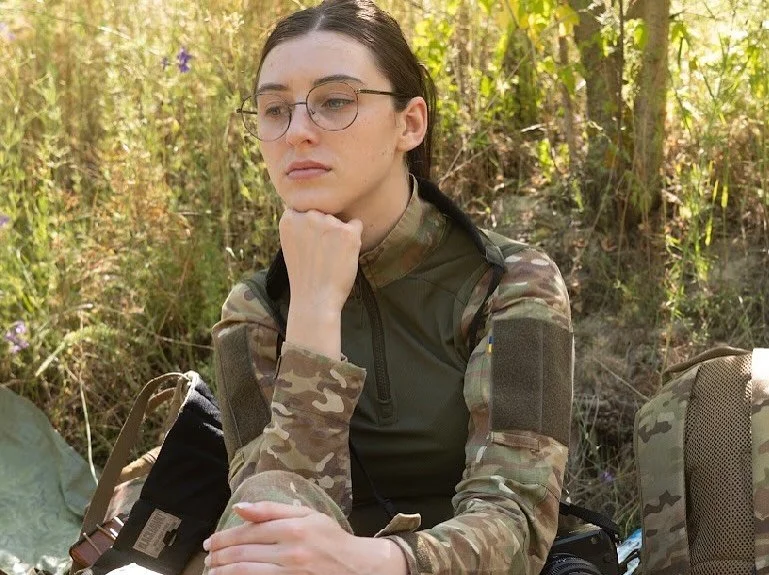
“These photos show how I’ve changed during the war, with a medical organiser in the background, and a photo of me lying down with a knot tourniquet. It was a training course I paid for myself, with what seemed like an absolute fortune to me at the start of the war , because I wanted to know more than what they were teaching us at the training facilities.”
5. Where were you and how did you find out about/sense the start of the russian offensive? What were the first days and weeks of the invasion and the bombings like?
My friends and I were celebrating a housewarming and heard a strange noise. It seemed like thunder, and we thought maybe the weather would get worse. So I got into a taxi and was heading home.
On the way, I saw people running somewhere with suitcases and bags. It didn’t look as though they were running late for anything, but more like utter chaos. It did not look like they were late, it looked like real chaos. I asked the driver if he knew what was happening, and his answer is still engraved in my memory: “What do you mean? The war has started. Russia is bombing us.”
So, when I got home to the other friends I was sharing a flat with, I told them the news. As we lived on the outskirts of Kyiv, we watched as in less than an hour a huge traffic jam formed leaving the city.
We were supposed to move to another apartment that same day, so there was panic about whether we should move and what to do next. We did not want to live separately, so we quickly decided to move anyway. That same day, my friend and I decided that we would join the military, while our other friend would take care of our animals.
The next day, after we’d moved all our belongings and spent the night in an underground parking garage because of the missile strikes, we went to a military unit to enlist.
6. What steps did you imagine before deciding to join the Armed Forces, and what was the reality?
When I came to the military unit and stood in a huge line, I was able to complete my paperwork. In my head, it was supposed to be like in movies about World War II, where we all run in trenches, shoot, and something explodes nearby. I thought I would immediately go into combat and become a big warrior and hero.
In reality, I had to prove that I could contribute, that despite being a woman I could do the job well.
Now I understand why they didn’t want to take me on: I turned up very thin, with long nails, at the age of 19 and with a hugely rose-tinted view of war. I was told that my help wasn’t needed and that ‘my place’ was at home, having children, washing socks and cooking borscht.
To stay in the service after all, I initially took a post as a clerk in the logistics department, and quickly got an automatic rifle so they wouldn’t send me home; that’s how I stayed in the service.
After a month, I managed to transfer to a combat unit into a medic role. After taking my first tactical medicine course, I became very interested in this direction. But the transfer was long, and even after four months, getting into the unit I wanted did not guarantee participation in combat.
They were very protective of me in the unit and treated me like a child; I was the youngest whilst the men were already in their 40s, and I had to prove that I was worth something as a medic. I found new courses in tactical medicine; most often these were private courses that I paid for out of my own pocket, so that I could constantly develop in this field.
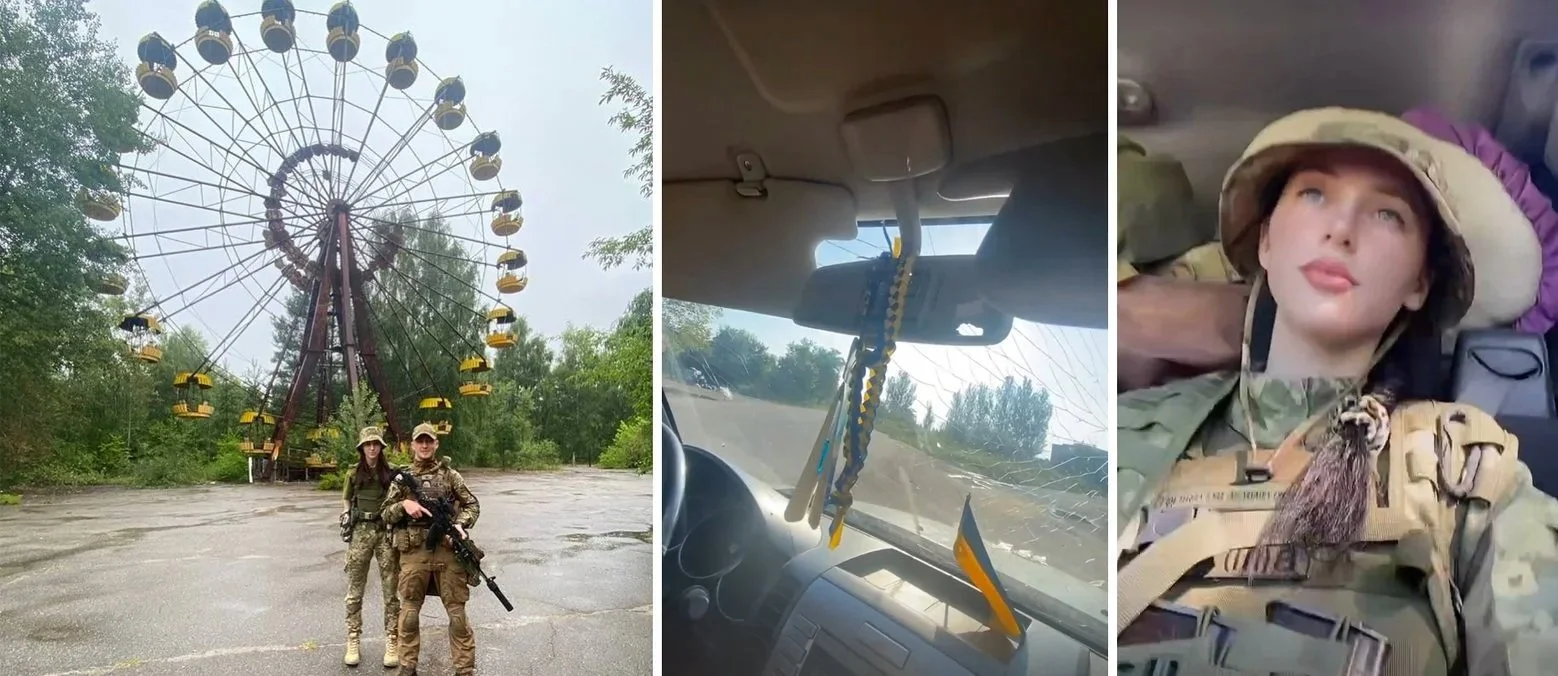
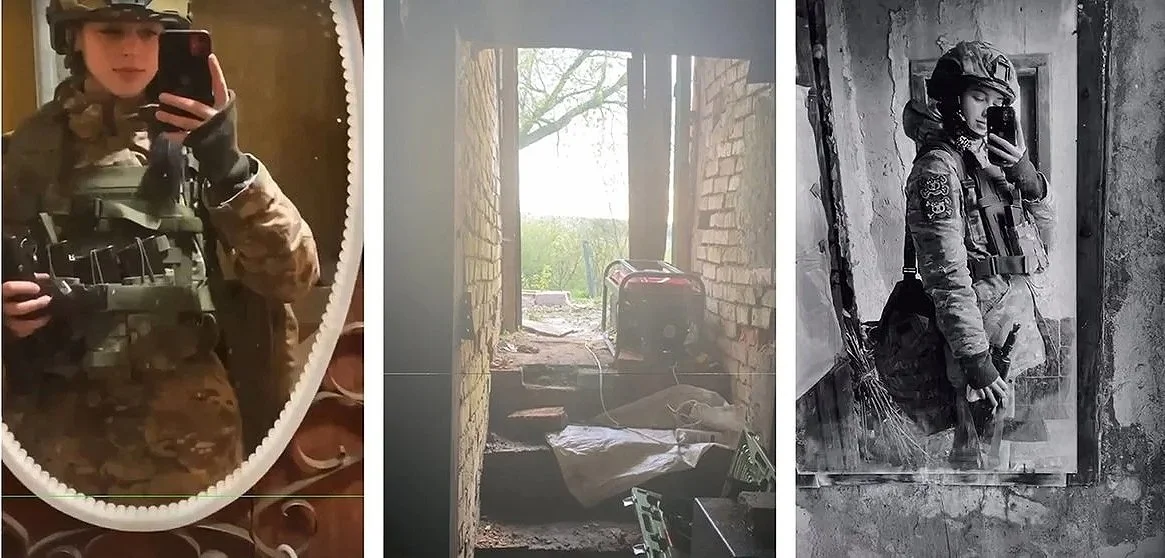
When I first had the chance to go on a non-combat mission with my unit, I showed that I could do things on a par with the others. I remember a 50-kilometre march I ended up on, and on the way back I pulled a muscle in my leg, but we still had another 15+ kilometers to go. I was walking with tears streaming down my face from the pain, but I did not let anyone carry my body armor or rifle or help me, even though the guys wanted to. I wanted to prove I was not a burden.
A few days later, we went on the same mission again, and my leg got injured again. So the third time around, I took painkillers with me just in case. Fortunately, I did not need them. After that, respect and trust within the unit started to appear, which later opened the path for me to participate in combat.
7. What do you consider to be your strengths and superpowers?
I think my strengths are persistence, great communication skills and empathy. These days, I am often sent to represent the unit in meetings to negotiate, whether it is finding housing or coordinating with other brigades about evacuations.
8. What is it like working all day mainly with men? Do you ever come across women who are also serving?
Truthfully, I get drained from being constantly surrounded by people, so when I have the chance to be alone, I choose to slip out of sight and avoid unnecessary communication, regardless of whether it’s a man or a woman.
I meet many women who work brilliantly and achieve incredible results, just as I do with men. We might have the usual domestic squabbles, like who doesn’t tidy up after themselves, but never because of work.
9. How do you look after yourself? Is it even possible to remain mentally stable in wartime? What exactly helps you pull yourself together?
Because I have rotations (time off and on service), I enjoy going to the cosmetologist to keep my skin healthy. During my leaves, I make sure to get massages and a full health check-up to prevent any serious illnesses. I also spend time with my dog, and that keeps me going, even though mentally it sometimes feels like I’m losing my mind.
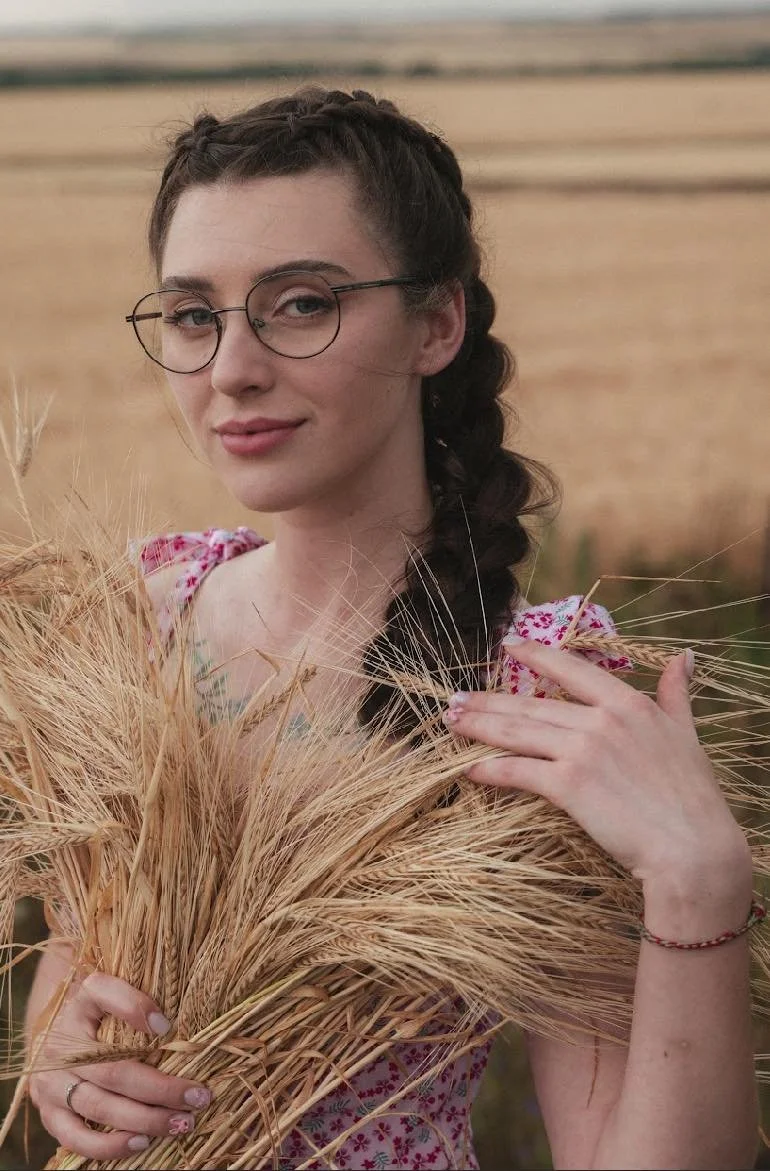
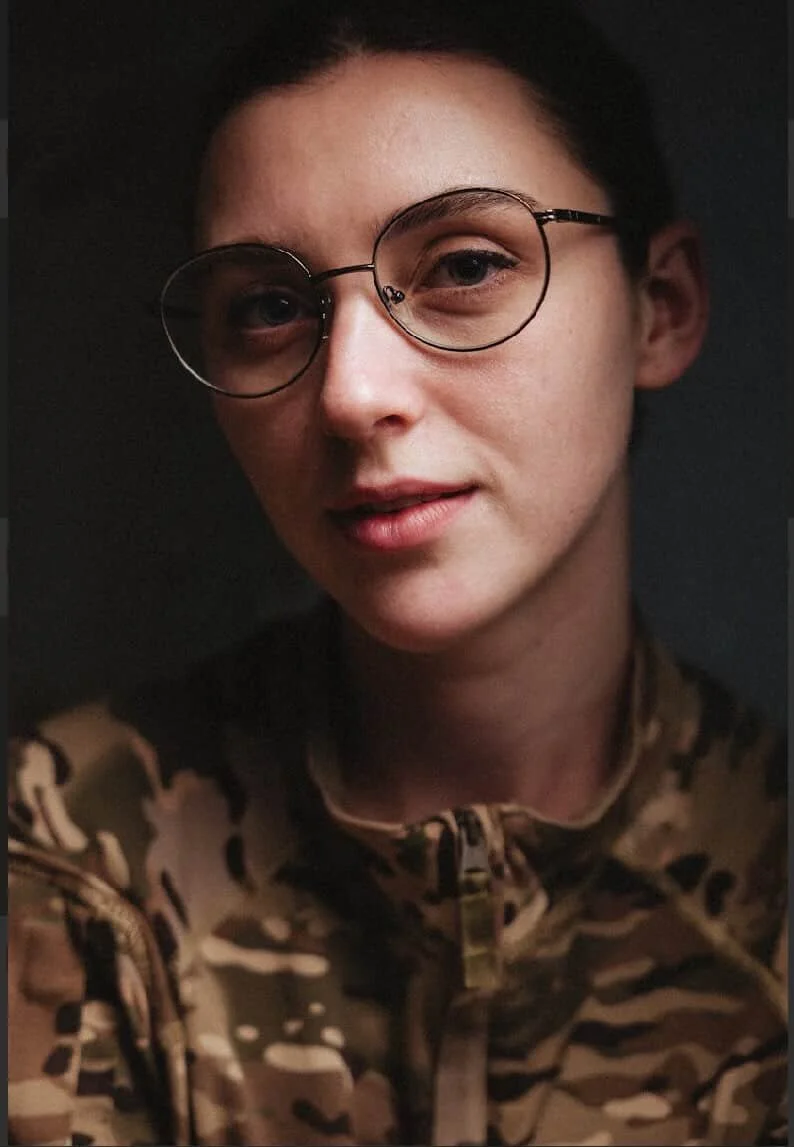
10. Where do you think you draw your courage, confidence and determination from? What do you think has given you this sense of confidence? Are there moments when you wake up and just want to scream and run away?
Of course there are moments when I want to cry out of helplessness, run home, lock myself in and never come out again. I then realize that into my fifth year of this full-scale war, I have experience that newly mobilized soldiers do not yet have.
I had time to adapt to how quickly the conditions of war change. They did not. The war in 2022 and in 2026 are completely different. Mistakes in combat are not forgiven. They can cost you your life.
11. Do you feel that the war has changed you? In what way? Have you surprised yourself in your country, in your ideas about humanity, in your attitude towards the world? What has been a revelation for you?
Yes, it has changed me; I’ve become more responsible, more composed, less flighty. When you come face to face with your first fallen comrade, you start to re-evaluate your life.
In war, I realized that being happy is a skill you have to constantly practice. Being happy is a choice; my brothers and sisters-in-arms helped me realize this. Even in the midst of something horrific, they seem to be able to always find some light.
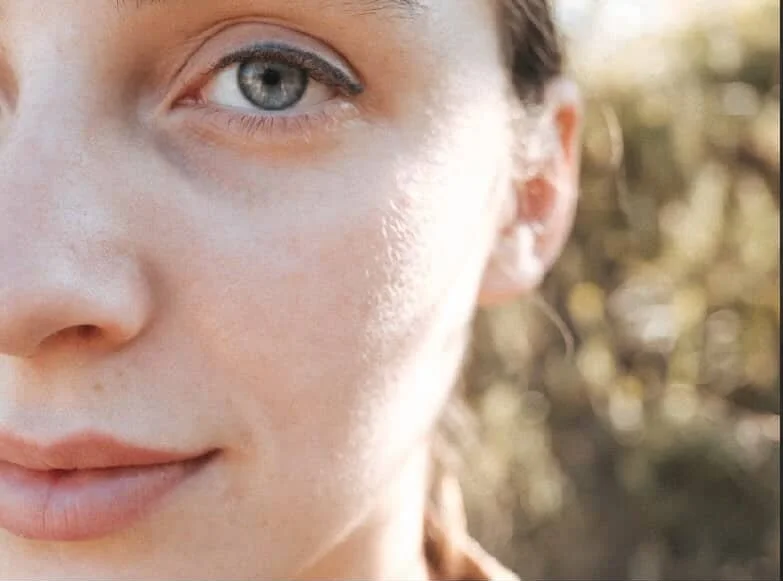
12. For those who don’t know or don’t understand – what is it like to entrust your life entirely to your brothers and sisters in arms? How would you describe your relationship with them?
If you’re in the same unit, you usually have time to talk, get to know each other, understand someone’s background and experience, and form an impression of who they are.
When you’re working with a neighboring battalion where you don’t know anyone, you don’t really have a choice but to trust them automatically. You see that they’re there with you, in combat, doing the same job, helping the country. That shared purpose is what connects you.
When someone comes to you for evacuation, even if they’re not from your brigade, you don’t stop to think, “I don’t know this person, so I won’t help them.” Their life has the same value as yours.
They, in turn, trust you with their life because they see that you care, that you’re doing everything you can to help them survive, treating them, calming them down along the way.
If you end up back on the battlefield again and get wounded, you already know what matters most: just make it to the nearest medic, and from there, they will take care of you.
13. A soldier’s mother found your number on the frontline and called you to find out what happened with her son in the army. You knew that he was killed by russia, but couldn’t tell her. Can you tell me more about this hero now and what happened? Have you broached this topic with your family, who must be worried about you?
He had been at his post for two months. During the shelling, he panicked, crawled out of his shelter and tried to move, but was wounded. Because the shelling continued, it was impossible to reach him quickly, and he died. It was terrible - he was such a young lad. They couldn’t retrieve his body because when the guys went out to get him, they were wounded too, and it was more important to save those lads’ lives and not take any risks. His mum found my number somewhere and rang to find out at least some information, but we’re not allowed to say anything until there’s confirmation from the official services. When I first encountered this, I was 23, and before I’d even arrived by train in Sloviansk, I was already being called by the parents of the fallen lads, asking me to find out at least some information about them. Some parents offered money for us to try and retrieve the body of the deceased; the worst thing you can do is take money from a family who have lost a loved one just to bring the deceased home. Once we’d managed to liberate some of the territory, we were able to collect the bodies.
Back in 2023, we could quietly say that a person had indeed died but we couldn’t retrieve the body yet, but people’s attitudes towards the army changed drastically over time. Back in 2023, it wasn’t the case that people would curse you over the phone, shouting expletives – at the comrades and the command – that the country was finished and the government was so bad that he had died fighting for the MPs. These are the current narratives. Almost everywhere now, families react this way. It’s as if people have forgotten who the real enemy is. If it weren’t for the russian invaders, people wouldn’t have ended up in the army, wouldn’t have been wounded, and their homes wouldn’t be getting bombed. That’s why I don’t feel like talking to my family right now. As someone who volunteered at 19 to protect myself and my family, how am I supposed to hear that I’m fighting for MPs and that everyone here is so bad?
After taking all this on board, my mum has made clear arrangements in case I don’t get in touch for a long time or if I’m killed: everything that needs to be sorted out with the paperwork, and who she’d like to see at my funeral. She said that if any of our relatives say I died defending MPs, I give permission for that person to be buried alongside me. No soldier defends MPs; that sounds utterly disgusting. We all have families and friends; we all have hopes and dreams of a bright future. That is what we are defending. I also asked my mum not to mourn for too long but to sort out the benefits straight away, regardless of whether I’m dead, in captivity or missing, and to decide how to use them. We can grieve later; this way, at least I’ll be at peace knowing my family will be financially secure, because my dog has allergies and the tablets are quite expensive – they won’t be able to afford to spend that much on the dog every month, and I’m very worried about her.
14. What do you want the world to know about Ukrainians at this moment in time? About Ukrainian women?
Ukrainians today are people who know how to hold their own, even when the world around them is falling apart. We did not become strong through fine words. Life, circumstances, pain, loss, and the constant need to keep moving forward, even when it is scary, have made us this way.
I would like to say something special about Ukrainian women. Many people abroad seem surprised by our character and strength. Ukrainian women are used to taking responsibility, managing their lives, and holding together their homes, work, children, and loved ones, while never allowing themselves to break down. This is not because it comes easily to us. It is because we grew up in an environment that taught us to be resilient, determined, and strong.
Our strength lies not only in our ability to endure. Even in the darkest times, we continue to live, love, create, support others, and flourish. This is what I am most proud of: Ukrainian women did not break. They have become even stronger and more beautiful in spirit.
15. Which WOW women inspire you?
Every woman in the military is my inspiration; whatever her role, I am proud to have such sisters-in-arms.
16. What place or activity makes you happiest?
My home and spending time with friends; I really love getting together for barbecues at my parents’ house with my friends. When we’re all together, I feel very happy.
17. What will you do first when Ukraine wins? What do you dream of for yourself and your family once the war is over?
The very first thing I will do is bring my dog back from my parents and spend a few days alone in my apartment, allowing myself to emotionally recharge.
After that, I will visit the graves of my comrades and drive through the towns in the east where I once lived and the places we defended. Donetsk Oblast is incredibly beautiful. These landscapes will stay with me forever.
18. In your opinion, how do russians as a people differ from Ukrainians? Were we aware of these differences before the full-scale conflict? Were we in a state of denial?
I was not someone who distinguished between our nations before the full-scale invasion. I was a huge fan of russian singers. From about fifth grade, I listened to and shared their music. I mostly spoke russian with my friends. During the Maidan, nothing truly clicked for me, while for others it became a moment of strengthened civic identity, cultural revival, local self-organization, and a more mature sense of citizenship.
My moment of realization came when the first person was wounded. When someone you live with, work alongside, and run errands with is injured, everything changes. I understood then that I wanted nothing to do with the enemy.
Only later, after rejecting everything russian, did I begin to clearly see the differences. Ukrainians value freedom, dignity, and the right to make our own decisions. russian society has historically been more accustomed to submission, to force, to a vertical power structure, and to imperial thinking.
We could see these signs even before 2022, but many of us did not want to fully accept how deep the difference was. The full-scale war shattered those illusions completely.
19. What justice do you want regarding punishment for russia?
I often think about what kind of punishment would be fair. To destroy them as a state? They are already spreading across the world under new passports, so perhaps it is better if they remain in one place.
Reparations? That may help those who have lost homes and businesses. But what about those who have lost their loved ones? Can anything truly compensate for that? No.
I do not know what would have to happen for me to say that justice has been served, or how to punish those who feel no remorse.
20. Do you believe that people who left Ukraine during the 2022 refugee wave, or those Ukrainians who have been living abroad for decades, bear a certain responsibility towards their homeland (in the form of advocacy, donations, fundraising, or action)?
Yes, there is a certain responsibility. But not in the sense of coercion or shame, but in the sense of maintaining a connection to the homeland. If a person left in 2022 (at the start of the full-scale invasion) or has been living abroad for a long time, they do not cease to be part of Ukraine simply because of their new country of residence.
When your country is at war, a moral responsibility naturally arises not to turn away. For some, that means donations. For others, it is advocacy, volunteering, spreading the truth, attending protests, helping Ukrainians on the ground, or simply keeping Ukrainian voices alive abroad.
At the same time, I do not believe everyone should be measured by the same standard. People’s circumstances are different. Some left with children, traumatized and without money.
So I would say this: there is a responsibility, but the way it manifests itself can vary. It doesn’t have to be heroic, but it must be honest.
The worst thing is not living a full life abroad (and feel guilty all the time). The worst thing is to use the distance as an excuse to cut yourself off completely from Ukraine, whilst others are paying an immeasurably high price for its existence.
21. Where can others find information about you/your activities? (links to your website, social media pages, etc.).
Instagram: @Goldsummerr
ЦЯ ІСТОРІЯ "INSIDE UKRAINE" - З ПЕРЕДОВОЇ.
* Всі фотографії та відповіді в матеріалі були надані WOW Woman, якщо вказано інакше.
СЕРІЯ INSIDE UKRAINE/ВСЕРЕДИНІ УКРАЇНИ: МОМЕНТАЛЬНИЙ ЗНІМОК, ОДИН ДЕНЬ З ЖИТТЯ, ПОГЛЯД НА ТЕ, ЯК ЦЕ - ЖИТИ, ЧИНИТИ ОПІР, ВИЖИВАТИ І НЕ ЗДАВАТИСЯ В КРАЇНІ, ЯКА ПЕРЕБУВАЄ ПІД ЗАГРОЗОЮ.
СЛАВА УКРАЇНСЬКИМ ВАУ-ЖІНКАМ, ЯКІ ПІДТРИМУЮТЬ СВОЮ КРАЇНУ І НАБЛИЖАЮТЬ УКРАЇНУ ДО ПЕРЕМОГИ.
Українцям, які служать у Збройних силах, поставили запитання: «Що у військовому житті розбило вам серце?» Одна відповідь особливо запам’яталася мені: «Коли тобі телефонує мама зниклого побратима бо шукає хоч якусь інформацію про сина, і ти знаєш що він загиблий та не можеш про це їй сказати. Не дозволяють розповсюджувати інформацію».
Я переглянула профіль. Це була українська медичка на передовій, Ольга Лиса.
У 2022 році Ользі було дев’ятнадцять, коли росія вторглася на територію суверенної України. Не сумніваючись, вона прийняла рішення, яке змінило її життя. Поки багато людей її віку обирали університети та кар’єрні шляхи, Ольга вирішила вступити до армії. Те, що, можливо, почалося як уявлення молодої жінки про героїзм, запозичене з фільмів про Другу світову, перетворилося на довгі дні та понад чотири роки на передовій у східній Україні. Ольга відмовилася від контролю над своїм часом і отримала таку відповідальність, коли від тебе залежать життя інших. Ольга військовий медик і справжня героїня; вона лікує поранених, стабілізує їхній стан під обстрілом і бореться за їхнє життя. Завдяки цій роботі вона заслужила довіру та повагу досвідчених бійців.
Зараз Ользі двадцять три роки. Життя на фронті може загартувати людину, тому тим зворушливіше, коли у текстах Ольги проглядають фрагменти життя молодої жінки. Вона відчайдушно любить і турбується про свою собаку. Вона цінує прості моменти, які більшість людей вважають звичайними: спокійний нічний відпочинок, час на природі, мить самотності. Вона мріє знову стати господинею свого життя. Реальність Ольги відрізняється від нашої; її людяність і надія змушують мене вклонитися їй у подяці.
Ольго, дякую за вашу самопожертву, за врятовані життя та майбутнє, яке ви зробили можливим завдяки вашій відданості. Ваша сила та рішучість рухатися вперед надихають мене.
- Ольга Шмайденко, засновниця WOW Woman
Бойовий медик, Збройні Сили України, З ПЕРЕДОВОЇ
1. Імʼя
Мене звуть Оля.
2. Де ви народилися і де ви зараз живете?
Я народилась у місті Вінниця, але у 18 років переїхала до Києву, планувала на довгий період, але доля вирішила що я маю наступні 5 років проживати на сході через службу.
3. На кого навчались та за якою професією працюєте зараз?
Я навчалась на харчового технолога, але наразі у війську я медик, під час служби почала навчатись у 2 університетах додатково, на інженера програмного забезпечення, та на фельдшера.
4. Як виглядав ваш звичайний день до повномасштабного та як змінилася ваше життя після вторгнення в Україну? Який ваш типовий день зараз (якщо це взагалі можливо)?
Я любила після роботи збиратись разом з друзями в якомусь закладі, прогулюватись з собакою, але завжди мати чіткий графік, тримати все під контролем, під час повномасштабного вторгнення моє життя перевернулось на 180, і моє життя більше не належить мені. У мене немає чіткого розпису що і коли ти можеш зробити, ти не можеш запланувати відпустку щоб провести її так як ти бажаєш, ти не маєш нормального графіку сну, харчуєшся коли є вільна хвилина, ти залежиш від дозволу інших людей, від їх стану здоров'я та самопочуття, а на чергуваннях ти не можеш навіть в туалет сходити коли ти хочеш.
5. Де ви були і як дізналися/відчули початок російського наступу? Якими були перші дні та тижні вторгнення та бомбардувань?
Ми з друзями святкували новосілля та почули дивний шум, нам здалося, що то грім і можливо погода скоро зіпсується, тому сіла у таксі та збиралась додому, по дорозі я побачила як люди масово кудись бігли з валізами і сумками, це не було схоже ніби вони кудись запізнюються, а на справжній хаос, я запитала в водія чи не знає він що відбувається і його відповідь досі закарбована в моїй голові - ' Ви що? війна ж почалась, це Росія нас бомбить', тому приїхавши додому до інших друзів з якими винаймала квартиру, я повідомила їм цю новину, оскільки ми жили на виєзді з Києву то спостерігали як менш ніж за годину з'явилася величезна пробка на виїзд з міста. Ми мали в цей же день переїжджати на іншу квартиру, тому була паніка з приводу того чи варто це робити та які подальші дії будуть, нам не хотілось жити всім окремо, тому ми швидко прийняли рішення все ж таки перебиратися на нове місце, і в цей же самий день ми з другом прийняли рішення що ми обов'язково долучаємось до війська, поки наша подруга буде наглядати за нашими тваринами. На наступний день коли ми перевезли всі наші речі, та провели ніч на підземному паркінгу через обстріл ракет, ми вирушили до військової частини аби потрапити на службу.
6. Які кроки ви уявляли собі, перш ніж прийняти рішення вступити до Збройних Сил? Які кроки були в реальності та що потрібно було зробити, щоб вступити, пройти підготовку та звикнути до роботи з бригадами та військовими?
Прийшовши до військової частини і відстоявши неймовірно велику чергу я змогла оформити документи, в моїй голові це все мало бути як у фільмах про 2 світову війну, де ми всі в формі бігаємо по окопах, стріляємо, поруч щось прилітає, мені здавалось що я одразу потраплю на бойові де буду великим воїном і героєм, в реальності ж я мала доказати те що я теж можу принести свій вклад у допомогу війську, що не зважаючи на те що я жінка я можу виконувати гарно роботу.
Наразі я розумію чому мене не хотіли брати, я прийшла дуже худою, з довжелезними нігтями, в 19 років та величезними рожевими окулярами щодо війни. Мені говорили що моя допомога не потрібна і 'моя справа сидіти вдома дітей народжувати, носки стірати, борщі варити'. Щоб все ж таки залишитись на службі я обрала посаду спочатку діловода відділу логістики, та швидко отримала автомат аби не відправили додому, так я і залишилась на службі. За місяць змогла домовитись перейти у бойову роту на посаду медика взводу, оскільки після проходження першого курсу тактичної медицини мене дуже зацікавив саме цей напрямок, але переведення було дуже довгим, і все ж таки потрапивши через 4 місяці в підрозділ який я хотіла це не гарантувало мені участь в бойових діях.
Мене дуже оберігали в підрозділі і відносились як до дитини, я була найменша в роті коли чоловікам було вже 40+, і я мала доказати що як медик я чогось варта, я знаходила нові курси з тактичної медицини, частіше всього це були приватні курси які я сплачувала за власний рахунок, аби постійно розвиватись в цьому напрямку, також коли я мала змогу вперше поїхати разом з групою на не бойове завдання, я також показувала те що я щось можу на рівні з іншими.
Пам'ятаю як був вихід на 50 км пішки на який я потрапила, і по дорозі назад розтягнула м'яз на нозі, а йти потрібно було ще 15+- км, я йду у мене ллються сльози через біль, але не давала нікому нести мою броню чи автомат чи себе як хотіли хлопці, бо хотілось показати що я спроможна не бути обузою, на цей ж маршрут ми повернулись через декілька днів і історія з ногою повторилась, тому коли ми збиратись туди вже втретє я набрала знеболюючого разом з собою аби підготуватись про всяк випадок, на щастя це не знадобилось, але повага та довіра в підрозділі почалась з'являтись, що відкрило потім мені шлях до бойових.
7. Які, на вашу думку, ваші сильні сторони та надздібності?
Я думаю що моя сильна сторона це наполегливість, а ще комунікації та емпатія, наразі мене часто відправляють від підрозділу на зустріч з кимось аби я домовилась, це може бути як і пошук житла так і комунікація з іншою бригадою щодо співпраці з їх евакуацією.
8. Як це, працювати цілий день переважно з чоловіками? Чи трапляються вам жінки, які також служать?
Насправді я дуже втомилась бути в постійному оточенні людей, тому коли є можливість усамітнитись я вибираю зникнути з поля зору і не комунікувати без надобності, без різниці чоловік це чи жінка, я зустрічаю багато жінок які чудово працюють і показують якісь неймовірні результати в роботі, так і чоловіки. У нас можуть бути якість побутові конфлікти по типу хто не прибирає за собою, але не було через роботу.
9. Як ви дбаєте про себе? Чи можна взагалі залишатися морально стабільним в умовах війни? Що саме допомагає вам збирати себе докупи?
Оскільки в мене є ротації я залюбки приходжу до косметолога, аби підтримувати свою шкіру здоровою, також під час відпусток обов'язково я маю пройти курс масажу та по максимуму перевірити своє здоров'я аби запобігти гострим станам. А також проводжу час зі своєю собакою і це тримає мене досі, хоча морально час від часу здається ніби їде дах.
10. Звідки, на Вашу думку, черпаєте свою сміливість, Вашу впевненість і рішучість? Як ви думаєте, що дало вам це відчуття впевненості? Чи бувають у вас моменти, коли ви прокидаєтеся і хочете кричати та втекти?
Звичайно є моменти коли хочеться плакати від безсилля, втекти додому закритись в дома і ніколи більше не виходити звідти, але я розумію що на 5 рік війни у мене є досвід який не можуть отримати щойно мобілізовані, на відміно від них у мене був час адаптуватись до того як швидко змінювались умови війни, у них ж цього немає, війна в 22 році і в 2026 кардинально відрізняється. Помилки на бойових не пробачаються, це може вартувати тобі життя.
11. Чи відчуваєте, що війна змінила вас? Яким чином? Чи здивувались ви самій собі (як ви тримались, залишалися сильними, знаходили натхнення в несподіваних джерелах тощо), у своїй країні, у своїх уявленнях про людяність, у своєму ставленні до світу? Що стало для вас прозрінням?
Так змінила, я стала більш відповідальною, зібраною, менш вітряною, коли ти зіштовхуєшся з першим загиблим ти починаєш робити переоцінку свого життя. На війні я зрозуміла що бути щасливим це навичка яку ти маєш постійно прокачувати, бути щасливим це вибір. Це допомогли мені зрозуміти побратими які навіть під час чогось жахливого завжди знаходили щось світле.
12. Для тих, хто не знає або не розуміє – як це, повністю довіряти своє життя своїм побратимам і сестрам по зброї? Як би ви описали свої стосунки з ними?
Якщо ви одна рота то у тебе є можливість поспілкуватися з людиною та дізнатися про неї, про її шлях та досвід, скласти перше враження.
Але якщо це суміжний підрозділ де ти нікого не знаєш у тебе просто немає вибору, ти довіряєш цій людині автоматично бо ти бачиш що людина поруч з тобою на бойових, ви робите одну справу, ви разом допомагаєте країні і це те що вас обʼєднує, коли до тебе на евакуацію потрапляє людина не з твоєї бригади ти не думаєш що ось цю людину я не буду рятувати бо я його не знаю, ти розумієш що його життя має таку ж цінність як і твоє, а вони в свою чергу довіряють тобі своє життя бо бачать що ти за нього переживаєш та допомагаєш йому вижити, надаєш допомогу та заспокоюєш по дорозі, і якщо ти повертаєшся на поле бою через певний термін і отримуєш знову поранення ти вже знаєш що головне дістатись до найближчого медика а далі вже він попіклується про тебе.
13. Мати одного з солдатів знайшла ваш номер на передовій і зателефонувала вам, щоб дізнатися, що сталося з її сином у війську. Ви знали, що його вбила росія, але не могли їй цього сказати. Чи можете ви зараз розповісти про цього героя і про те, що сталося? Чи порушували ви цю тему з вашою родиною, яка, безсумнівно, хвилюється за вас?
Він пробув на позиціях 2 місяці, під час обстрілу на паніці виліз з укриття і спробував переміститись але був поранений, а через те що обстріл продовжувався до нього не можливо було швидко дістатись і він загинув, дуже шкода молодий хлопчина, тіло не змогли дістати бо коли виходили хлопці вони теж були поранені, і важливіше було вже зберегти життя цих хлопців і не ризикувати. Його мама десь знайшла мій номер і телефонувала щоб дізнатися хоча б якусь інформацію, але ми не маємо права це говорити поки не буде підтвердження від офіційних служб. Коли я вперше зіштовхнулась з цим це був 23 рік, і я не встигла прибути потягом ще до Словʼянська мені вже телефонували батьки загиблих хлопців щоб я дізналась за них хоча б якусь інформацію. Деякі батьки пропонували гроші за те щоб спробували дістати тіло загиблого, найгірше що можна зробити це взяти кошти в родини в якої хтось загинув за те щоб повернути полеглого до дому. Коли трохи вийшло деокупувати територію ми змогли забрати тіл.
Ще в 23 році ми могли тихо сказати що людина насправді загинула а тіло поки не можемо дістати, але в людей з часом до війська дуже змінювалось ставлення. У 23 році не було такого щоб тебе проклинали в телефон, щоб кричали що ви всі «підараси» і побратими і командування, що і країна кончана і влада така погана, що він загинув воюючи за депутатів. Це нинішні наративи. Майже скрізь тепер так реагують в родині. Ніби люди забувають хто справжній ворог. Що якби не русня то і люди б не опинилися в армії, не були б поранені, не прилітало б по домівках. Тому й бажання говорити з рідними зараз немає, як мені людині яка пішла добровольцем в 19 років захистити себе та своїх рідних чути що я воюю за депутатів і що тут всі такі погані?
Звернувши увагу на це все моя мама отримала чіткі дії на випадок якщо я не буду довго виходити на звʼязок або загину, все що потрібно буде оформити з документами, якщо буду загибла кого б хотіла бачити на похороні, сказала що якщо хтось з родичів скаже що я загинула захищаючи депутатів то дозволяю поховати цю людину разом зі мною. Жодний військовий не захищає депутатів, це звучить дуже огидно, в усіх з нас є родини та друзі, в усіх нас є бажання та мрії про світле майбутнє. Це те що ми захищаємо. Також просила маму щоб вона не ревіла довго а одразу ж оформила виплати, без різниці де я, чи загину чи в полоні чи буду зникла, а також те як ними розпорядитись. Погорювати можна потім, а так я хоч буду спокійна що в мої родині буде все гаразд в фінансовому плані, бо моя собака алергик і таблетки досить дорогі вони не зможуть викидати таку суму щомісяця на собаку, я дуже хвилююсь за неї.
14. Що ви хочете, щоб світ знав про українців у цей момент часу? Про українських жінок?
Українці зараз - це люди, які вміють триматися навіть тоді, коли світ навколо сиплеться. Ми не стали сильними через красиві слова. Нас такими зробило життя, обставини, біль, втрати і постійна необхідність йти вперед, навіть коли страшно.
А про українських жінок я б сказала особливо. Багато хто за кордоном дивується нашому характеру, тому що українська жінка часто звикла брати відповідальність на себе, контролювати своє життя, тримати дім, роботу, дітей, близьких і при цьому не дозволяти собі зламатися. Це не тому, що нам усе легко. Це тому, що ми виросли в такому середовищі, яке навчило нас бути витривалими, рішучими і сильними.Але наша сила не тільки в тому, що ми витримаємо. Вона ще й у тому, що ми попри все продовжуємо жити, любити, створювати, підтримувати інших і розквітати навіть у найтемніші часи. І саме цим я пишаюся найбільше: українські жінки не зламалися. Вони стали ще сильнішими і красивішими душею.
15. Які WOW-жінки вас надихають?
Кожна жінка яка у війську є моїм натхненням, на якій посаді б вона не була, я пишаюсь тим що у мене є такі посестри.
16. Яке місце або заняття робить вас найщасливішою?
Мій дім та зустріч з друзями, я дуже люблю збиратись на шашлики в моїх батьків з моїми друзями, коли всі разом я відчуваю себе дуже щасливою.
17. Що ви зробите в першу чергу, коли Україна переможе? Про що ви мрієте для себе та своєї родини після закінчення війни?
Саме перше що я зроблю це заберу свою собаку в батьків і зачинюся у квартирі для емоційної перезагрузки на декілька днів, потім б відвідвідала могили моїх побратимів, та проїхалась б по містах на Сході де я жила та по містах які ми боронили, на Донеччині неймовірно гарно, ці пейзажи назавжди залишаться в моїй голові.
18. Чим, на Вашу думку, росіяни як народ відрізняються від українців? Чи знали ми про ці відмінності до повномасштабного конфлікту? Чи були в стані заперечення?
Я не була тією хто відрізняв наші держави до повномасштабного вторгнення, я фанатіла від російських співаків, слухала і посувала їх музику, з класу 5 постійно спілкувалися з друзями російською мовою, в мені нічого не перемкнуло під час Майдану, в той час як в інших посилилися громадянська ідентичність, культурне відродження, локальна самоорганізація і зріле громадянство.
Момент просвітництва настав під час першого пораненого, коли людина з якою ти живеш, разом працюєш, разом катаєтесь по справах став поранений я зрозуміла що не хочу мати нічого спільного з ворогом. Лише згодом відмовившись від всього російського, я побачила відмінності, українці більше цінують свободу, гідність і право вирішувати за себе, а російське суспільство історично більше звикло до підкорення силі, вертикалі влади й імперського мислення. Ми бачили ці сигнали ще до 2022 року, але часто не хотіли до кінця вірити, що різниця настільки глибока. Повномасштабна війна просто зняла всі ілюзії.
19. Якої справедливості ви хочете для українців щодо покарання росії?
Я часто думаю за те яке б покарання русні було б справедливим, знищити їх як державу? Вони розповзаються по всьому світу під новими паспортами, тому краще щоб вони були в одному місці. Репарації? Це добре для тих хто втратив житло, бізнес. А що робити з тими хто втратив рідних? Чи є щось що могло б компенсувати це? Ні. Я не знаю що має відбутись щоб я сказала що це є для них покарання, і як карати тих хто немає каяття?
20. Чи вважаєте ви, що люди, які виїхали з України під час хвилі біженців 2022 року, або ті українці, які десятиліттями проживають за кордоном, несуть певну відповідальність перед своєю батьківщиною (у вигляді адвокації, пожертв, збору коштів, дій)?
Так, певну відповідальність - так. Але не в сенсі примусу чи сорому, а в сенсі зв’язку. Якщо людина виїхала у 2022 році або давно живе за кордоном, вона не перестає бути частиною України лише через країну проживання. Коли твоя батьківщина проходить через війну, природно що з’являється моральна відповідальність не відвертатися. Для когось це донати, для когось - адвокація, волонтерство, поширення правди, участь у зборах, допомога українцям на місці, або просто збереження українського голосу в чужому середовищі, але я не думаю, що всіх треба міряти однією лінійкою. У людей різні обставини - хтось виїхав із дітьми, без грошей, із травмою. Тому я б сказала так: відповідальність є, але форма її прояву може бути різною. Не обов'язково героїчною, зате чесною. Найгірше - це не жити за кордоном. Найгірше - користуватися дистанцією як приводом повністю відрізати себе від України, поки інші платять за її існування надто високу ціну
21. Де інші можуть знайти інформацію про вас/вашу діяльність? (посилання на вебсайт, сторінки в соцмережах тощо).
Інстаграм: @Goldsummerr