THIS INSIDE UKRAINE STORY IS FROM Kherson

* All images and answers in the feature were provided by the WOW Woman, unless otherwise specified.
INSIDE UKRAINE SERIES: A SNAPSHOT, A DAY-IN-THE-LIFE, A GLIMPSE OF WHAT IT’S LIKE TO LIVE, RESIST, SURVIVE AND PERSEVERE IN A NATION UNDER ATTACK.
GLORY TO THE UKRAINIAN WOW WOMEN, for SUPPORTING THEIR COUNTRY AND BRINGING UKRAINE CLOSER TO VICTORY.
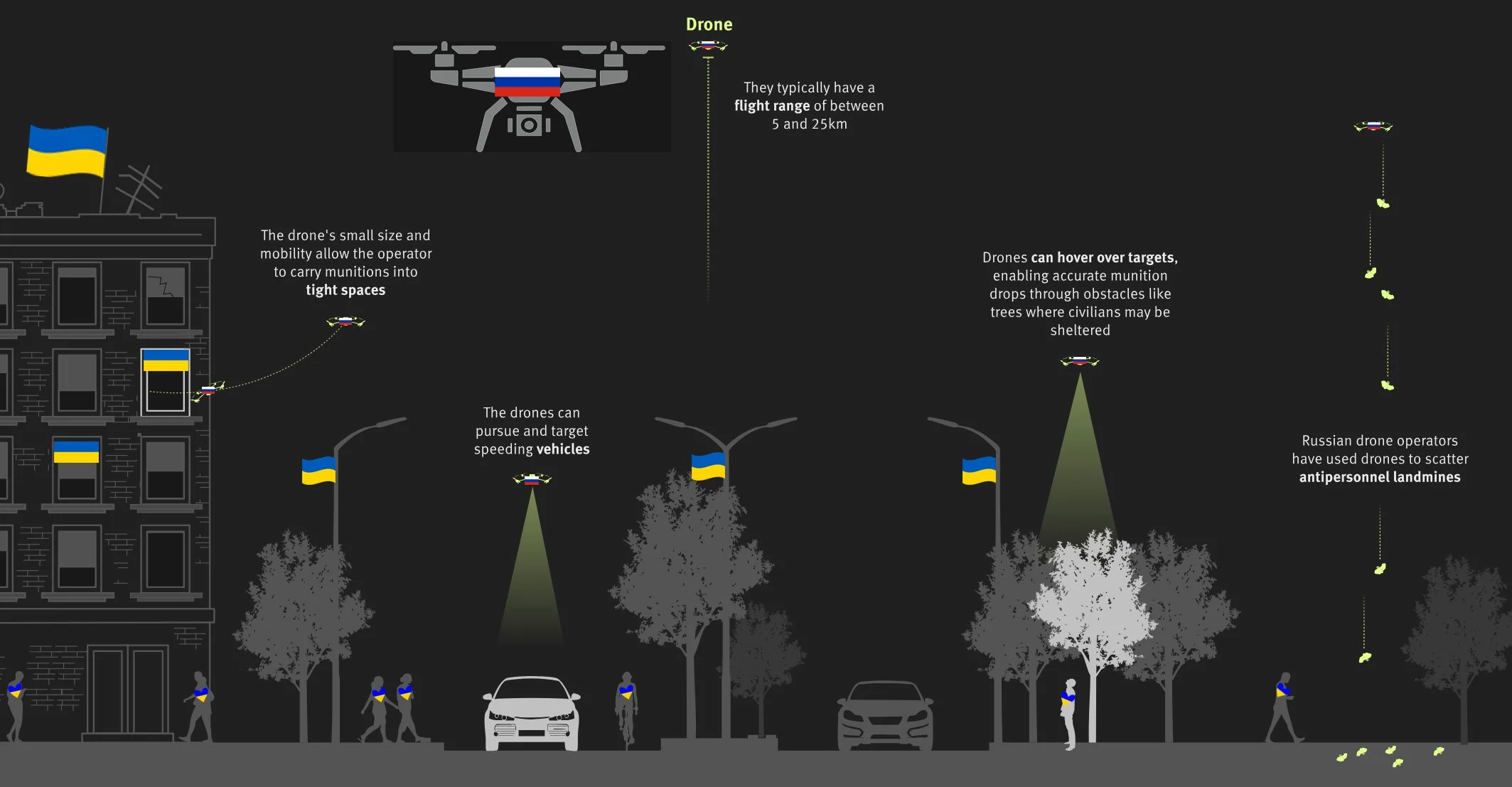
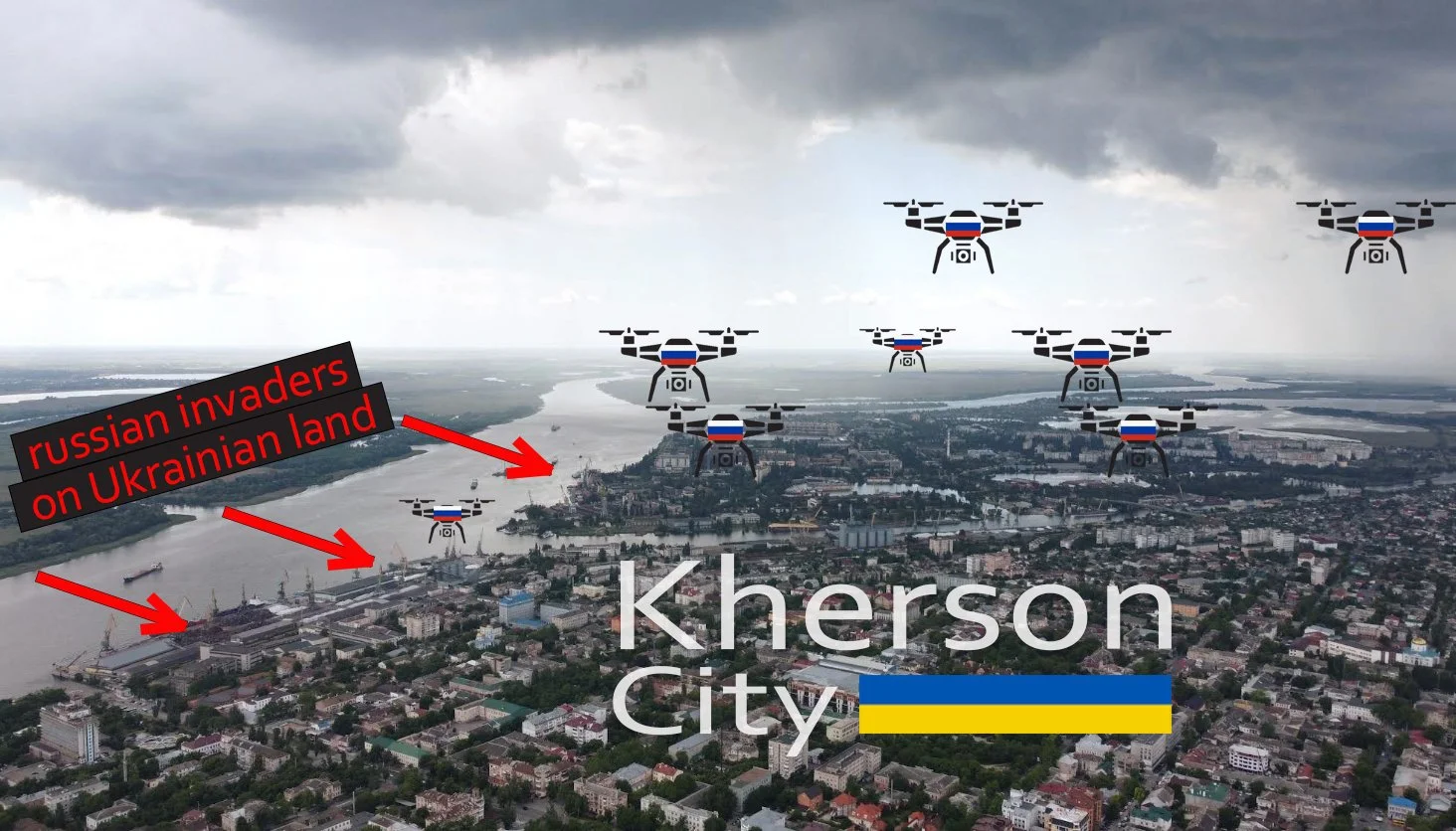
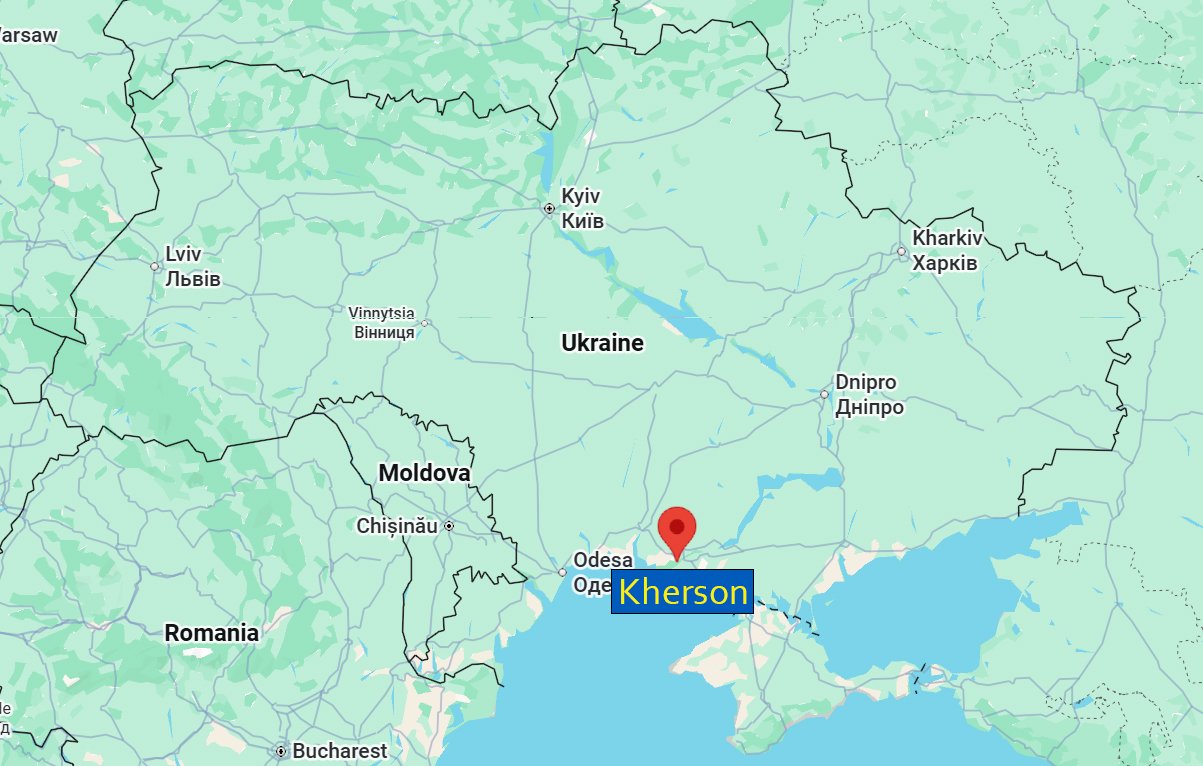
Tetiana Sushkova is a librarian in a south eastern Ukrainian city of Kherson. People there have a word for daily life now: safari. Russian drones (with russian pilots positions just across the river) hunt Ukrainian civilians going to work, to the store, to the bus. Two or three minibuses can get hit in a day. Many Tetiana knew before the war who could leave, left. Her friends begged her to go too. She stayed. She can't fully explain why, except that leaving felt wrong. "I felt that I had to be right here," she says. "If I were far from home, I simply wouldn't be able to be happy."
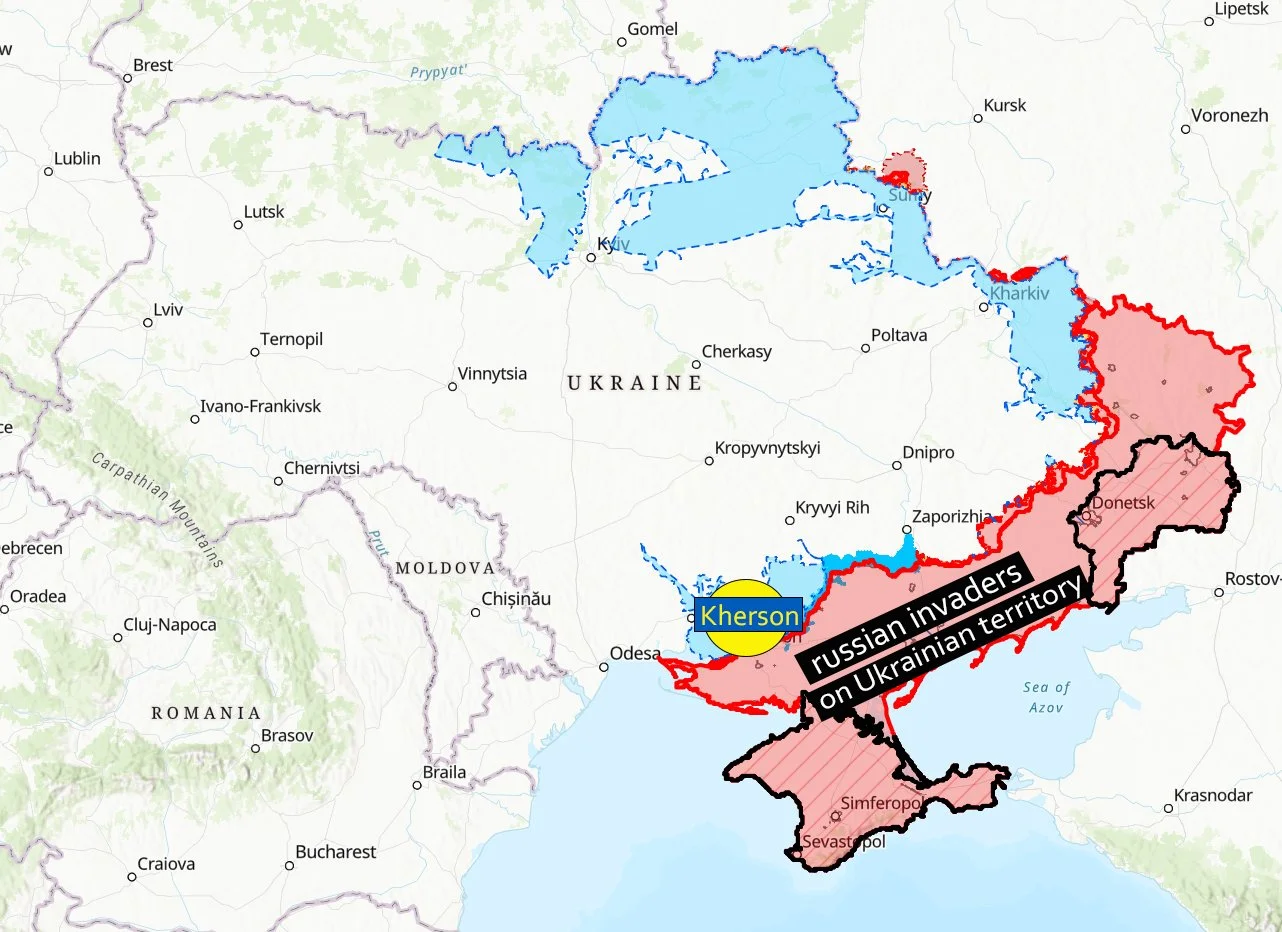
Sources of map data: Institute for the Study of War
Eight months under russian occupation Tetiana wouldn't work as a librarian. Not for them. So she sold fish at the market to get by. She gave some to the elderly people who couldn't get their pensions anymore, the seniors with despair in their eyes. Every morning she stopped at an icon, prayed and asked to not miss anyone who really needed help. After the city was liberated by Ukrainian Armed Forces, those same pensioners started bringing Tetiana canned food to say thank you, and got upset when she wouldn't accept their offers. Tetiana tears up re-telling that part.
Now Tetiana is back at the Kherson Central Children's Library. She runs events for kids in the shelter underground, where the shelling can't reach them, a few hours to feel like a kid again. She and the children wrote a book about living under occupation, in their own words. Her wishes are heartbreakingly humble and specific: a camera for the library, a warmer shelter, a playground in the library yard. Ability to go outside. And someday, a walk along the river with a coffee in her hand, no explosions, nothing to be afraid of.
In Kherson, as russia continues trying to erase normal life, Tetiana protects Ukraine’s future; she gives kids a glimpse at a normal childhood.
Tetiana Sushkova just doesn’t give up! I’m in awe of this fearless librarian, a WOW Woman in Kherson, Ukraine. Proud to know women like her and honoured to share her story with you.
- Olga Shmaidenko, Founder WOW Woman
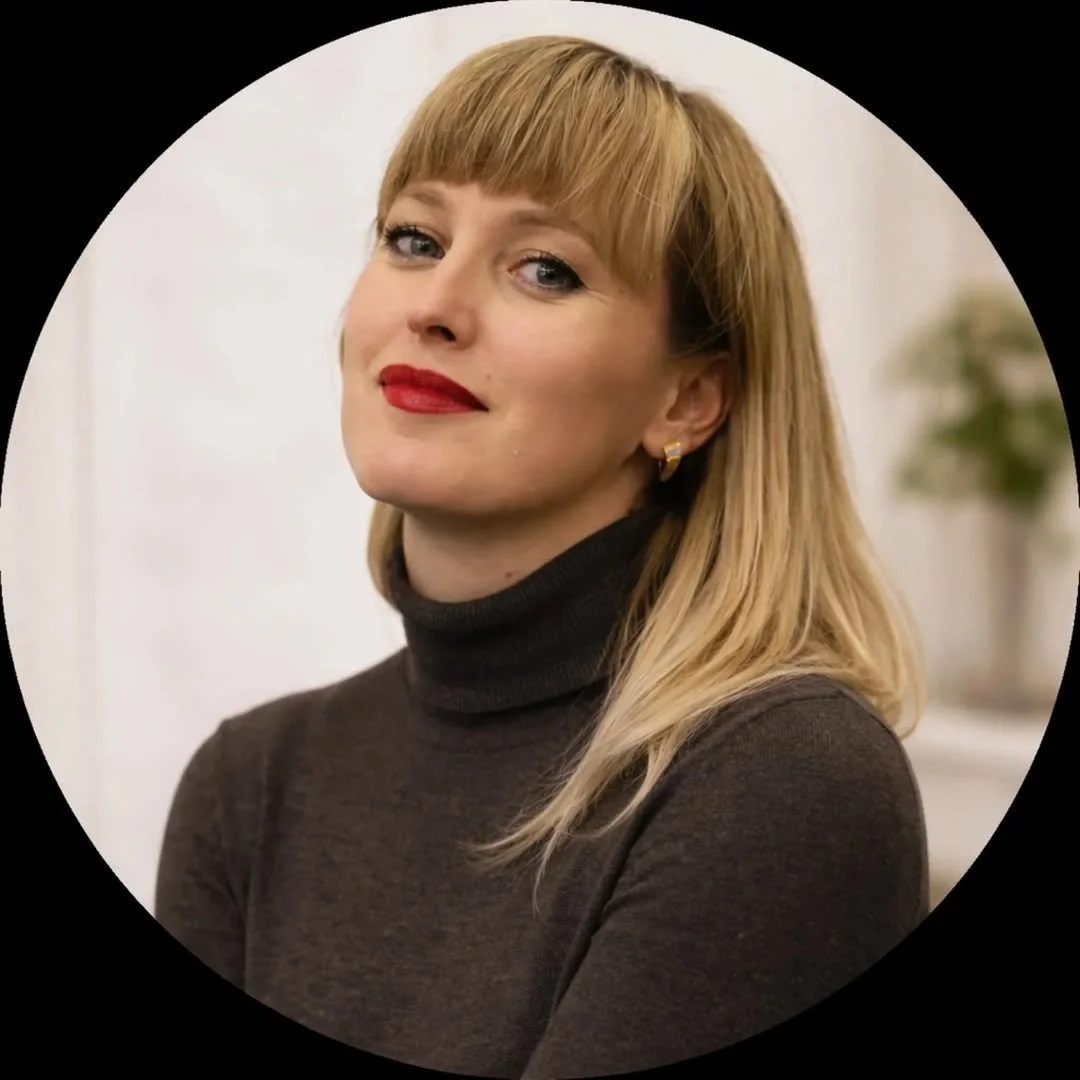
Fearless LibrariaN in Kherson
1. Your name.
My name is Tetiana Sushkova.
2. Where were you born, and where do you currently live?
I was born in the city of Beryslav, located on the shore of the Kakhovka Reservoir. I currently live in the city of Kherson.
3. What did you study, and what is your current profession?
I majored in “Library, Information, and Archival Studies.” I currently work as a public relations librarian in the Kherson Centralized Library System, specifically at the Kherson Central Children’s Library.
4. What was your typical day like before the full-scale invasion, and how has your life changed since the russian invasion of Ukraine?
My life has changed completely. Before the war, my week was always planned out in advance: work, participating in interesting cultural projects. After work, I could spontaneously head to the seaside in Zaliznyi Port, which is now under russian occupation, or to the borscht festival in Velyki Kopani, which is also currently under occupation. We’d get together with friends for scavenger hunts, go fishing with my family, or simply pop over to the nearest store for ice cream at 10 p.m. Now all of this feels like memories from another life.
Kherson. Before.
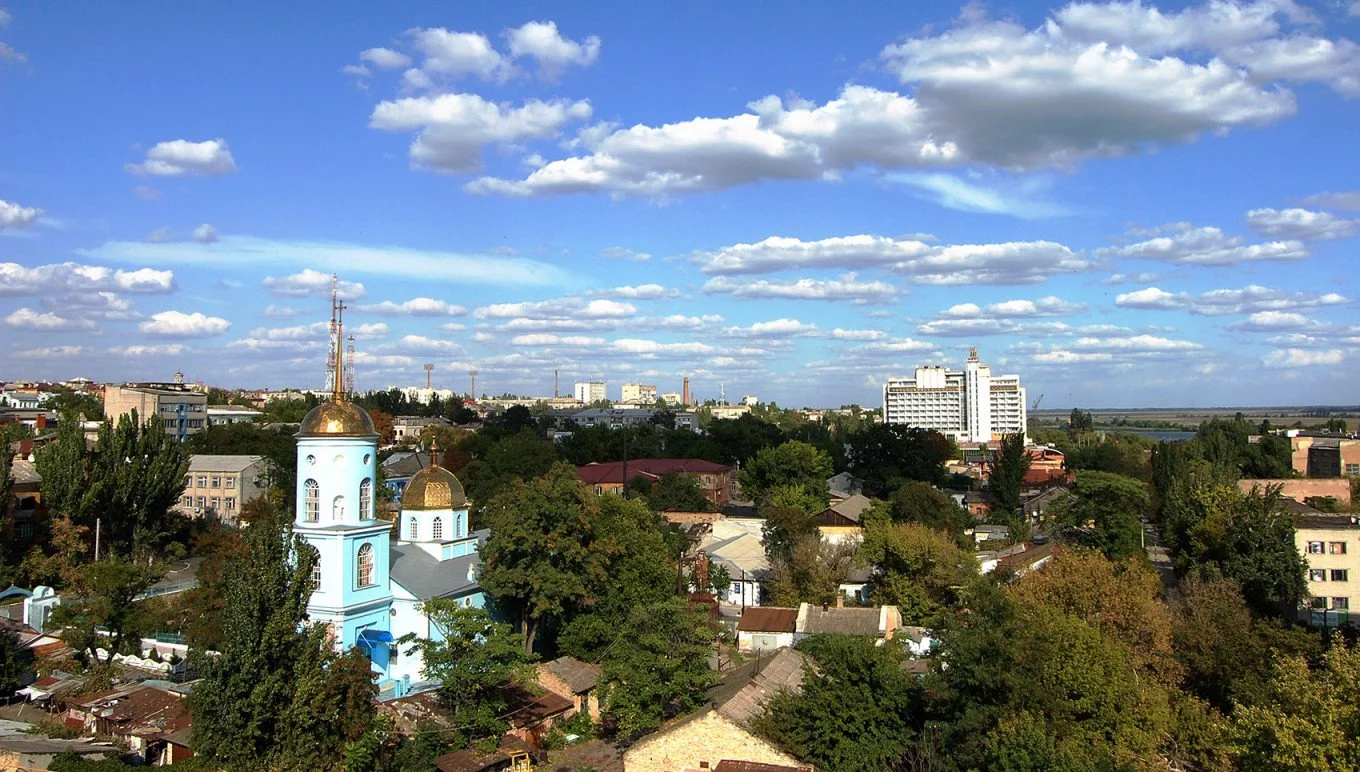
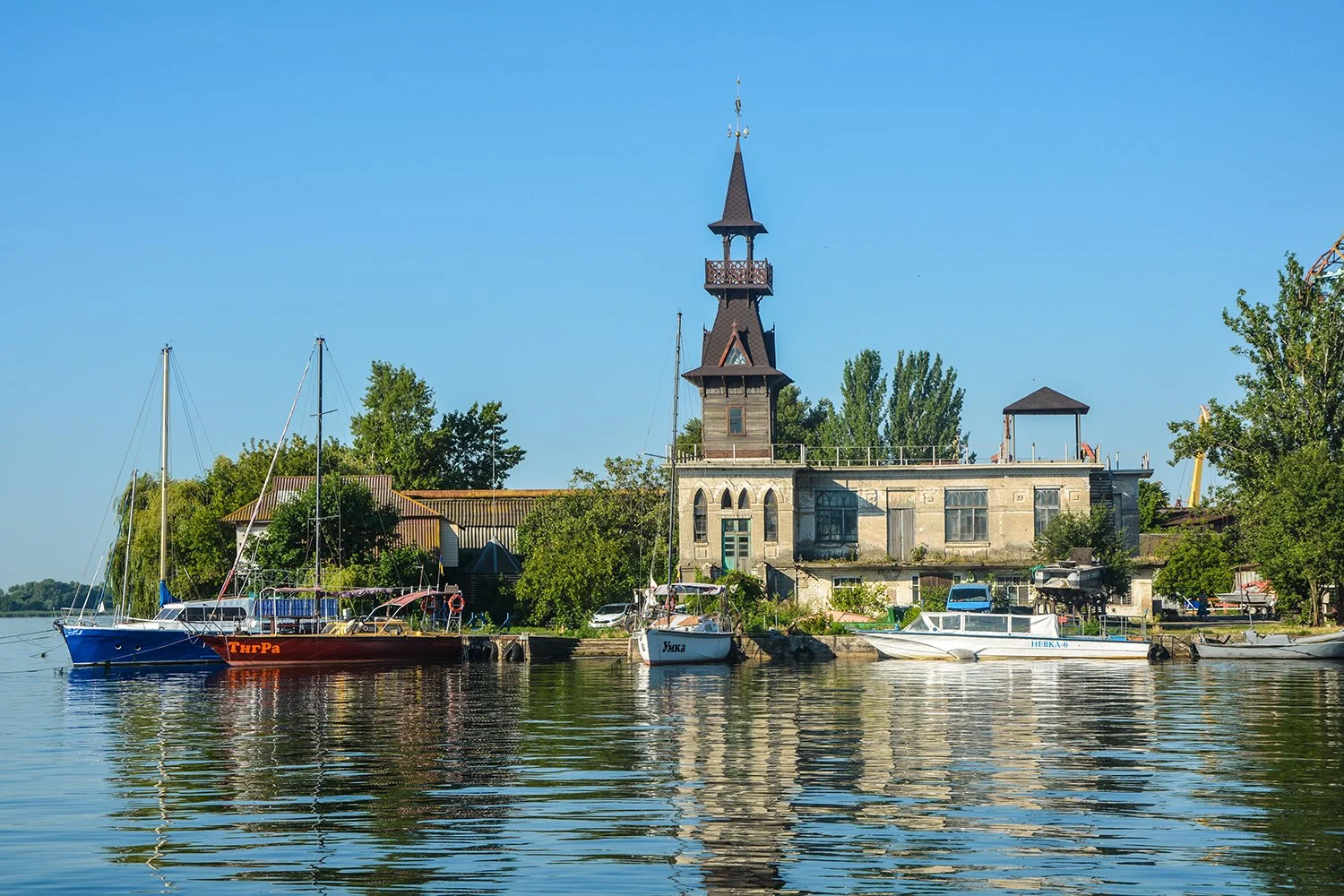
Image source: Wikipedia
5. What is life like in Kherson now? What does your typical day look like? Is it possible to meet up with friends? How are you adapting to the new circumstances?
Today, life in Kherson can be summed up in one word: safari. It’s the occupiers’ daily hunt for civilians using drones, not to mention armored vehicles, artillery, and multiple-launch rocket systems.
The commute to work or a trip to the grocery store has turned into a game of chance. You don’t know if you’ll make it home alive, because russian troops are systematically attacking public transportation. Sometimes two or three minibuses are hit per day. On the streets, you increasingly see people with amputated limbs, the result of shelling.
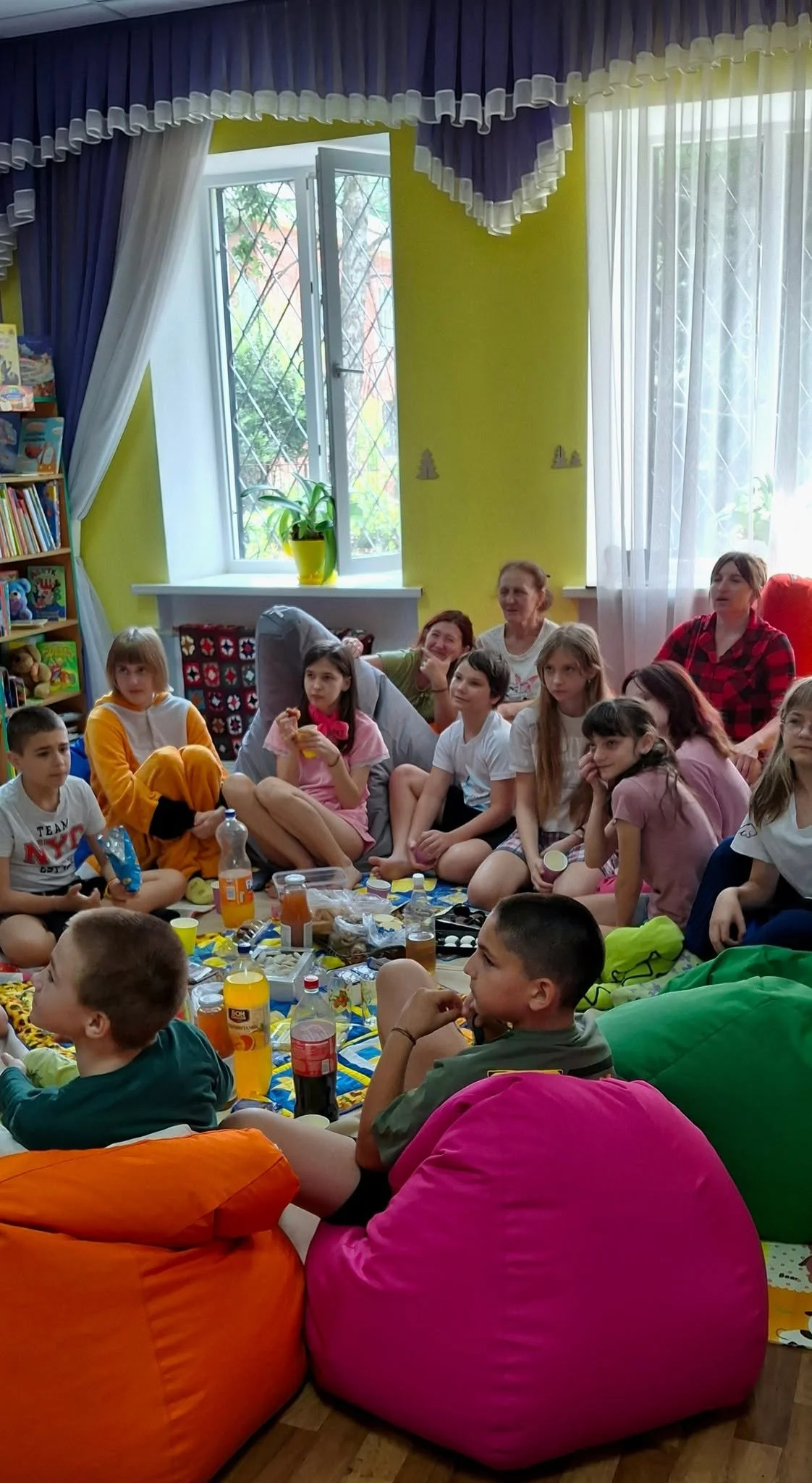
Our children are studying online. They can’t go to school, attend after-school clubs, go to the movies, or rollerblade in the park like they used to. Now they can only gather in shelters, where libraries and community organizations organize recreational activities for them.
Most of my friends who were here before the full-scale invasion began are now abroad. But I still have people close to me whom I can rely on and who help me recover emotionally. We can play board games together, watch a movie, cook something together, or just have coffee and chat.
My typical day now consists of work, household chores, time with loved ones, sports training, and occasional dashes to the bathroom during shelling. It doesn’t really protect against a direct hit, but at least it can shield me from shrapnel.
Kherson. Now - Russians target civilians and civilian homes daily.
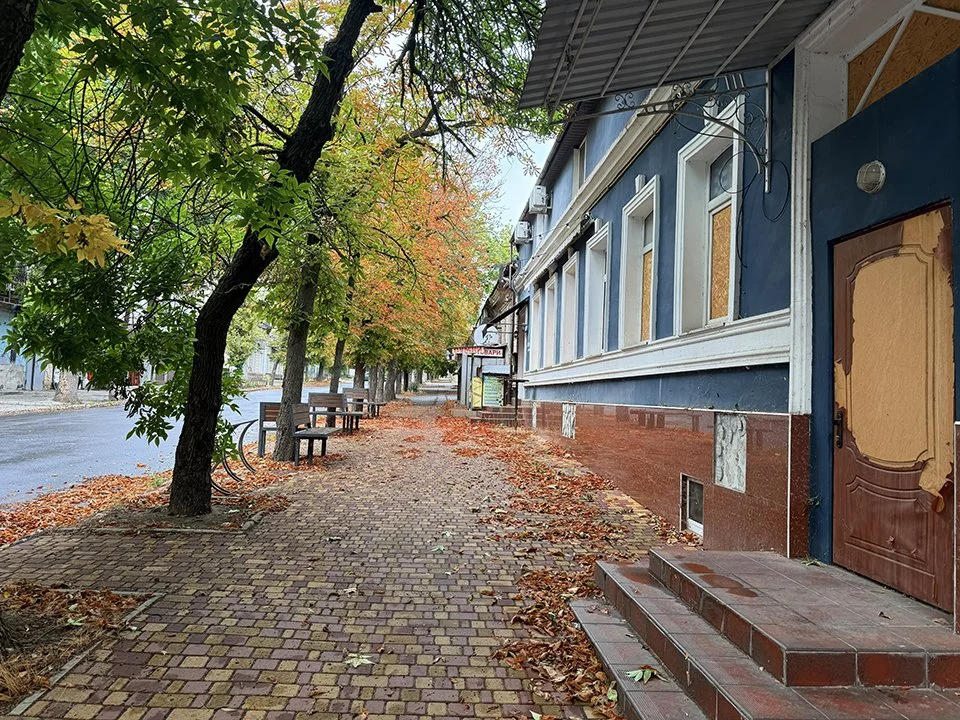
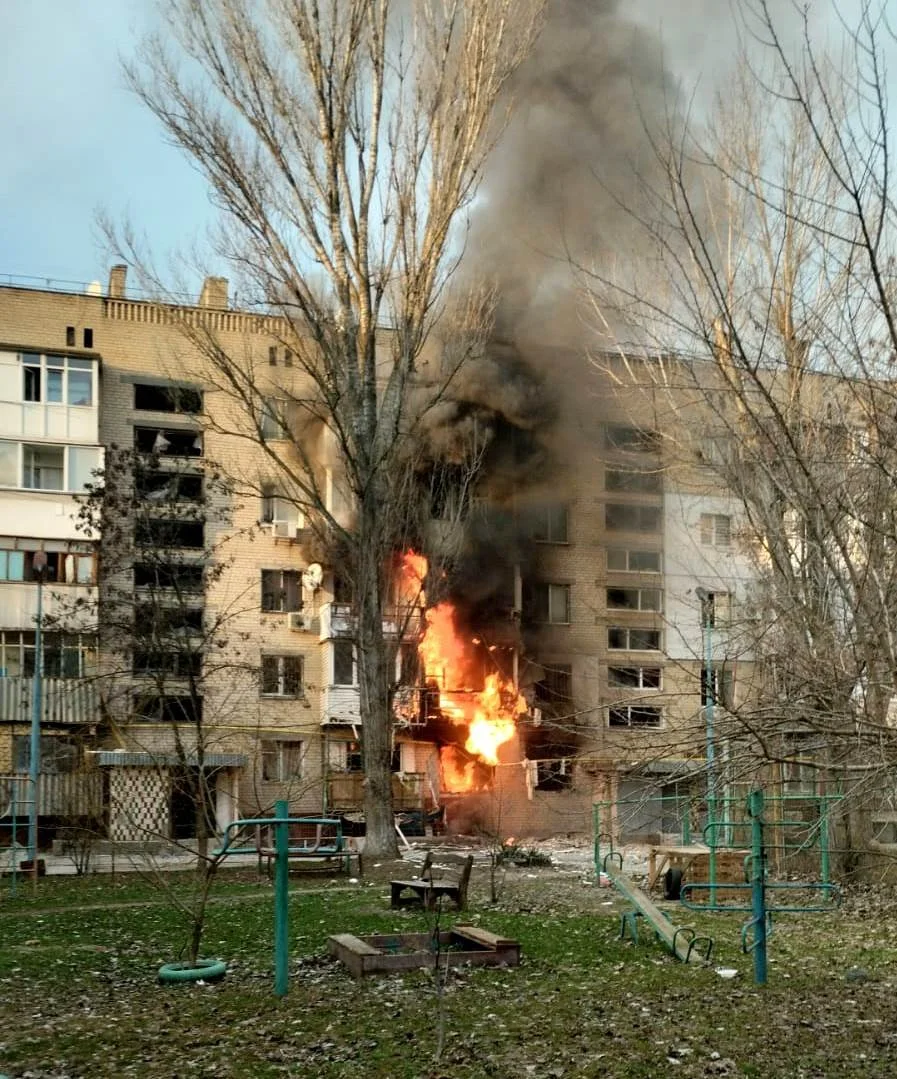
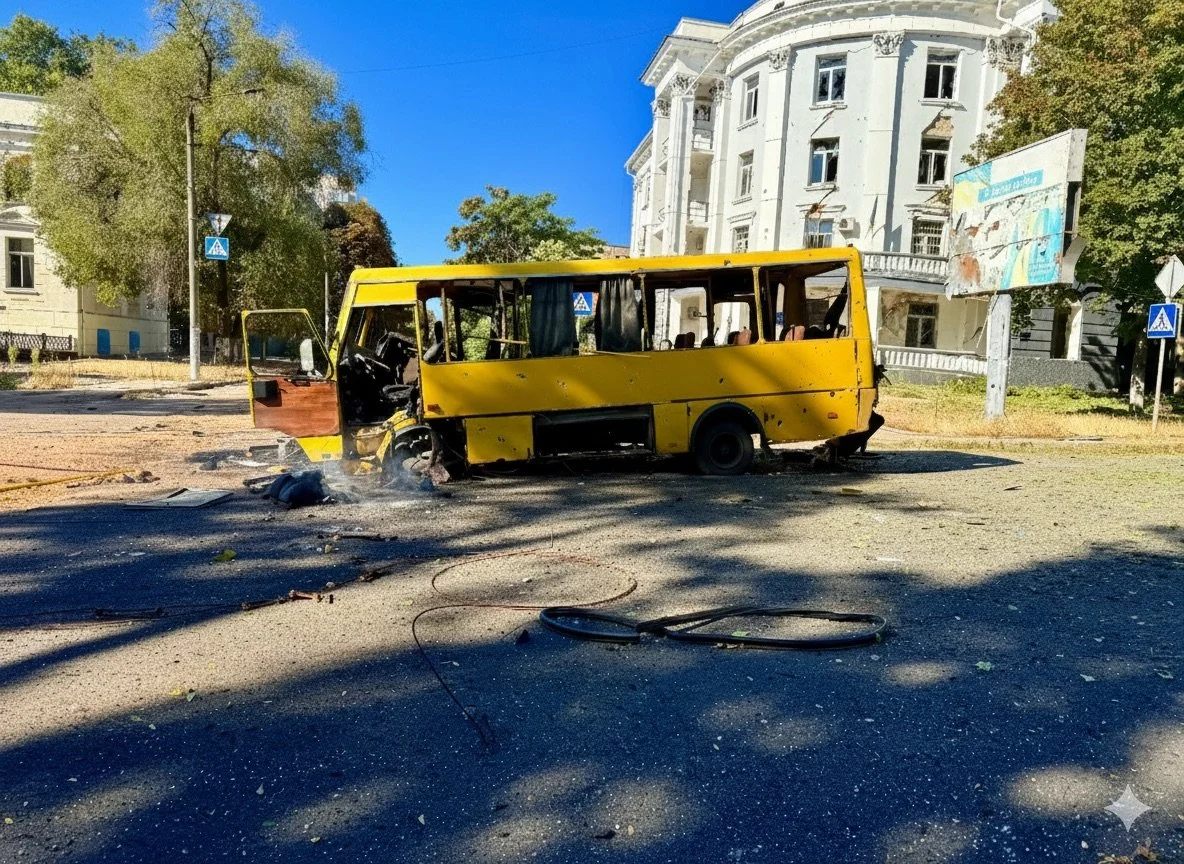
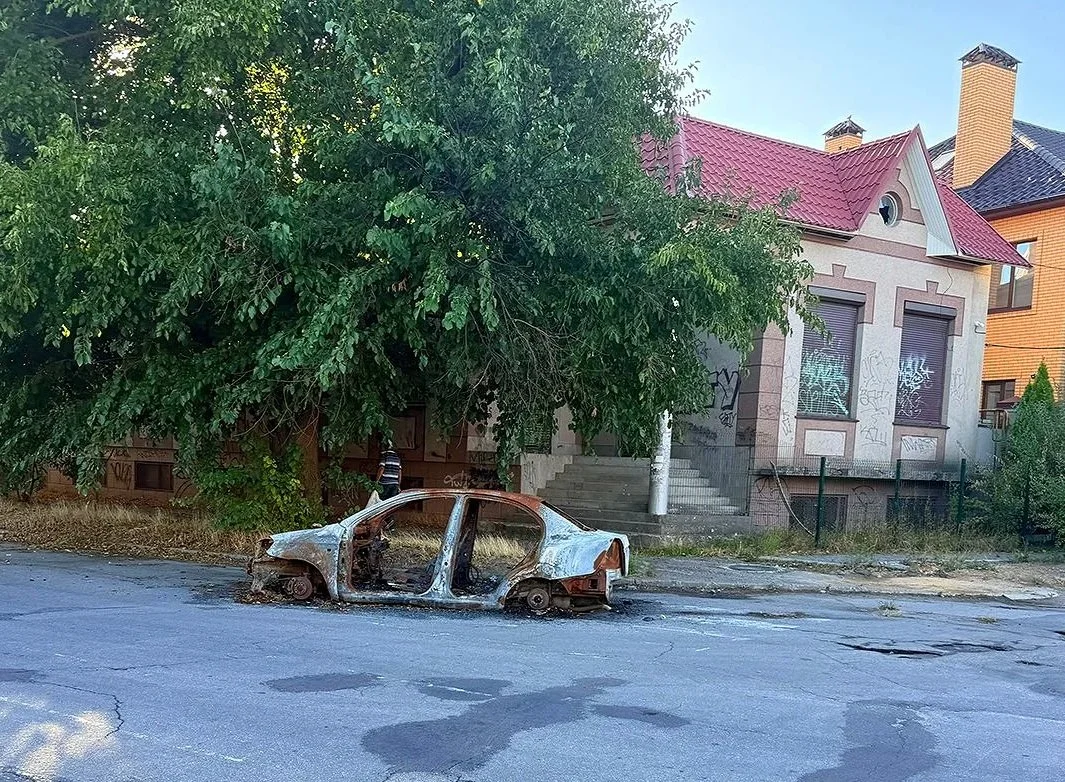

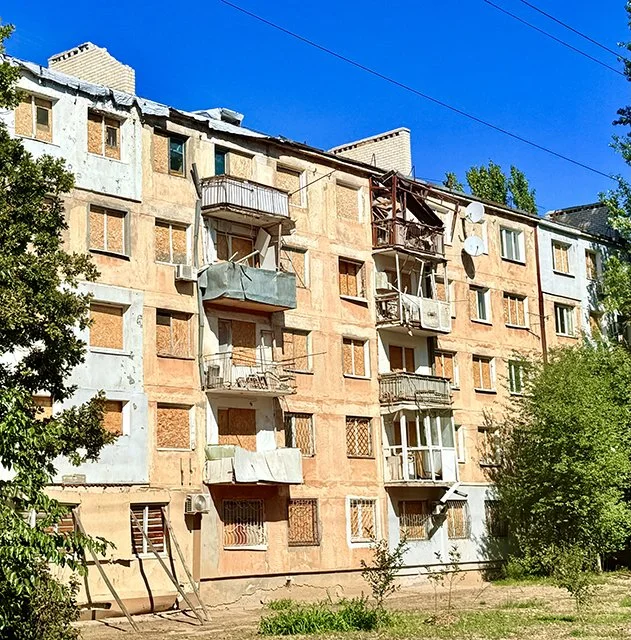
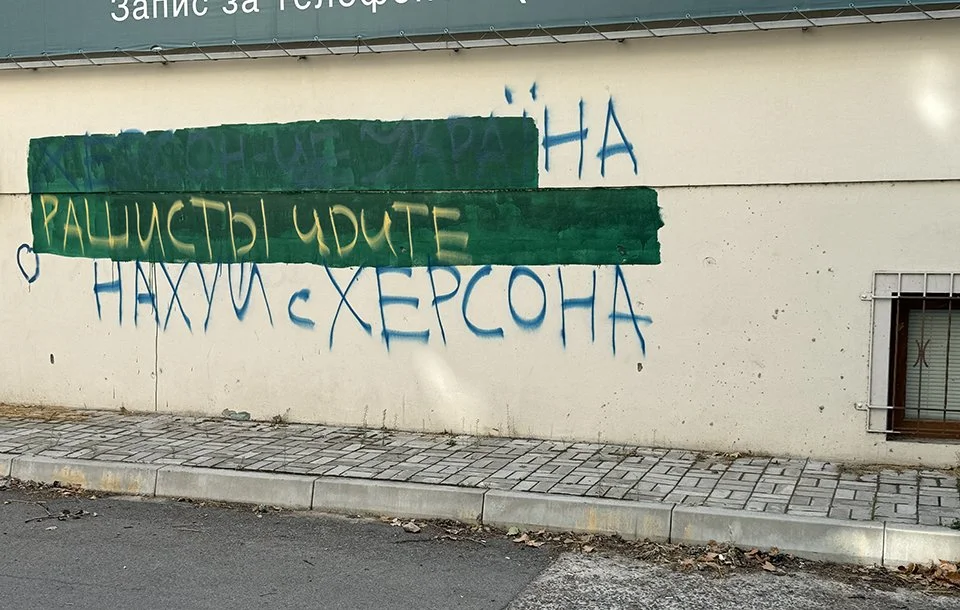
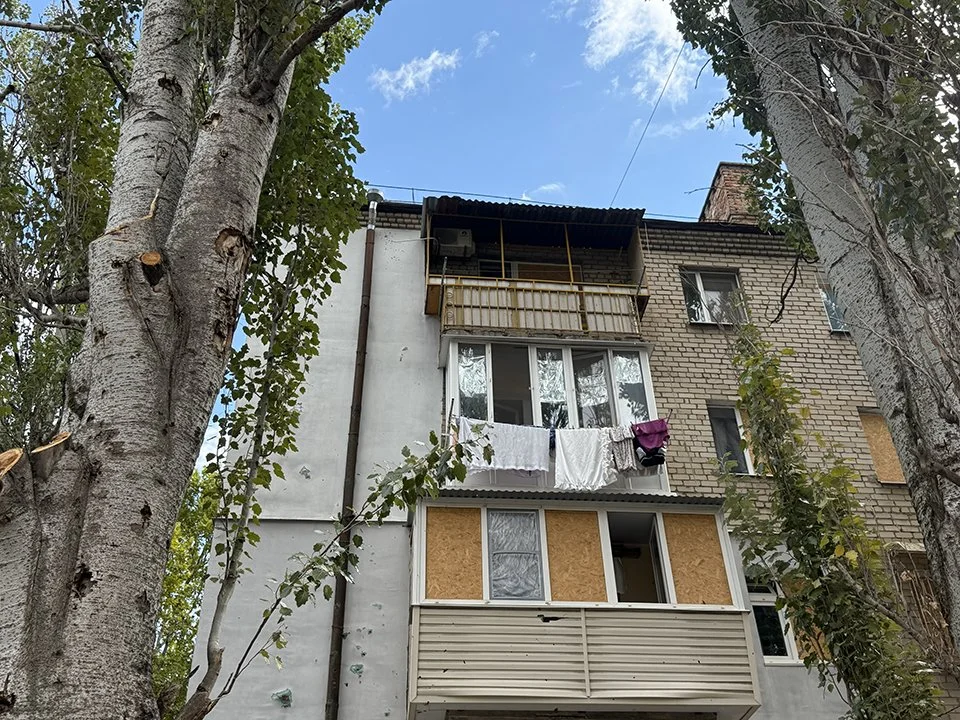
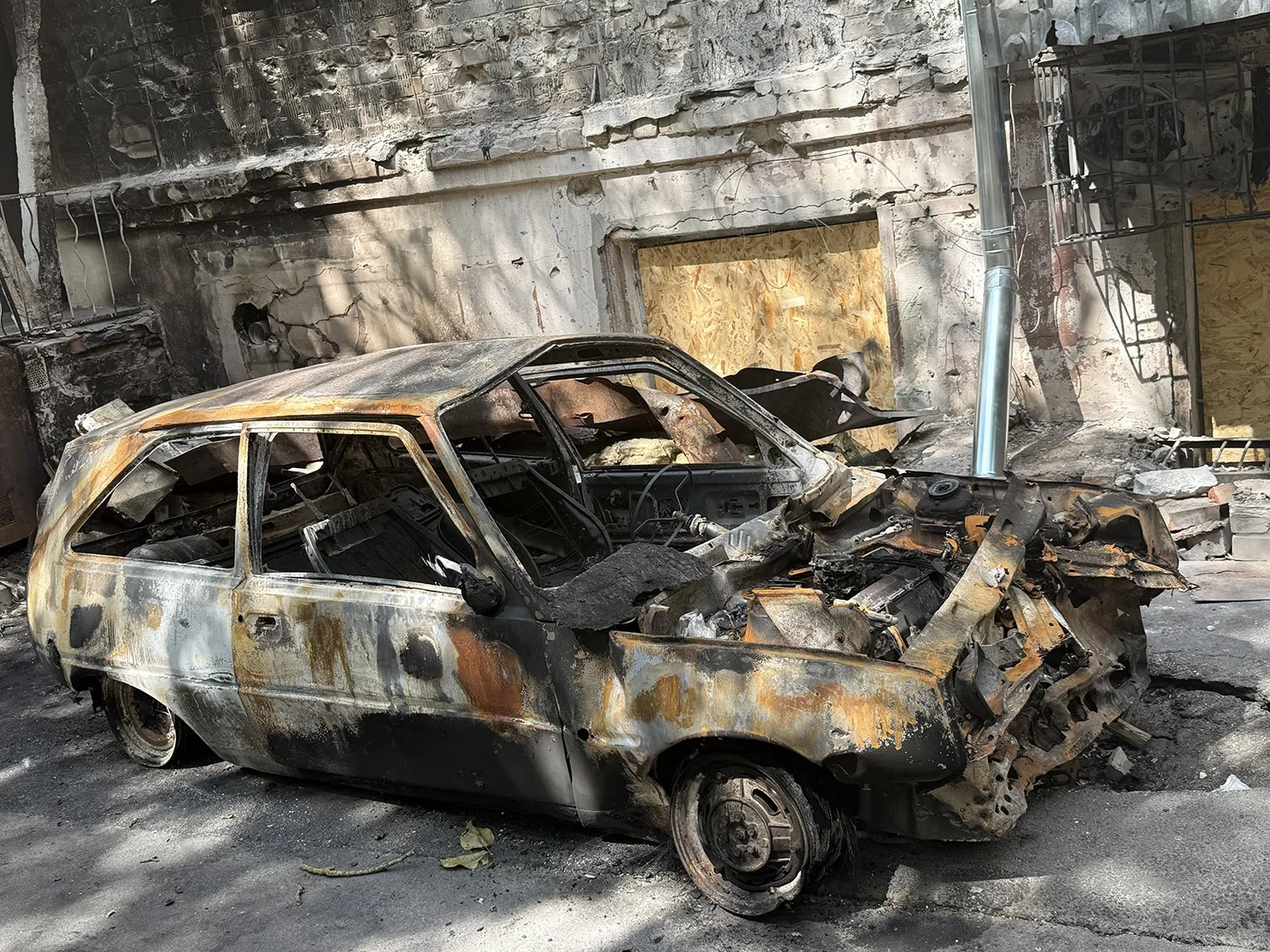
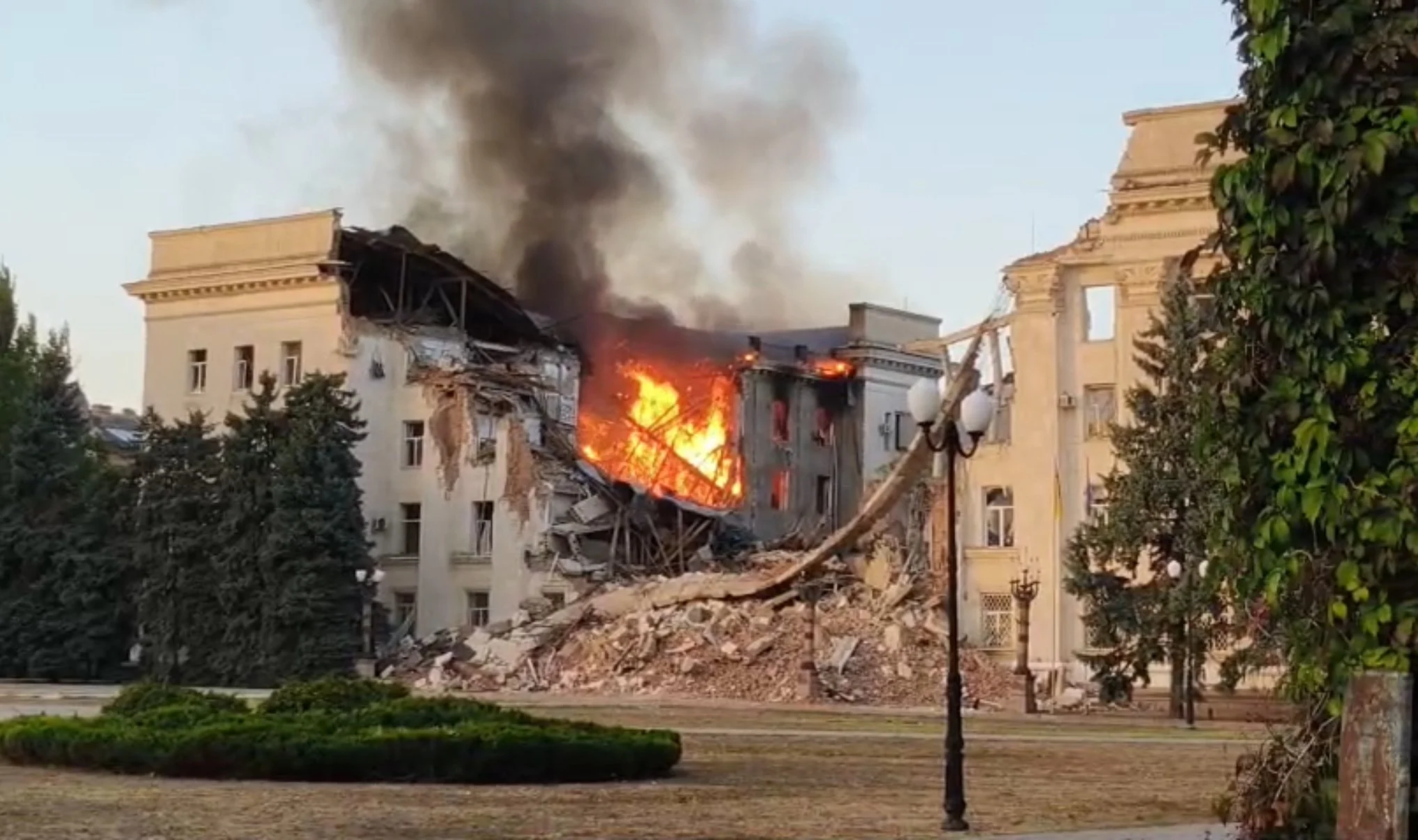
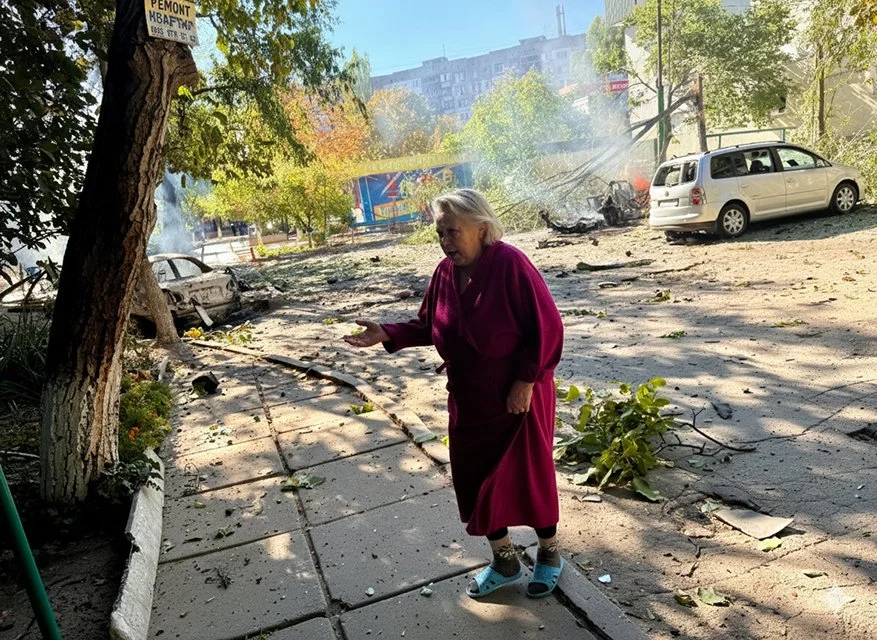
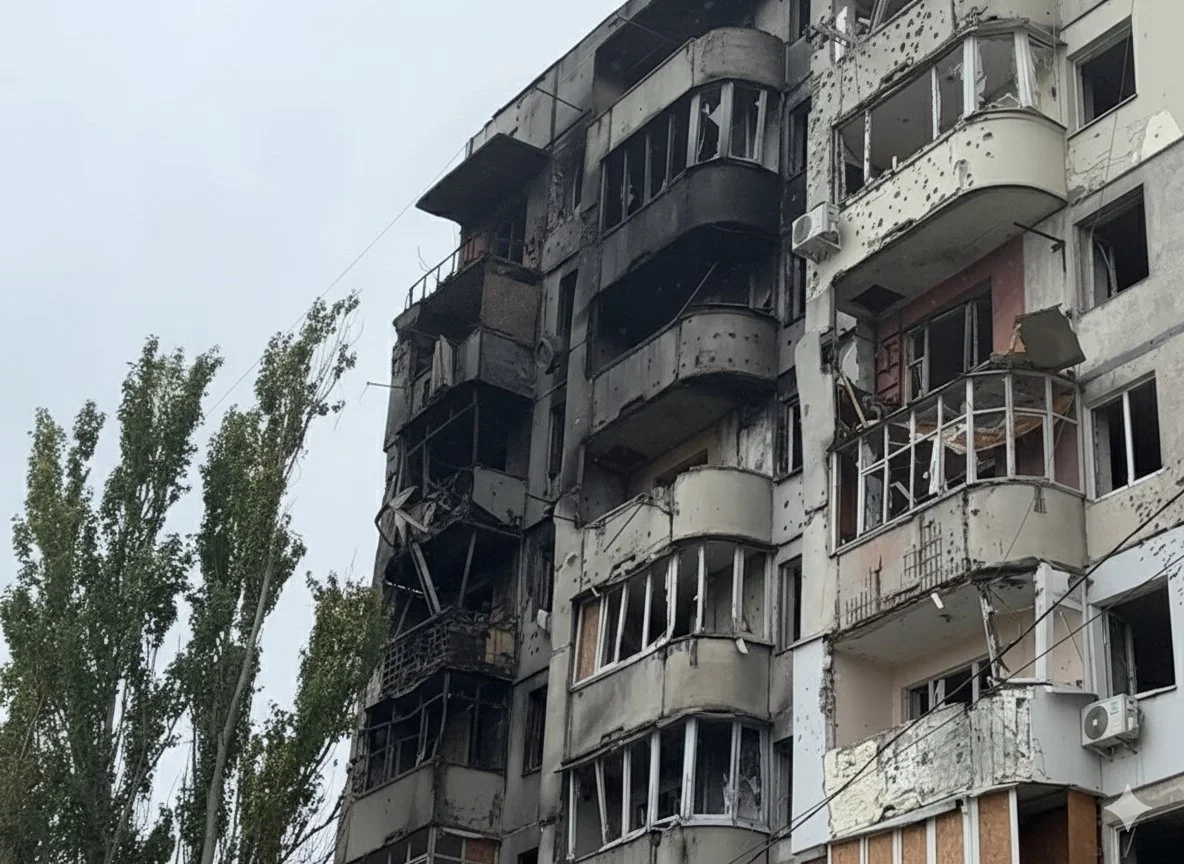
Image source: Kherson journalist Zarina Zabrisky
6. For foreign citizens, can you describe what an occupation is like? What did you do to survive? Did you resist during the occupation of Kherson?
An occupation is truly terrifying. It’s like waking up in the morning in a different, underdeveloped, and very aggressive country. There are soldiers everywhere, most of them drunk. Alcohol is sold right off stools on the streets, and medicine, by the way, is sold that way too. Store shelves are empty; everyday items become unavailable.
Fear becomes a tool for controlling society. Anyone who disagrees with russia’s arrival ends up “in the basement.” And there’s no guarantee that a person will return alive from there. You can’t openly express your pro-Ukrainian stance, you have to keep quiet.
To survive, I had to sell fish at the market. I didn’t want to work as a librarian under the occupying authorities or engage in propaganda.
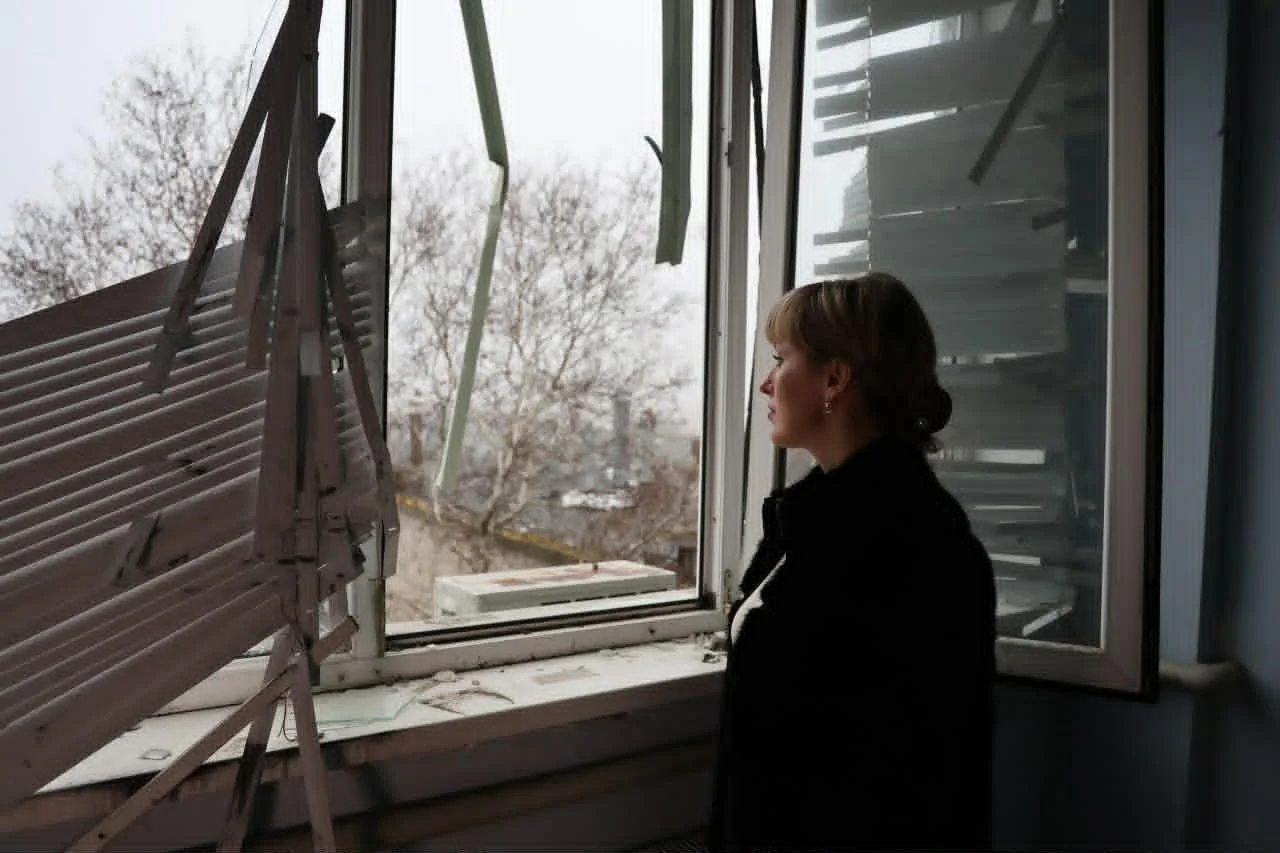
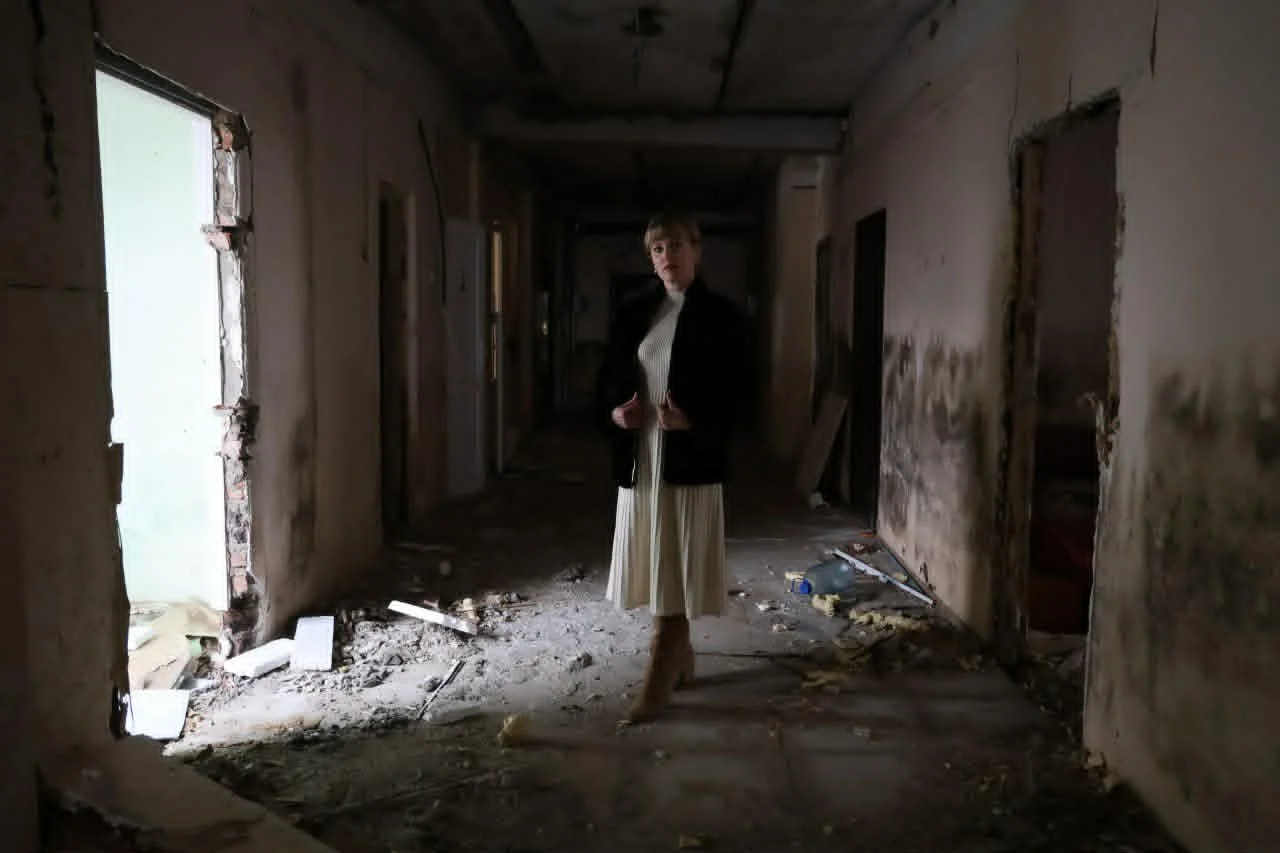
Це фото були зроблені херсонським фотокорреспондентом Олександром Корняковим для книги Пльони Мовчан "Бути жіночною під час війни - це мистецтво". These photos were taken by Kherson-based photojournalist Oleksandr Kornyakov for Plona Movchan’s book *Being Feminine During War Is an Art*
7. How did you survive the bombing of the Kakhovka Hydroelectric Power Plant and the massive flooding in Kherson?
The apartment where I live now is located a little further from the shoreline, so it wasn’t damaged. It belongs to my friends.
On that day, June 6, we all came together to help people who had lost their homes. We collected essential supplies. A large number of volunteers arrived in the city to help rescue people and animals.
8. What do you think are your strengths and superpowers?
My strength is the ability to see the good even in the little things. When I’m really struggling emotionally, I don’t withdraw; instead, I try to be around the people who help me bounce back. These are my family and friends.
I also really love my job. It helps me keep going. When I come up with yet another activity for the children and see their happy faces, it’s the best antidepressant for me.
9. What specific actions have you taken and are you continuing to take to help Ukraine and the Ukrainian people?
I never wanted to leave Kherson, not even during the occupation. I can’t even explain it to myself. It’s some kind of inner conviction that I was meant to be right here.
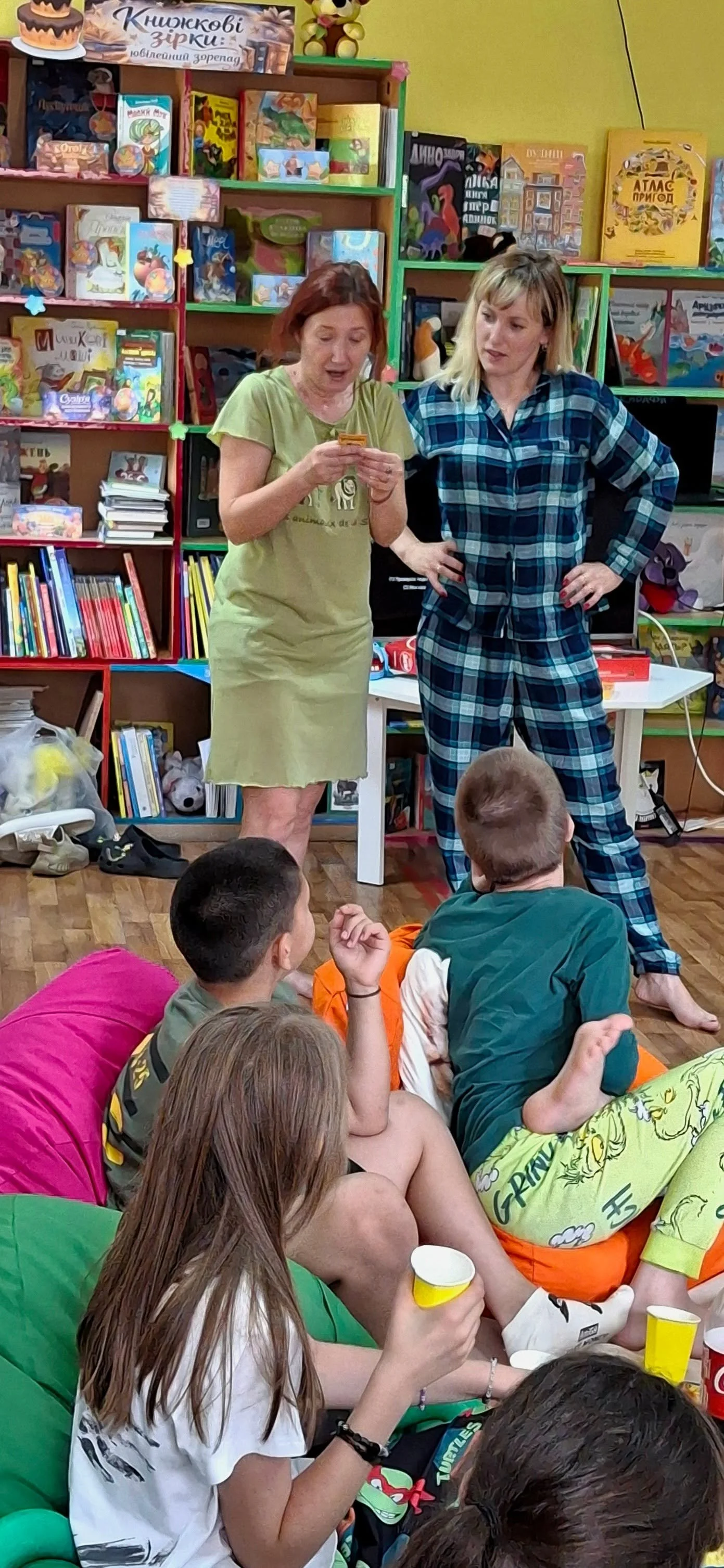
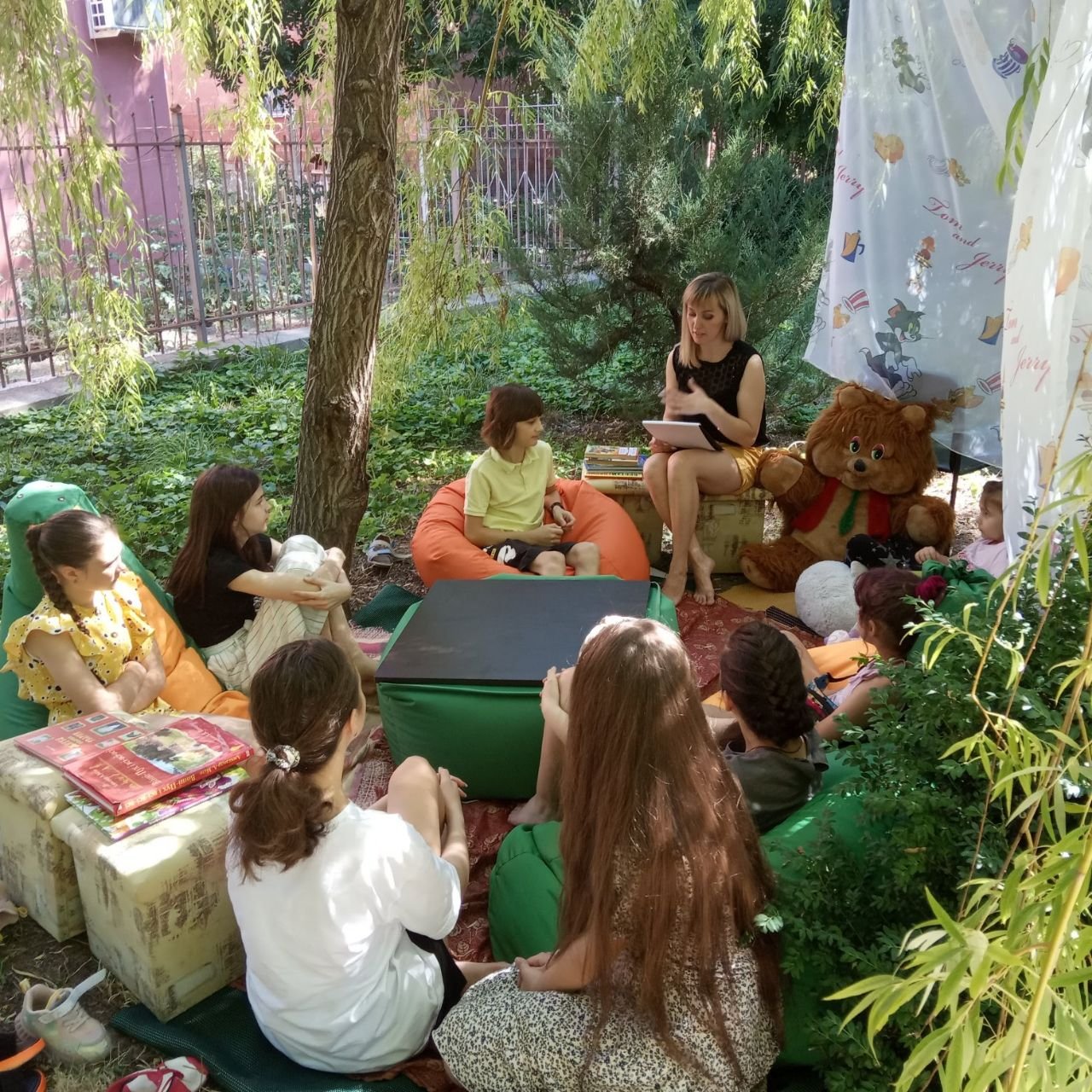
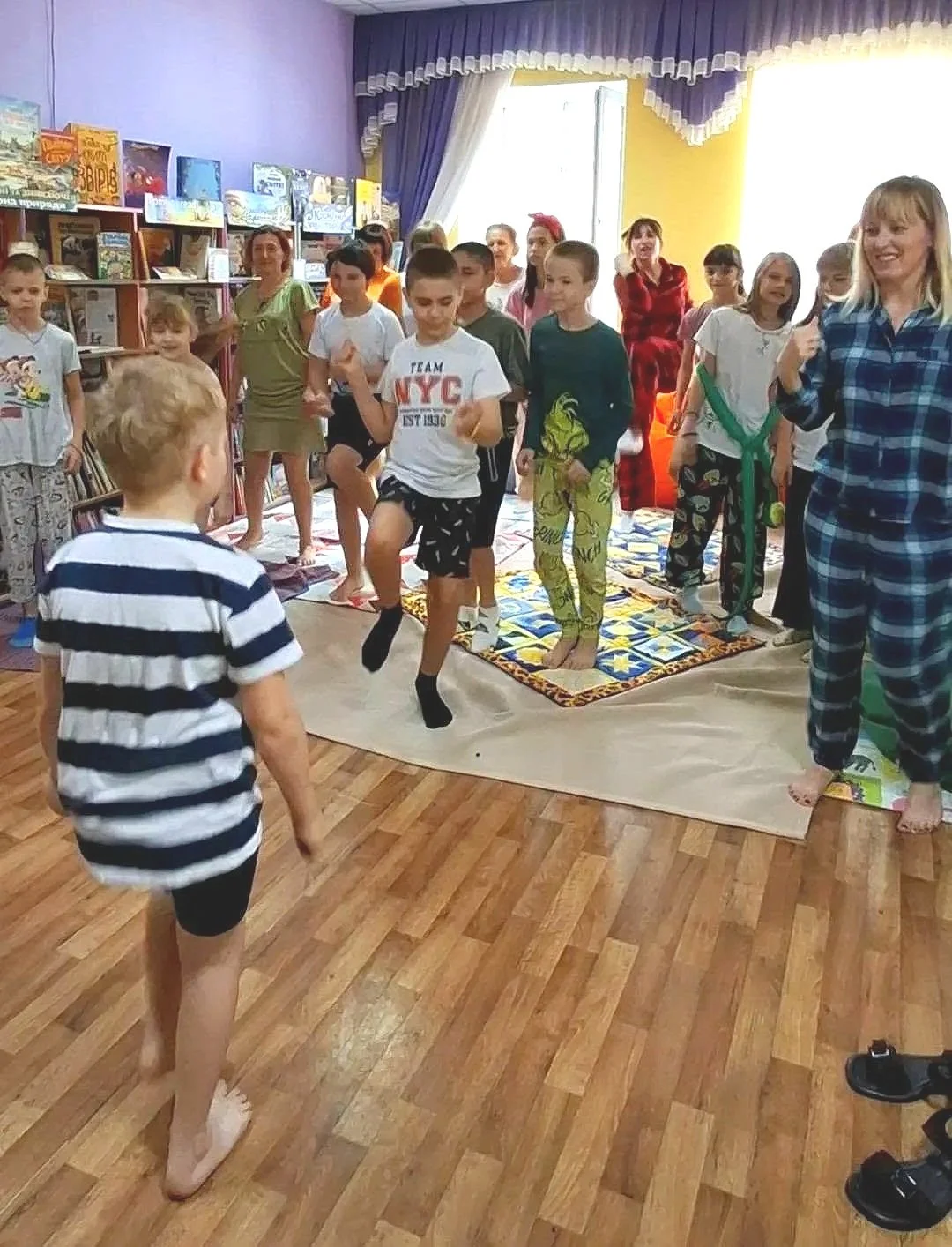
After Kherson was liberated, I returned to work at the library. Since then, together with my colleagues, we’ve organized countless interesting events for children and adults. We help children regain at least a sense of their childhood and create a safe space for communication, creativity, and development.
One of our most important projects has been writing a book together with the children about life under occupation. It’s an opportunity to preserve their memories and show the world what our children had to go through during the war. We’ll be presenting it very soon.
Story Behind an Image / що за кадром
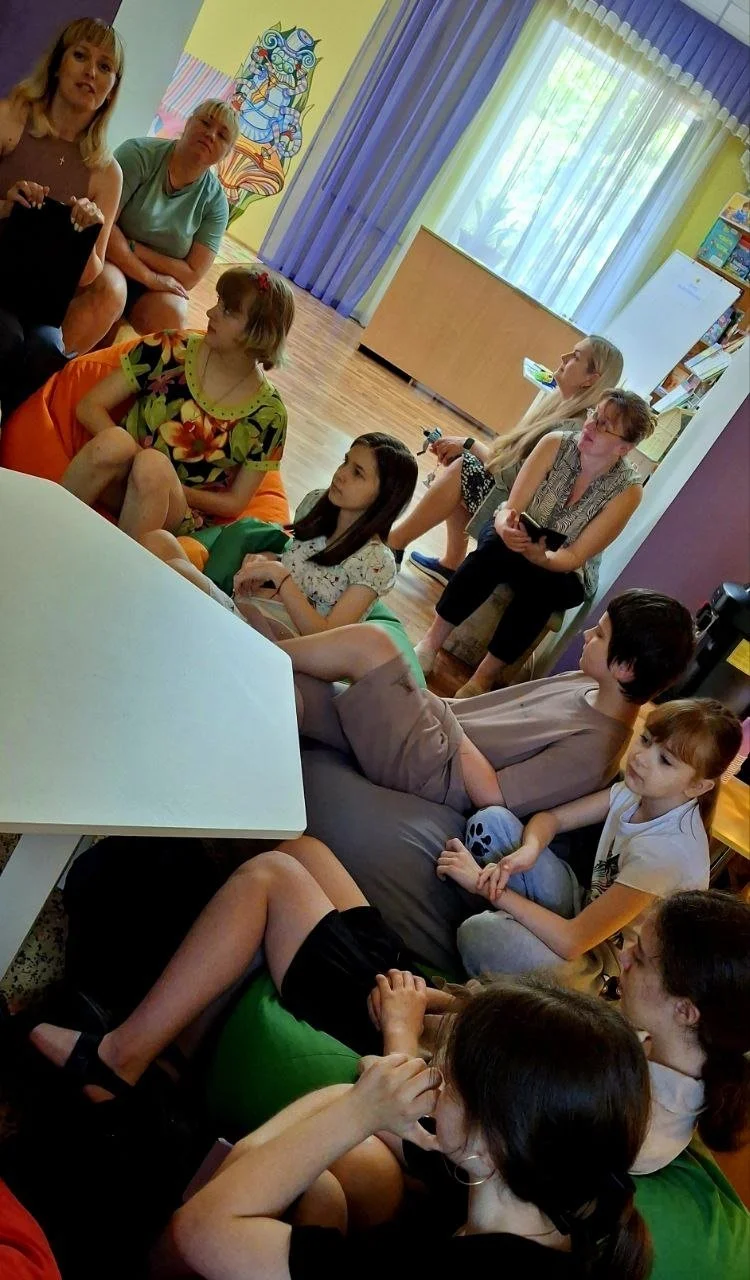
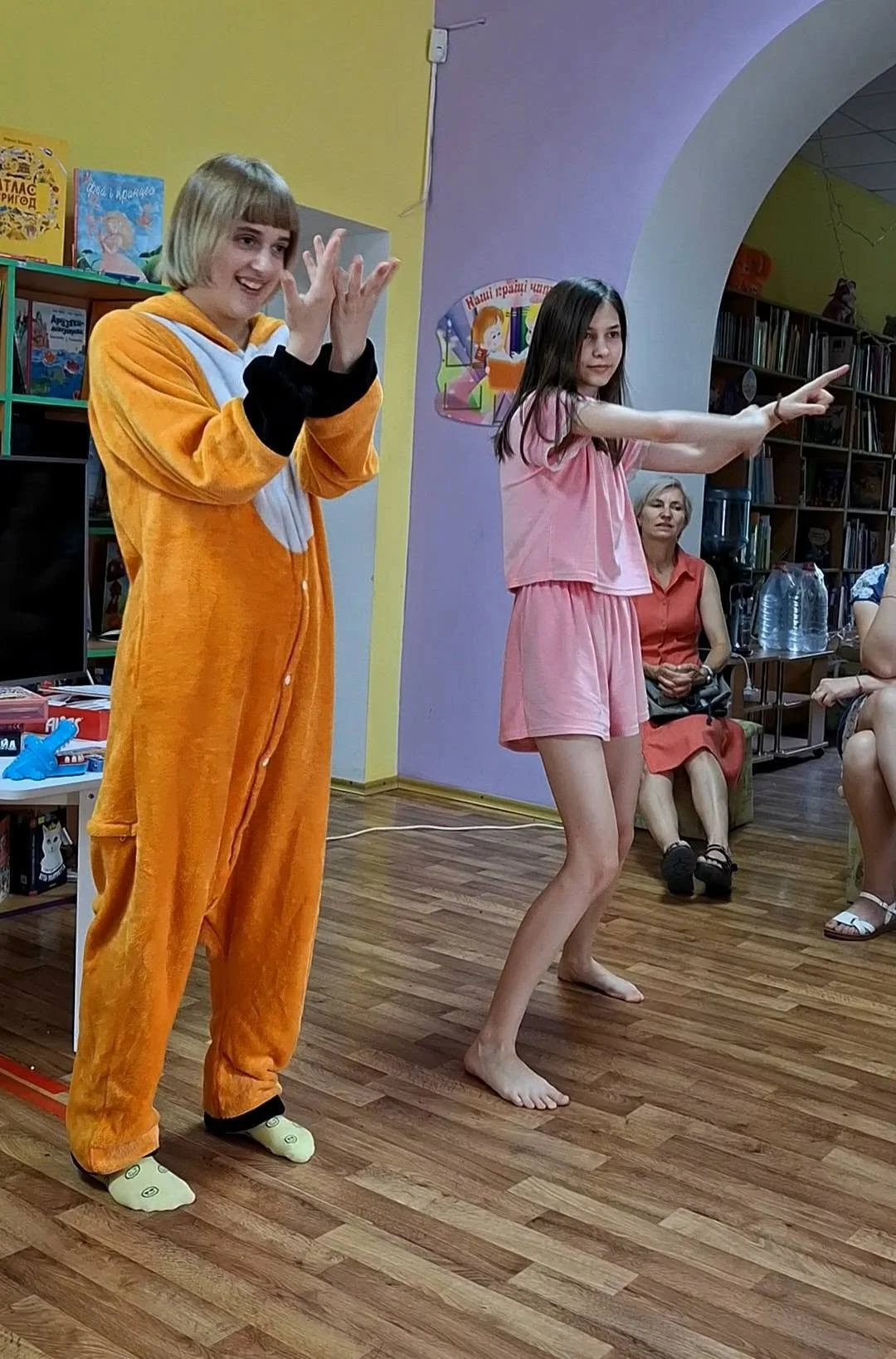
Father’s Day.
Це бесіда з дітьми на день батька. Для багатьох це болюче питання, тому що батько на фронті, разом вчились розуміти свої емоції.
This is a conversation with children on Father's Day. For many, this is a painful topic because their father is on the front lines; together, they've been learning to understand their emotions.
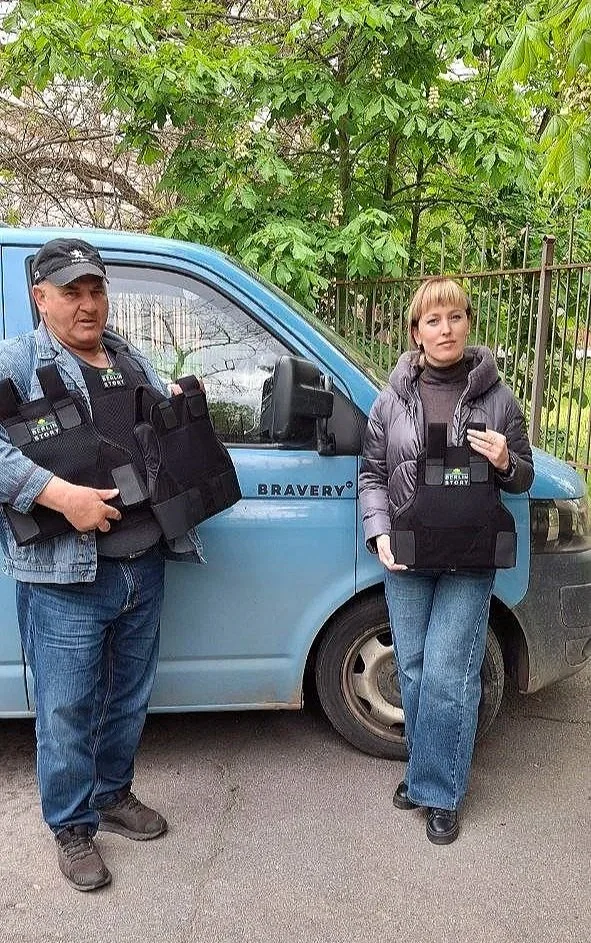
Bulletproof Vests. For Children.
Це волонтери німецької Bravery передали нам три дитячих бронежилети.
Volunteers from the German organization Bravery donated three children's bulletproof vests to us.
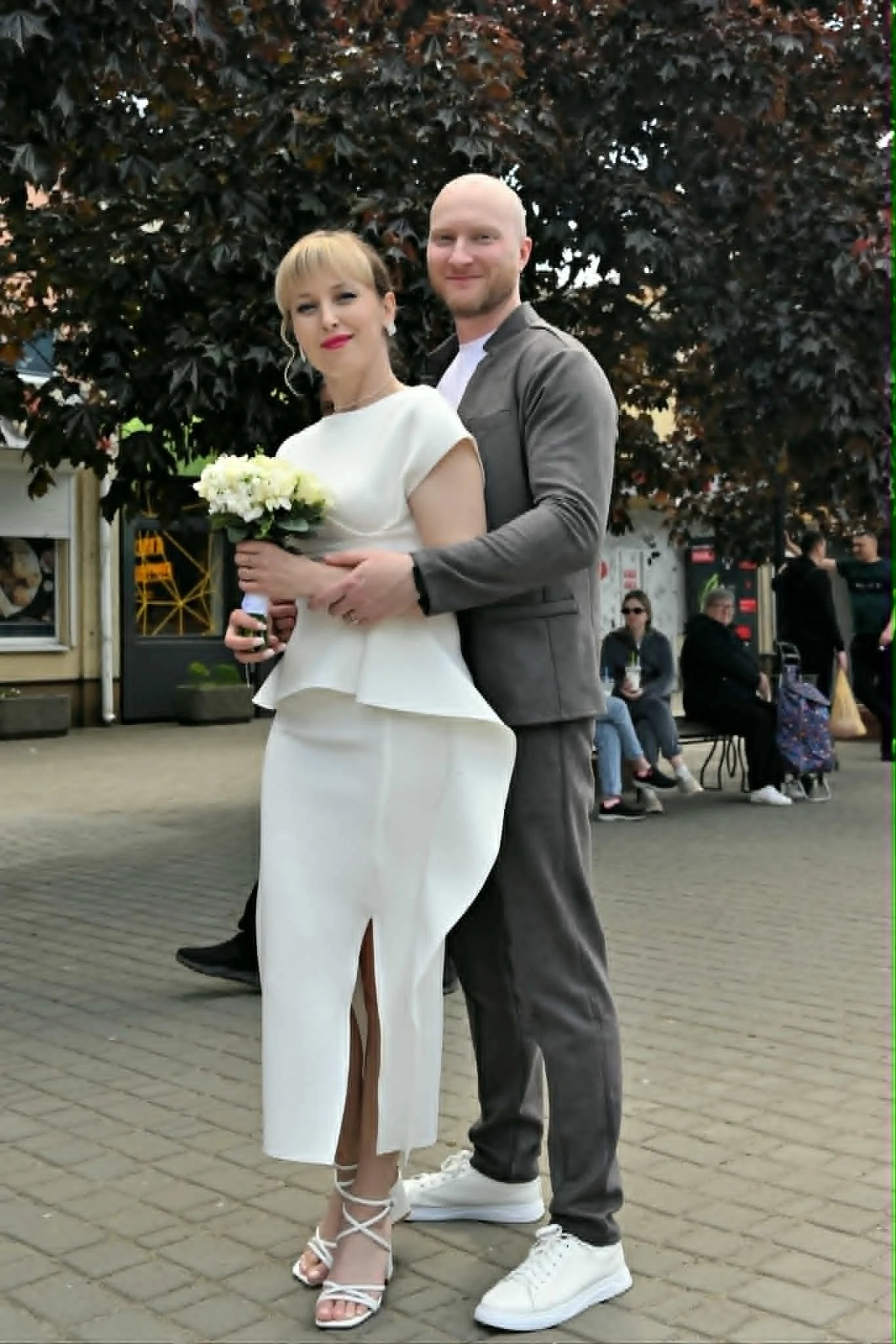
Love and Marriage.
Ми познайомились в спортзалі. Почали спілкуватись влітку 2024 року, а в вересні того ж року він прийшов до мене на роботу з букетом квітів, аби привітати з Днем бібліотек. Відтоді моя ваза ще не була порожня щойно квіти в'януть він дарує мені новий букет. We met at the gym.
We started talking in the summer of 2024, and in September of that same year, he came to my workplace with a bouquet of flowers to wish me a happy Library Day. Since then, my vase has never been empty. As soon as the flowers wilt, he gives me a new bouquet.
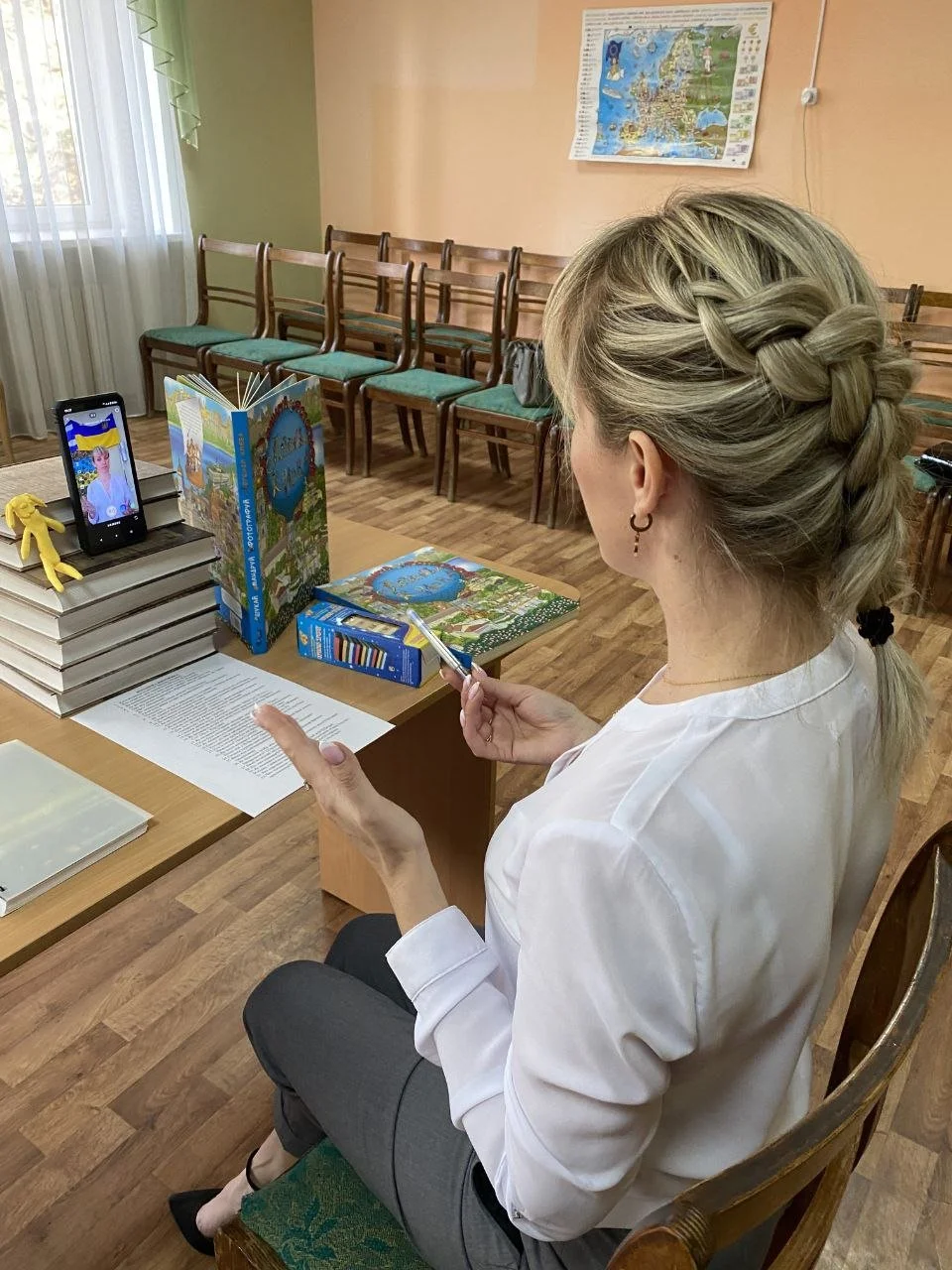
Making do.
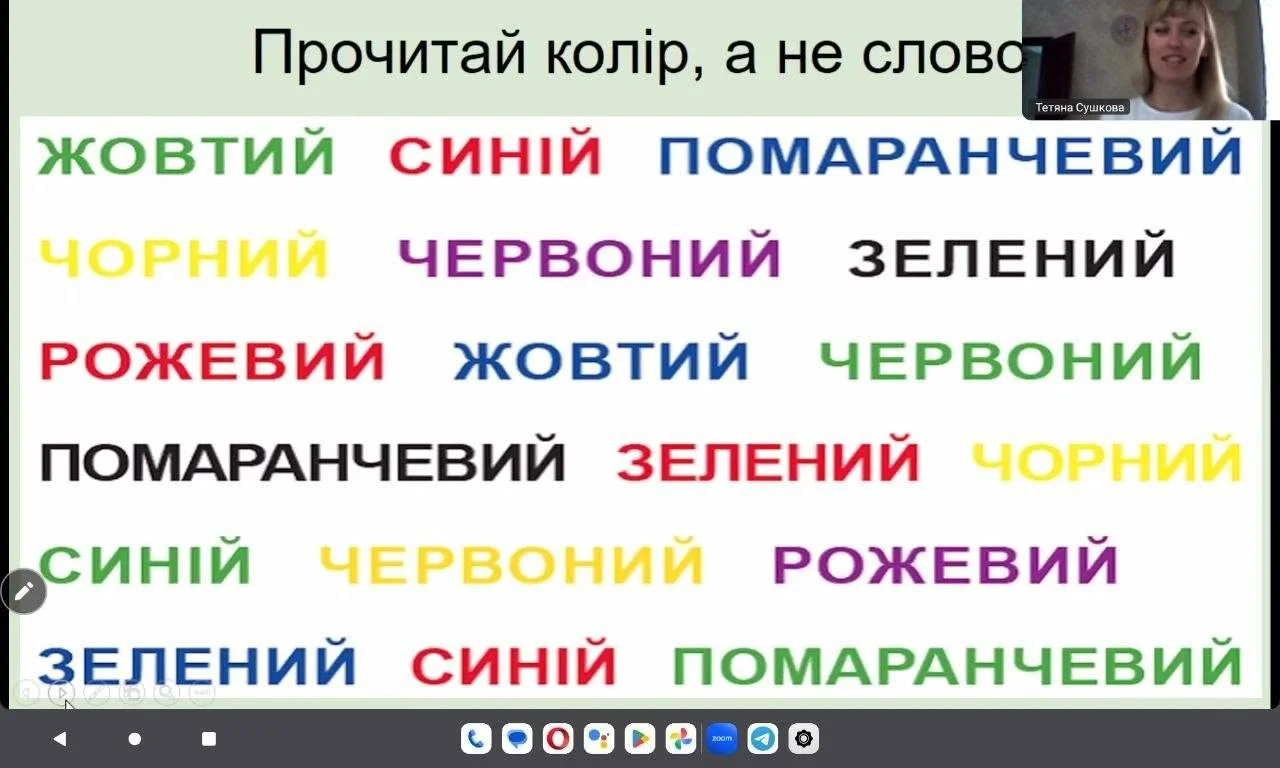
Проводжу вікторину онлайн з телефона, тому що всі комп'ютери і ноутбуки вкрали окупанти, коли тікали з Херсона.
I'm hosting an online quiz from my phone because the russian occupiers stole all our computers and laptops when they fled Kherson.
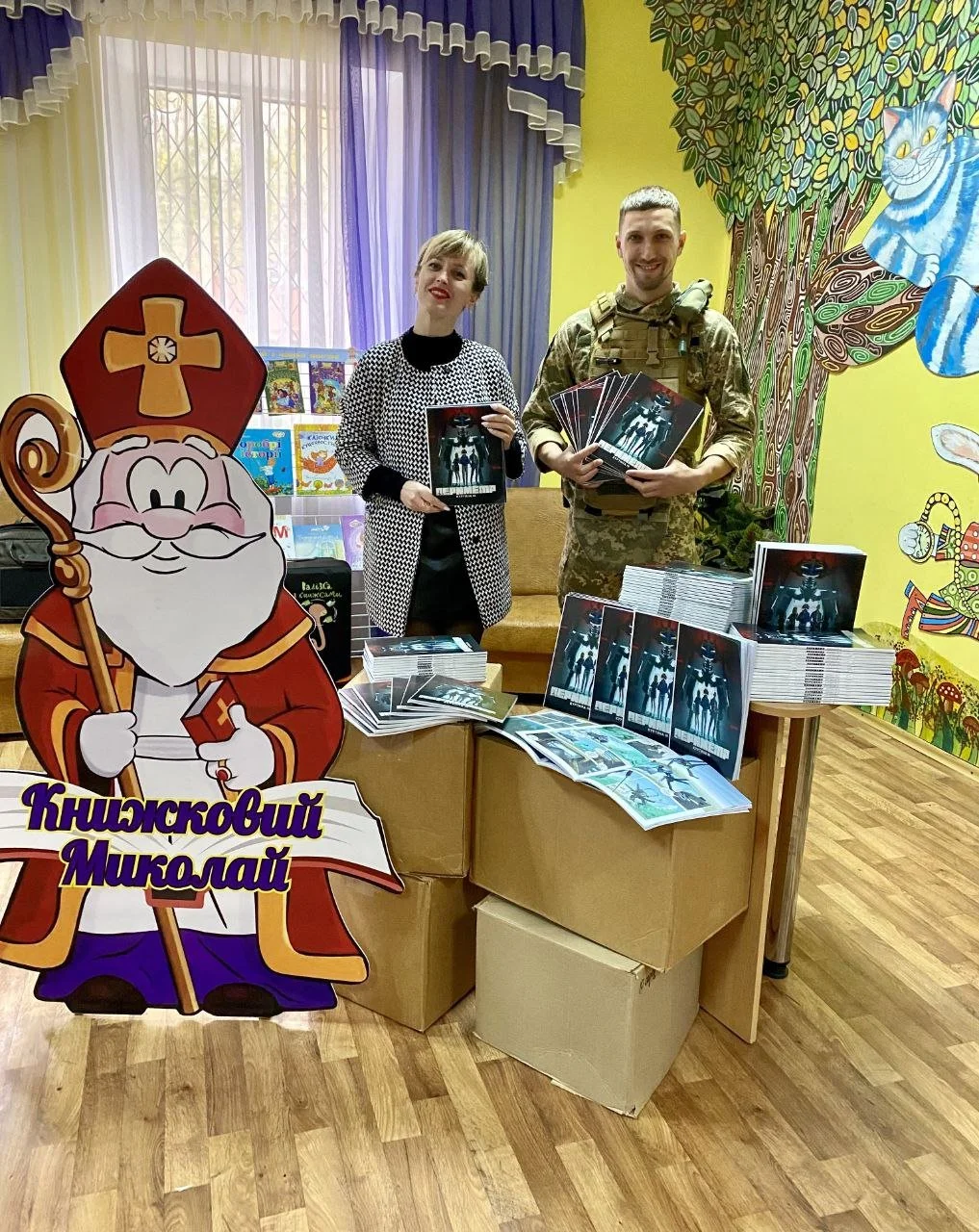
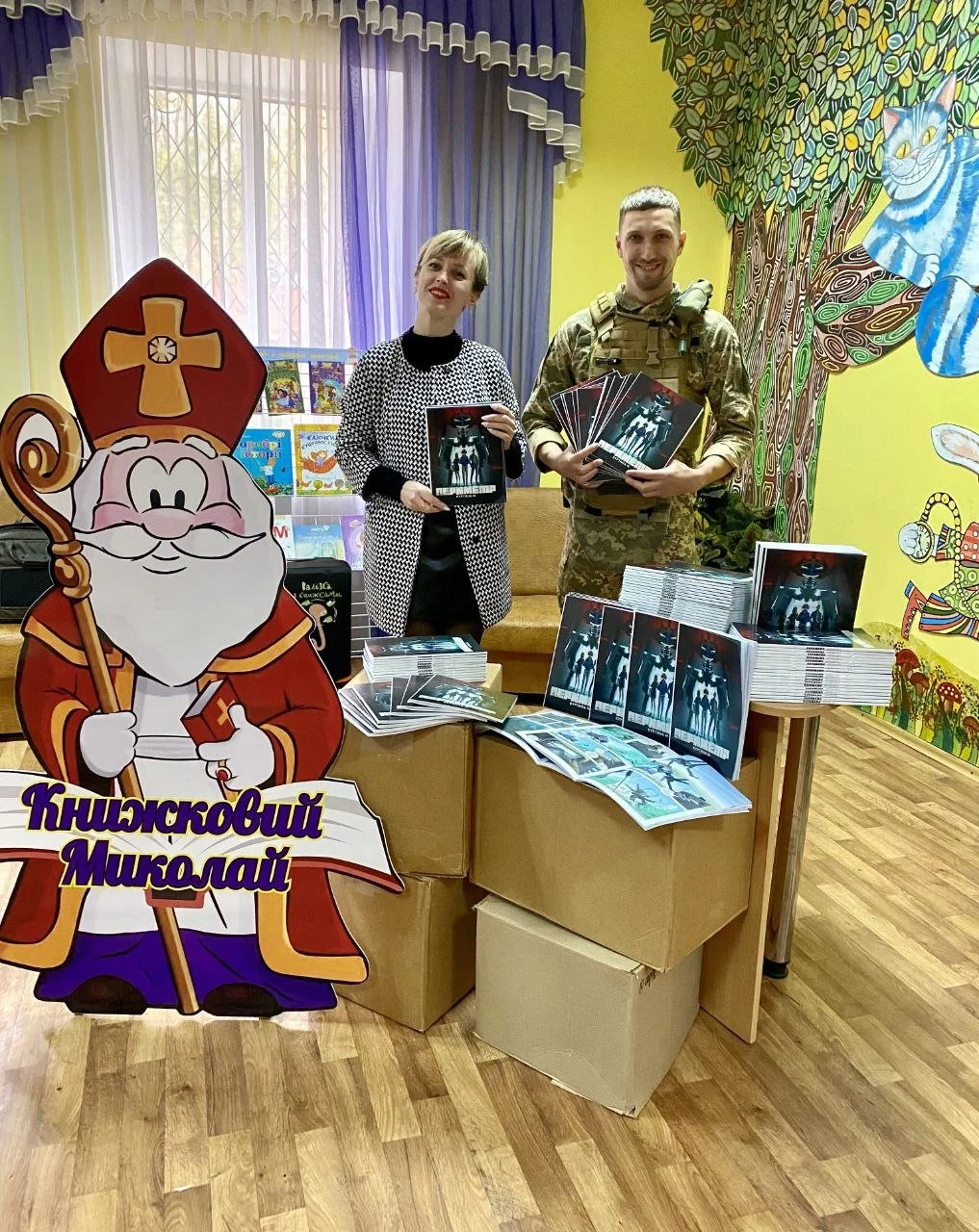
Gift of Comics.
Військовослужбовці збройних сил України в рамках проведення південного фестивалю книги і читання "Книжковий Миколай" привезли в бібліотеку комікси.
As part of the "Book St. Nicholas" Southern Book and Reading Festival, members of the Ukrainian Armed Forces brought comic books for kids to the library.
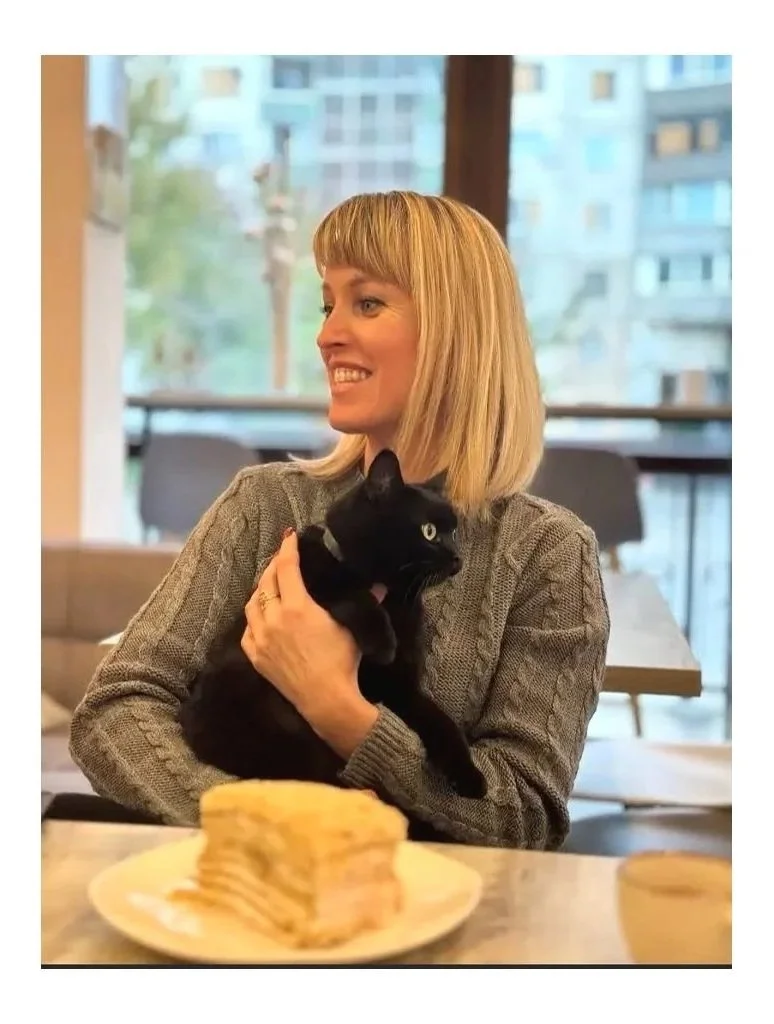
Garik.
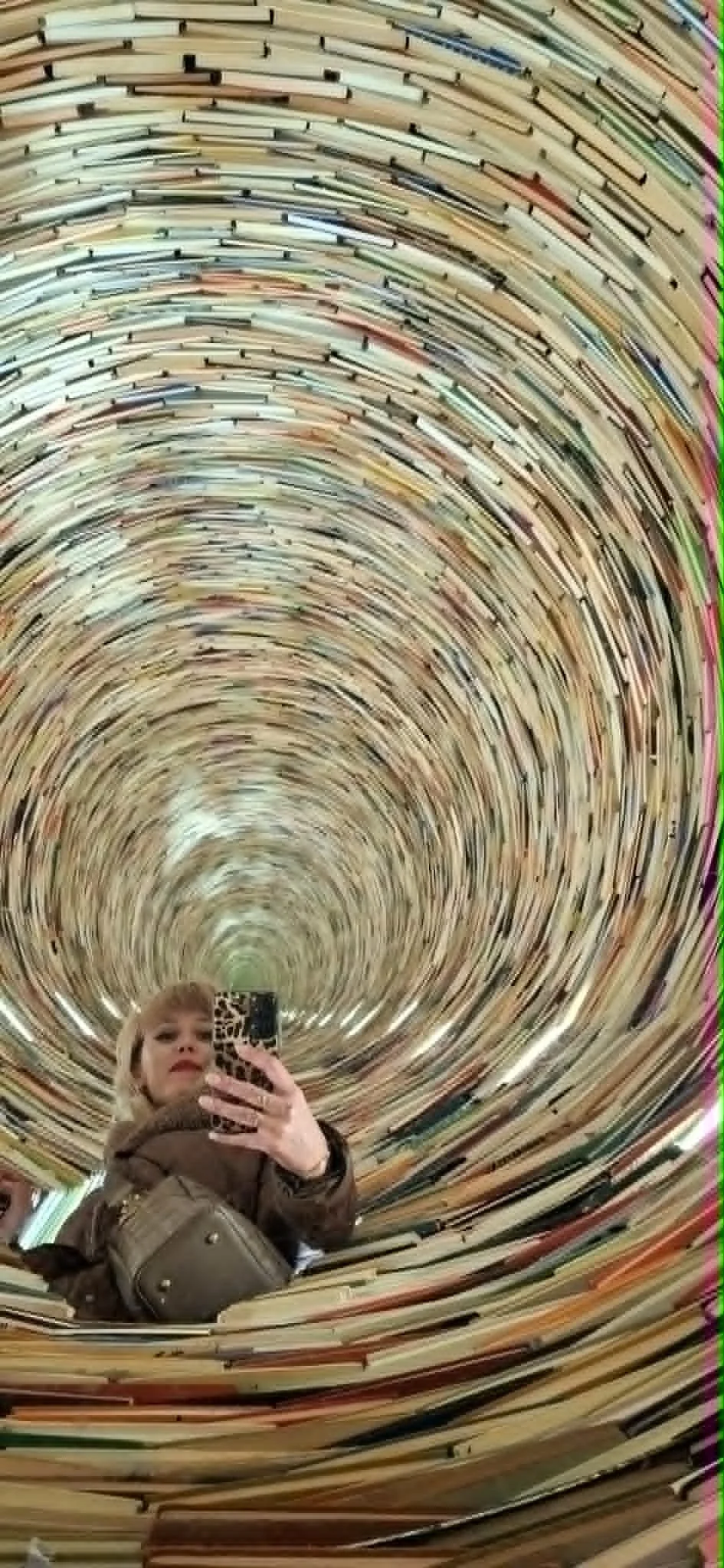
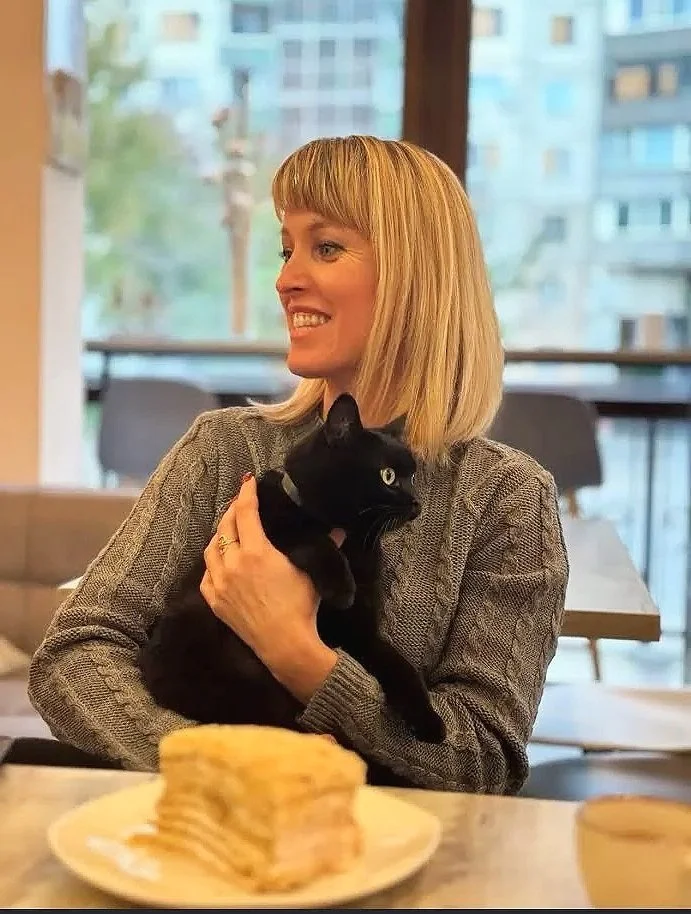
Це фото з моїм котом на ім'я Гарік, якого я підібрала з вулиці під час окупації.
This is a photo of my cat, Garik and me. I rescued Garik from the street during the russian occupation.
10. How do you take care of yourself? Is it even possible to remain mentally stable in wartime? What exactly helps you pull yourself together?
Staying in Kherson during active hostilities is my conscious choice, and I alone bear responsibility for it. Every day we live under shelling and drone attacks; we see destruction and, unfortunately, death. At times, it’s very hard to endure emotionally.
But I know that my family, my friends, and my work help me pull myself together. When I’m struggling emotionally, I don’t shut myself off. On the contrary, I try to be around people, immerse myself even more in my work, and come up with new activities for the children of Kherson. That’s exactly what helps me recover and keep moving forward.
Tetiana’s Family life: Growing Daughter, Thriving Son, New Love and Marriage. In Kherson.
My daughter Veronika grew up at my workplace, and she enjoys participating in all of the library’s public events. She has finished ninth grade, and tomorrow she has her entrance exam for a vocational college of culture and arts, where she plans to major in performing arts. Last summer, she took part in acting and cinematography courses led by Czech cinematographer Vojtěch Hönig. The result of this work was the short film “Attack of the Mutant Watermelons,” for which the children wrote the screenplay and also served as the film’s actors and cinematographers. Last November, the film was screened at the “Prague Film Suitcase” film festival, where it received high praise from the jury.
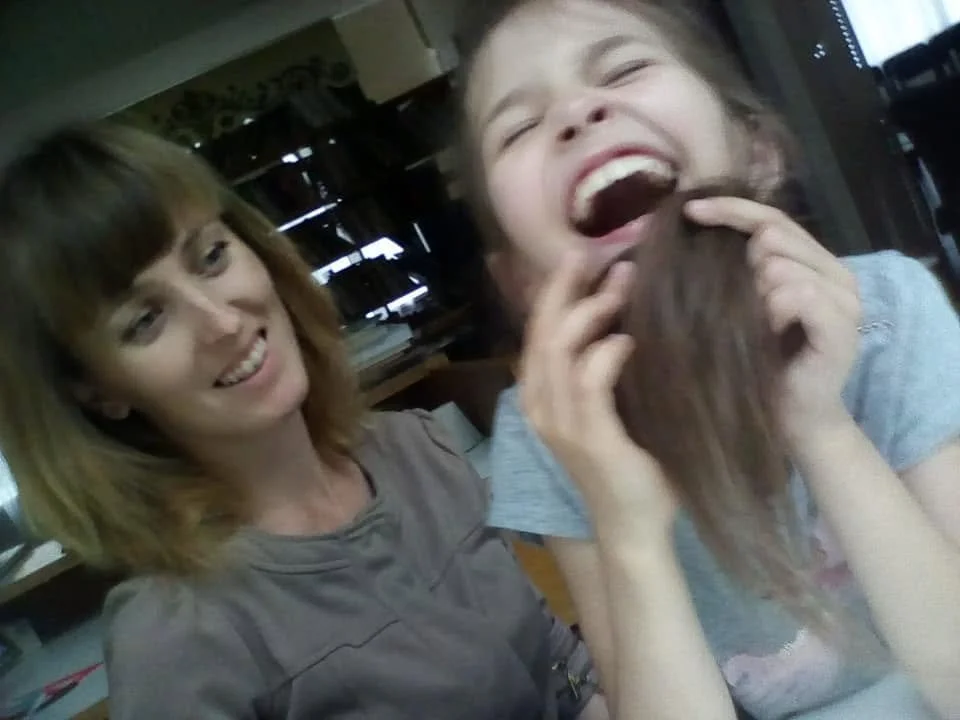
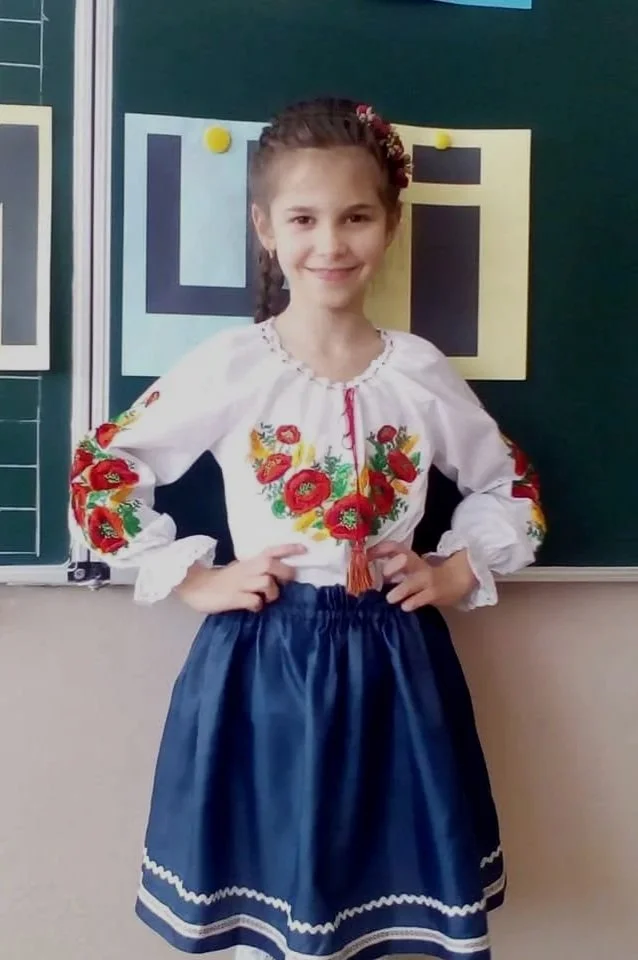
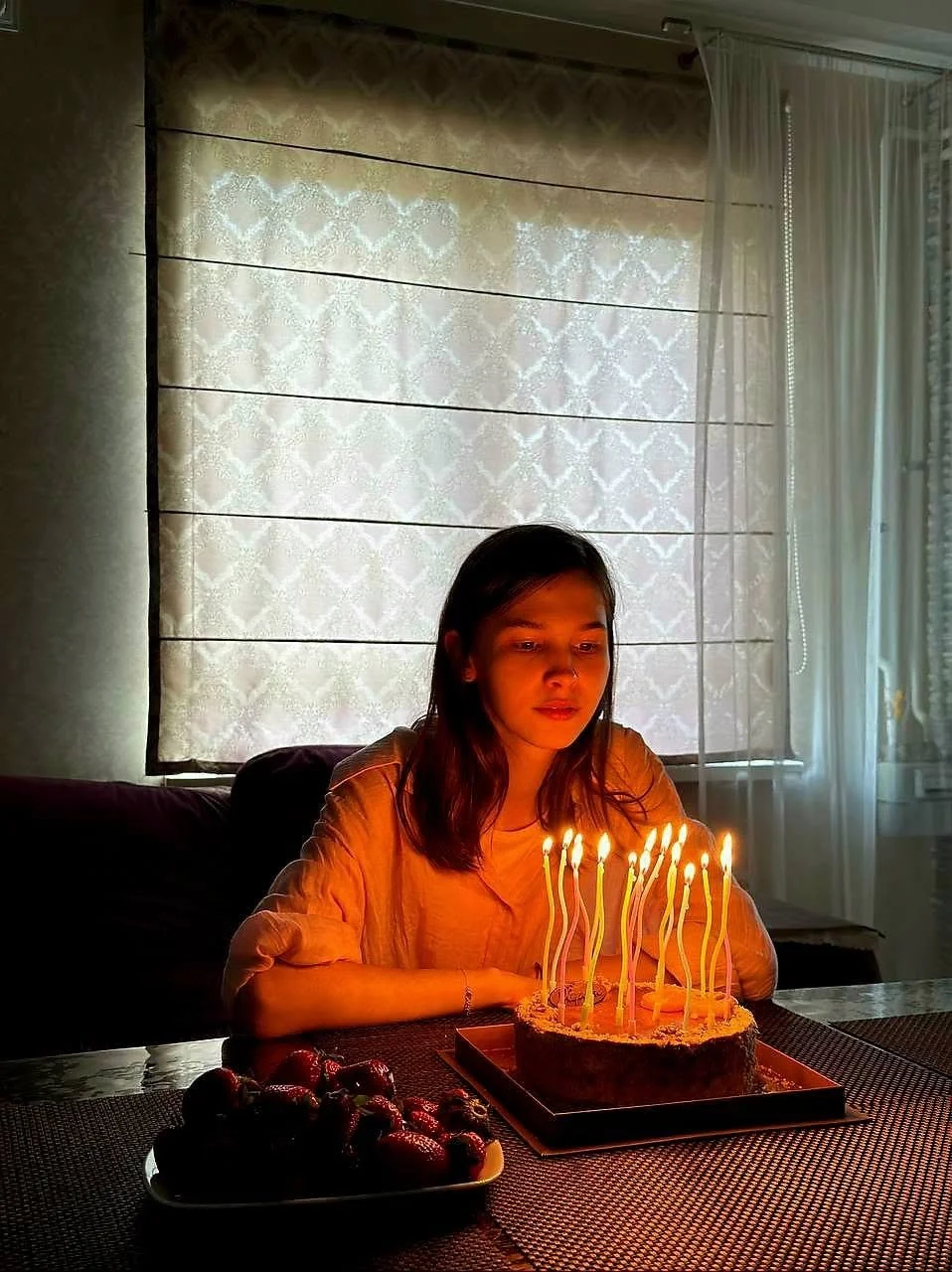
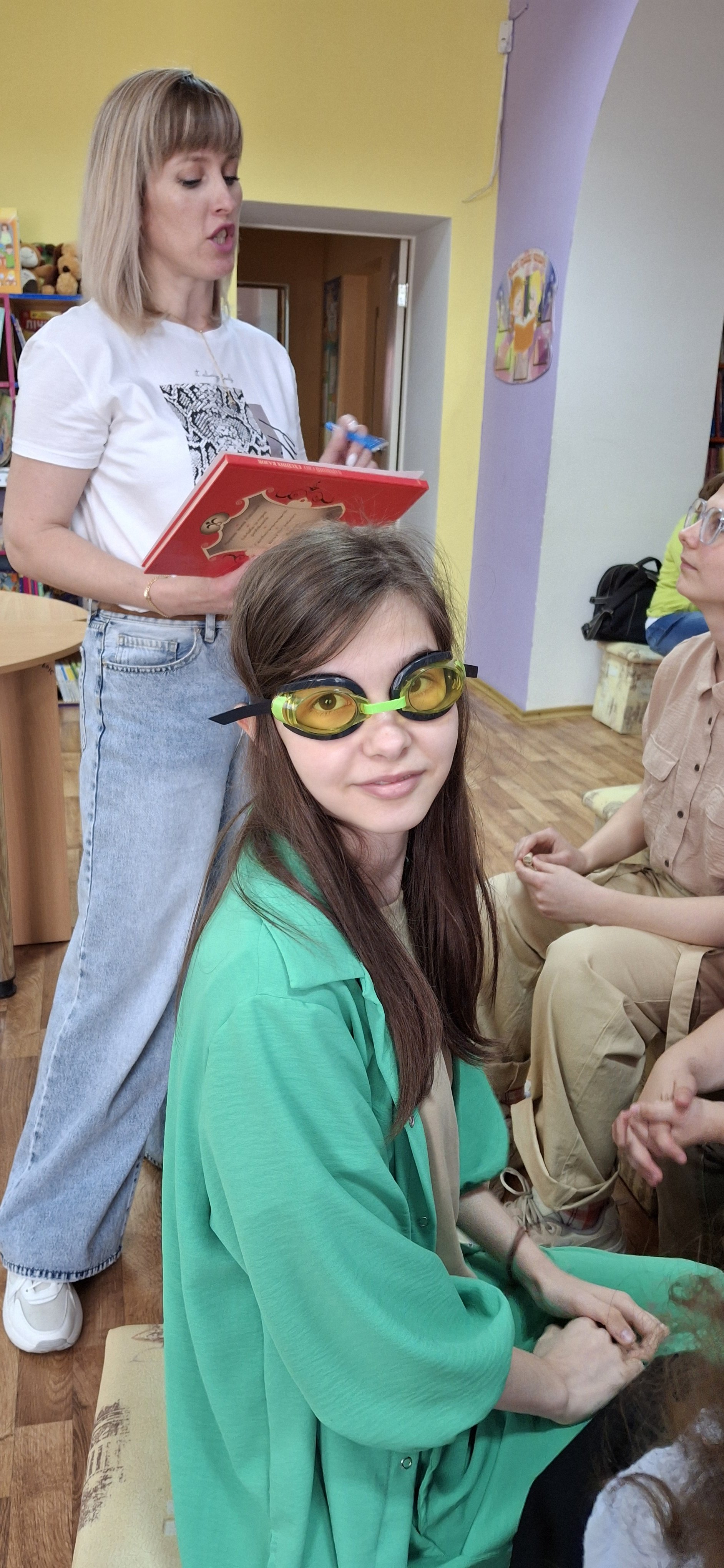
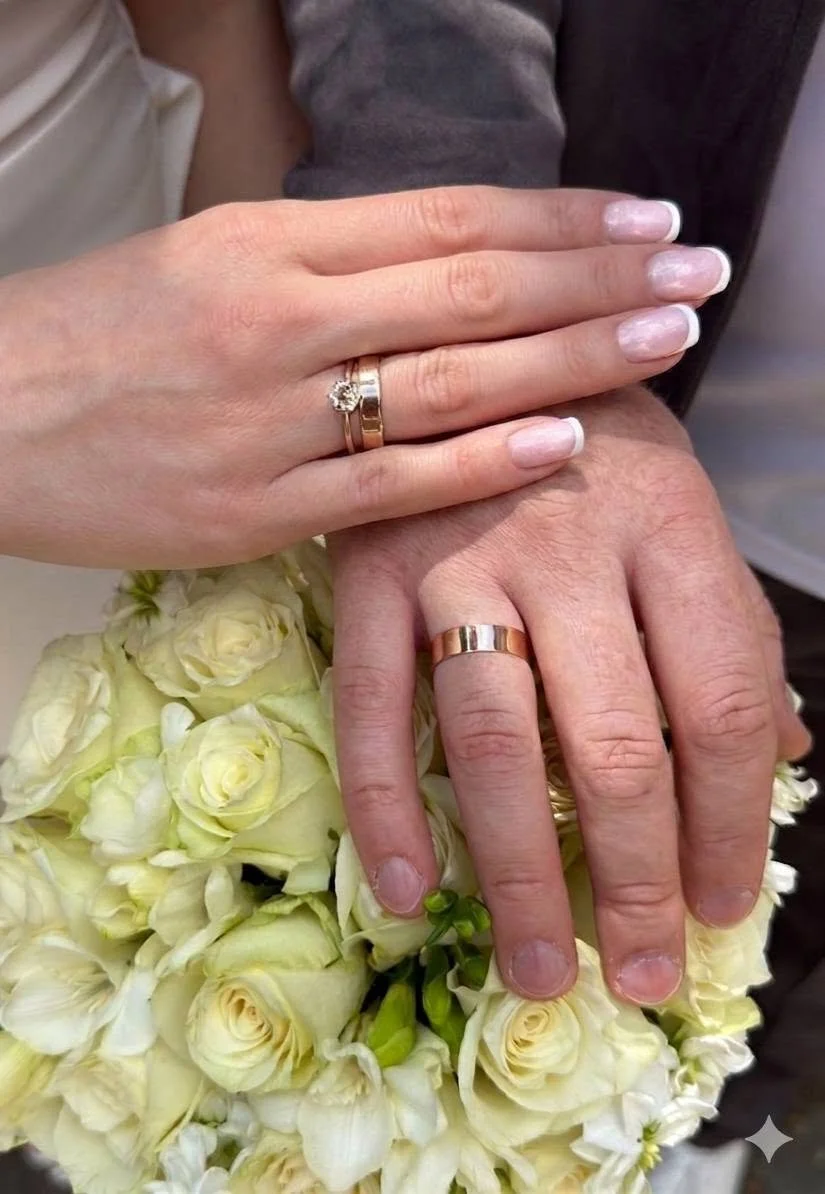
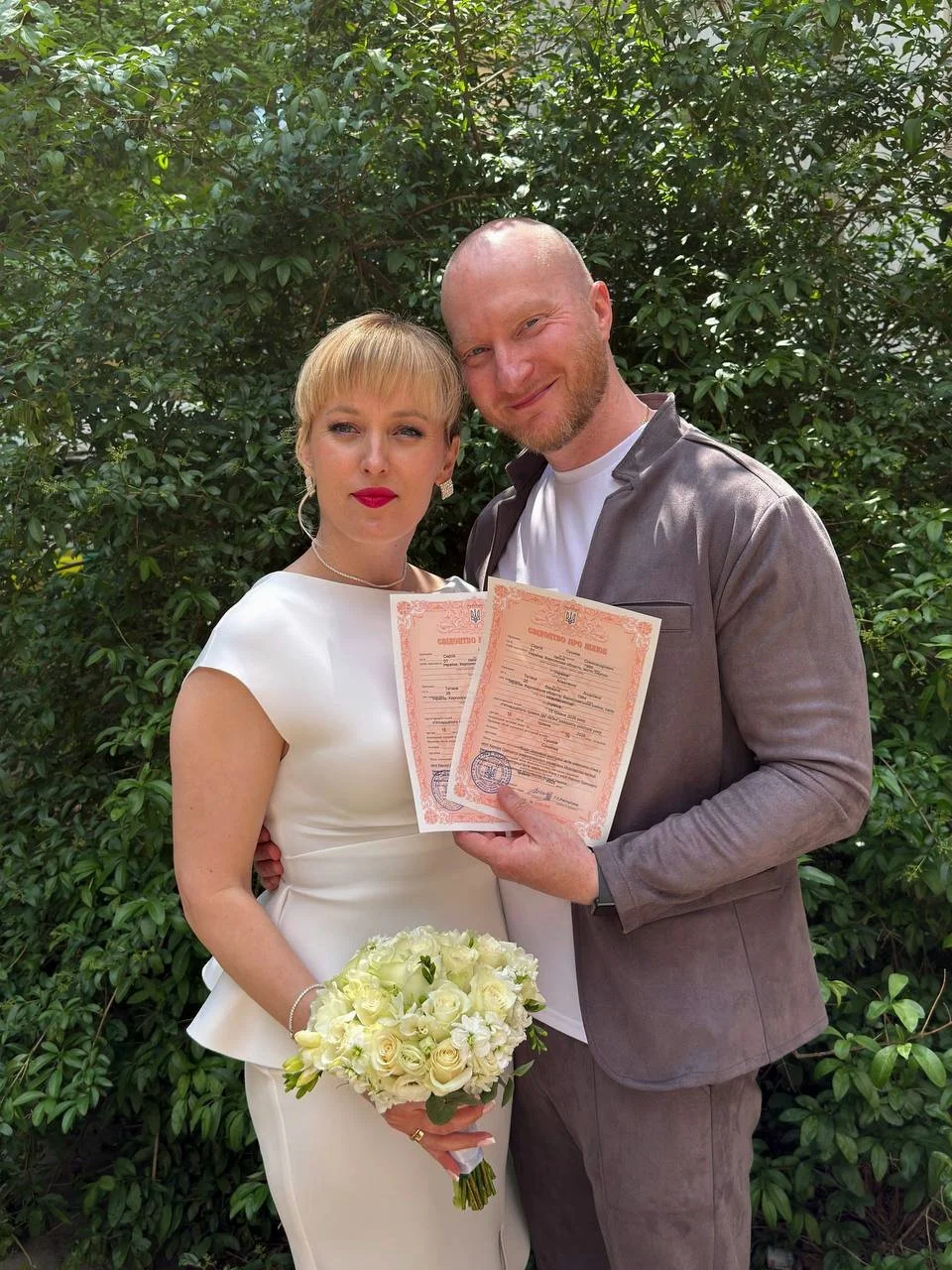
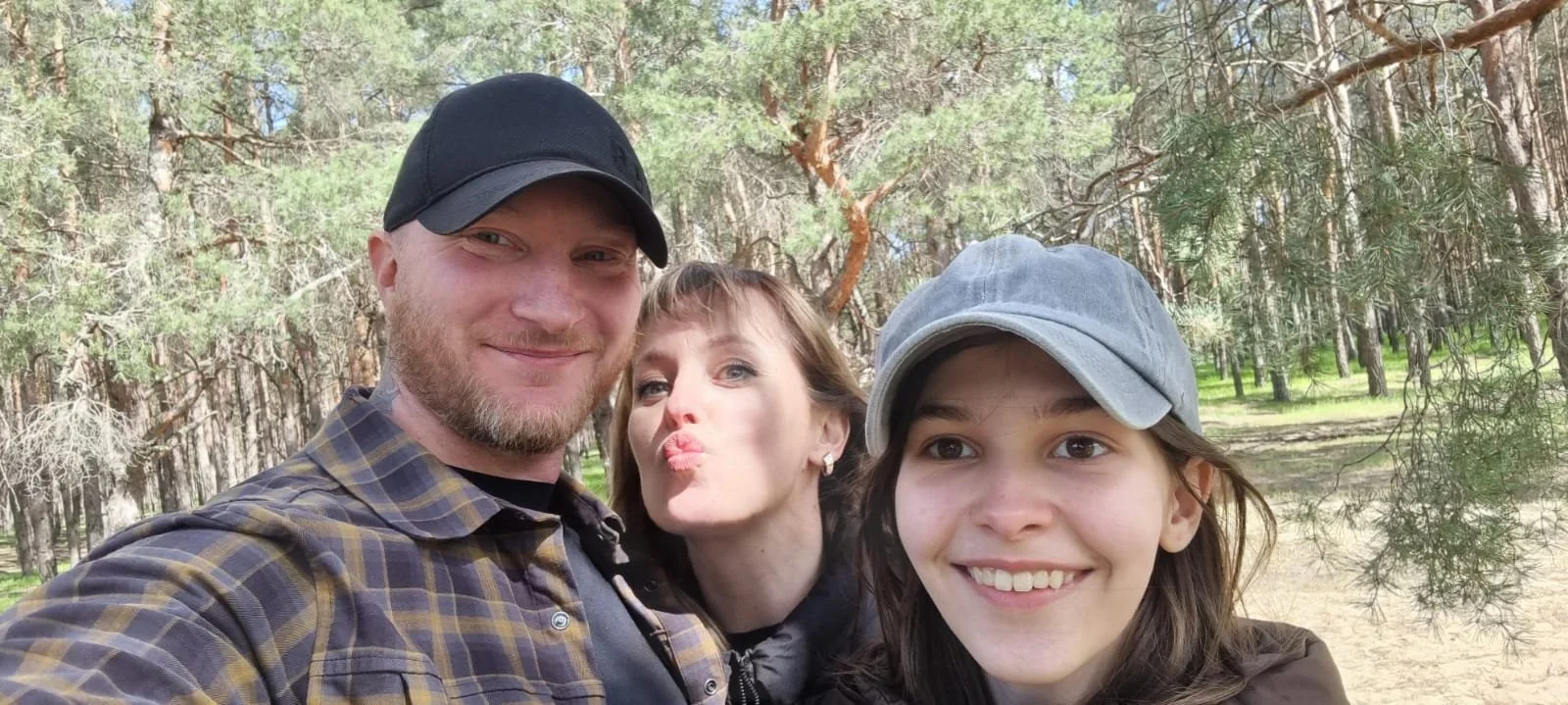
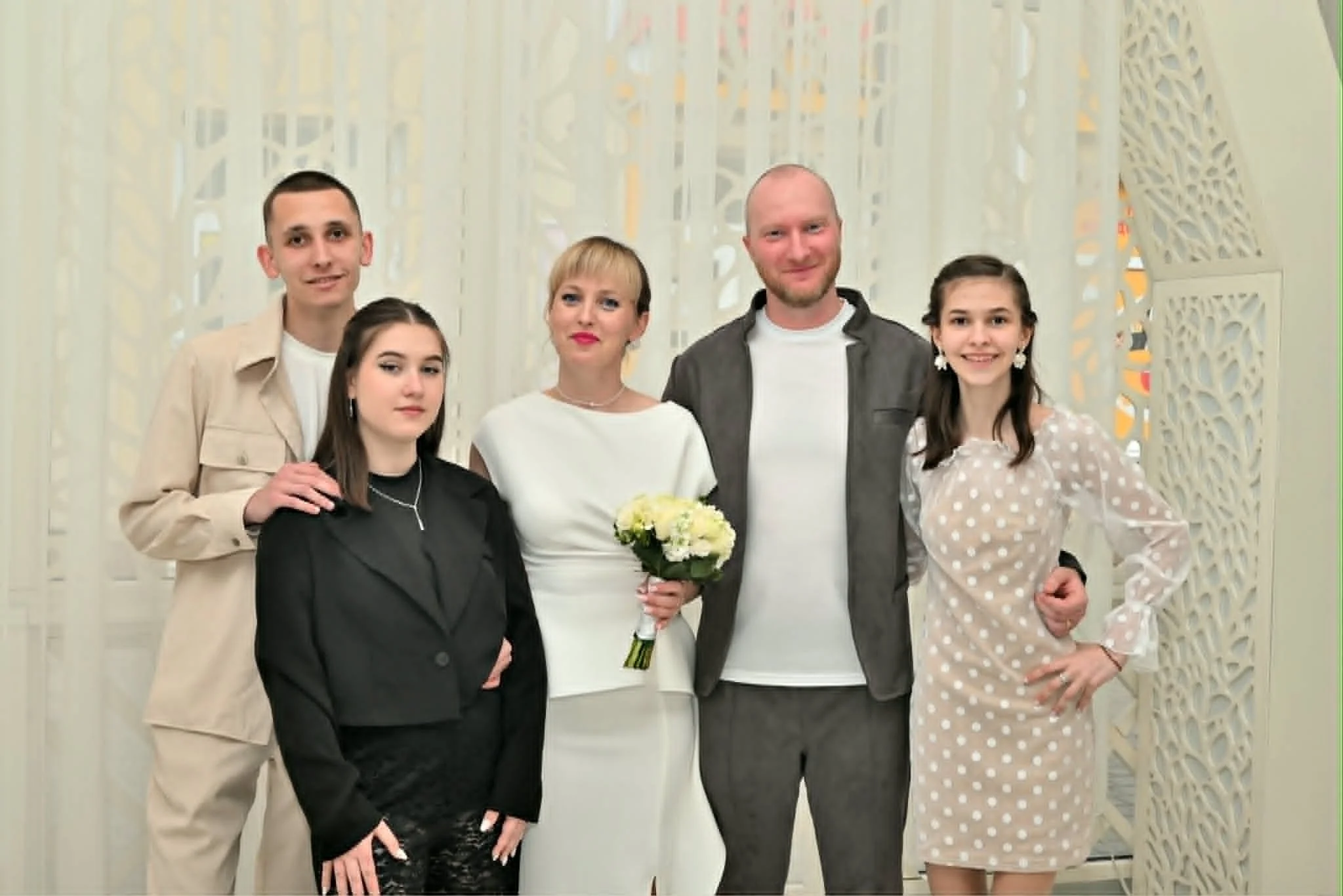
Image source: Tetiana Sushkova.
11. Why and how did you decide to stay in Kherson? Why was that important to you?
At the start of the full-scale invasion, many of my friends left the country. Now they’re scattered all over the world. Each of them tried to convince me to leave as well. I can’t even explain it to myself, but I never wanted to leave Kherson. On the contrary, I felt that I had to be right here. It seemed to me that, if I were far from home, I simply wouldn’t be able to be happy.
I’ve always believed that Kherson will be liberated. I also believe that one day all the occupied Ukrainian territories will return to Ukraine. That’s why, whenever I can, I always support the Ukrainian military, even if it’s just with a small donation.
I never wanted to be part of imperial russia, its culture, or its values. And I never considered myself part of that “brotherly nation” they love to talk about so much.
12. Do you feel that the war has changed you? In what ways? Have you surprised yourself?
The war has definitely changed me. During the occupation, I was forced to sell fish at the market just to survive. Every day, I saw the hollowed-out eyes of Kherson’s retirees, who had been left without a means of support because of the occupiers’ actions, since they couldn’t receive their pensions. I would treat them to some fish.
Every morning, on my way to the market, I would stop in front of an icon and repeat: “Lord, help me not to overlook anyone who needs Your help. Help them through my hands.”
And after Kherson was liberated, humanitarian missions began arriving in the city. And those very same elderly women whom I had once helped began bringing me various treats, mostly canned goods. They really wanted to thank me and took offense when I refused to accept them. For me, it was incredibly touching. Even now, when I think back to that moment, tears well up in my eyes.
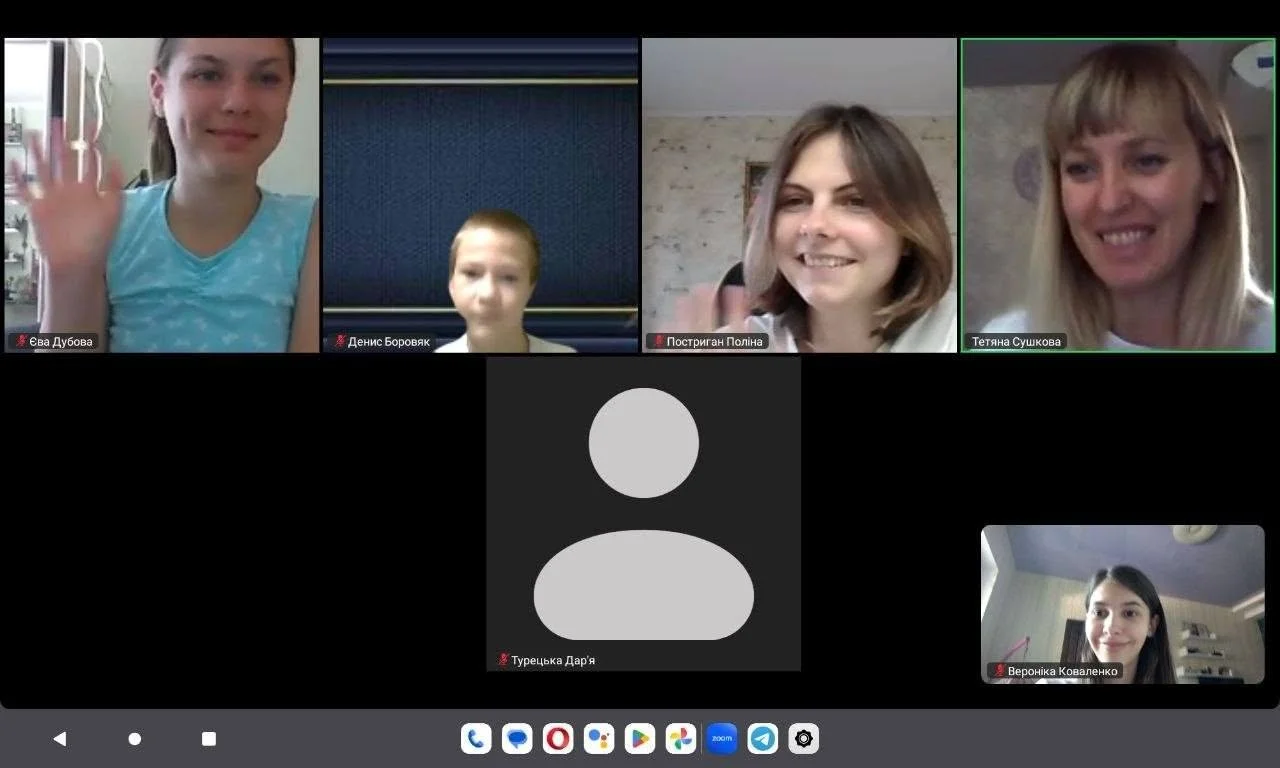
Smiles and laughter. Online Library Events for Kids. Indoors. Away from the russian drones.

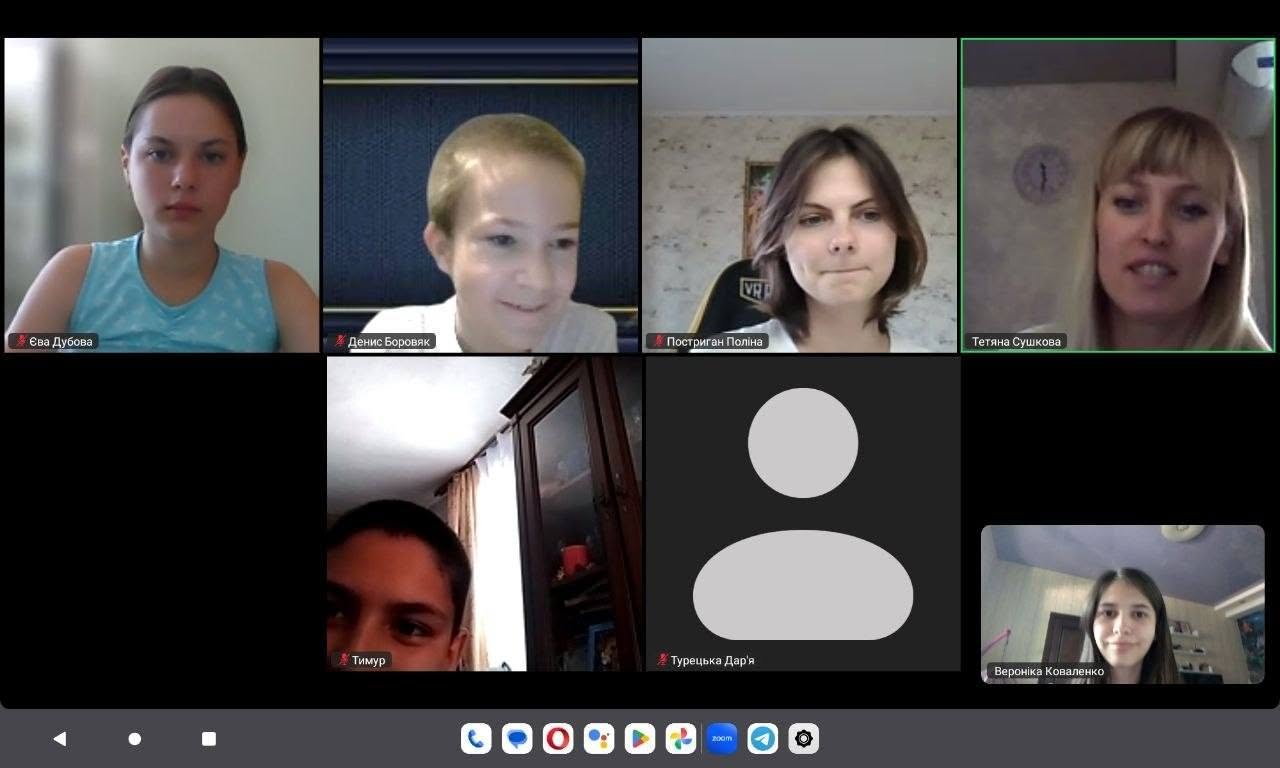
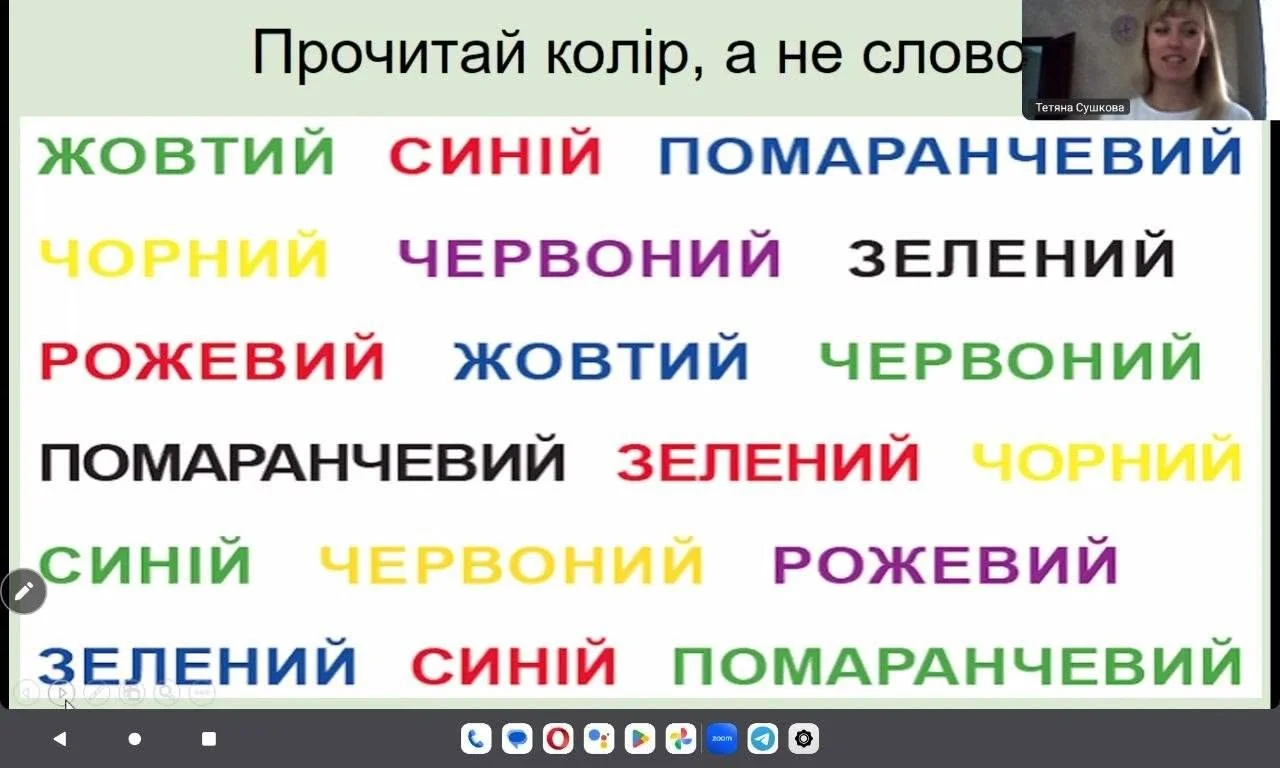
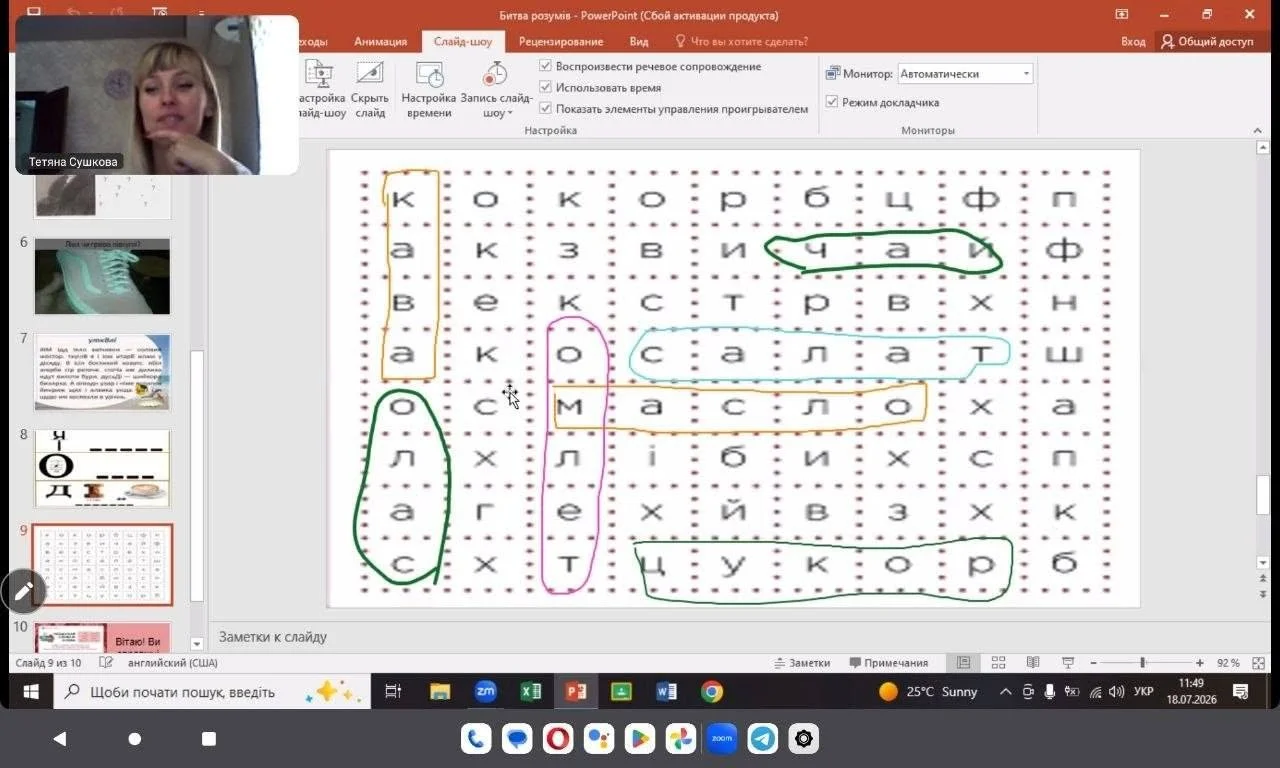
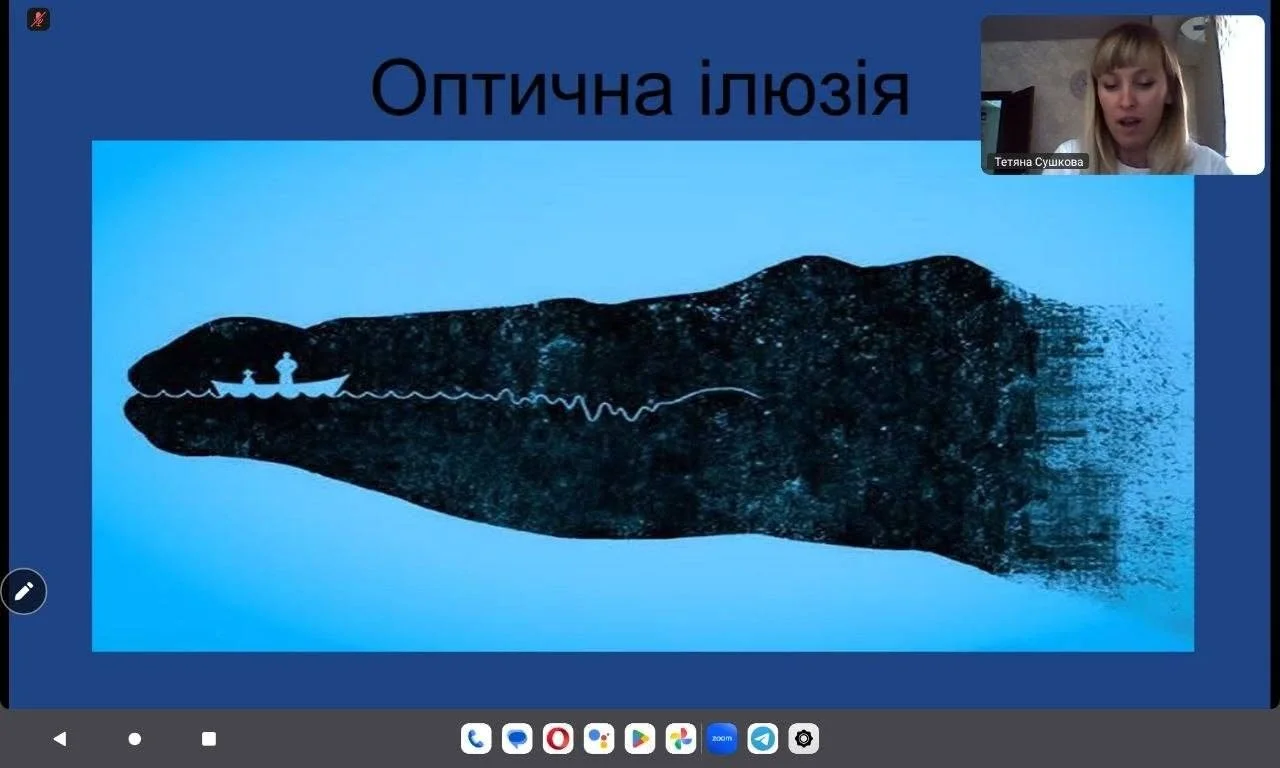
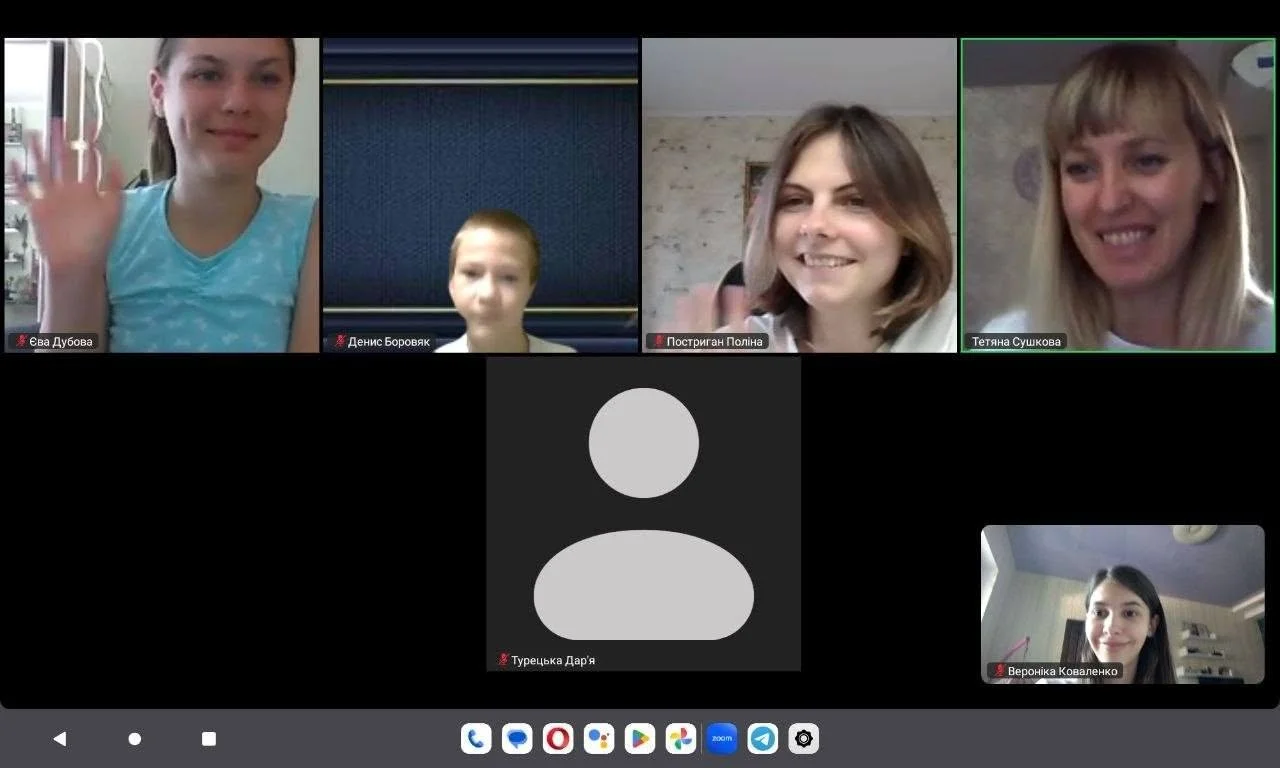
Since russian shelling and FPV drones make it dangerous to go outside in Kherson, children are forced to stay indoors to learn, study, write exams, and play. Tetiana brings them together virtually for Ukrainian language exercises at Kherson’s Central Kids’ library. For some, these online sessions are the only interactions they have with anyone outside their apartment.
13. What do you want the world to know about Ukrainians and Ukrainian women right now?
Right now, the russians are destroying our cities and villages. Every day. People are dying every day. It’s very painful. More and more often, I see people with prosthetics or in wheelchairs on the streets of Kherson.
But despite everything, we continue to resist. We’re defending our right to speak Ukrainian and to preserve our culture and traditions. Every day, we’re fighting for the right to call ourselves Ukrainians and to live in our hometowns.
Recently, I took part in a project by Kherson-based writer Alona Movchan, who wrote a book about the women of Kherson. Her idea is to showcase women who, even during the war, preserve their femininity and continue to pursue their passions. We keep putting on makeup, wearing heels, and styling our hair. And I think that this, too, is a manifestation of our inner strength.
14. Which women inspire you?
I’m inspired by Ukrainian women. Every day, they find the strength within themselves to wake up, work, raise children, support their families, help others, and at the same time remain beautiful, kind, and strong. They’re the ones who inspire me every day not to give up.
15. What place or activity makes you happier?
I always try to stay busy. I simply don’t have time to be depressed. My husband and I go to the gym together, cook together, and share ideas about work. We meet up with friends and always try to find time for leisure. If there’s a cultural event happening in Kherson, even in a bomb shelter, we make a point of attending it.
Before the war, I loved walking along our waterfront. I have so many happy memories tied to that place. I really dream of walking there again with a to-go cup of cappuccino in my hands, meeting people walking their dogs and kids rollerblading, wrapped in a blanket, and taking a boat ride down the river Dnipro.
16. What will you do first after Ukraine’s victory? What do you dream of for yourself and your family?
At first, I’ll just cry. Then I’ll go to my hometown of Novoberyslav. To the ruins of my parents’ house, which has been completely destroyed. That’s where I grew up. Where I used to take my children to visit their grandparents during the holidays.
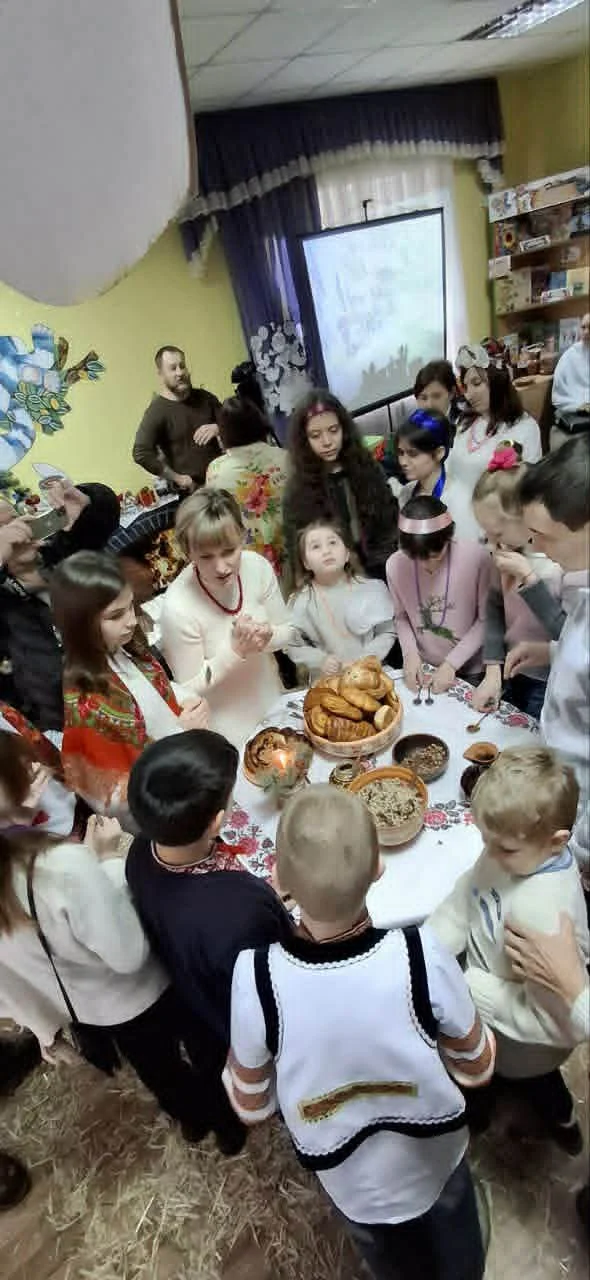
Mom always laid out a festive tablecloth for Easter and Christmas. We baked Easter bread together, and in the winter we welcomed carolers and were simply happy. Now I’m teaching my children these traditions, too. But nowadays we gather in rented apartments that aren’t ours, around tables that aren’t ours. Because our home is no longer there.
I dream most of all about simple things: a cozy home, silence without explosions, a life without fear and without constantly worrying about my loved ones.
17. In your opinion, how do russians as a people differ from Ukrainians? Were you aware of these differences before the full-scale war?
Yes, I’ve always felt that we are very different. First and foremost, in spirit, values, culture, and attitude toward life.
Take Ukrainian villages, for example. Our houses have long been neat, painted white, with flower-filled yards. It’s not just about aesthetics, but about respect for one’s home and one’s land. If someone’s house caught fire, the whole village would come together to help. First, they’d put out the fire together, and then they’d work as a community to rebuild the destroyed home. That’s how it’s been done for generations.
It seems to me that Ukrainians have always relied on each other more. We know how to empathize, unite, and help others, even strangers. This is exactly what I witnessed both during the occupation and after the bombing of the Kakhovka Hydroelectric Power Plant, when thousands of people rescued one another without asking who worked for whom or what their financial situation was.
Unfortunately, for decades, the russian state has instilled in society entirely different values: a cult of force, fear, and submission. That is precisely why I am stunned by how easily many individuals there accept aggression against other nations or simply support violence in silence. Many people who fled the occupied territories through Russia witnessed firsthand the reality of this so-called russian “superpower.” It is nothing like the image portrayed by russian propaganda.
I never wanted to be part of that society. I’m proud to be Ukrainian and to belong to a people who, even in the hardest of times, don’t lose their humanity, mutual support, nor their desire for freedom.
18. Do you feel that Ukrainians who left the country during a full-scale war have any responsibility toward their homeland?
I don’t judge anyone. Each of us had to make a very difficult choice: to stay or to save ourselves and our children. War is terrifying. It’s terrifying to live where death can come at any moment.
As we’re recording this interview, I’m reading news again about an attack on public transportation in Kherson. There are dead and wounded. Inside, there’s only pain, despair, and emptiness. But there are no more tears left. I suppose that’s how the mind protects itself from constant stress.
The people who left in 2022, at the start of the full-scale, weren’t looking for a better life abroad. They were fleeing the war. And I really hope that none of them face humiliation or discrimination simply because they are Ukrainian. I hope that after victory, everyone will return home to a peaceful, safe, and strong Ukraine.
19. Where can people learn more about you and your work? If someone wants to support your projects, where can they turn? What do you dream about?
All information about me and my work can be found on my social media pages. I’ll include the links below:
Kherson Central Children’s Library. A moment of reprieve from russian bombs.
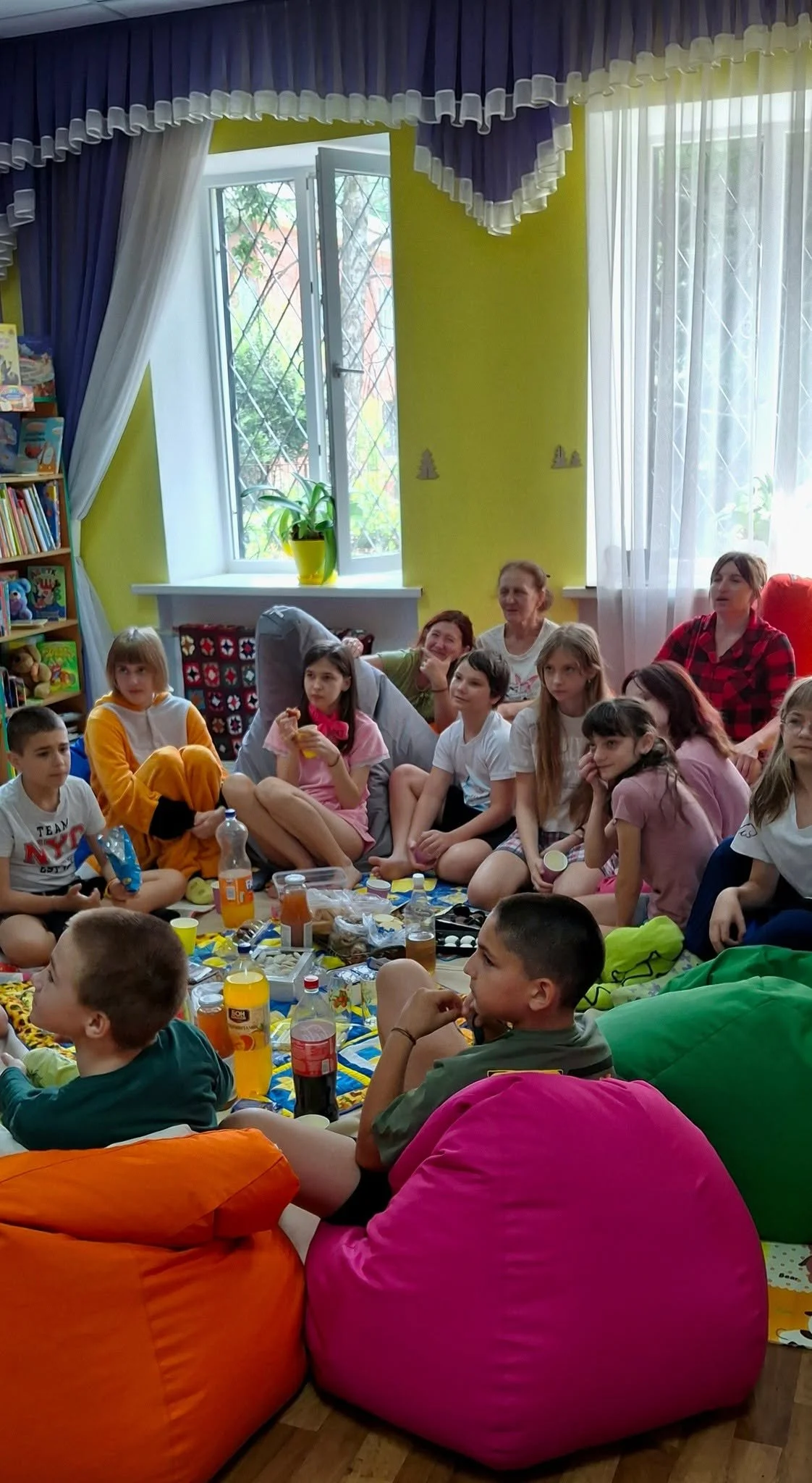
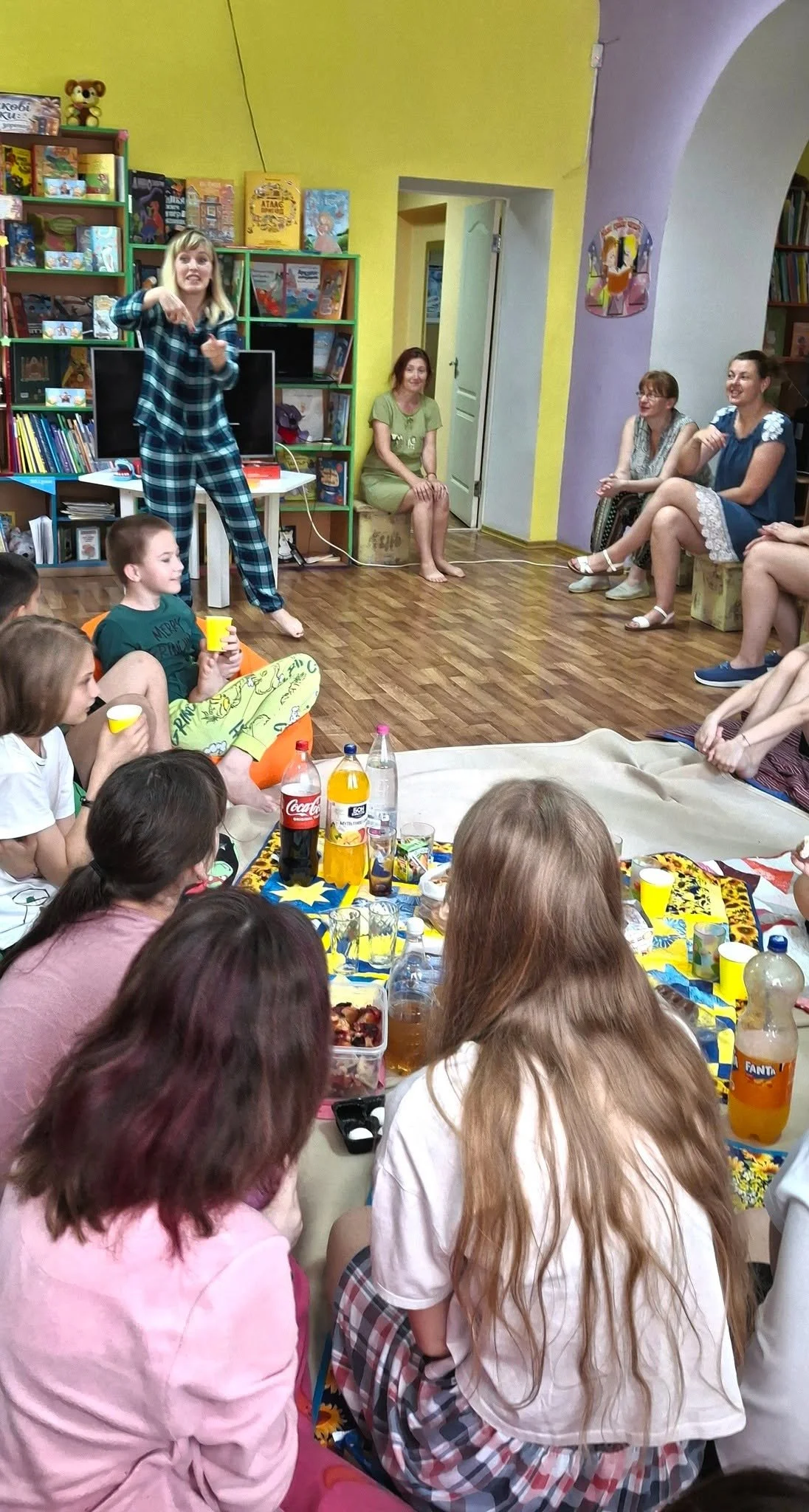
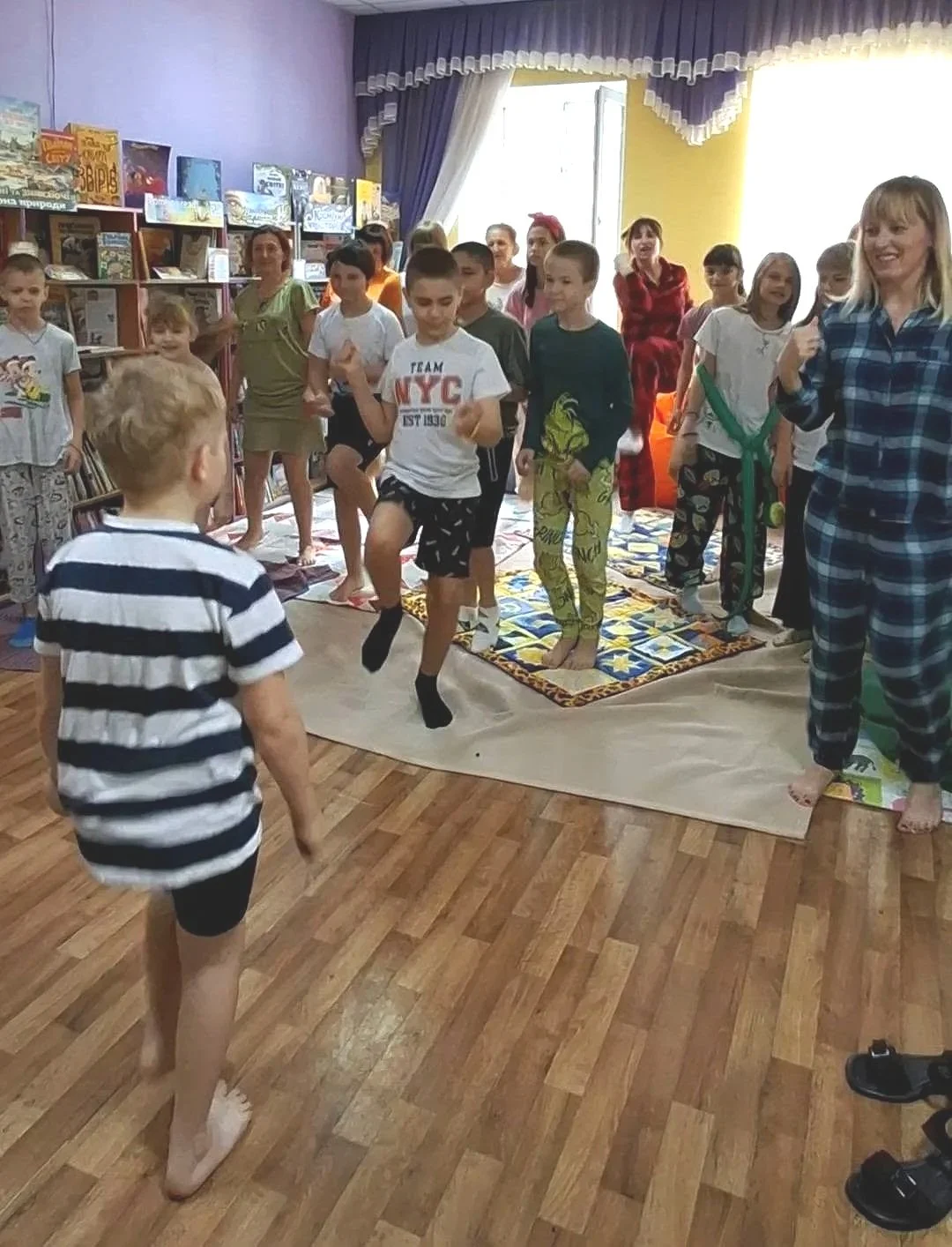
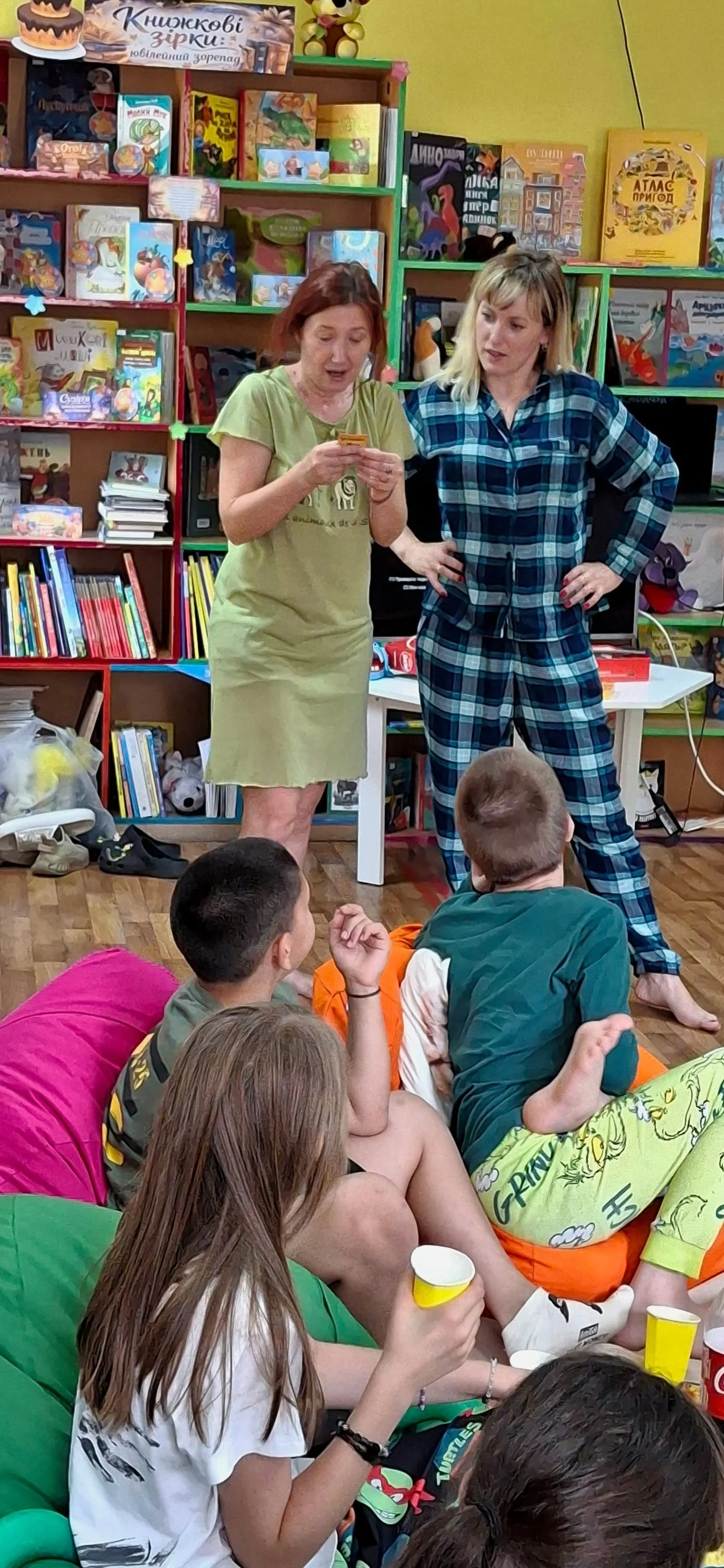
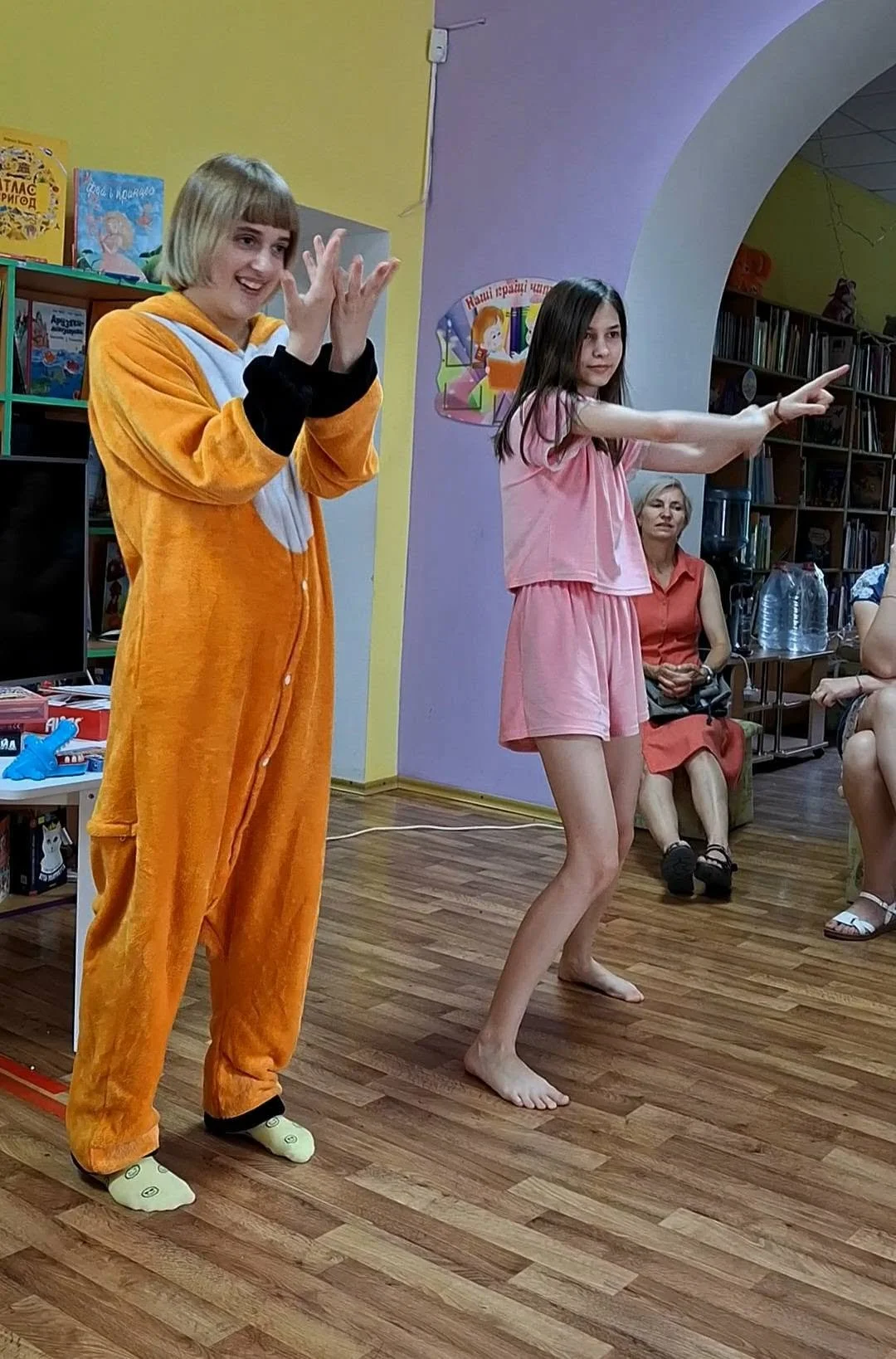
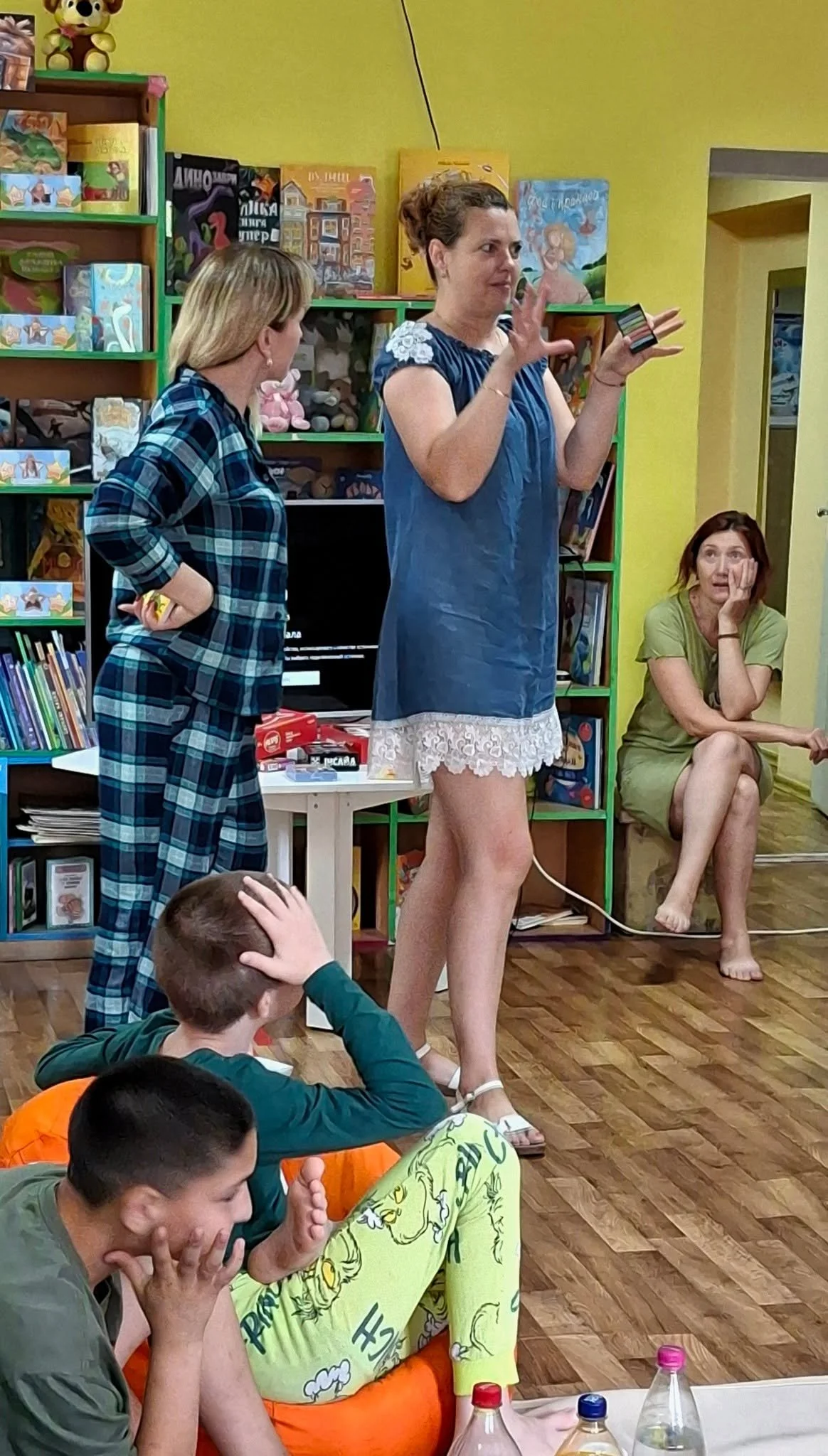
Image source: Kherson Children’s Public Library.
Dreams.
I have many dreams.
I want to continue working for the children of Kherson, because the war has ruthlessly robbed them of their right to a carefree childhood. Together with the library staff, we try every day to bring back a sense of joy to them, even if only for a short while. We want to continue organizing meetings with people from various professions, conduct creative workshops, and cultural, educational, patriotic and entertainment events.
We want the library to be a place where children can forget about the war, at least for a few hours.
I really want the library to have a professional camera. Then we could work with the children to create high-quality videos of our events, teach them the basics of photography and videography, and help them discover new talents. We have an underground shelter, but I want it to be not only safe but also warm, cozy, and bright. So that when a child goes in there during an air raid alert, they’ll feel at least a little calmer, even if just for a moment. Another dream of mine is a playground in the library’s courtyard. I really want it to be a modern space for family recreation, children’s games, and socializing.
Recently, together with the children, we finished working on a book based on real events. In it, we tell the story of life under occupation through the eyes of those who lived through it themselves. This book isn’t just about pain. It’s also about humanity, mutual support, strength of spirit, and the resilience of the people of Kherson.
I’ve never raised funds to bring my ideas to life. I’ve simply worked and did everything I could myself. But I sincerely believe that one day there will be people who want to help realize these dreams. Every dream like this is, first and foremost, about children who deserve a happy childhood even in the midst of war.
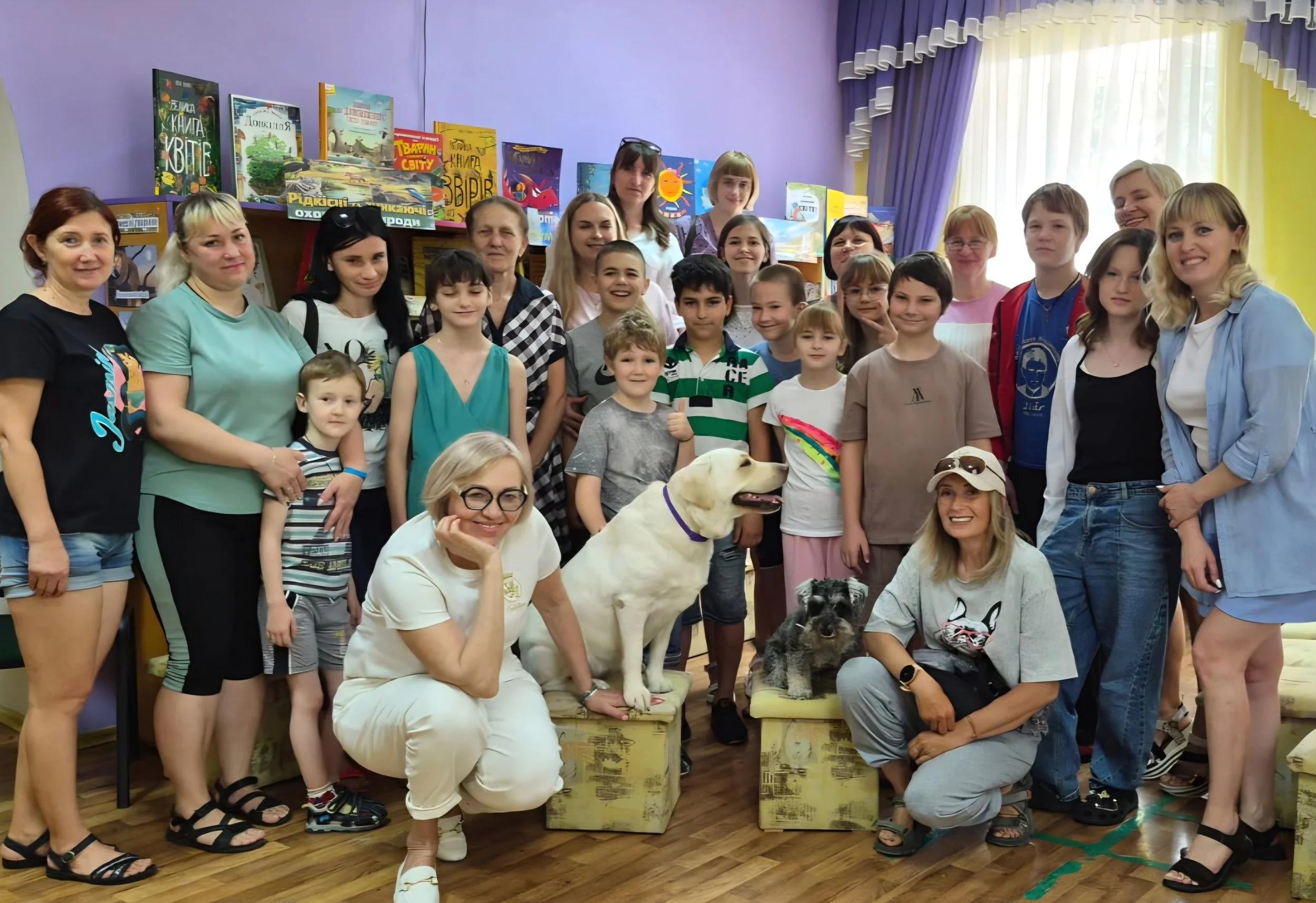
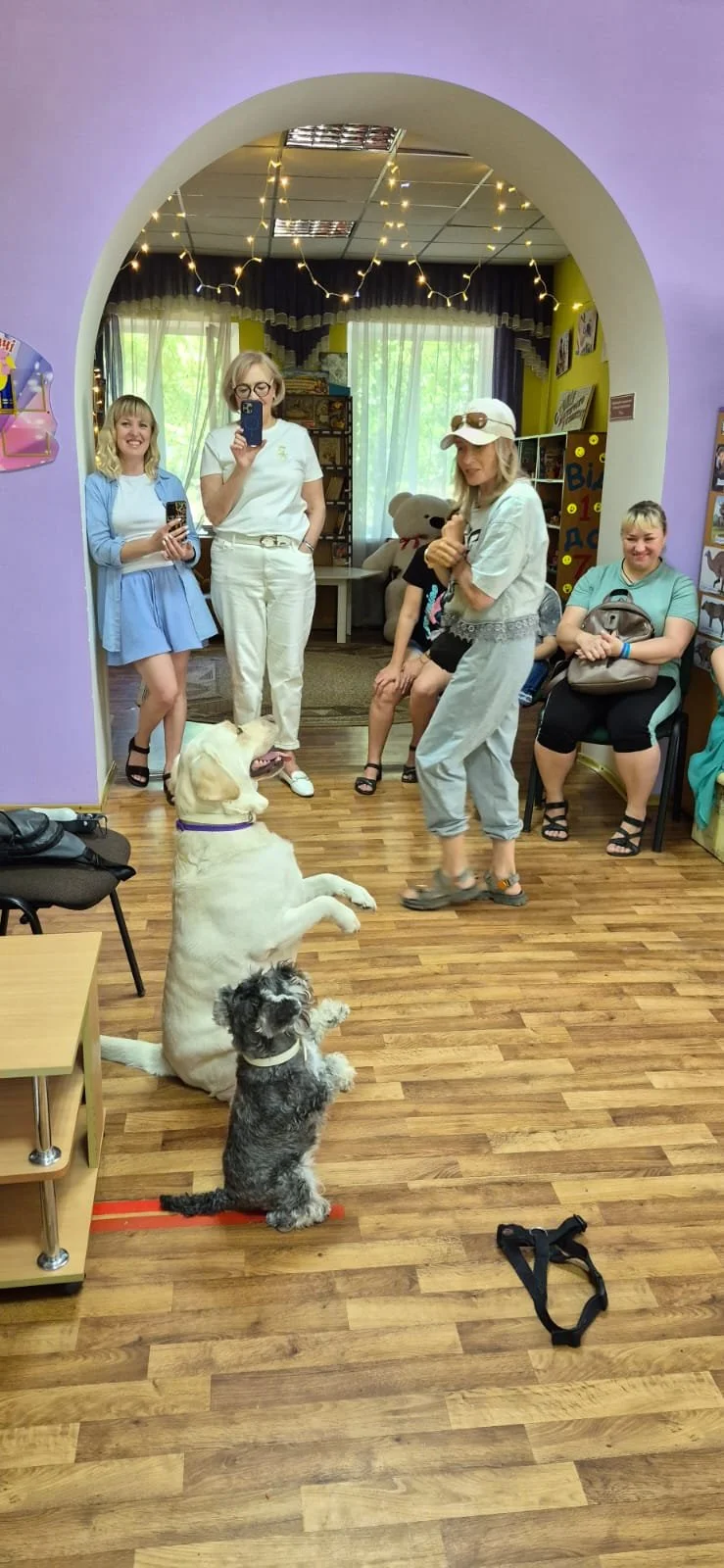
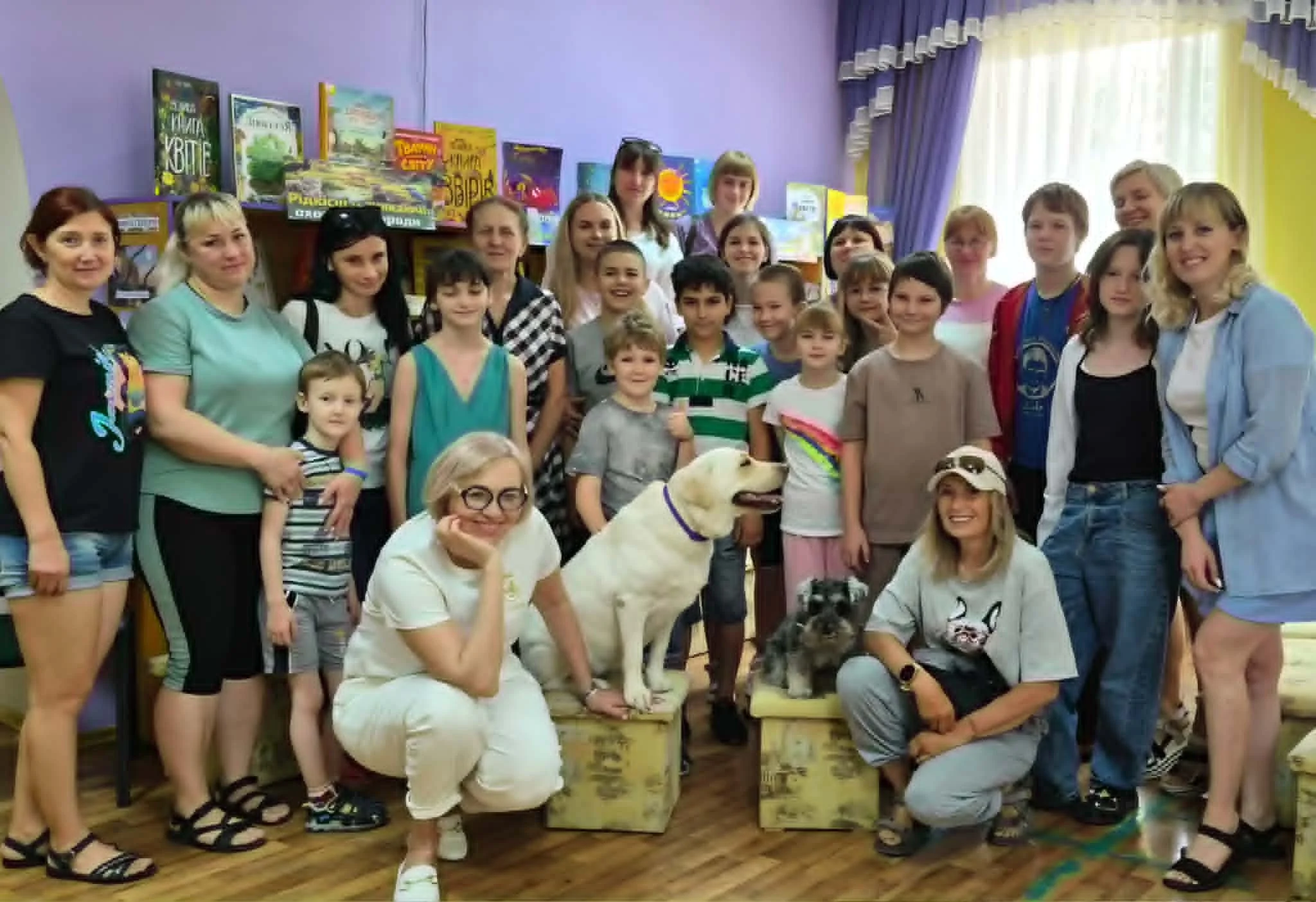
Це фото з бібліотечного заходу під час зустрічі з кінологом. Dog trainer visited the kids today at a library event.
ЦЯ ІСТОРІЯ "INSIDE UKRAINE", З Херсона.

* Всі зображення та відповіді у матеріалі були надані WOW Woman
СЕРІЯ INSIDE UKRAINE/ВСЕРЕДИНІ УКРАЇНИ: МОМЕНТАЛЬНИЙ ЗНІМОК, ОДИН ДЕНЬ З ЖИТТЯ, ПОГЛЯД НА ТЕ, ЯК ЦЕ - ЖИТИ, ЧИНИТИ ОПІР, ВИЖИВАТИ І НЕ ЗДАВАТИСЯ В КРАЇНІ, ЯКА ПЕРЕБУВАЄ ПІД ЗАГРОЗОЮ.
СЛАВА УКРАЇНСЬКИМ ВАУ-ЖІНКАМ, ЯКІ ПІДТРИМУЮТЬ СВОЮ КРАЇНУ І НАБЛИЖАЮТЬ УКРАЇНУ ДО ПЕРЕМОГИ.
Тетяна Сушкова працює бібліотекаркою в Херсоні. Місцеві жителі називають своє повсякденне життя одним словом: «сафарі». Російські дрони (пілоти яких перебувають прямо на протилежному березі річки) полюють на українських цивільних, які йдуть на роботу, до магазину чи на автобус. За день можуть потрапити під обстріл два-три мікроавтобуси. Багато знайомих Тетяни, які могли виїхати до війни, вже виїхали.
Її друзі благали її теж поїхати. Вона залишилася. Вона не може до кінця пояснити, чому, окрім того, що поїздка здавалася їй неправильною. «Я відчувала, що маю бути саме тут», - каже вона. «Якби я була далеко від дому, я просто не змогла б бути щасливою».
Протягом восьми місяців російської окупації Тетяна не хотіла працювати бібліотекаркою. Не для них. Тож вона продавала рибу на ринку, щоб як-небудь прожити. Вона дарувала рибу літнім людям, які більше не могли отримувати пенсії. Щоранку вона зупинялася біля ікони, молилася і просила, щоб не пропустити нікого, хто справді потребує допомоги. Після того, як місто звільнили Збройні Сили України, ті самі пенсіонери почали приносити Тетяні консерви, щоб подякувати, і засмучувалися, коли вона відмовлялася приймати їхні подарунки. Тетяна зі сльозами на очах згадує про це.
Зараз Тетяна знову працює в Херсонській центральній дитячій бібліотеці. Вона організовує заходи для дітей у підземному притулку, де їх не дістають обстріли, де вони можуть на кілька годин знову відчути себе дітьми. Разом із дітьми вона написала книгу про життя під окупацією, викладену їхніми власними словами. Її мрії надзвичайно скромні й конкретні: фотоапарат для бібліотеки, тепліший притулок, ігровий майданчик у дворі бібліотеки. Можливість вийти на вулицю. А колись – прогулянка вздовж річки з чашкою кави в руці, без вибухів, без нічого, чого б слід було боятися.
У Херсоні, де росія продовжує намагатися знищити нормальне життя, Тетяна захищає майбутнє України; вона дарує дітям можливість хоча б на мить відчути нормальне дитинство..
Тетяна Сушкова нізащо не здається! Я в захваті від цієї безстрашної бібліотекарки, жінки-WOW із Херсона. Пишаюся тим, що знаю таких жінок, і вважаю за честь поділитися з вами її історією.
- Ольга Шмайденко, засновниця «WOW Woman»
БЕЗСТРАШНА Бібліотекарка з Херсона
1. Прізвище, ім'я?
Мене звати Тетяна Сушкова.
2. Де ви народилися і де зараз живете?
Я народилася в місті Берислав, що розташоване на березі Каховського водосховища. Зараз проживаю в місті Херсон.
3. На кого ви навчалися та за якою професією працюєте зараз?
Я навчалася за спеціальністю «Бібліотечна, інформаційна та архівна справа». Наразі працюю бібліотекарем з масової роботи в Херсонській централізованій бібліотечній системі, а саме в Херсонській центральній бібліотеці для дітей.
4. Як виглядав ваш звичайний день до повномасштабного вторгнення та як змінилося ваше життя після вторгнення в Україну?
Моє життя змінилося докорінно. До війни мій тиждень завжди був розпланований заздалегідь: робота, участь у цікавих культурних проєктах. Після роботи можна було спонтанно поїхати на море в Залізний Порт, який зараз перебуває в окупації, або на фестиваль борщу у Великі Копані, які також зараз окуповані.
Ми збиралися з друзями на квести, їздили на риболовлю з родиною або просто могли о десятій вечора піти до найближчого магазину за морозивом. Тепер усе це здається спогадами з іншого життя.
5. Яке зараз життя у Херсоні? Як виглядає ваш звичайний день? Чи є можливість зустрічатися з друзями? Як ви пристосовуєтеся до нових обставин?
Сьогодні життя в Херсоні можна охарактеризувати одним словом - сафарі. Це щоденне полювання окупантів на цивільне населення за допомогою дронів, не враховуючи КАБи, артилерію та РСЗВ.
Дорога на роботу чи похід до магазину за продуктами перетворилися на лотерею. Ти не знаєш, чи повернешся живим додому, адже російські війська системно атакують громадський транспорт. Іноді під удар потрапляють по дві-три маршрутки на день. На вулицях дедалі частіше зустрічаєш людей з ампутованими кінцівками - наслідками обстрілів.
Наші діти навчаються онлайн. Вони не можуть, як раніше, ходити до школи, відвідувати гуртки, кінотеатри чи кататися на роликах у парку. Зараз вони можуть збиратися лише в укриттях, де бібліотеки та громадські організації організовують для них дозвілля.
Більшість моїх друзів, які були поруч до початку повномасштабного вторгнення, зараз перебувають за кордоном. Але поруч зі мною всерівно є люди, на яких я можу покластися і поряд з якими морально відновлююся. Ми можемо разом пограти в настільні ігри, подивитися фільм, щось приготувати разом або просто випити кави та поговорити.
Мій типовий день тепер - це робота, побутові справи, час із близькими, спортивні тренування та періодичні забіги до ванної кімнати під час обстрілів. Це не дуже рятує від прямого влучання, але хоча б може захистити від уламків.
6. Для закордонних громадян, чи можете ви описати, що таке окупація? Що ви робили, щоб вижити? Чи чинили опір під час окупації Херсона?
Окупація - це дійсно страшно. Це ніби прокинутися вранці в іншій країні — недорозвиненій і дуже агресивній. Усюди військові, більшість напідпитку. Алкоголь продають просто зі стільців на вулицях, ліки, до речі - теж. Порожні полиці магазинів, звичні речі стають недоступними.
Страх стає інструментом управління суспільством. Усі, хто не погоджується з приходом росії, потрапляють «на підвал». І немає жодної гарантії, що людина звідти повернеться живою. Не можна відкрито висловлювати свою проукраїнську позицію — доводиться мовчати.
Щоб вижити, мені довелося торгувати рибою на базарі. Працювати бібліотекарем при окупаційній владі та займатися пропагандою я не хотіла.
7. Як ви пережили підрив Каховської ГЕС та масштабну повінь у Херсоні?
Квартира, в якій я проживаю зараз, розташована трохи далі від берегової лінії, тому вона не постраждала. Це квартира моїх друзів.
В той день, 6 червня, ми всі згуртувалися, щоб допомогти людям, які втратили свої домівки. Ми збирали речі першої необхідності. До міста прибуло дуже багато волонтерів, які допомагали рятувати людей і тварин.
8. Які, на вашу думку, ваші сильні сторони та надздібності?
Моя сильна сторона - вміння бачити хороше навіть у дрібницях. Коли мені дуже важко морально, я не відсторонююся, а навпаки намагаюся бути поруч із людьми, які допомагають мені відновлюватися. Це мої рідні та друзі.
Також я дуже люблю свою роботу. Вона допомагає мені триматися. Коли я вигадую якийсь черговий захід для дітей і бачу їхні щасливі обличчя, це для мене найкращий антидепресант.
9. Які конкретні дії ви робили та продовжуєте робити зараз, щоб допомогти Україні та українському народу?
Я ніколи не хотіла виїжджати з Херсона, навіть під час окупації. Не можу це пояснити навіть самій собі. Це якесь моє внутрішнє переконання, що я повинна була бути саме тут.
Після звільнення Херсона я повернулася до роботи в бібліотеці. За цей час разом із колективом ми організували безліч цікавих заходів для дітей і дорослих. Ми допомагаємо дітям хоча б частково повернути відчуття дитинства, створюємо безпечний простір для спілкування, творчості та розвитку.
Одним із найважливіших наших проєктів стало написання книги разом із дітьми про життя в окупації. Це можливість зберегти їхні спогади та показати світу, через що довелося пройти нашим дітям під час війни. Зовсім скоро ми презентуємо її.
10. Як ви дбаєте про себе? Чи можна взагалі залишатися морально стабільною в умовах війни? Що саме допомагає вам зібрати себе докупи?
Залишатися в Херсоні під час активних бойових дій - це мій свідомий вибір, і я сама несу за нього відповідальність. Щодня ми живемо під обстрілами та дроновим полюванням, бачимо руйнування і, на жаль, смерть. Часом морально це дуже важко витримувати.
Але я знаю, що моя родина, мої друзі та моя робота допомагають мені зібрати себе докупи. Коли мені емоційно важко, я не закриваюся в собі. Навпаки, намагаюся бути серед людей, ще більше занурююся в роботу, вигадую нові заходи для херсонських дітей. Саме це допомагає мені відновлюватися і рухатися далі.
11. Чому і як ви прийняли рішення залишитися в Херсоні? Чому для вас це було важливо?
На початку повномасштабного вторгнення дуже багато моїх друзів виїхали за кордон. Зараз вони розкидані по всьому світу. Кожен із них переконував мене також виїхати. Я не можу пояснити це навіть самій собі, але ніколи не хотіла залишати Херсон. Навпаки, відчувала, що маю бути саме тут. Мені здавалося, що, опинившись далеко від дому, я просто не змогла б бути щасливою.
Я завжди вірила, що Херсон буде звільнений. Так само вірю, що одного дня всі окуповані українські території повернуться до складу України. Саме тому, коли маю можливість, завжди підтримую українське військо хоча б невеликим донатом.
Я ніколи не хотіла бути частиною імперської росії, її культури чи її цінностей. І ніколи не вважала себе частиною того "братнього народу", про який вони так люблять говорити.
12. Чи відчуваєте ви, що війна змінила вас? Чим саме? Чи здивували ви самі себе?
Безумовно, війна мене змінила. Під час окупації я була змушена торгувати рибою на базарі, щоб вижити. Щодня я бачила спустошені очі херсонських пенсіонерів, які через дії окупантів залишилися без засобів до існування, адже не могли отримати свої пенсії. Я пригощала їх рибою.
Щоранку, йдучи на базар, зупиняючись перед іконою я повторювала: "Господи, допоможи мені не пропустити людину, яка потребує Твоєї допомоги. Допоможи їй моїми руками."
А після звільнення Херсона до міста почали приїжджати гуманітарні місії. І ті самі бабусі, яким я колись допомагала, почали приносити мені різні смаколики, в основному це була консерва. Вони дуже хотіли мені віддячити і ображались, коли я відмовлялась брати. Для мене це було неймовірно зворушливо. Навіть зараз, коли згадую той момент, на очі навертаються сльози.
13. Що ви хочете, щоб світ знав про українців і про українських жінок саме зараз?
Сьогодні росія щодня знищує наші міста і села. Щодня гинуть люди. Це дуже боляче. Я все частіше бачу на вулицях Херсона людей із протезами або на інвалідних візках.
Але попри все ми продовжуємо чинити спротив. Ми відстоюємо своє право говорити українською мовою, берегти свою культуру і традиції. Щодня ми виборюємо право називатися українцями і жити в рідних містах.
Нещодавно я взяла участь у проєкті херсонської письменниці Альони Мовчан, яка написала книгу про херсонських жінок. Її ідея - показати жінок, які навіть під час війни зберігають свою жіночність і продовжують займатися улюбленою справою. Ми продовжуємо робити макіяж, взувати підбори, робити зачіски. І я думаю, що саме в цьому теж проявляється наша внутрішня сила.
14. Які жінки вас надихають?
Мене надихають українські жінки. Щодня вони знаходять у собі сили прокидатися, працювати, виховувати дітей, підтримувати свої родини, допомагати іншим і водночас залишатися красивими, добрими та сильними. Саме вони щодня надихають мене не опускати руки.
15. Яке місце або заняття робить вас щасливішою?
Я завжди намагаюся бути зайнятою. У мене просто немає часу на депресію. Ми з чоловіком разом ходимо до спортзалу, разом готуємо, ділимося ідеями щодо роботи. Зустрічаємося з друзями, завжди амагаємося знаходити час для дозвілля. Якщо в Херсоні відбувається якийсь культурний захід, навіть в укритті, ми обов'язково його відвідуємо.
До війни я дуже любила гуляти нашою набережною. З цим місцем пов'язано багато щасливих спогадів. Я дуже мрію знову прогулюватися там із паперовим стаканчиком капучино в руках, зустрічати людей, які вигулюють собак, і дітей, що катаються на роликах, загорнувшись в плед кататись на катері по Дніпру.
16. Що ви зробите найперше після перемоги України? Про що мрієте для себе і своєї родини?
Спочатку я просто плакатиму. Потім поїду до рідного Новоберислава. До руїн батьківського будинку, який тепер повністю знищений. Саме там я виросла. Саме туди потім привозила своїх дітей на свята до бабусі й дідуся.
Мама завжди застеляла святкову скатертину на Великдень і Різдво. Ми разом пекли паски, а взимку зустрічали колядників і просто були щасливі. Зараз я теж навчаю своїх дітей цих традицій. Але тепер ми збираємося у чужих орендованих квартирах, за чужими столами. Бо свого дому більше немає.
Найбільше я мрію про прості речі: про затишний дім, тишу без вибухів, життя без страху і без постійного хвилювання за своїх рідних.
17. Чим, на вашу думку, росіяни як народ відрізняються від українців? Чи знали ви про ці відмінності до повномасштабної війни?
Так, я завжди відчувала, що ми дуже різні. Насамперед - за духом, цінностями, культурою та ставленням до життя.
Візьміть хоча б українські села. Наші хати здавна були охайними, вибіленими, з квітучими подвір'ями. Це не лише про естетику, а й про повагу до свого дому та своєї землі. Якщо в когось траплялася пожежа, усе село збиралося допомагати. Спочатку разом гасили пожежу, а потім толокою відбудовували зруйновану оселю. Так було прийнято поколіннями.
Мені здається, українці завжди більше покладалися одне на одного. Ми вміємо співчувати, об'єднуватися і допомагати навіть незнайомим людям. Саме це я бачила і під час окупації, і після підриву Каховської ГЕС, коли тисячі людей рятували одне одного, не питаючи, хто ким працює і які має статки.
На жаль, російська держава десятиліттями виховувала суспільство зовсім в інших цінностях - у культі сили, страху та покори. Саме тому мене шокує, наскільки легко багато людей там сприймають агресію проти інших народів або просто мовчки її підтримують. Багато людей, які виїжджали з окупованих територій через росію, на власні очі побачили життя цієї так званої "наддержави". І це зовсім не той образ, який показує російська пропаганда.
Я ніколи не хотіла бути частиною цього суспільства. Я пишаюся тим, що я українка, і тим, що належу до народу, який навіть у найважчі часи не втрачає людяності, взаємопідтримки та прагнення до свободи.
18. Чи відчуваєте ви, що українці, які виїхали за кордон під час повномасштабної війни, мають якусь відповідальність перед Батьківщиною?
Я нікого не засуджую. Кожен із нас мав зробити дуже важкий вибір: залишитися чи рятувати себе і своїх дітей. Війна - це страшно. Страшно жити там, де смерть може прийти будь-якої миті.
Поки ми записуємо це інтерв'ю, я знову читаю новини про атаку на громадський транспорт у Херсоні. Є загиблі та поранені. Усередині лише біль, розпач і порожнеча. Проте вже немає сліз. Напевно, так психіка захищається від постійного стресу.
Люди, які виїхали у 2022 році не шукали кращого життя за кордоном. Вони рятувалися від війни. І я дуже хочу, щоб ніхто з них не стикався з приниженням чи дискримінацією лише тому, що вони українці. Мені хочеться, щоб після перемоги всі повернутися додому - у мирну, безпечну й сильну Україну.
19. Де можна більше дізнатися про вас і вашу діяльність? Якщо хтось захоче підтримати ваші проєкти, куди можна звернутися?
Усю інформацію про мене та мою роботу можна знайти на моїх сторінках у соціальних мережах. Нижче я залишу посилання.
Я й надалі хочу працювати для херсонських дітей, адже війна безжально забрала у них право на безтурботне дитинство. Разом із колективом бібліотеки ми щодня намагаємося хоча б ненадовго повернути їм відчуття радості. Ми організовуємо зустрічі з людьми різних професій, творчі майстер-класи, культурно-просвітницькі, патріотичні та розважальні заходи. Ми хочемо, щоб бібліотека стала місцем, де діти можуть хоча б на кілька годин забувати про війну.
У мене багато мрій. Я дуже хочу, щоб у бібліотеці з'явилася професійна фотокамера. Тоді ми могли б разом із дітьми створювати якісні відео про наші заходи, навчати їх основ фото- й відеозйомки та допомагати відкривати нові таланти. У нас є підземне укриття, але мені хочеться, щоб воно було не лише безпечним, а й теплим, затишним і яскравим. Щоб дитина, заходячи туди під час тривоги, хоча б на мить почувалася спокійніше. Ще одна моя мрія - спортивний майданчик на подвір'ї бібліотеки. Я дуже хочу, щоб це був сучасний простір для сімейного відпочинку, дитячих ігор та спілкування.
Нещодавно ми разом із дітьми завершили роботу над книгою, заснованою на реальних подіях. У ній ми розповідаємо про життя в окупації очима тих, хто пережив її сам. Це книга не лише про біль. Вона також про людяність, взаємну підтримку, силу духу і незламність херсонців.
Я ніколи не збирала кошти на реалізацію своїх ідей. Просто працювала і намагалася робити все, що можу. Але я щиро вірю, що одного дня знайдуться люди, які захочуть допомогти здійснити ці мрії. Адже кожна така мрія - це насамперед про дітей, які заслуговують на щасливе дитинство навіть попри війну.
Моя сторінка в Instagram
Сторінка у Facebook
Сторінка Хероської центральної бібліотеки для дітей