
THIS INSIDE UKRAINE STORY IS FROM Kherson
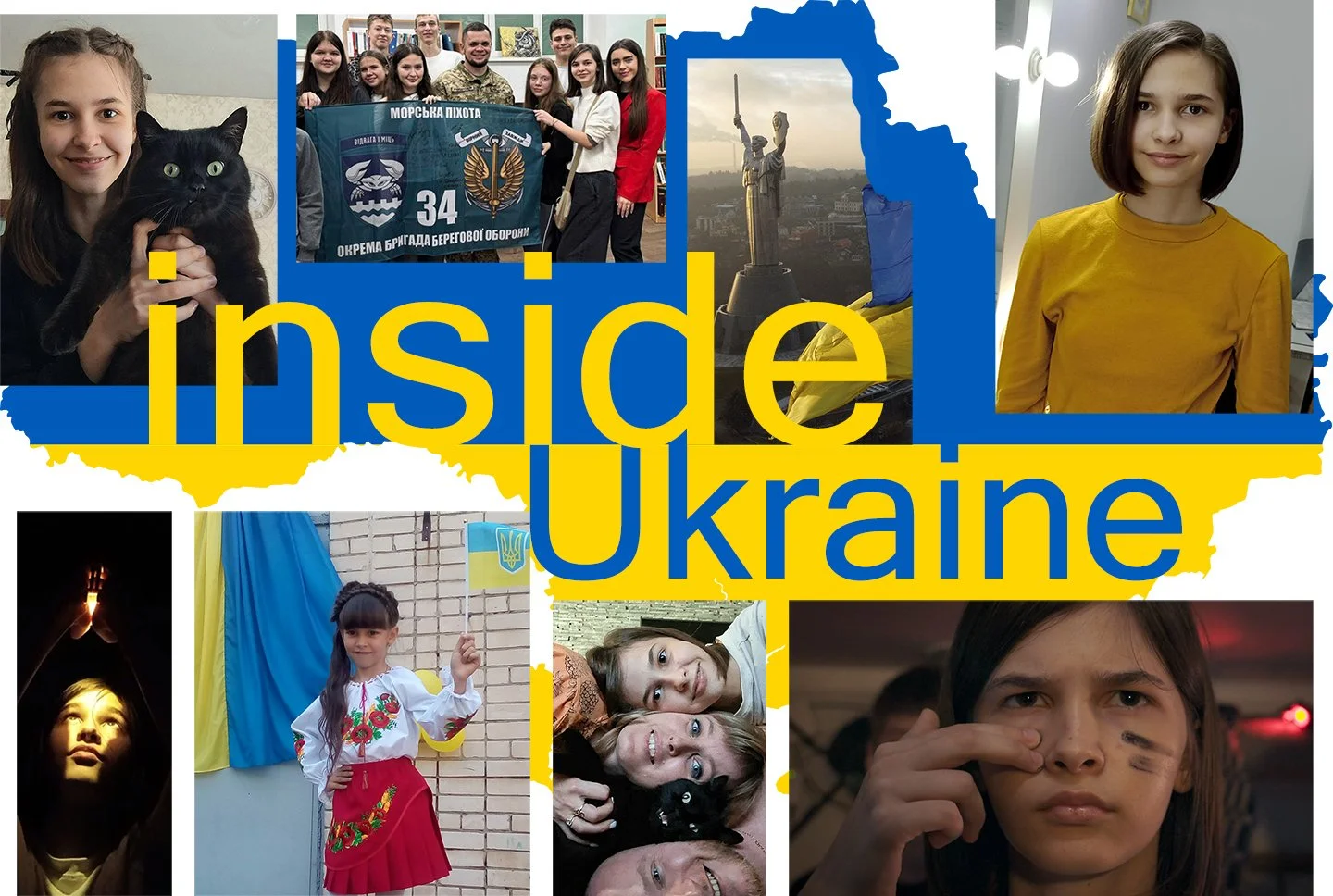
* All images and answers in the feature were provided by the WOW Woman, unless otherwise specified.
INSIDE UKRAINE SERIES: A SNAPSHOT, A DAY-IN-THE-LIFE, A GLIMPSE OF WHAT IT’S LIKE TO LIVE, RESIST, SURVIVE AND PERSEVERE IN A NATION UNDER ATTACK.
GLORY TO THE UKRAINIAN WOW WOMEN, for SUPPORTING THEIR COUNTRY AND BRINGING UKRAINE CLOSER TO VICTORY.
There is a strange disconnect in reading the interview answers of 16-year-old Ukrainian Veronika Kovalenko. I smile and share her excitement as she describes taking part in a filmmaking course in Kherson led by a renowned Czech director. She and other teenagers created a short film and then traveled to Prague to present it at a European film festival, excited and proud of what they had made.
But there is another side to Veronika’s story. She is stoic and mature for her age, as many Ukrainian teenagers have had to become, but life is particularly difficult because she lives in Kherson. Much of the film the teenagers created was shot inside a local bomb shelter, with explosions outside. Bomb shelters are now part of everyday life there. Veronika also knows how to apply a tourniquet to herself and others, thanks to Ukrainian Red Cross training for people living dangerously close to russian forces.
Veronika grew up helping with children’s programs at the library where her mother, WOW Woman Tetiana Sushkova, works. Tetiana instilled in her daughter a love of books, a deep curiosity and the joy of creating. Neither could have imagined that russian forces would invade and occupy their city for more than eight months in 2022. They endured the occupation together.
I shudder when I imagine russian boots in this beautiful Ukrainian city, once known for sending its watermelons across Ukraine and Europe. Ukrainian forces liberated Kherson in November 2022, but the relief was short-lived. russian forces withdrew only a few kilometers away, across the Dnipro, and from there have attacked the city almost daily with artillery, rockets and drones, as well as guided aerial bombs and ballistic missiles.
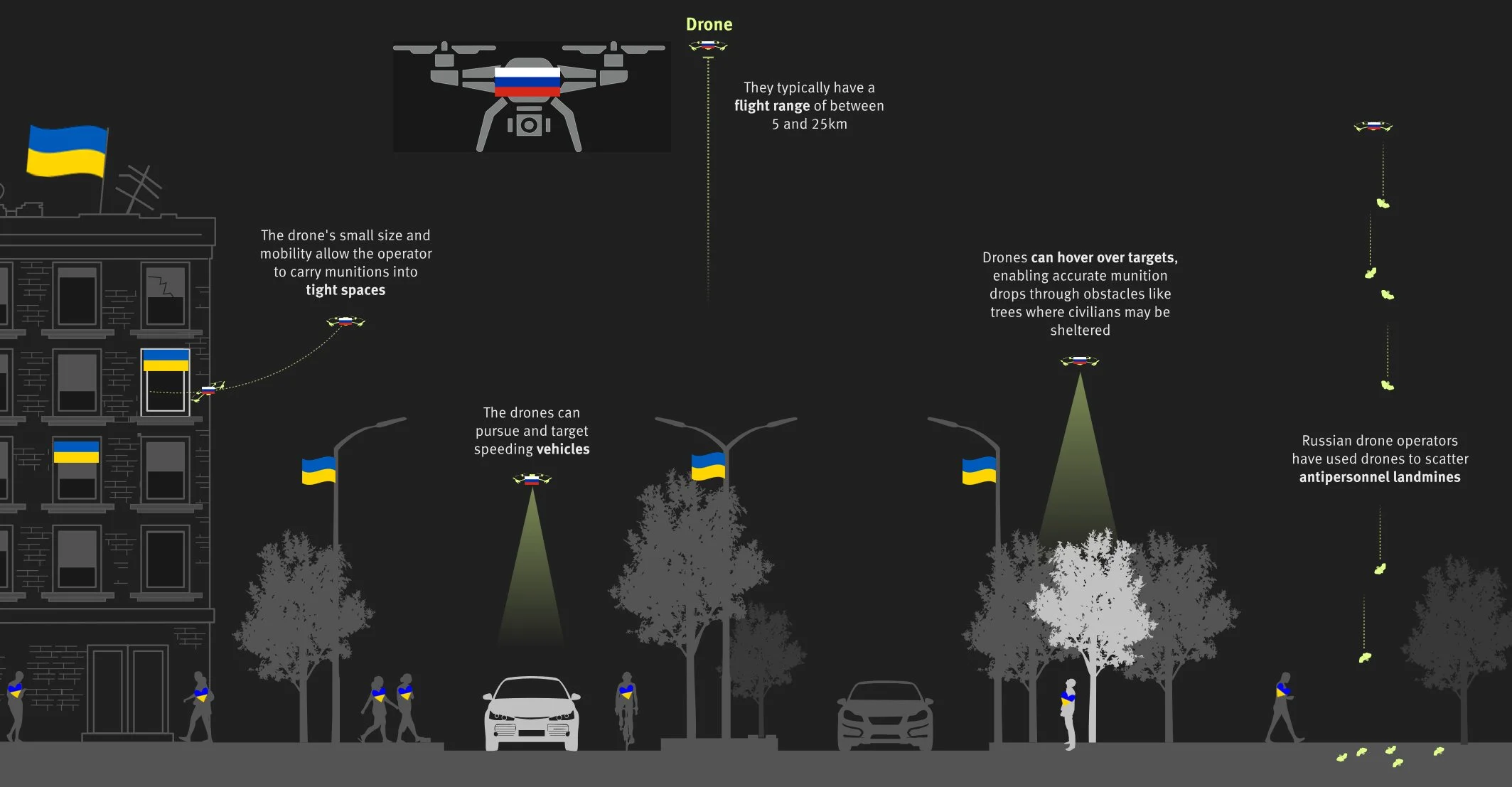
People can no longer move freely through Kherson. They plan their routes and mentally note places where they can hide along the way because russian drone operators have been documented deliberately targeting civilians in what residents call a “human safari.” Another WOW Woman, reporter Zarina Zabrisky, has extensively documented these attacks.
Because russia relentlessly attacks Ukraine’s critical energy infrastructure, Veronika and Tetiana fear the coming winter without reliable heat. They also fear autumn, when falling leaves remove some of the tree cover that offers protection from russian drone pilots. They may leave Kherson for the winter, but that brings another difficult question: where do they go? Veronika’s is another Ukrainian childhood cut short by the russian federation, another family forced to weigh safety and opportunity against the reality of becoming displaced in their own country.
russia’s invasion and violence have affected every Ukrainian, but Kherson’s approximately 280,000 prewar residents have endured a particularly brutal reality. Many fled. Many were killed during the occupation or in the attacks that followed. By summer 2026, roughly 60,000 people remained in the city. Tetiana and Veronika were two of them.
“Veronika will be leaving school in Grade 10 to enter college of arts,” Tetiana wrote to me. “The high school classes have thinned and studying even in the basement has become unsafe, since a mere walk to school can cost you your life. She received the highest score among applicants and will begin receiving a scholarship on September 1.”
No Ukrainian asked to be called “resilient.” Increasingly, the word seems to suggest that the world can continue to ignore Ukraine’s suffering and russian atrocities because Ukrainians have somehow learned to endure them. But I have no better word for my 16-year-old WOW Woman, who continues to learn, create and plan her future in one of the most dangerous cities in the world.
Olga Shmaidenko
Founder, WOW Woman
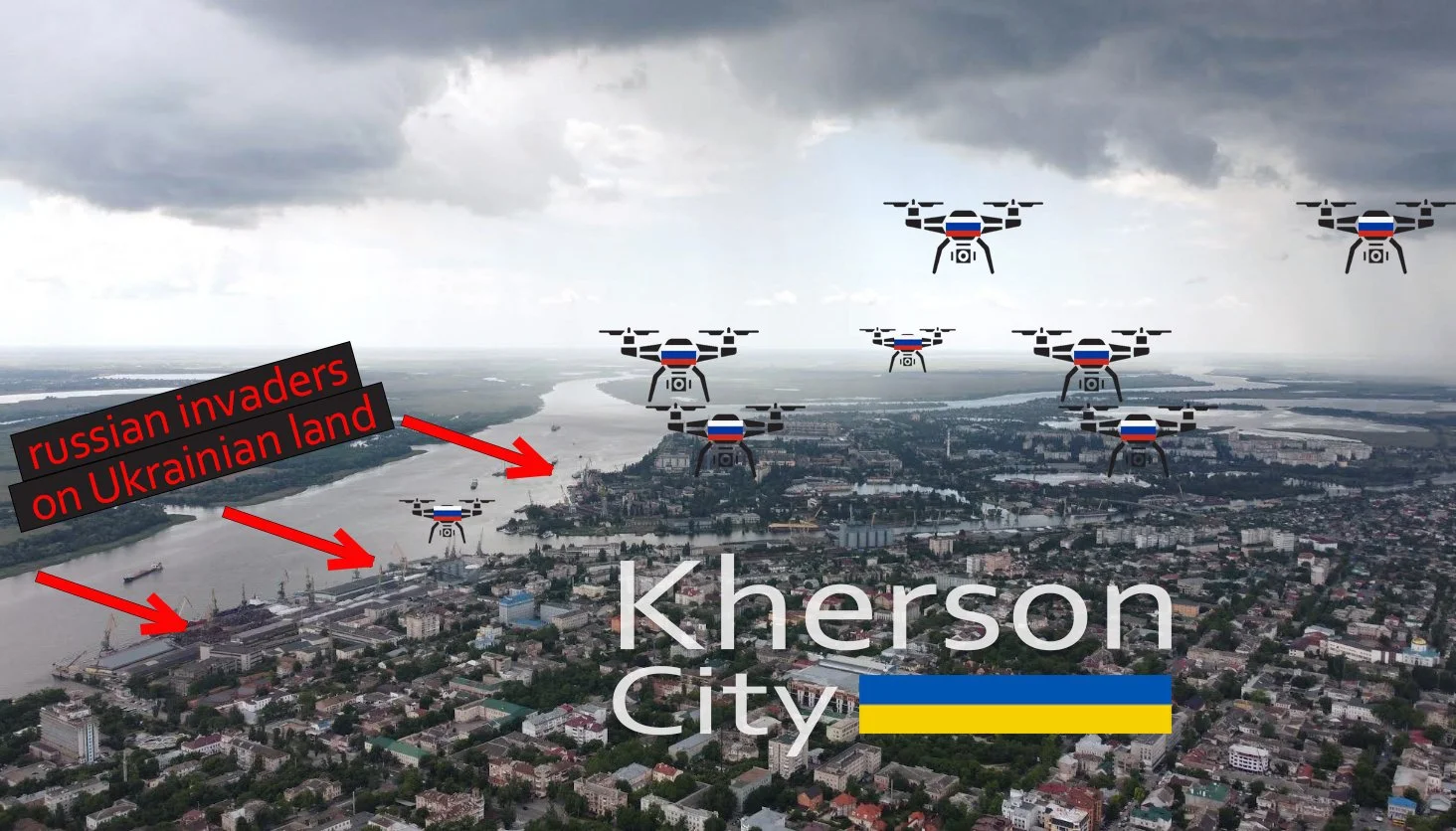
Ukrainian-held Kherson city is on the west/right bank of the Dnipro, while russian forces occupy the east/left bank. The enemy-held bank is extraordinarily close. You're not talking about an enemy 30 or 50 km away. Occupied territory is only several kilometers across the river, which is why russian drone operators can fly armed FPV drones deep into Kherson. Kherson is attacked daily, main roads have become anti-drone net tunnels, and civilians have become targets in what residents call a russian drone “human safari.”
russian atrocities
IN KHERSON, UKRAINE
Student, Teenager, Kherson
1. Last name and first name?
My name is Veronika Kovalenko.
I’m 16 years old.
2. Where were you born, and where do you live now?
I was born in the city of Beryslav in southern Ukraine. Right now, I live in Kherson with my family.
3. What grade are you in, and what do you want to do after you graduate from high school?
This year I finished ninth grade. Since my school eliminated 10th and 11th grades (due to constant russian shelling), I decided to enroll in the Kherson College of Culture and Arts to study “Performing Arts.”
My choice wasn’t random, since I already have some acting experience. Last summer, I took part in the filming of the short film *The Attack of the Mutated Melons*. This was a creative project by teenagers from Kherson under the direction of the renowned Czech film director Vojtěch Hönig. As part of the “Nika’s Generation” project (named after an 18-year-old Ukrainian artist Nika Kozhushko, killed by russian airstrike on August 30, 2024 in Kharkiv), Mr. Hönig and his team came to Kherson. Over the course of several days, we learned cinematography and acting skills, and then we created our own film about drone attacks on the city and our lives in these circumstances. Virtually the entire project, from concept to filming, was created by teenagers from Kherson. Adults helped us only with the professional editing of the footage.
In November of that same year, we were invited to a film festival for children’s short films in Prague called “The Prague Film Portfolio. ” Out of the 300 films submitted, ours was selected as one of the top four.
It was an incredible feeling, presenting our film in Prague. Especially because the organizers allowed us to raise the Ukrainian flag and the flag of our hometown, Kherson, on stage. That was very important to me.
After receiving international recognition and their award in Prague, the young filmmakers from Kherson, Ukraine, chose to donate all of their prize money directly to the soldiers of the 34th Separate Coastal Defense Brigade. The donation served as a direct thank-you to the military defenders protecting their hometown while they were away presenting their work in the Czech Republic.

4. What are your favorite movies and songs? What about books? Which books do you like the most?
To be honest, the playlist on my phone is very diverse. The same goes for movies. I can’t name just one favorite genre. When we watch movies as a family, we might watch a comedy, a historical drama, or an action film. The main thing is that the plot is engaging.
As for books, lately I’ve been reading more stories about the war in Ukraine. I recently read “Weeping Fig Tells a Story of Happiness” by Serhiy Pantyuk.
It’s a poignant story about a boy who lost his leg during the war. The book is about strength of spirit, resilience, daily trials, and the personal experiences of the main character, who talked to a fig tree about his feelings.
I also recently read *The Daughter of Our Dreams*, a book based on real events about the Holocaust. It tells the story of a Jewish girl who faced many terrible trials. This story really moved me.
A lighthearted and touching children's fairy tale written by Ukrainian author, social activist, and Ukrainian Armed Forces sergeant Serhiy Pantyuk. The book was published in 2024.
5. How has the war changed your life? What are you doing now that you didn’t do before the war?
The war has completely changed my life. If I had to describe it in one word, it would be “restrictions".
Restrictions on communication, learning, and ability to get around. I can no longer enjoy life the way I used to: ride a bike, go to the beach, or simply feel safe.
Now, when crossing the street, I have to look not only left and right, but also up and down at my feet, so I can spot a drone in time and avoid stepping on an anti-personnel mine, which we call a “petal.”
I also took a first-aid training course organized by the Red Cross. Now I know how to properly apply a tourniquet and stabilize an injured person. Before the war, I couldn’t even imagine that this knowledge would become necessary for me.
6. What do you want people living outside the Kherson region or outside Ukraine to know about Kherson and its residents?
I want them to know that the people of Kherson are incredibly steadfast and unbreakable.
I was in Kherson with my family during the (russian) occupation and saw firsthand the daily solidarity, resistance and support.
Once, early in the occupation, my mom and I, along with others, tied yellow-and-blue (Ukrainian flag) ribbons to trees, bushes, and benches. It might seem like a small thing, but back then, even such acts gave people support and faith that we would definitely be liberated.
And that day finally came. I remember it very well. After everything we went through, those feelings are simply impossible to put into words.
By the way, together with other readers at the Kherson Central Children’s Library, under the guidance of my mom, Tetiana Sushkova, we wrote a book based on real events that we experienced. These are our memories of life under occupation, which we wove together around three main characters. The book is called “The Summer Stove in a Kherson Courtyard.”
It’s a Ukrainian-French project. Young people from Kherson wrote the story based on their own experiences of life under occupation, and we invited our French peers to write the sequel.
We didn’t want to focus solely on the tragedy of the occupation. On the contrary, it was important to us to portray Kherson as a city of strong people who, even in the hardest times, are ready to support one another, help, and share what little they have.
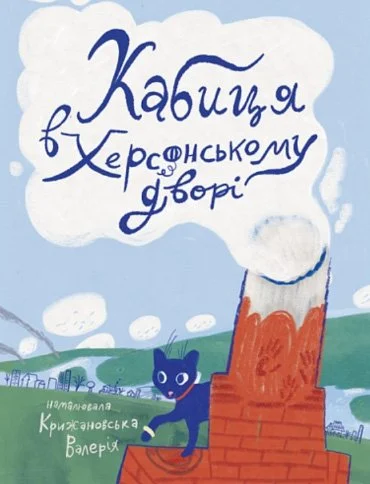
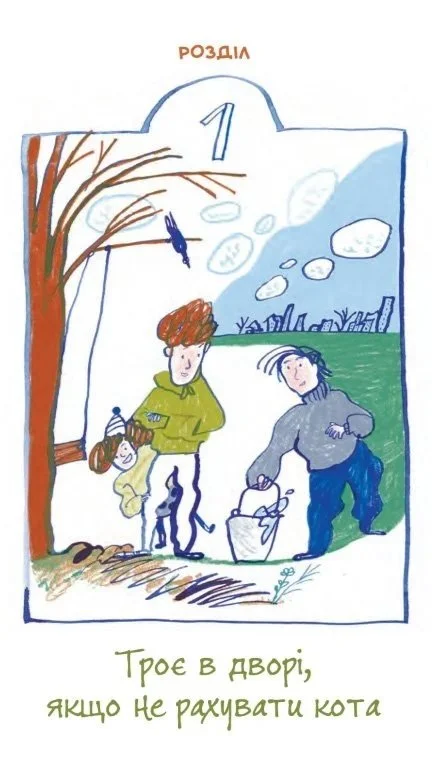
“The Summer Stove in a Kherson Courtyard” was illustrated by Valeriia Kryzhanovska and written by Veronika and other kids in Kherson, in collaboration with kids in France.
Throughout the entire process of working on the book, we were assisted by Ukrainian children’s author Ivan Andrusyak. He served as our artistic editor. Very soon, we’ll be presenting the book in Kyiv, at the Ukrainian Crisis Media Center, with the support of Ukrainian PEN. I’m confident this story won’t leave readers indifferent. Plus, the book will be bilingual.

“This is what the back endpaper of the book looks like. I am one of the main authors of the texts.” / Так виглядає форзац книги Kабиця у херсонському дворі. Я є однією з основних авторок текстів.
7. What do you remember most about life under occupation? What would you like to forget?
I always tried to stay calm because I could see that my family wasn’t giving up and believed in liberation.
My parents lost their jobs, so they were forced to look for odd jobs at the market. But my mom never lost spirit. On the contrary, she constantly supported me and my brother. We believed that Kherson would definitely be liberated.
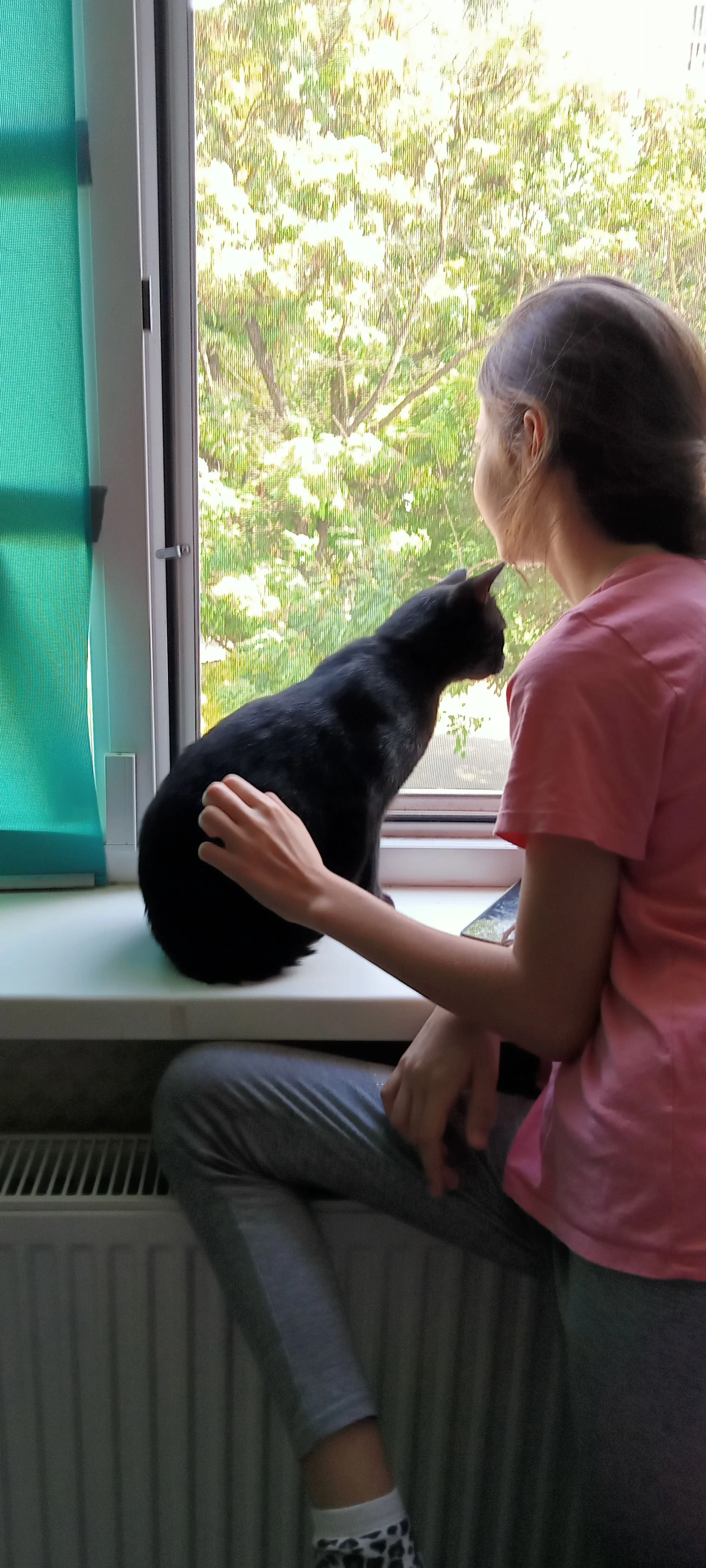
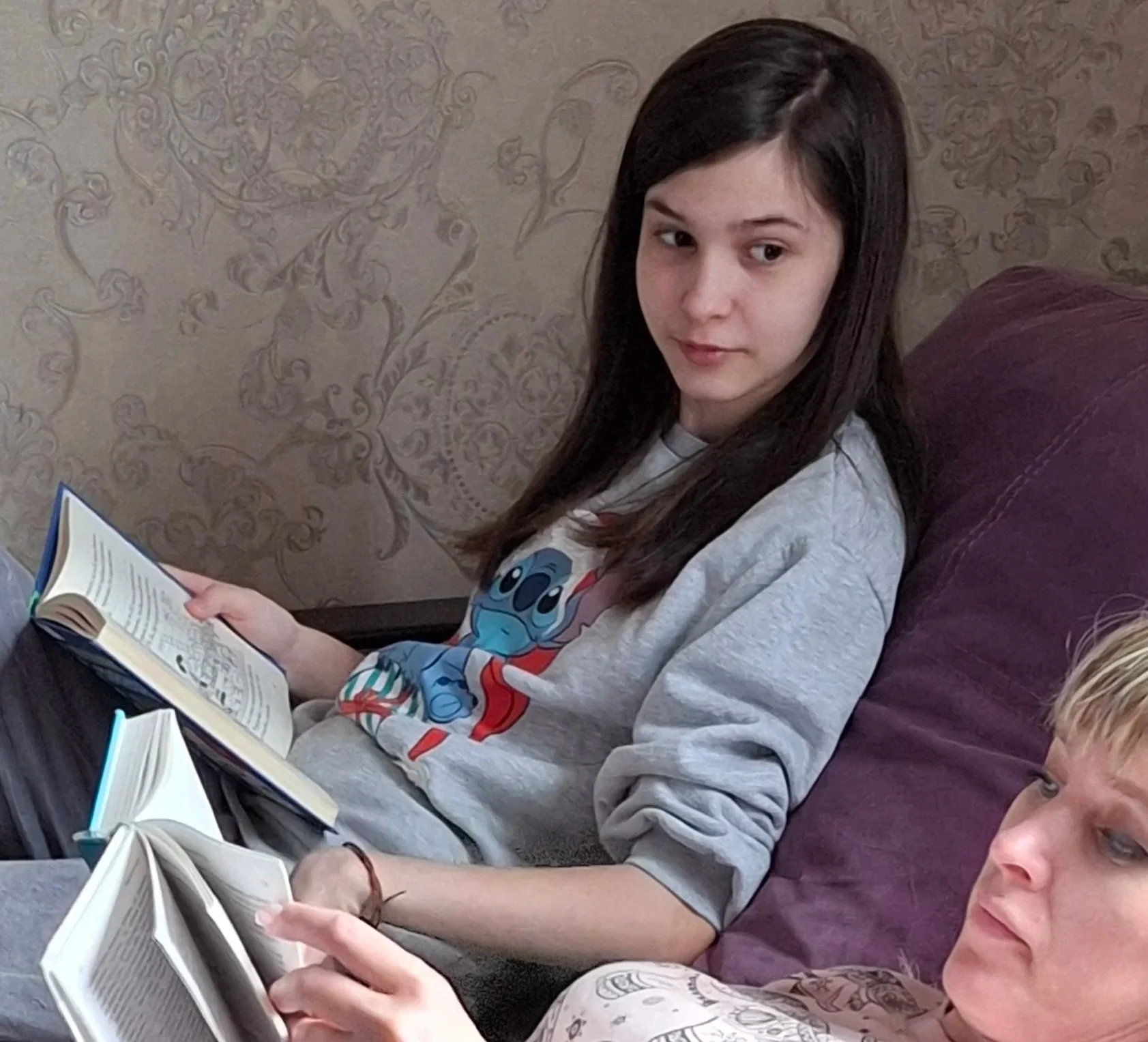

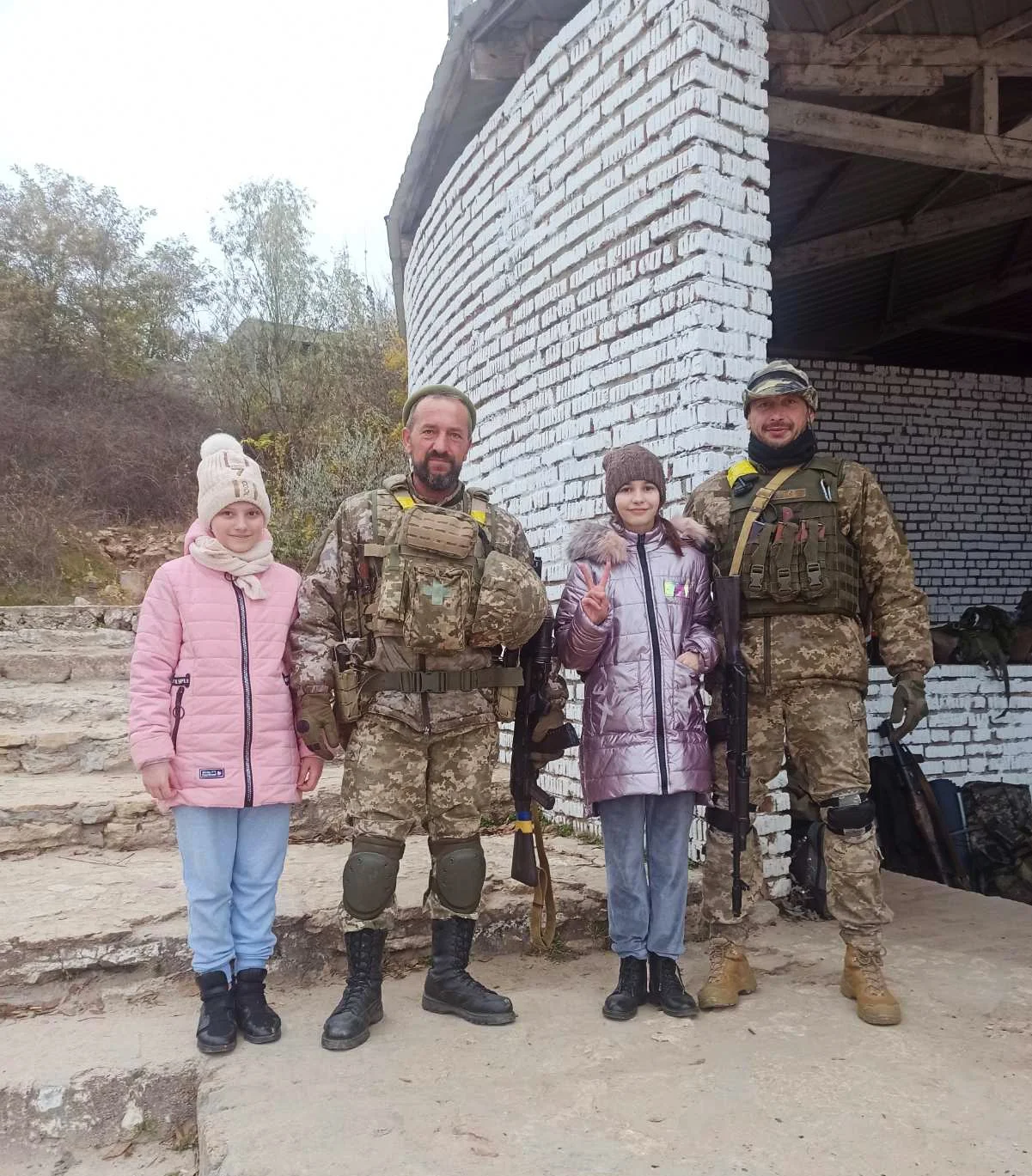
In these photos: (1) We rescued a stray cat from the street during the occupation. (2) My mom and I are reading books together. (3) This is me with my mom on November 1, 2022, praying for liberation at church. (4) November 12, 2022. My friend and I ran over to thank the Ukrainian Armed Forces soldiers. They were the first soldiers we saw after the liberation.
На цих фотографіях: (1) Ми забрали з вулиці бездомного кота під час окупації. (2) Разом з мамою читаємо книги. (3) Це я 1 листопада 2022 року з мамою разом в церкві молимось про визволення. (4) 12 листопада 2022 року. З подружкою підбігли подякувати воїнам ЗСУ. Це були перші військові яких ми побачили після звільнення.
I don’t want to forget anything. On the contrary, I want to tell the truth about what happened. The world needs to know what Ukrainians went through during the russian occupation.
8. How do you spend time with your friends? Who is your best friend? Why that person in particular?
Before the war, I had a lot of friends. We would go to the movies, practice jiu-jitsu, or just hang out and have fun together. Now I often feel lonely. Most of my friends have left; some went abroad, others to other cities in Ukraine. That’s why, whenever I can, I try to attend cultural events for children and teenagers in Kherson.
Childhood uprooted
Left. In this photo, my friend and I don't yet know that the war will soon tear us apart На цьому фото я зі своєю подружкою ще не знаю що скоро нас розлучить війна.
Right. A reunion in Odessa with a childhood friend, a year and a half after the war began. She now lives in Romania. Зустріч в Одесі з подругою дитинства через півтора роки від початку війни. Зараз вона живе в Румунії.


Until recently, we used to gather every Saturday at the library where my mom works. It was our little hangout spot. Now even that has become impossible. The russian occupiers attack public transportation, cars, and ordinary pedestrians every day; they shell supermarkets, markets, critical infrastructure, and residential buildings. There’s already a lot of destruction around my house.
On December 29, 2023, on New Year’s Eve, two “Shahed”-type russian drones struck a building next to ours. The windows in our apartment were blown out. We hid in the bathroom. My older brother was playing a video game at that moment. About 600 players from different countries around the world witnessed this attack live. They were shocked that we survived.
The next day, people we didn’t even know personally supported our family with small donations. In total, we raised about 4,000 hryvnias ($89 USD). This money helped us make at least some repairs before the holiday. We cleaned up the apartment, boarded up the broken windows with plywood, and celebrated New Year’s like that.


In these photos: (1) We took a photo with a flag and wearing embroidered shirts on the entrance stairs. In support of the occupied left bank of the Kherson region. (2) I'm so happy in this photo - we finally evacuated my grandmother from occupation, and she's in safety. (3) At my mom's workplace, I'm giving an interview to journalists after one of the protests. (4) On December 29, 2023, I'm sleeping on a mattress in the bathroom because our apartment has no windows since the shelling and explosion.
На цих фотографіях: (1) Зробили фото з прапором і у вишиванці на під'їздних сходах. На підтримку окупованого лівобережжя Херсонщини. (2) Тут вже я дуже щаслива, ми нарешті евакуювали бабусю і вона тепер у безпеці. (3) У мами на роботі даю інтерв'ю журналістам після одного з заходів. (4) 29 грудня 2023 року я сплю на матраці у ванній кімнаті тому що в нашій квартирі немає вікон після прильоту.
9. What is your superpower?
I can say for sure: my superpower is that I’m not afraid to be a Ukrainian, and I’m proud of it.
I’ve been through a lot during the war. Even a search of our home by the occupiers. They said they’d received some kind of tip about our address. They were looking for weapons and radio transmitters. They asked why my mom wasn’t going to work at the library, which by that point had already reopened under their control.
But I didn’t feel any fear then. I felt only contempt and disdain for them.
I’m Ukrainian. And I’m proud of it. That’s my superpower.
10. How often do you help your mom at the library? Why do you like working with children?
Once, during a library event, my mom asked me to interview a reporter from the local media outlet “Suspilne Kherson.” It was a very interesting experience for me. I enjoyed it so much that we really put her through her paces: we asked controversial questions and even had her read tongue twisters to check her diction.

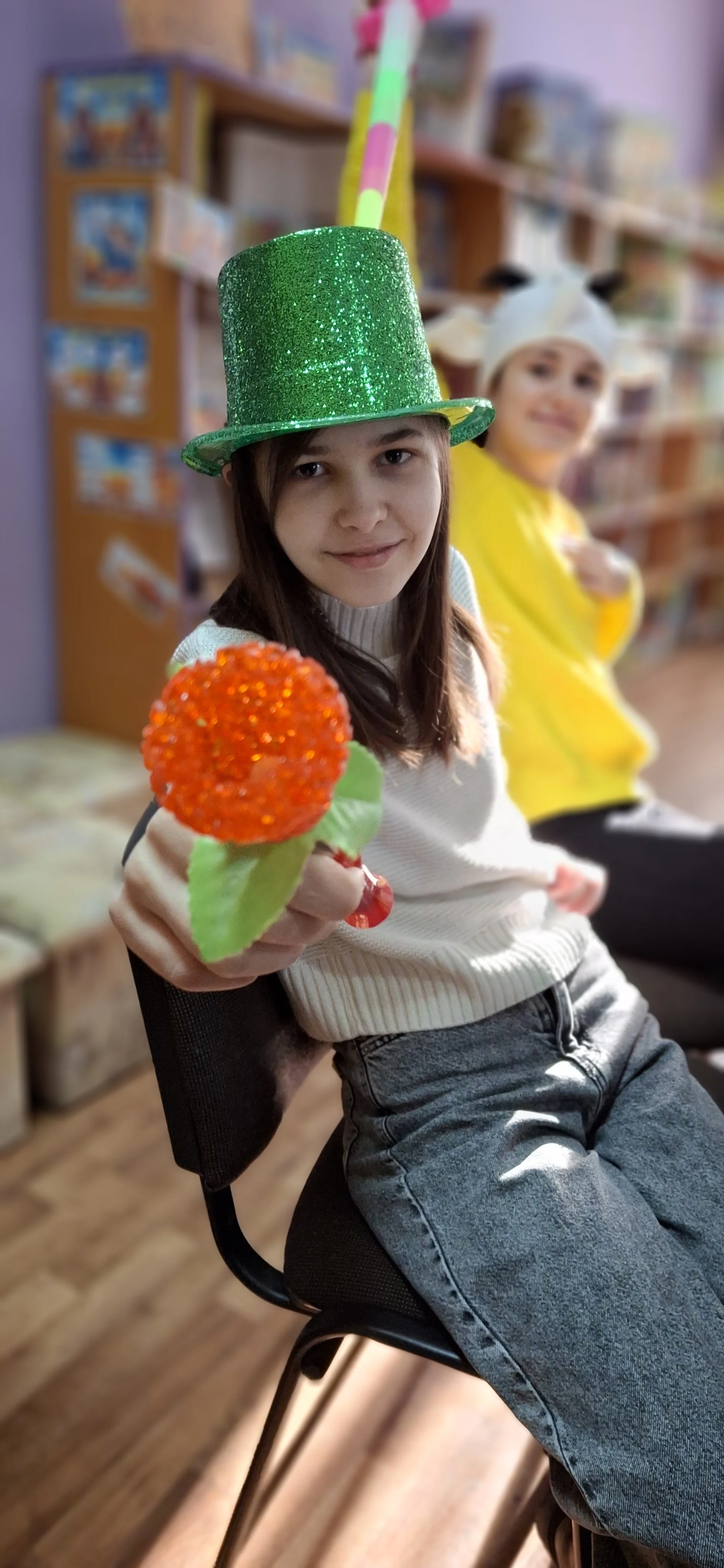
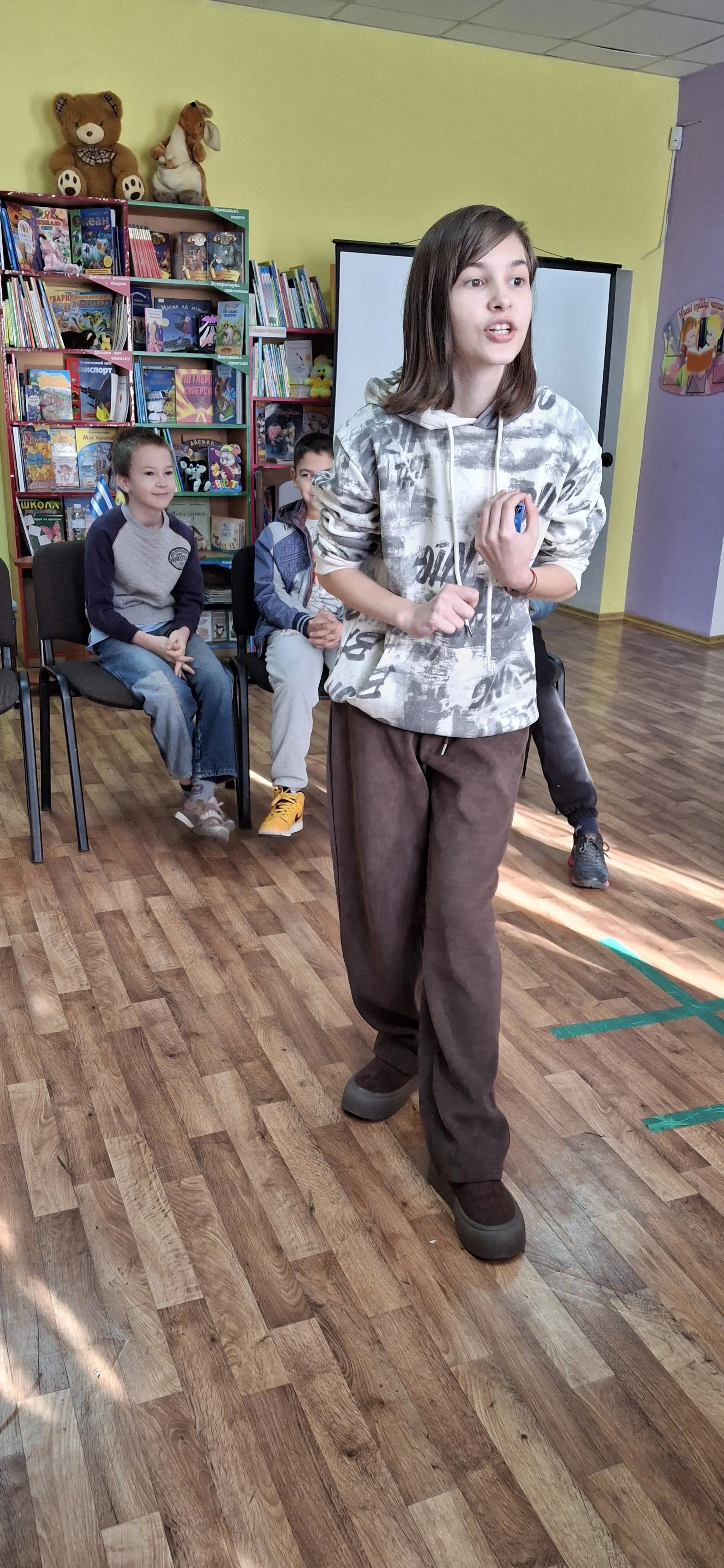
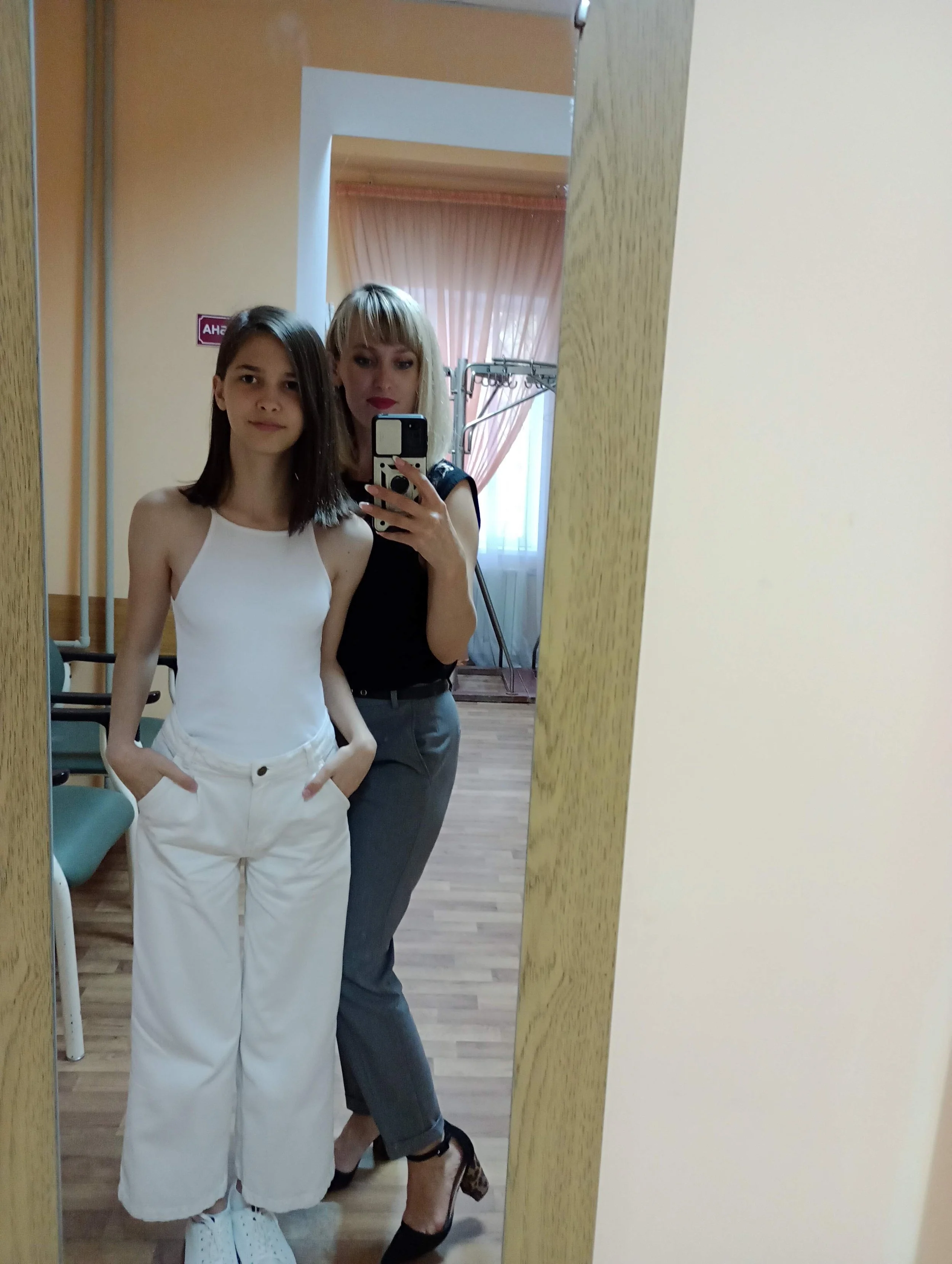
In these photos: (1) Here I am dressed as a Frenchwoman during a photo shoot at my mom’s library for Europe Day. (2) This is “Hat Day” at Mom's library. (3) At my mom's library during one of the games for the kids. (4) Selfie with mom at the library.
На цих фотографіях: (1) Тут я у ролі француженки під час зйомок у мами в бібліотеці до Дня Європи. (2) У мами в бібліотеці на день капелюха. (3) Це я під час гри у мами в бібліотеці. (4) Селфі у мами на роботі.
In general, every event at the library is interesting in its own way. Once, my mom invited a criminal investigator who told us about the ins and outs of his profession. We’ve also had dog handlers visit the library with their four-legged companions. Two years ago, on Cat Day, one of the staff members brought her cat to the event. So the library, which used to be thought of as a place where there had to be absolute silence, can be completely different today.
I like the atmosphere there. We’re very friendly, with no bullying. Everyone is important, and everyone matters. Even when we play team games or relay races, we try to involve everybody - little kids, teens, and adults.
11. What do you want the world to know about Ukrainians right now? About Ukrainian women?
I want the world to understand just how difficult the ongoing struggle in Ukraine is today. We are fighting for very simple rights: the right to speak Ukrainian freely, to honor our culture, to remember our history, and to be proud of our heritage. This is what Ukrainians are dying for.
Sometimes it’s very painful to see that the world is getting used to this war. I don’t want people to become accustomed to it. I want them to remember Ukraine, talk about it, and understand the price we’re paying today to defend our right to be free.
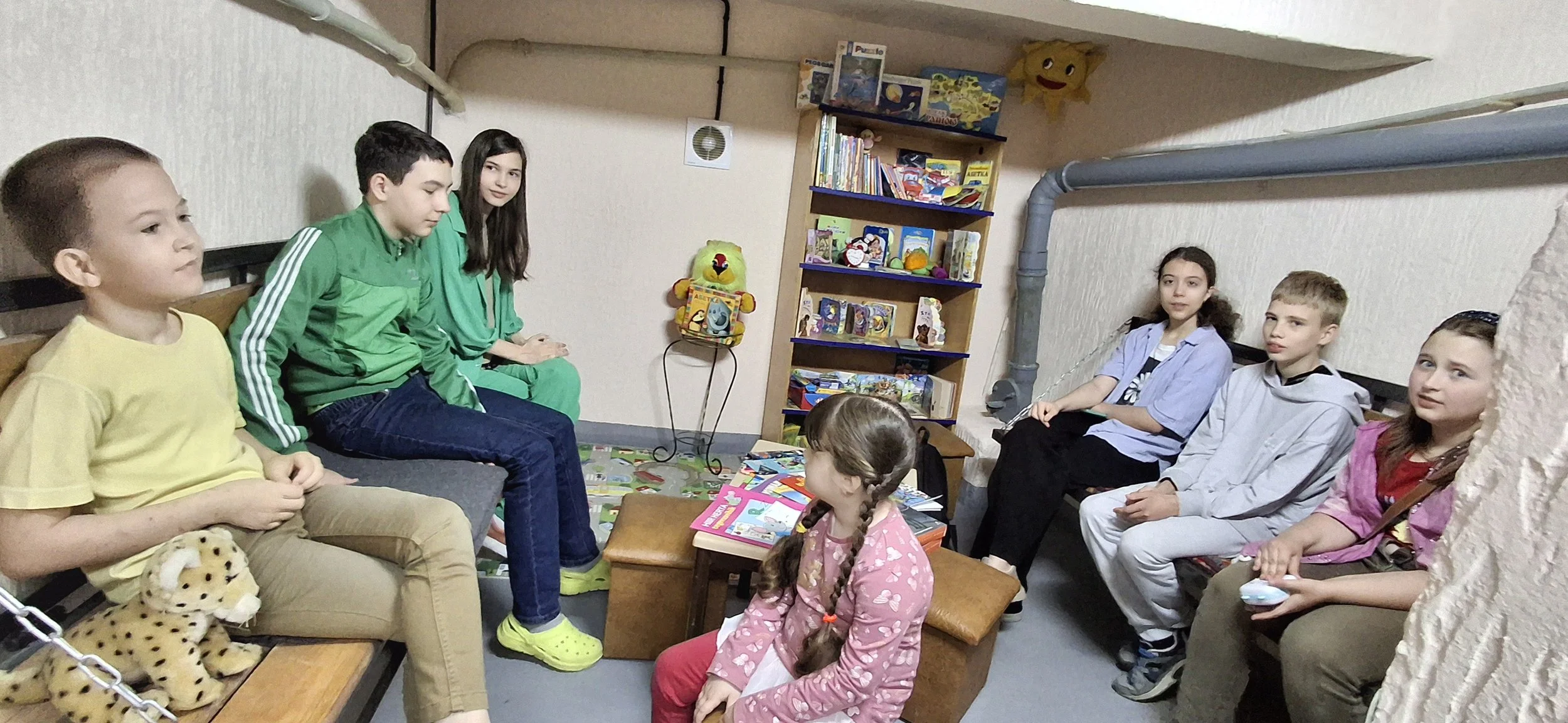
Left. My birthday. Here I am crying because I was on the phone with my grandmother, who was still in the active combat zone and refused to be evacuated. Right. In a shelter at the library during the shelling.
Фото ліворуч. Мій день народження. Тут я заплакана, тому що телефоном розмовляла зі своєю бабусею, яка все ще залишалась в зоні активних бойових дій і відмовлялася від евакуації. Справа . Під час обстрілу в укритті бібліотеки.
12. What place or activity makes you happiest?
I want to be happy again in Kherson, under a peaceful sky.
Right now, the enemy is relentless, and it saddens me deeply to admit that, most likely, my family and I will be forced to seek refuge in a safer city in Ukraine. As soon as fall arrives, we may once again be left without electricity or heat. And if there’s no electricity, there’s often no water either. It’s a real exercise in survival under extreme conditions. I try to take my mind off things. I put on my headphones, listen to music, draw something, or do some beadwork. I’m just trying to distract myself, at least for a little while.
From time to time, friends come over to visit my parents. Then we can all play charades or "Alias" together. These might seem like ordinary things, but in our situation, they really help with distraction. And in a week, I’ll have the chance to go to a summer camp in the Chernivtsi region. I hope to make new friends there. There will be a lot of kids from Kherson, so I think we’ll have plenty to talk about.
13. What are your dreams for yourself? About your future?
Of course, first and foremost, I dream of the war ending. I want my family to be able to just live their lives without constantly worrying about being in danger.
If we’re talking about something material, I dream of a tablet that I can use for my graphic design work. This year, I got into college on a state-funded scholarship and have a pretty high GPA. I’ll try to study hard so I can keep my scholarship. It’s not a lot, but as long as my parents are supporting me, I’ll be able to save this money and gradually save up for a tablet.
I used to have a nice bike. My parents gave it to me for my birthday. Unfortunately, it’s still at my grandmother’s house in Novoberyslav. We took it there so I could ride it during the holidays, but then the war started, and it stayed there. I really miss that bike, but to be honest, even if I had the money for a new one today, here in Kherson it’s not something I could really use properly. It’s just too dangerous to ride here.
As for the rest of my dreams, I think they’re the same as most teenagers my age: traveling with my family, a new phone, a trendy hoodie, and plenty of passion fruit. Before the war, my mom used to buy me passion fruit all the time. Now I’ve practically forgotten what it tastes like. I guess it’s one of those little things I really want back, along with a peaceful life.
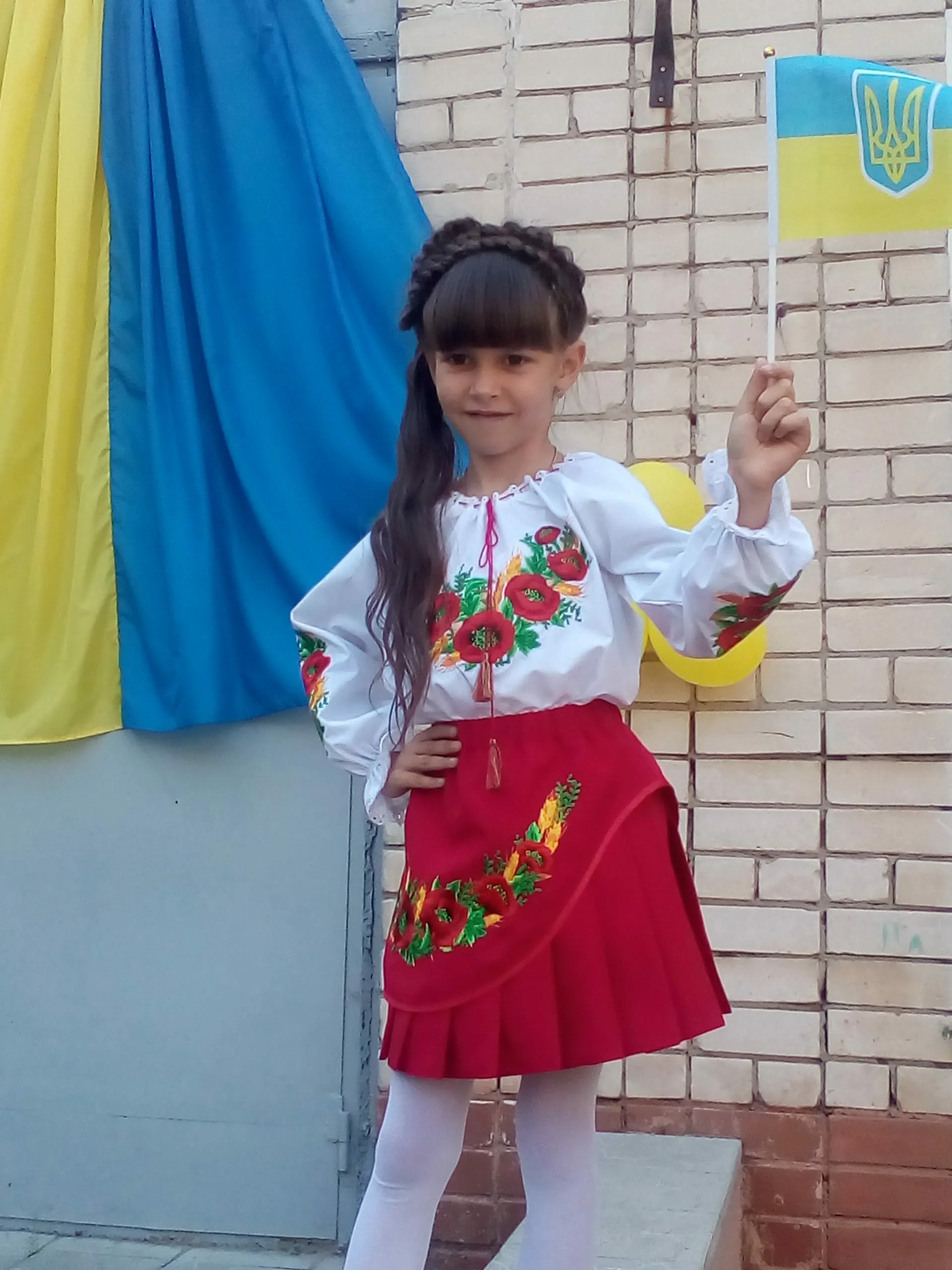

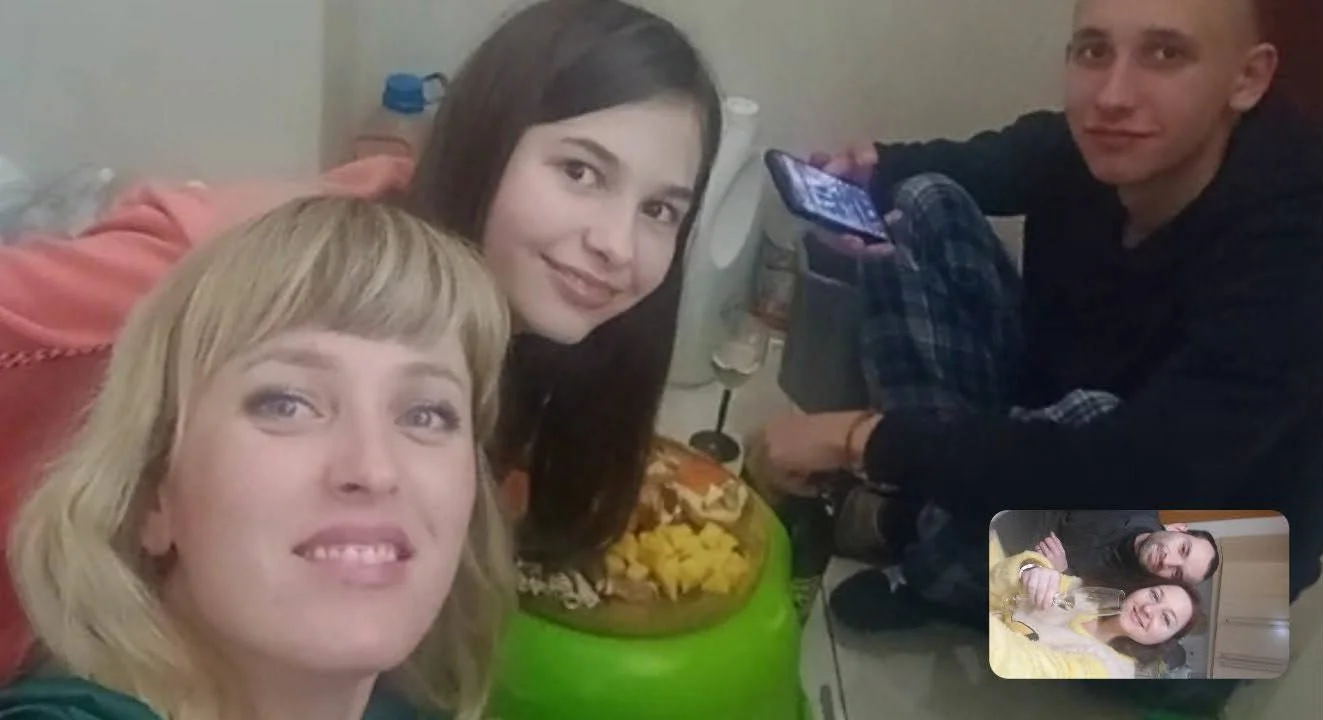
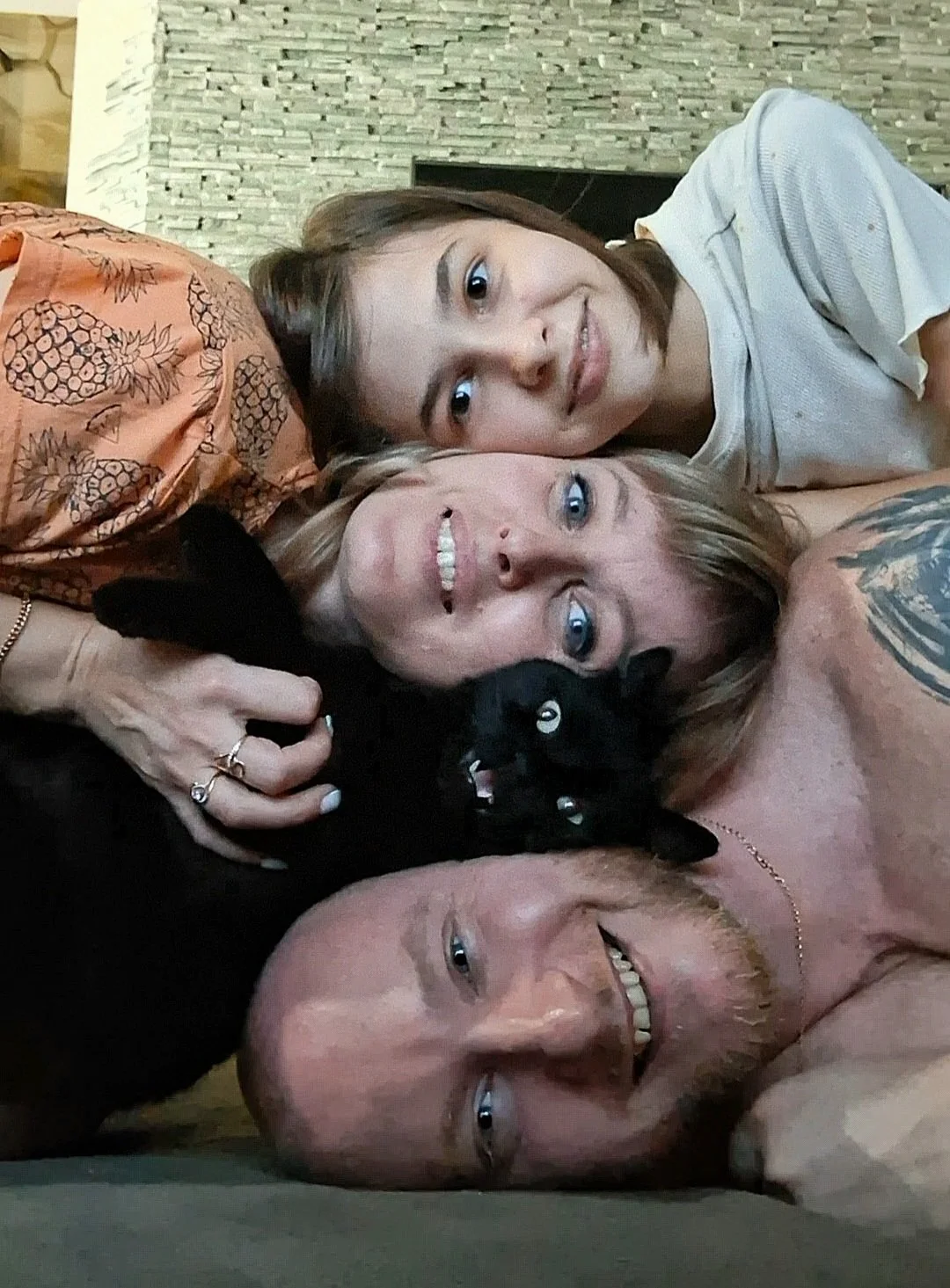
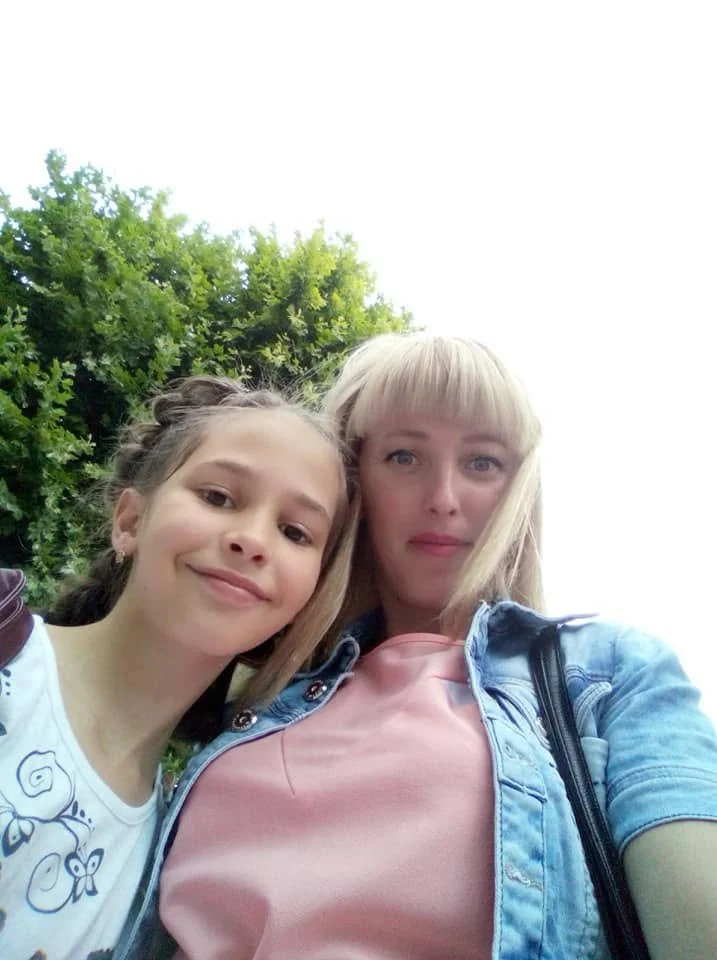
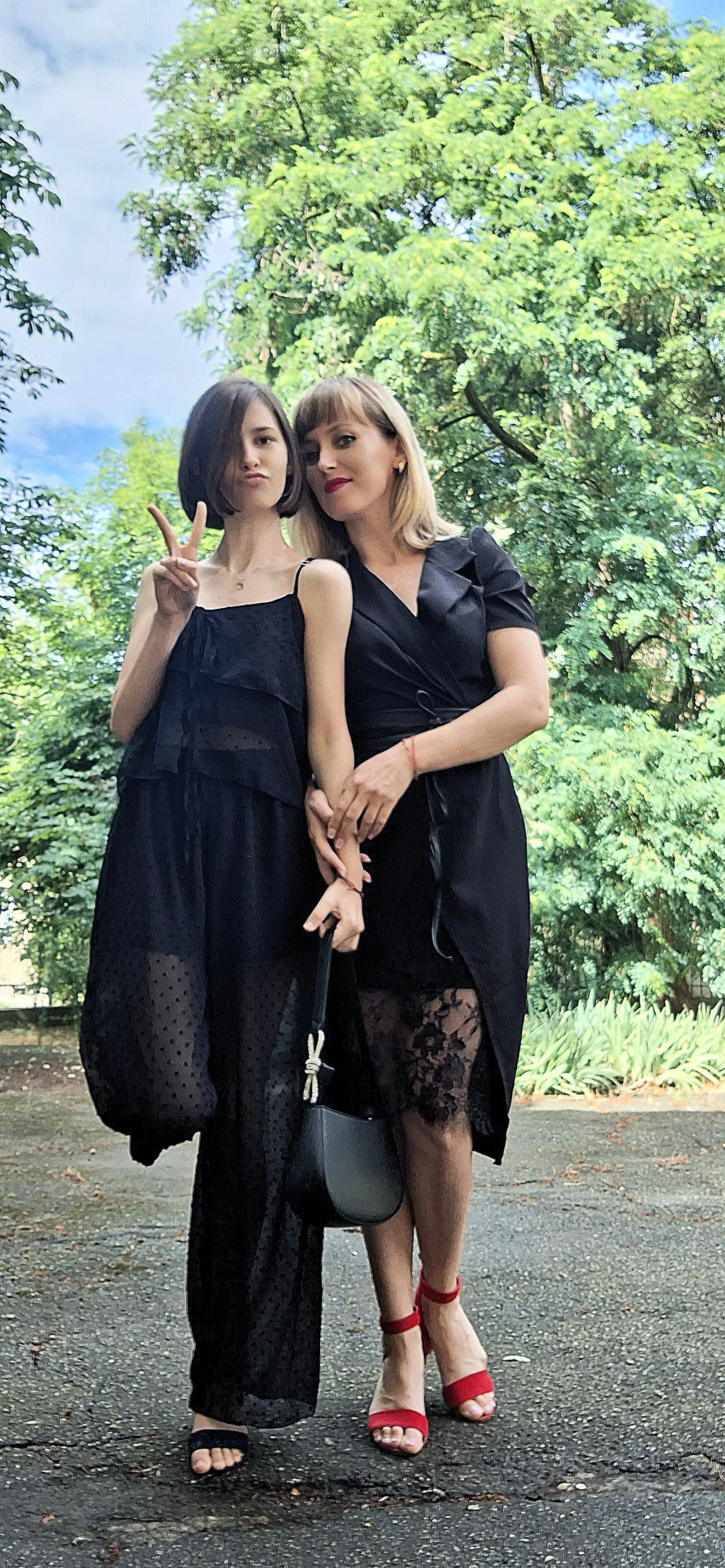
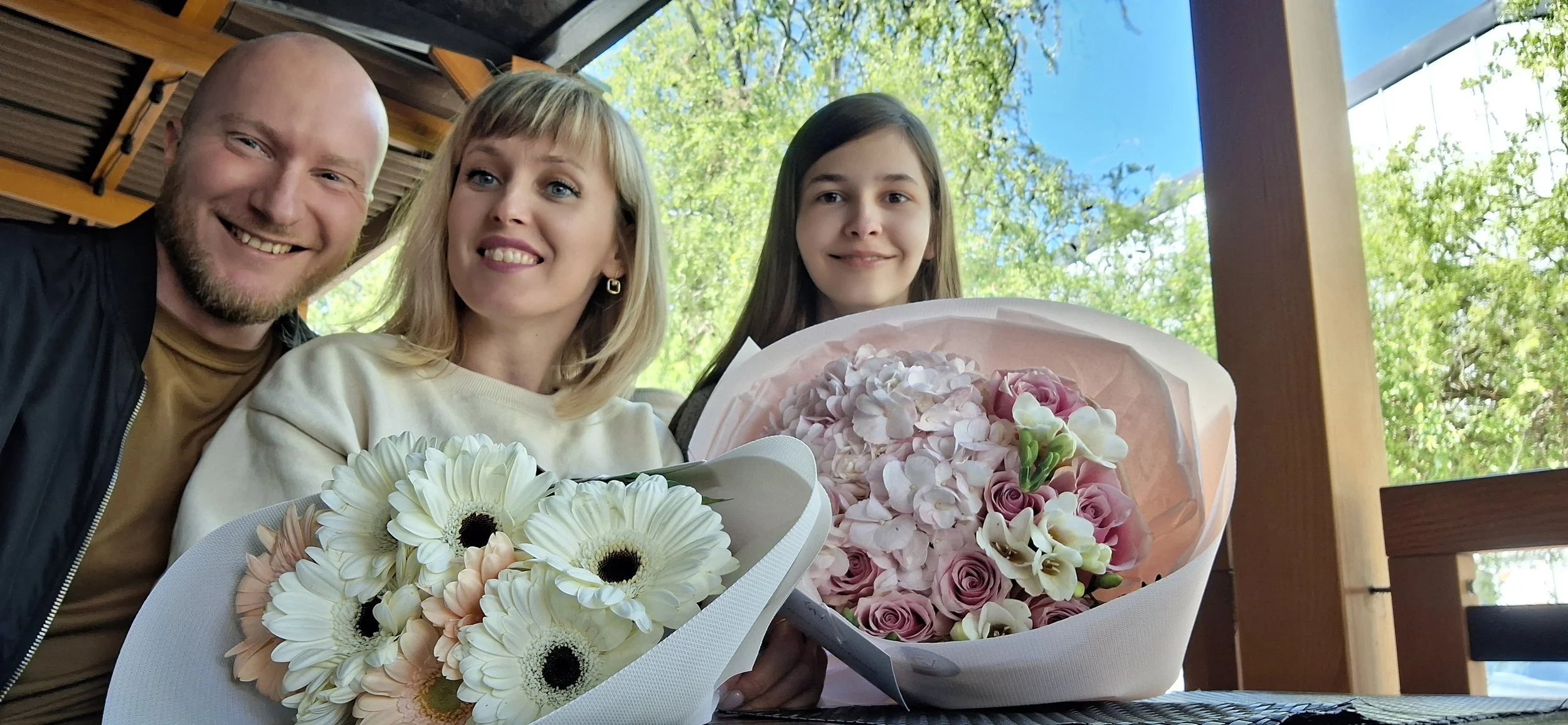
In these photos: (1) Here I am on my way to first grade wearing patriotic clothes. (2) The cat we adopted during occupation of Kherson isn't as skinny as he used to be since we first took him in. (3) With my family. (4) Here we were trying to recreate a popular social media trend with our cat. (5) A selfie with my mom back then and (6) now.
На цих фотографіях: (1) Це я йду до першого класу у патріотичному одязі. (2) Кіт вже не такий худий від того часу як ми взяли його до себе додому. (3) Разом з родиною. (4) Це ми намагалися відтворити популярний тренд з нашим котом. (5) Селфі з мамою тоді та (6) зараз.
14. What would you like adults to know about teenagers, and teenagers to know about adults? What would help everyone understand each other better?
I’d like adults to remember that they, too, were once teenagers. They, too, had their own dreams, worries, hurts, crushes, fears, and longings, which seemed very important at the time.
I think sometimes adults forget how hard it is to be a teenager. You’re not a child anymore, but you’re not an adult yet. A lot is expected of you. There are countless rules that make everything more complicated. Sometimes it’s unbearable.
And teenagers, I suppose, should remember that adults don’t always have the answers. Even they sometimes make mistakes and don’t really know what’s right.
I think we all just need to talk to each other more and allow each other to make mistakes. And forgive those mistakes.
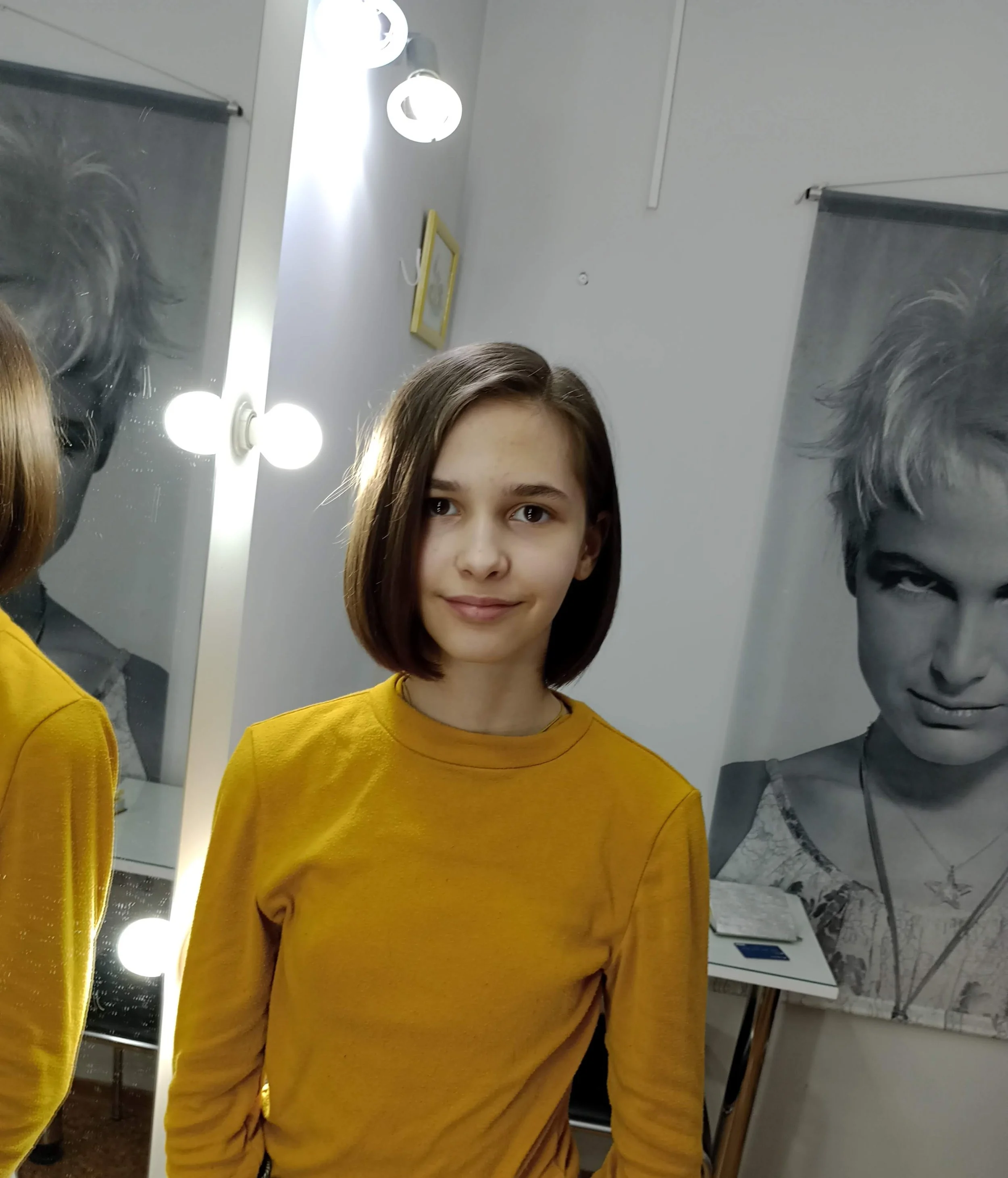
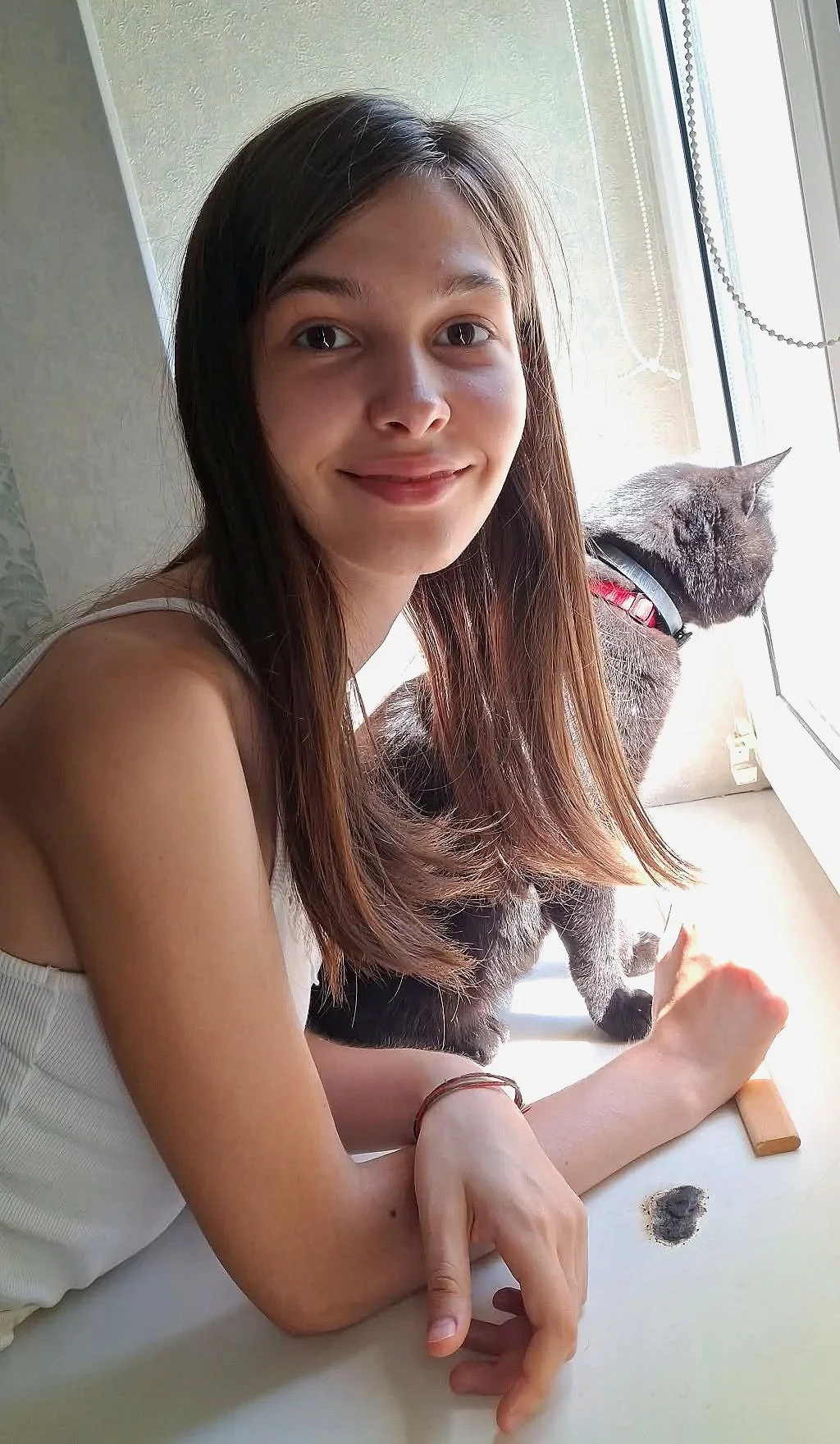
My mom let me get a bob cut. Мама дозволила підстригти каре.
15. Where can others find information about you and your projects?
Here are the links to my social media accounts:
Generation Nika - a Czech nonprofit that brings film workshops to teenagers near Ukraine's front line and takes their finished shorts to audiences across Europe.
The Attack of the Mutated Melons - film we shot in Kherson.
ЦЯ ІСТОРІЯ "INSIDE UKRAINE", З Херсона.
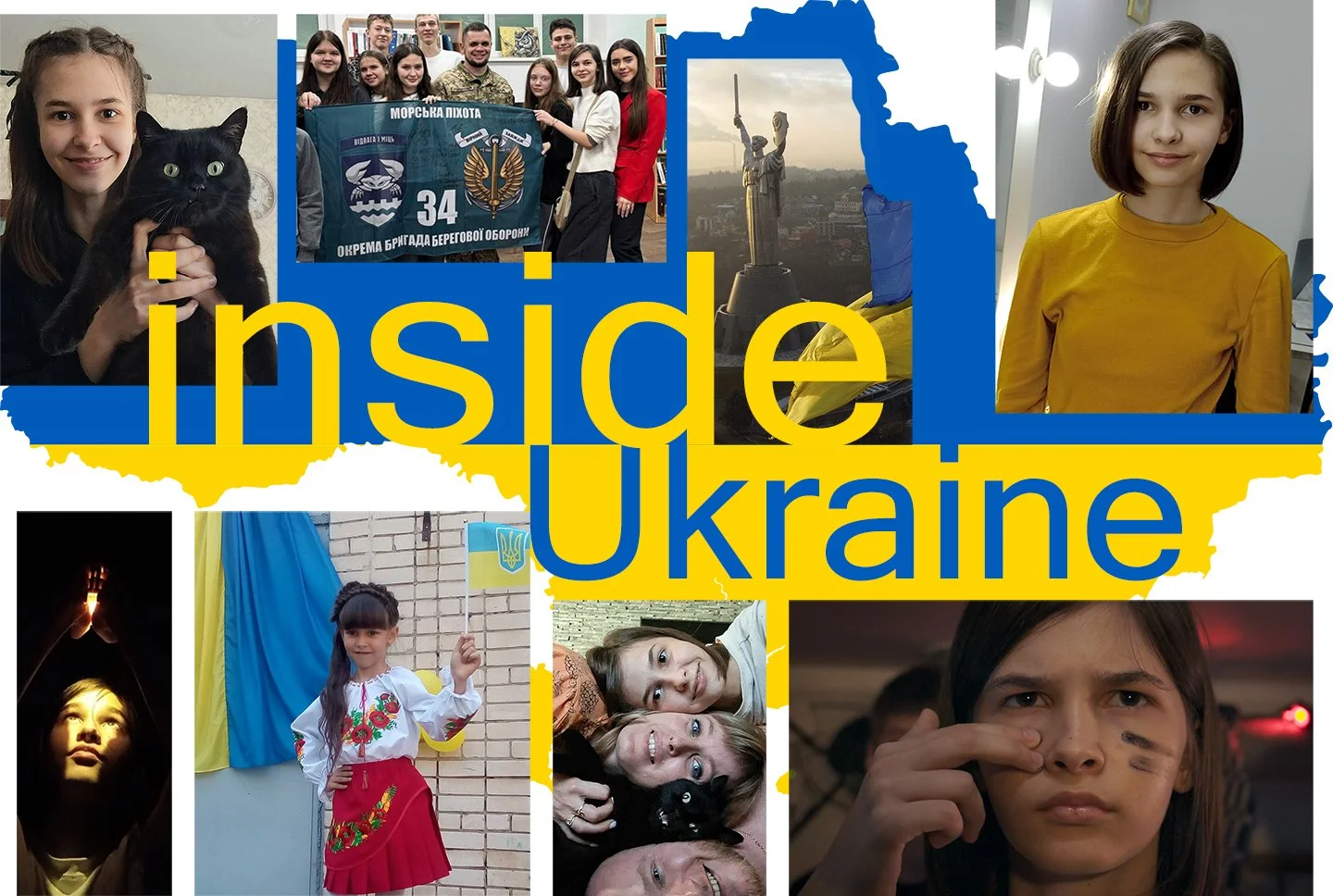
* Всі зображення та відповіді у матеріалі були надані WOW Woman
СЕРІЯ INSIDE UKRAINE/ВСЕРЕДИНІ УКРАЇНИ: МОМЕНТАЛЬНИЙ ЗНІМОК, ОДИН ДЕНЬ З ЖИТТЯ, ПОГЛЯД НА ТЕ, ЯК ЦЕ - ЖИТИ, ЧИНИТИ ОПІР, ВИЖИВАТИ І НЕ ЗДАВАТИСЯ В КРАЇНІ, ЯКА ПЕРЕБУВАЄ ПІД ЗАГРОЗОЮ.
СЛАВА УКРАЇНСЬКИМ ВАУ-ЖІНКАМ, ЯКІ ПІДТРИМУЮТЬ СВОЮ КРАЇНУ І НАБЛИЖАЮТЬ УКРАЇНУ ДО ПЕРЕМОГИ.
Під час читання відповідей 16-річної українки Вероніки Коваленко в інтерв’ю виникає дивне відчуття розриву. Я з задоволенням посміхаюся та поділяю її захоплення, коли вона розповідає про участь у курсі з кіномистецтва в Херсоні під керівництвом відомого чеського режисера. Разом з іншими підлітками вона зняла короткометражний фільм, а потім поїхала до Праги, щоб представити його на європейському кінофестивалі, сповнена радості та гордості за те, що вони створили.
Але у історії Вероніки є й інша сторона. Вона стоїчна й зріла для свого віку, як це довелося стати багатьом українським підліткам, проте життя для неї особливо важке, оскільки вона мешкає в Херсоні. Значну частину фільму, створеного підлітками, знімали всередині місцевого бомбосховища, поки зовні лунали вибухи. Бомбосховища тепер стали частиною повсякденного життя там. Вероніка також знає, як накласти турнікет собі та іншим, завдяки тренінгам Українського Червоного Хреста для людей, які мешкають у небезпечній близькості від російських військ.
Вероніка виросла, допомагаючи в дитячих програмах у бібліотеці, де працює її мати, WOW Woman Тетяна Сушкова. Тетяна виховала в доньці любов до книг, глибоку допитливість і радість від творчості. Жодна з них не могла уявити, що у 2022 році російські війська вторгнуться й окупують їхнє місто на понад вісім місяців. Вони разом пережили окупацію.
Мене охоплює тремтіння, коли я уявляю російські чоботи в цьому прекрасному українському місті, яке раніше було відоме тим, що постачало свої кавуни по всій Україні та Європі. Українські війська звільнили Херсон у листопаді 2022 року, але полегшення було недовгим. Російські війська відступили лише на кілька кілометрів, через Дніпро, і звідти майже щодня атакують місто артилерією, ракетами та дронами, а також керованими авіабомбами та балістичними ракетами.
Люди більше не можуть вільно пересуватися Херсоном. Вони планують свої маршрути й подумки відзначають місця, де можна сховатися по дорозі, адже зафіксовано, що російські оператори дронів навмисно націлюються на цивільних у тому, що мешканці називають «людським сафарі». Інша учасниця проекту WOW Woman, репортерка Заріна Забріскі, детально задокументувала ці атаки.
Оскільки росія невпинно атакує критичну енергетичну інфраструктуру України, Вероніка та Тетяна бояться наближення зими без надійного опалення.
Вони також бояться осені, коли опале листя знімає частину листяного покриву, що забезпечує захист від російських пілотів дронів. Можливо, вони покинуть Херсон на зиму, але це породжує ще одне складне питання: куди їм їхати? Дитинство Вероніки – ще одне українське дитинство, обірване російською федерацією, ще одна сім’я, змушена зважувати безпеку та можливості проти реальності життя вимушених переселенців у власній країні.
Російське вторгнення та насильство торкнулися кожного українця, але приблизно 280 000 мешканців Херсона, які жили там до війни, зазнали особливо жорстокої долі. Багато хто втік. Багато хто загинув під час окупації або в наступних атаках. Влітку 2026 року в місті залишилося приблизно 60 000 людей. Тетяна та Вероніка – дві з них.
«Вероніка залишить школу в 10-му класі, щоб вступити до коледжу мистецтв», — написала мені Тетяна. «Класи в старшій школі порожніють, і навчатися навіть у підвалі стало небезпечно, оскільки навіть проста прогулянка до школи може коштувати життя. Вона отримала найвищий бал серед абітурієнтів і з 1 вересня почне отримувати стипендію».
Жоден українець не просив, щоб його називали «стійким». Все частіше це слово наче натякає, що світ може й надалі ігнорувати страждання України та російські звірства, бо українці якимось чином навчилися їх терпіти. Але я не маю кращого слова для моєї 16-річної «WOW Woman», яка продовжує вчитися, творити та планувати своє майбутнє в одному з найнебезпечніших міст світу.
Ольга Шмайденко, Засновниця, WOW Woman
1. Прізвище та ім’я?
Мене звати Вероніка Коваленко, мені 16 років.
2. Де ви народилися і де зараз живете?
Я народилася в місті Берислав на півдні України. Зараз разом із родиною живу в Херсоні.
3. У якому класі ви навчаєтеся і чим хочете займатися після закінчення школи?
Цього року я закінчила дев’ятий клас. Оскільки в моїй школі скасували 10-й і 11-й класи, я вирішила вступити до Херсонського фахового коледжу культури і мистецтв та навчатися за спеціальністю «Сценічне мистецтво».
Мій вибір не випадковий, адже я вже маю невеликий акторський досвід. Минулого літа я взяла участь у зйомках короткометражного фільму «Атака мутованих кавунів». Це творча робота херсонських підлітків під керівництвом відомого чеського кінорежисера Войтеха Хьоніга.
У рамках проєкту «Генерація Ніка» він разом зі своєю командою приїхав до Херсона. Протягом кількох днів ми навчалися операторської та акторської майстерності, а потім самі створили фільм про дронові атаки на місто і наше життя в таких умовах. Практично вся ця робота — від задуму до зйомок — належить херсонським підліткам. Дорослі допомогли нам лише з професійним монтажем відзнятого матеріалу.
У листопаді того ж року нас запросили на кінофестиваль короткометражних дитячих фільмів у Празі — «Празьку фільмову валізу». Серед 300 представлених стрічок наша картина увійшла до четвірки найкращих.
Це були неймовірні відчуття. Особливо тому, що організатори дозволили нам підняти на сцені прапор України та прапор нашого рідного Херсона. Для мене це було дуже важливо.
4. Які ваші улюблені фільми та пісні? А як щодо книг? Які книги вам найбільше подобаються?
Чесно кажучи, плейлист у моєму телефоні дуже різноманітний. Те саме можна сказати і про фільми. Я не можу назвати якийсь один улюблений жанр. Під час сімейних кінопереглядів ми можемо подивитися і комедію, і історичну драму, і бойовик. Головне, щоб сюжет був цікавим.
Щодо книг, останнім часом я більше читаю історії про війну в Україні. Нещодавно прочитала «Фікус Бенджамін» Сергія Пантюка. Це щемлива історія про хлопчика, який під час війни втратив ногу. Книга — про силу духу, незламність, щоденні випробування і особисті переживання головного героя, який розмовляв із фікусом, щоб поділитися своїми думками.
Також нещодавно прочитала «Донечка, про яку ми завжди мріяли» — книгу, засновану на реальних подіях, про Голокост. Вона розповідає про єврейську дівчинку, на долю якої випало багато страшних випробувань. Ця історія дуже мене вразила.
5. Як війна змінила ваше життя? Що ви робите зараз, чого не робили до війни?
Війна повністю змінила моє життя. Якщо описати його одним словом, то це - обмеження.
Обмеження у спілкуванні, навчанні, пересуванні. Я вже не можу радіти життю так, як раніше: кататися на велосипеді, поїхати на море, просто почуватися в безпеці. Тепер, переходячи дорогу, я маю дивитися не тільки ліворуч і праворуч, а ще й угору та під ноги — щоб вчасно помітити дрон і не наступити на протипіхотну міну, яку ми називаємо «пелюсткою».
Я також проходила тренінг із першої допомоги, який організував Червоний Хрест. Тепер знаю, як правильно накласти турнікет і стабілізувати стан пораненої людини. До війни я навіть не могла уявити, що ці знання можуть стати для мене необхідними.
6. Що ви хочете, аби люди, які живуть за межами Херсонської області або за межами України, знали про Херсон та його мешканців?
Я хочу, щоб вони знали: херсонці — неймовірно стійкі та незламні люди.
Я разом із родиною перебувала в Херсоні під час окупації й на власні очі бачила щоденну взаємопідтримку та опір. Одного разу на початку окупації ми з мамою разом з іншими людьми прив’язували до дерев, кущів і лавок жовто-блакитні стрічки. Здавалося б, це маленька річ, але тоді навіть такі вчинки давали людям підтримку і віру в те, що нас обов’язково звільнять.
І цей день настав. Я дуже добре його пам’ятаю. Після всього, що ми пережили, ті відчуття просто неможливо описати словами.
До речі, разом з іншими читачами Херсонської центральної бібліотеки для дітей під керівництвом моєї мами, Тетяни Сушкової, ми написали книгу, засновану на реальних подіях. Це наші спогади про життя в окупації, які ми об’єднали навколо трьох головних героїв. Книга називається «Кабиця у херсонському дворі».
Це українсько-французький проєкт. Юні херсонці написали історію, спираючись на власний досвід життя в окупації, а продовження ми запропонували створити нашим французьким одноліткам.
Ми не хотіли зосереджуватися лише на трагізмі окупації. Навпаки, нам було важливо показати Херсон як місто сильних людей, які навіть у найважчі часи готові підтримати одне одного, допомогти й поділитися останнім.
Увесь час роботи над книгою нам допомагав український дитячий письменник Іван Андрусяк. Він був нашим художнім редактором.
Зовсім скоро ми презентуємо книгу в Києві, в Українському кризовому медіацентрі, за підтримки Українського ПЕН. Я впевнена, що ця історія не залишить читачів байдужими. До того ж книга буде двомовною.
7. Що вам найбільше запам’яталося з життя в окупації? Про що б ви хотіли забути?
Я завжди намагалася залишатися спокійною, тому що бачила: моя родина не здається і вірить у визволення.
Батьки залишилися без роботи, тому були змушені шукати підробіток на ринку. Але мама ніколи не занепадала духом. Навпаки, вона постійно підтримувала мене і брата. Ми вірили, що Херсон обов’язково буде звільнений.
Я не хочу нічого забувати. Навпаки, хочу розповідати правду про те, що відбувалося. Світ має знати, що пережили українці під час російської окупації.
8. Як ти проводиш час із друзями? Хто є твоїм найкращим другом чи подругою? Чому саме ця людина?
До війни в мене було багато друзів. Ми могли ходити в кіно, займатися джиу-джитсу, просто гуляти й весело проводити час разом.
Зараз мені часто самотньо. Більшість моїх друзів виїхали — хтось за кордон, хтось в інші міста України. Тому за будь-якої можливості я намагаюся відвідувати культурні заходи для дітей та підлітків у Херсоні.
До недавнього часу ми щосуботи збиралися в бібліотеці, де працює моя мама. Це було наше маленьке місце зустрічі. Тепер навіть це стало неможливим.
Окупанти щодня атакують громадський транспорт, автомобілі та звичайних перехожих, обстрілюють супермаркети, ринки, критичну інфраструктуру й житлові будинки. Навколо мого будинку вже дуже багато руйнувань.
29 грудня 2023 року, напередодні Нового року, у будівлю поруч із нашим будинком влучили два БПЛА типу «Шахед». У нашій квартирі повилітали вікна. Ми ховалися у ванній кімнаті.
Мій старший брат у той момент грав у комп’ютерну гру. Приблизно 600 гравців із різних країн світу почули цю атаку наживо. Вони були шоковані, що ми вижили.
Наступного дня люди, яких ми навіть не знали особисто, підтримали нашу родину невеликими донатами. Загалом зібрали близько 4000 гривень. Ці гроші допомогли зробити хоча б частину ремонту перед святом.
Ми прибрали квартиру, закрили вибиті вікна фанерою і так зустрічали Новий рік.
9. Яка твоя суперсила?
Можу сказати напевно: моя суперсила — в тому, що я не боюся бути українкою і пишаюся цим.
За час війни мені довелося пережити багато чого. Навіть обшук окупантів у нашому будинку. Вони сказали, що за нашою адресою надійшов якийсь сигнал. Шукали зброю та радіостанції. Питали, чому мама не йде працювати в бібліотеку, яка на той момент поновила роботу вже під їхнім керівництвом.
Але тоді я не відчувала страху. Я відчувала лише презирство і зневагу до них.
Я українка. І я пишаюся цим. Ось це і є моя суперсила.
10. Чи часто ти допомагаєш мамі в бібліотеці? Чому тобі подобається працювати з дітьми?
Одного разу під час бібліотечного заходу мама довірила мені взяти інтерв’ю у журналістки місцевого медіа «Суспільне Херсон». Для мене це був дуже цікавий досвід. Мені сподобалося настільки, що ми тоді влаштували їй справжню «прожарку»: ставили провокаційні запитання, а ще просили читати скоромовки, щоб перевірити дикцію.
Взагалі кожен захід у бібліотеці по-своєму цікавий. Якось мама запросила криміналіста, який розповідав нам про особливості своєї професії. А ще в бібліотеці бували кінологи зі своїми чотирилапими вихованцями.
Два роки тому на День кота одна зі співробітниць принесла на захід свою кицю. Тож бібліотека, яку раніше уявляли як місце, де має бути абсолютна тиша, сьогодні може бути зовсім іншою.
Мені подобається атмосфера, яка там панує. У нас дуже дружньо, без булінгу. Кожен важливий і кожен має значення. Навіть коли ми проводимо командні ігри чи естафети, намагаємося залучити всіх — і маленьких дітей, і підлітків, і дорослих.
11. Що ви хочете, щоб світ знав про українців у цей момент? Про українських жінок?
Я хочу, щоб світ розумів, наскільки важка боротьба сьогодні відбувається в Україні.
Ми боремося за дуже прості речі — за можливість вільно говорити українською мовою, шанувати свою культуру, пам’ятати власну історію та пишатися своїм корінням.
За це українці гинуть.
Іноді дуже боляче бачити, що світ звикає до цієї війни. Мені хочеться, щоб люди не звикали. Щоб вони пам’ятали про Україну, говорили про неї і розуміли, якою ціною ми сьогодні захищаємо своє право бути вільними.
12. Яке місце або заняття робить вас найщасливішою?
Я хочу знову бути щасливою у Херсоні — під мирним небом.
Зараз ворог лютує, і мені дуже сумно визнавати, що, скоріш за все, ми з родиною будемо змушені шукати прихисток у безпечнішому місті України. Щойно прийде осінь, ми знову можемо залишитися без світла й тепла. А якщо немає світла, то часто немає і води. Це вже справжня школа виживання в екстремальних умовах.
Я намагаюся абстрагуватися від цього. Одягаю навушники, слухаю музику, щось малюю або плету з бісеру. Просто намагаюся хоча б ненадовго переключитися.
Час від часу до батьків приходять друзі. Тоді ми всі разом можемо пограти в «Крокодила» чи Alias. Здавалося б, звичайні речі, але в наших умовах вони дуже добре допомагають відволіктися.
А за тиждень я матиму можливість поїхати до літнього табору в Чернівецькій області. Сподіваюся знайти там нових друзів. Там буде багато дітей із Херсона, тому, думаю, нам буде про що поговорити.
13. Про що ти мрієш для себе? Про своє майбутнє?
Звісно, насамперед я мрію про закінчення війни. Хочу, щоб моя родина могла просто жити, не думаючи постійно про небезпеку.
Якщо говорити про щось матеріальне, то я мрію про планшет, який зможу використовувати для роботи у графічному дизайні. Цього року я вступила на бюджет і маю досить високий рейтинг. Старатимуся добре вчитися, щоб отримувати стипендію. Вона невелика, але поки я перебуваю на утриманні батьків, зможу відкладати ці гроші й поступово назбирати на планшет.
Колись у мене був гарний велосипед. Батьки подарували його мені на день народження. На жаль, він залишився у бабусі в Новобериславі. Ми відвезли його туди, щоб я могла кататися під час канікул, але почалася війна, і він там залишився.
Мені дуже шкода велосипеда, але якщо чесно, навіть якби сьогодні в мене були гроші на новий, у Херсоні це зовсім не та річ, якою я могла б нормально користуватися. Тут просто небезпечно кататися.
А решта моїх мрій, думаю, такі самі, як у більшості підлітків мого віку: подорожі з родиною, новий телефон, модне худі і вдосталь маракуї.
До війни мама часто купувала мені маракуйю. Зараз я вже навіть забула її смак. Напевно, це одна з тих маленьких речей, які дуже хочеться повернути разом із мирним життям.
14. Що ти хотіла б, щоб дорослі знали про підлітків, а підлітки — про дорослих? Що допомогло б краще розуміти одне одного?
Я б хотіла, щоб дорослі пам’ятали: вони теж колись були підлітками. У них теж були свої мрії, переживання, образи, закоханості, страхи й бажання, які тоді здавалися дуже важливими.
Мені здається, іноді дорослі забувають, наскільки складно бути підлітком. Ти вже не дитина, але ще не дорослий. Від тебе багато чого очікують. Безліч правил, які все ускладнюють. Часом це буває нестерпно.
А підліткам, мабуть, варто пам’ятати, що дорослі не завжди мають готові відповіді. Навіть вони часом помиляються і не знають як правильно насправді.
Мені здається, нам усім просто потрібно більше говорити одне з одним і дозволяти робити помилки один одному. Пробачати ці помилки.
15. Де інші можуть знайти інформацію про тебе та про твої проекти?
Ось посилання на мої соціальні мережі:
Generation Nika — чеська некомерційна організація, яка проводить кіномайстерні для підлітків, що мешкають поблизу лінії фронту в Україні, та демонструє їхні готові короткометражні фільми глядачам по всій Європі.
«Атака мутованих кавунів» — фільм, який ми зняли в Херсоні.