THIS INSIDE UKRAINE STORY IS FROM THE CITY OF KHARKIV
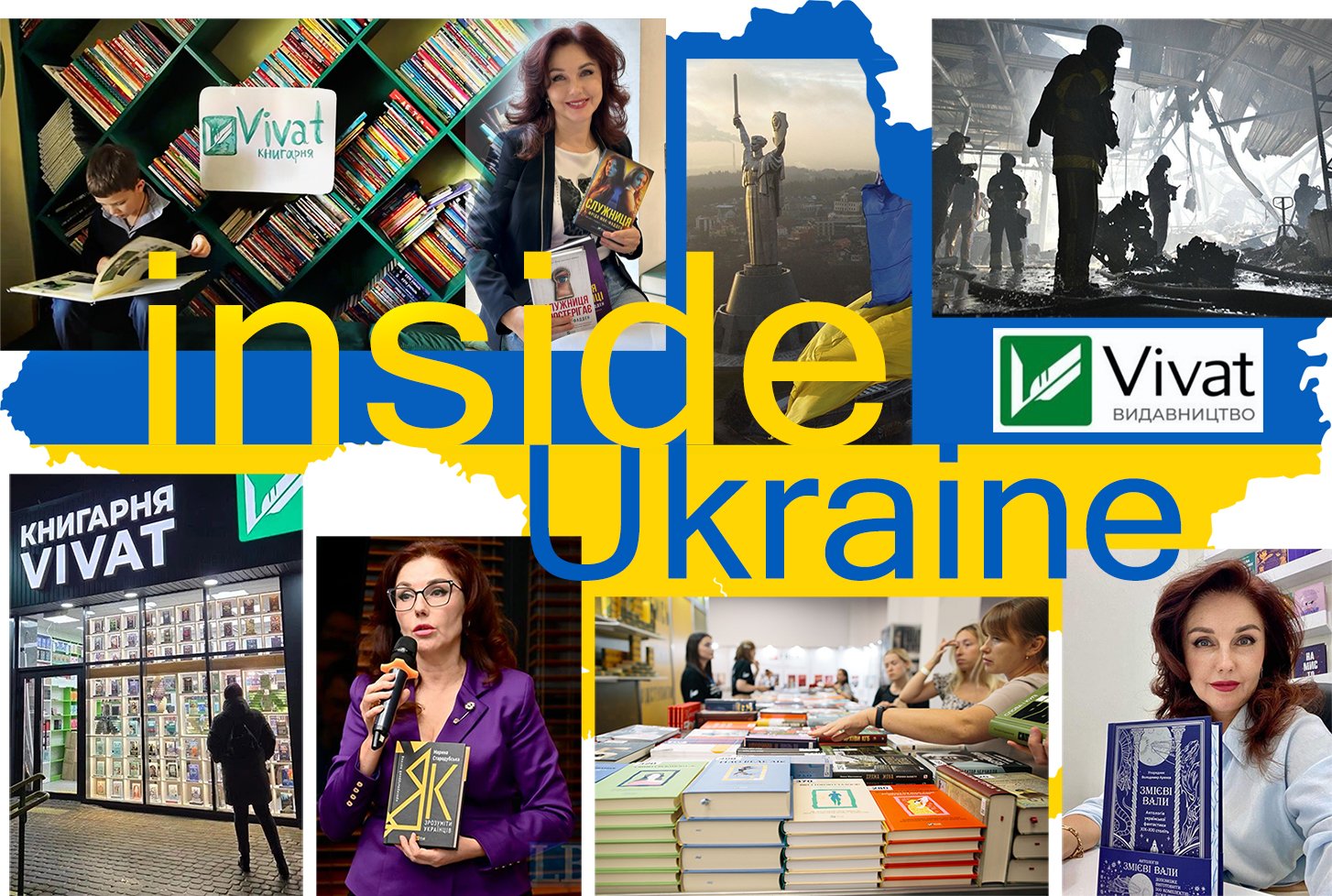
* All images and answers in the feature were provided by the WOW Woman.
INSIDE UKRAINE SERIES: A SNAPSHOT, A DAY-IN-THE-LIFE, A GLIMPSE OF WHAT IT’S LIKE TO LIVE, RESIST, SURVIVE AND PERSEVERE IN A NATION UNDER ATTACK.
GLORY TO THE UKRAINIAN WOW WOMEN, FOR SUPPORTING THEIR COUNTRY AND BRINGING UKRAINE CLOSER TO VICTORY.
Yuliya Orlova is the CEO of Vivat Publishing, one of Ukraine’s largest publishing houses. The company is headquartered in Kharkiv, a city that has been under sustained russian attack since the start of the full-scale russian invasion in February 2022. Alongside strikes on civilian infrastructure, russia has systematically targeted Ukrainian institutions, including schools, universities, libraries, and other symbols of Ukrainian culture. Nearly four years into a war perpetrated by the russian federation, Ukraine has demonstrated remarkable resilience and fighting spirit. One visible form of that resistance has been cultural. Millions of Ukrainians have consciously turned toward Ukrainian language, literature, and publishing, moving away from russian-language content as an assertion of Ukrainian identity and continuity.
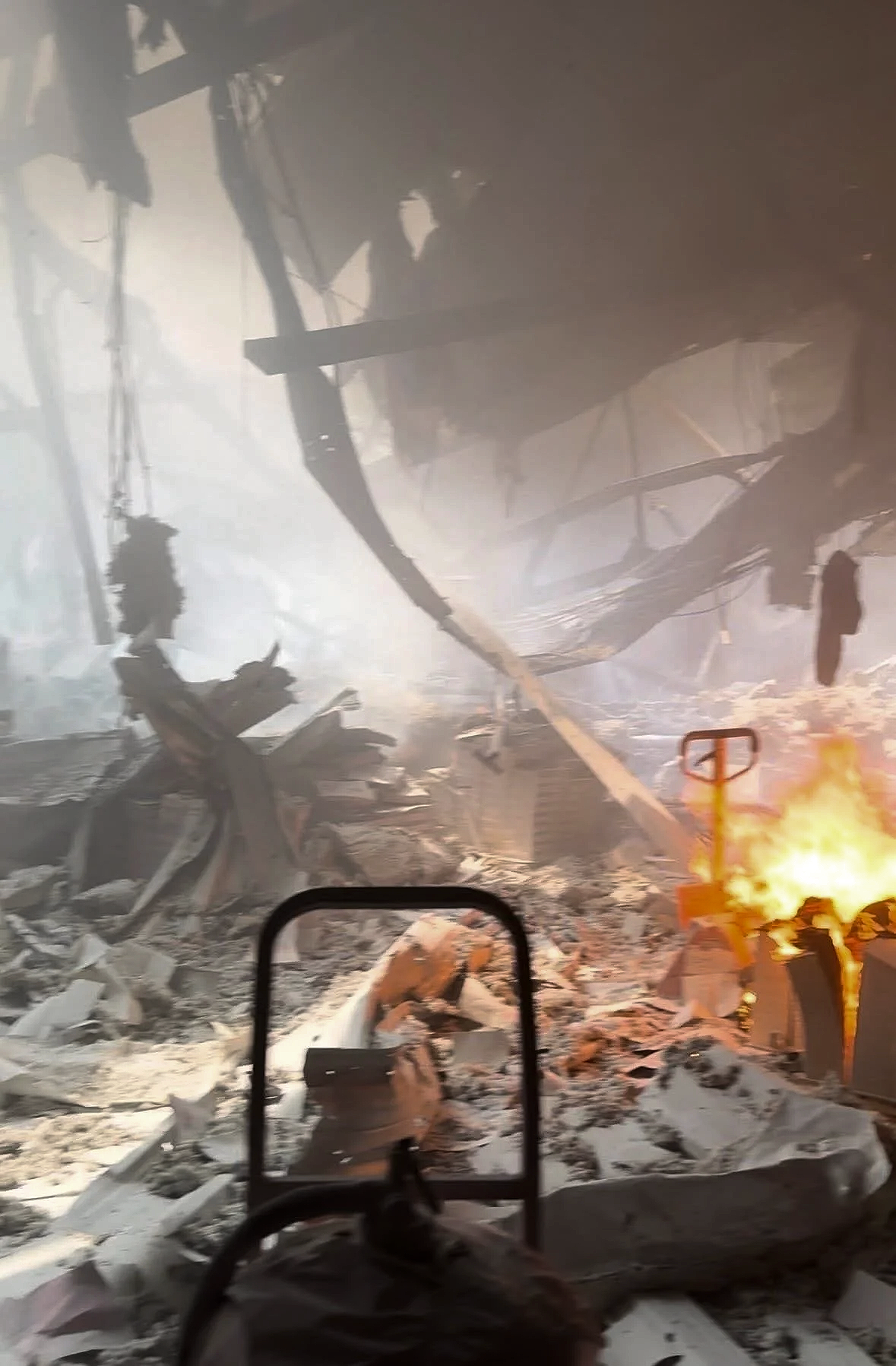
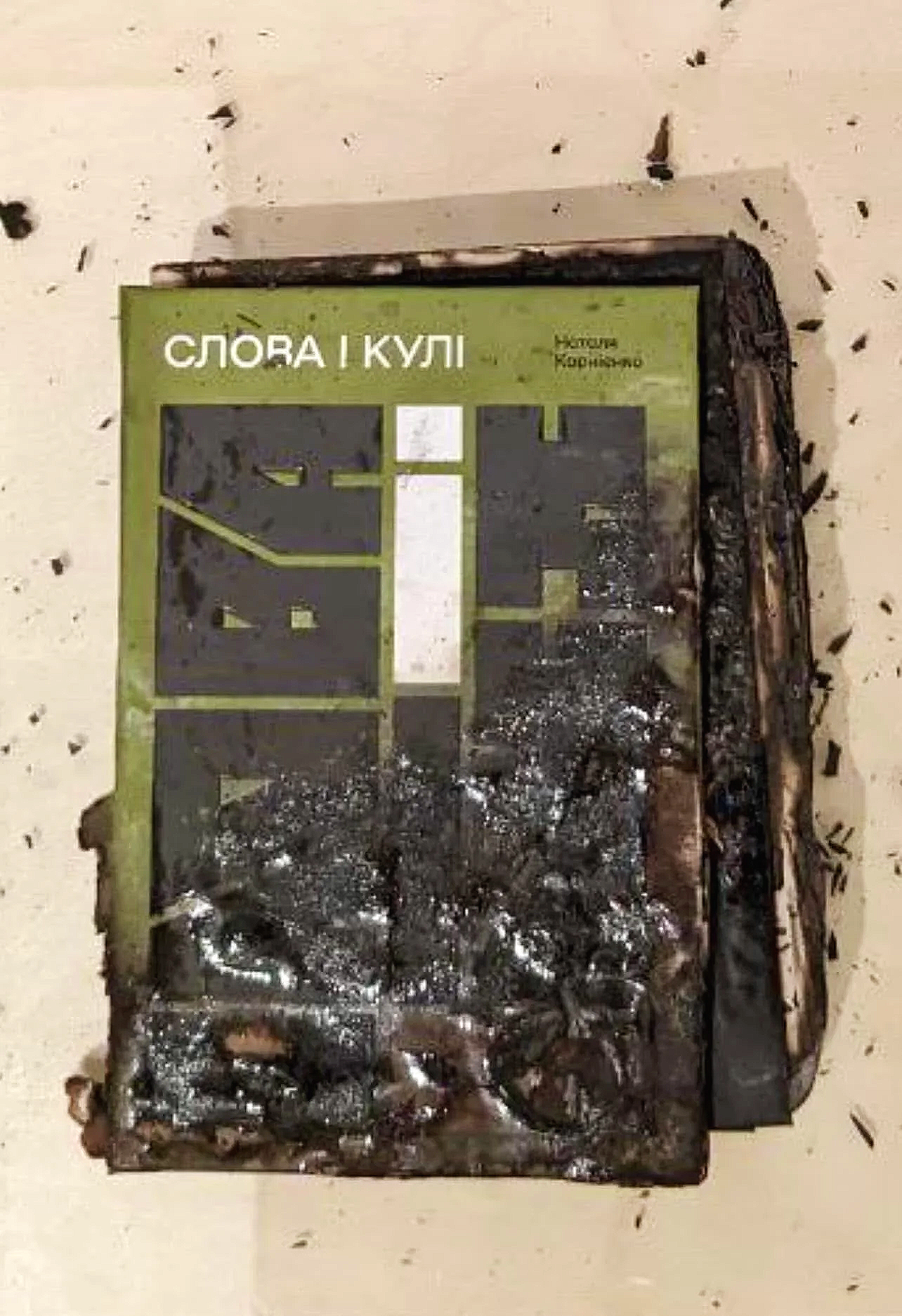
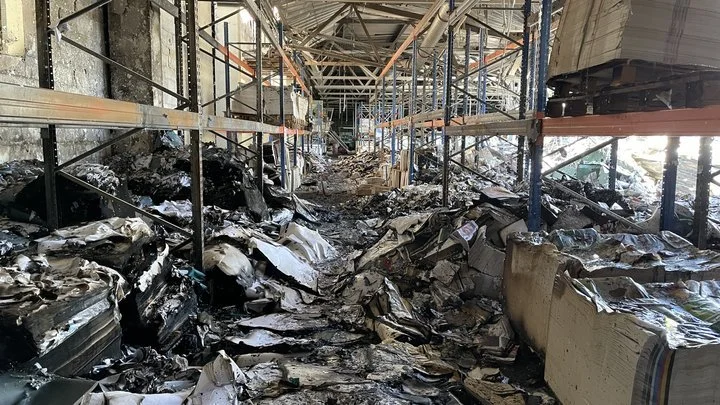
As part of this broader effort to erase Ukrainian culture, russia bombed a place where Ukrainian-language books are printed. In May 2024, a russian missile strike destroyed the printing factory Factor-Druk, where most Vivat books were produced. Seven people working at the factory were killed. More than 50,000 books were destroyed, and the publishing house suffered financial damage exceeding 20 million hryvnias. New book releases had to be halted at a moment when they were essential for Vivat’s survival. Orlova responded by making a difficult but principled decision to keep the team intact and continue paying salaries, choosing to care for her staff above immediate financial relief.
For Orlova, the war has reshaped both her leadership and her sense of purpose. Trained as a chemist and drawn early to publishing, she has spent years building systems, teams, and long-term strategy. Since 2022, that work has taken place under constant uncertainty, because Kharkiv is about 30 kilometers (approximately 19 miles) from active front-line fighting and russian rockets reach the city within minutes.
Despite all that, Yuliya’s focus has remained on the fundamentals of leadership expected of any effective CEO, manager, or organizational head, while carrying out that work under the extreme pressures of war and recurring missile strikes. The Ukrainian experience offers a broader lesson. Culture-preserving institutions matter. People come first. Culture is not separate from resistance but part of its foundation.
- Olga Shmaidenko, Founder of WOW Woman. Inside Ukraine is a WOW Woman series documenting the voices of Ukrainian women during the full-scale russian invasion. It bears witness to the human cost of war and to Ukrainian women’s refusal to be silenced.
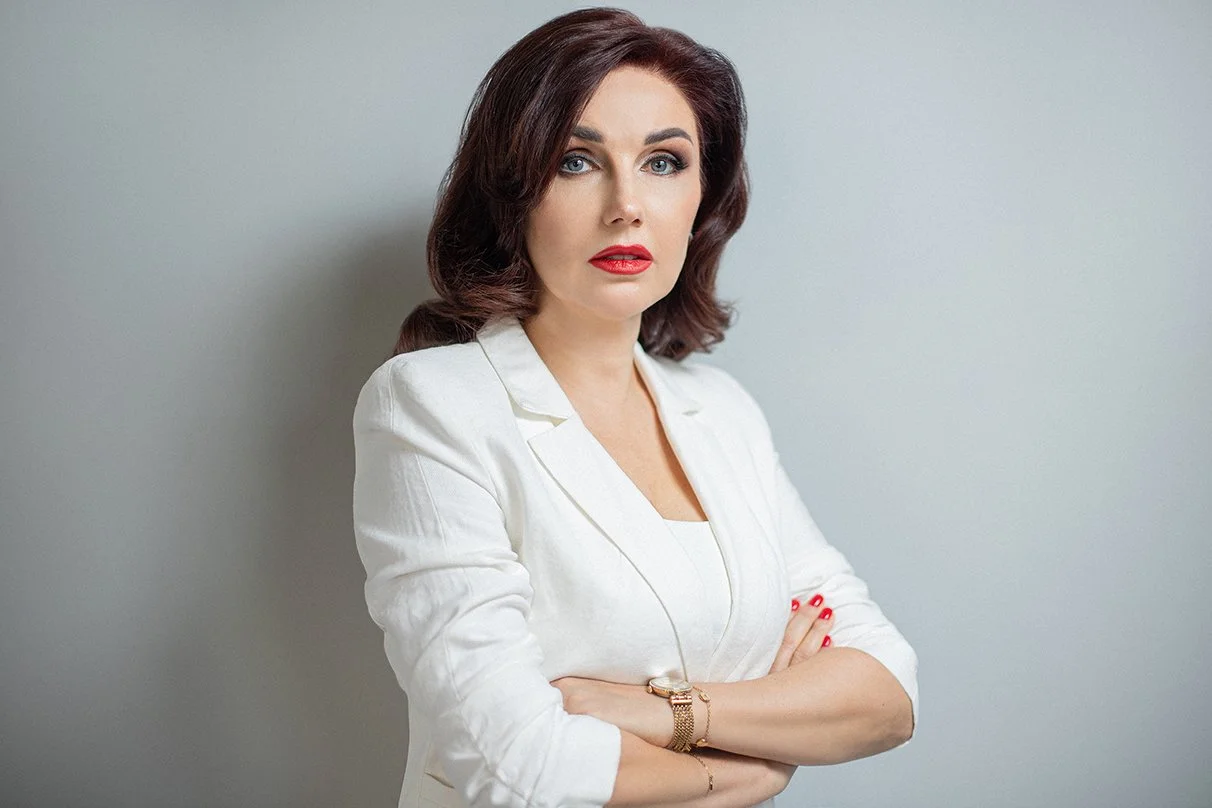
CEO and Co-owner of Vivat Publishing House, Kharkiv
1. Name
Yuliya Orlova.
2. Where were you born and where do you live now?
I was born in Murmansk because my father was in the military. Right now, I practically live in three cities at once, and honestly, it is exhausting. It is very difficult to feel a sense of home when it does not fully exist in any of those places. I realized that I am not a cosmopolitan at heart. I need stability.
For now, I treat this lifestyle as something forced, not chosen. In Ukraine, I divide my time between Kyiv and Kharkiv, mostly Kyiv. Every year I also travel to Poland for two or three months.
3. What did you study and what is your current profession?
I graduated from Kharkiv State University with a degree in analytical chemistry. I barely worked in that profession, only a few months in forensic science, so I definitely do not see myself as an expert. Already in university I began working in publishing, and since then I have felt that my life is connected to books. Today I am the CEO of Vivat, and it feels so organic to me that I cannot imagine myself in any other role.
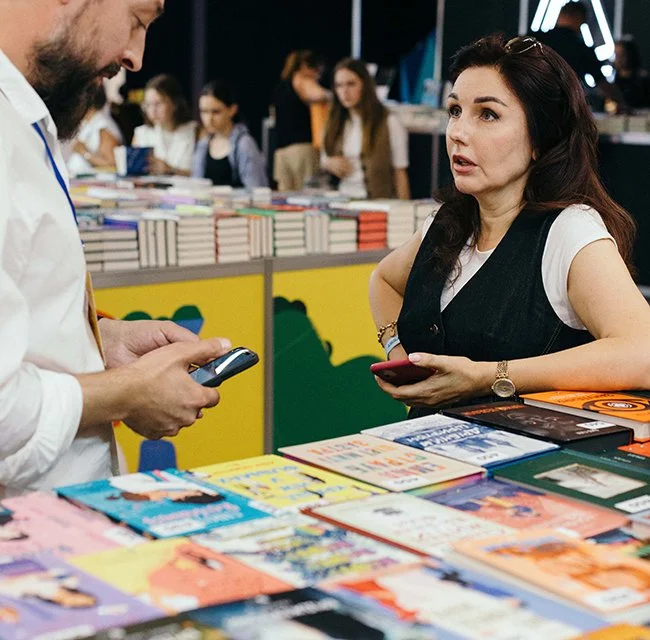
4. What did your typical day look like before the full scale invasion and how has your life changed since then?
Before the full scale invasion, there was such a predictable routine to my days that it now feels funny. It is regular office work, but I truly love it. The office is a workspace that gives energy. You feel the team’s mood, you read non verbal signals, you see who is sad, who drives the process. It is a completely different group dynamic compared to remote work.
I had a very clear schedule and always followed it because I am a very system-oriented person. One of the biggest changes has been remote work. Keeping 277 people aligned when they work from different cities and countries is extremely difficult. Human connection can get lost. Sometimes people might not know for nearly half a year if they work in different departments. For me, this is probably the greatest disruption in my professional life.
In fact, routine saves our sanity, stabilizes our mental health. It provides a psychological framework. You need daily actions that you must complete regardless of the chaos outside.
Now my typical day is scheduled almost hour by hour in Google calendar, and I truly follow that schedule. The whole team does as well. It includes not only work blocks but also personal ones, such as specific hours to answer calls or clear emails. There is even scheduled time to think. Throughout the day I write down problems or questions that arise, and later I set dedicated time to analyze them and make decisions.
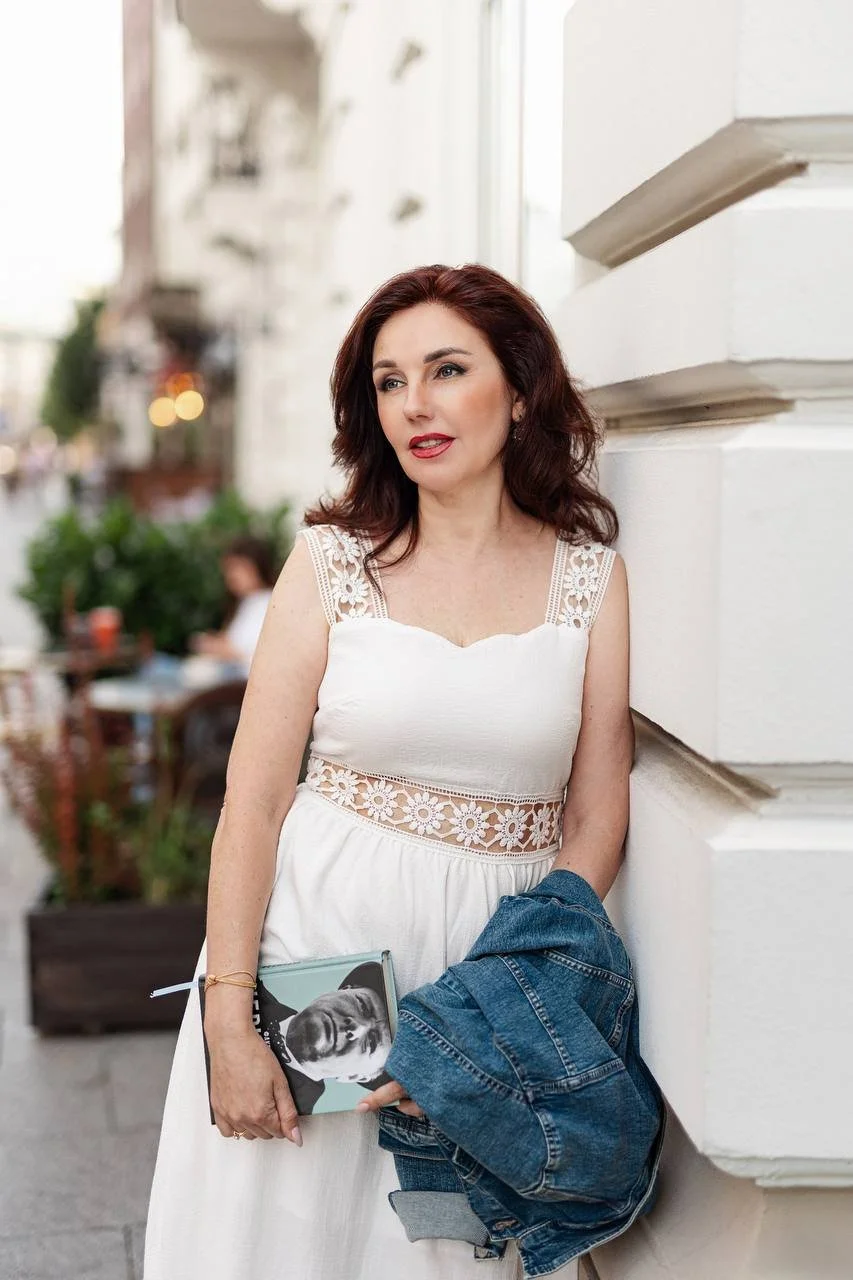
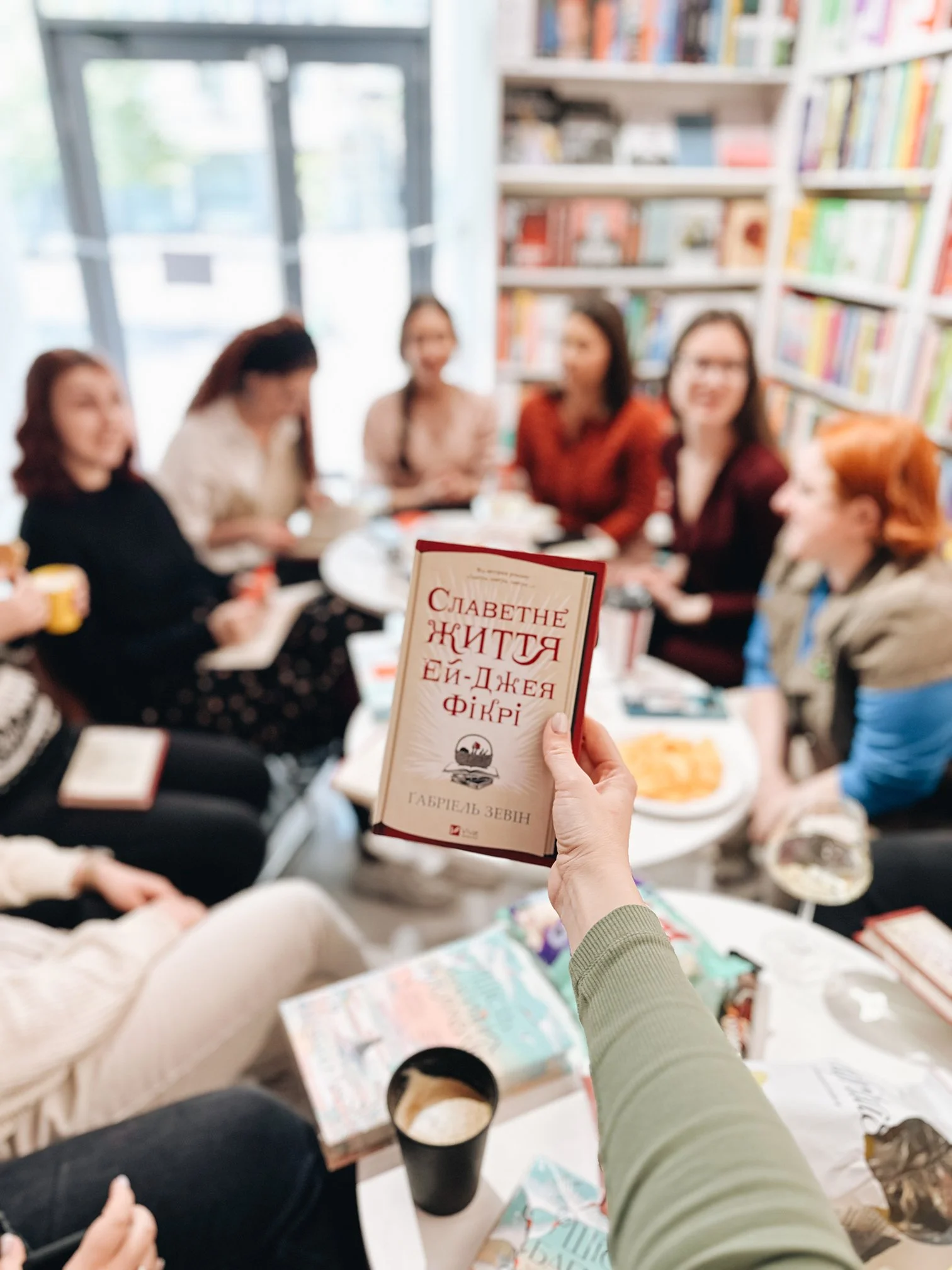
This structure helps a lot. It has become the backbone for me personally and for the systematic work of the entire team.
5. Where were you when the russian offensive began and how did you learn about it? What challenges did you face after the invasion started?
We were in Kharkiv when the full scale russian invasion began. In the first days the brain refused to accept reality. Despite the tremendous shelling, it seemed like this horror would end within a week. That collective vibe of two or three weeks and it will be over played a cruel joke. When it became clear the war was not ending and Kharkiv was facing even heavier attacks, the city started to empty. People were leaving however they could. There were no tickets. Sometimes it was impossible to reach the train station because of the shelling.
No one thought about work at that moment. Survival was the only goal. If I answer honestly what challenges we faced after the invasion, the answer is simple but terrifying: to survive. Just survive. When 50 to 60 air bombs fall on your city every day, when everything around explodes, you do not plan, you do not work, you do not analyze. You try to stay alive. These were the kinds of “challenges” we faced.
That's when I really felt the value of our team. We all got together in a chat room, kept each other informed, and helped each other with advice, information, and resources. That feeling of being part of a community that won't let you slip away, that will catch you if the ground slips from under your feet, is incredibly important.
I think this is a unique feature of the Ukrainian mentality. I don't know how it is in other countries, and I wouldn't want to find out in such circumstances, but we really came together in a way that became the foundation that kept Vivat from falling apart. On the contrary, we survived, rebuilt ourselves, and are now moving forward with great confidence.
6. What do you consider to be your strengths and superpowers?
My strengths are related to consistency and coherence. I am quite organised, which helps me build scalable professional processes. I know how to listen to people and openly admit when I don't know or can't do something. For me, it is important not to be the smartest person in the room, but to create an environment where my colleagues can grow, where I can teach them and be a role model for them, but at the same time, I am constantly learning from them.
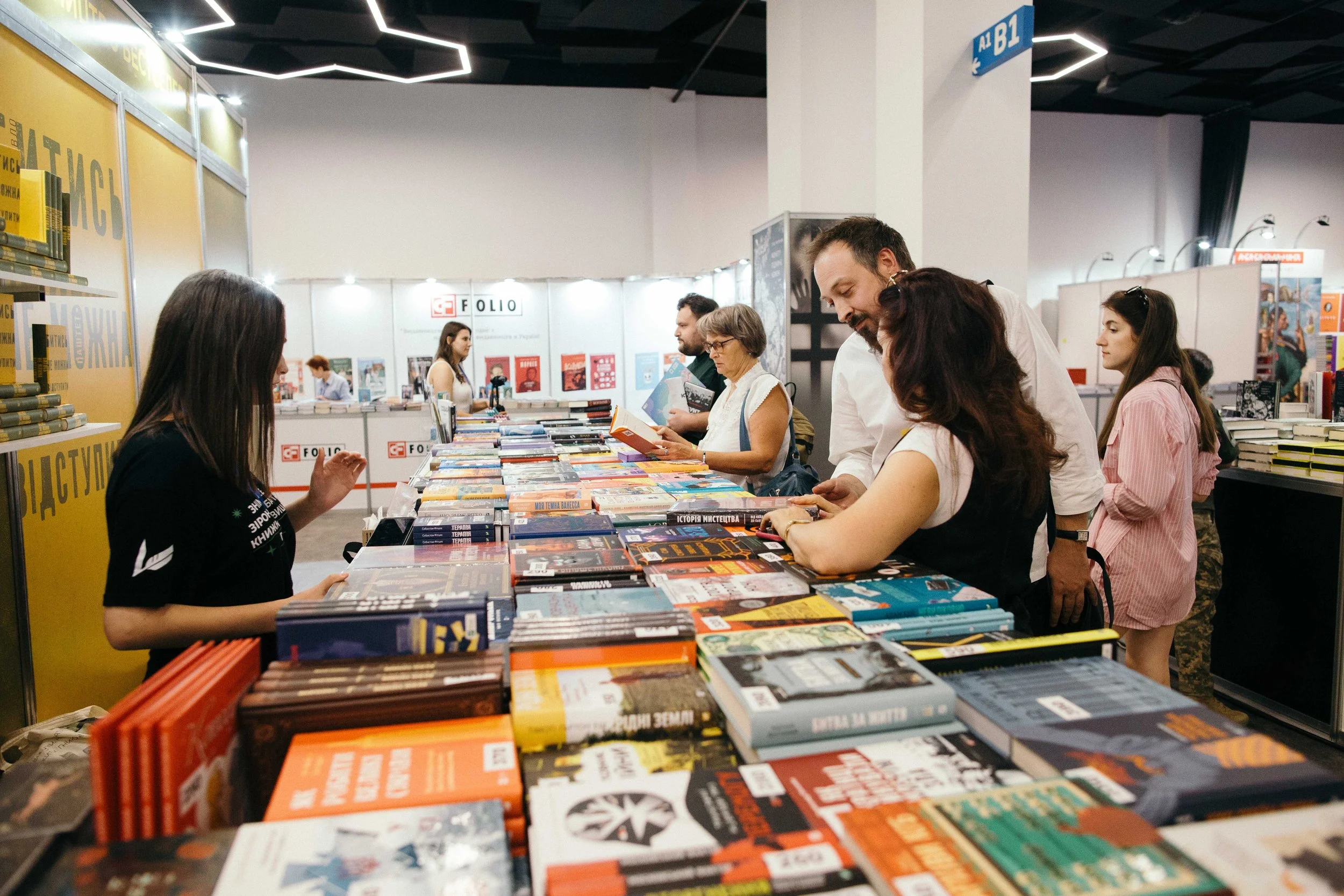
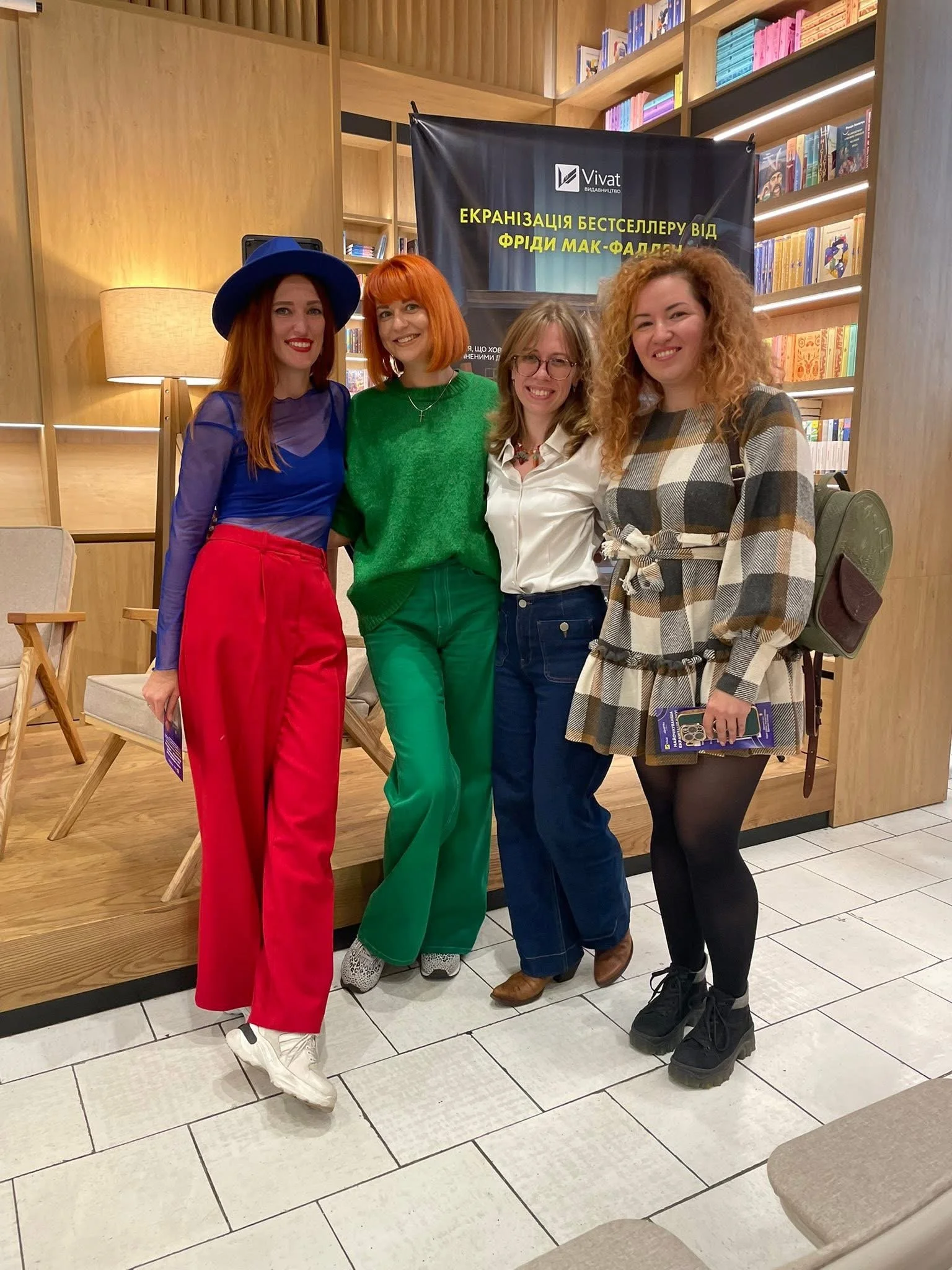
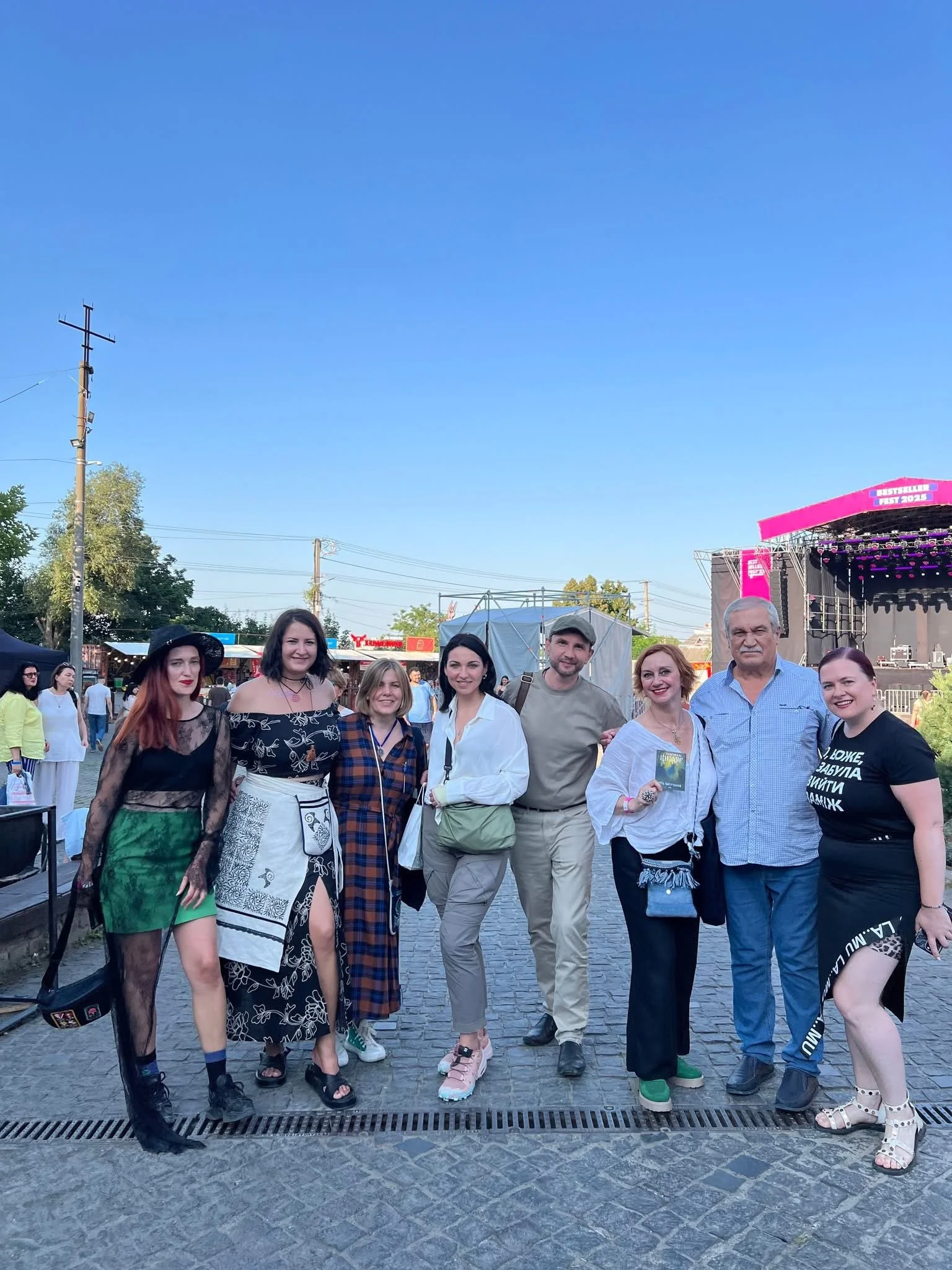
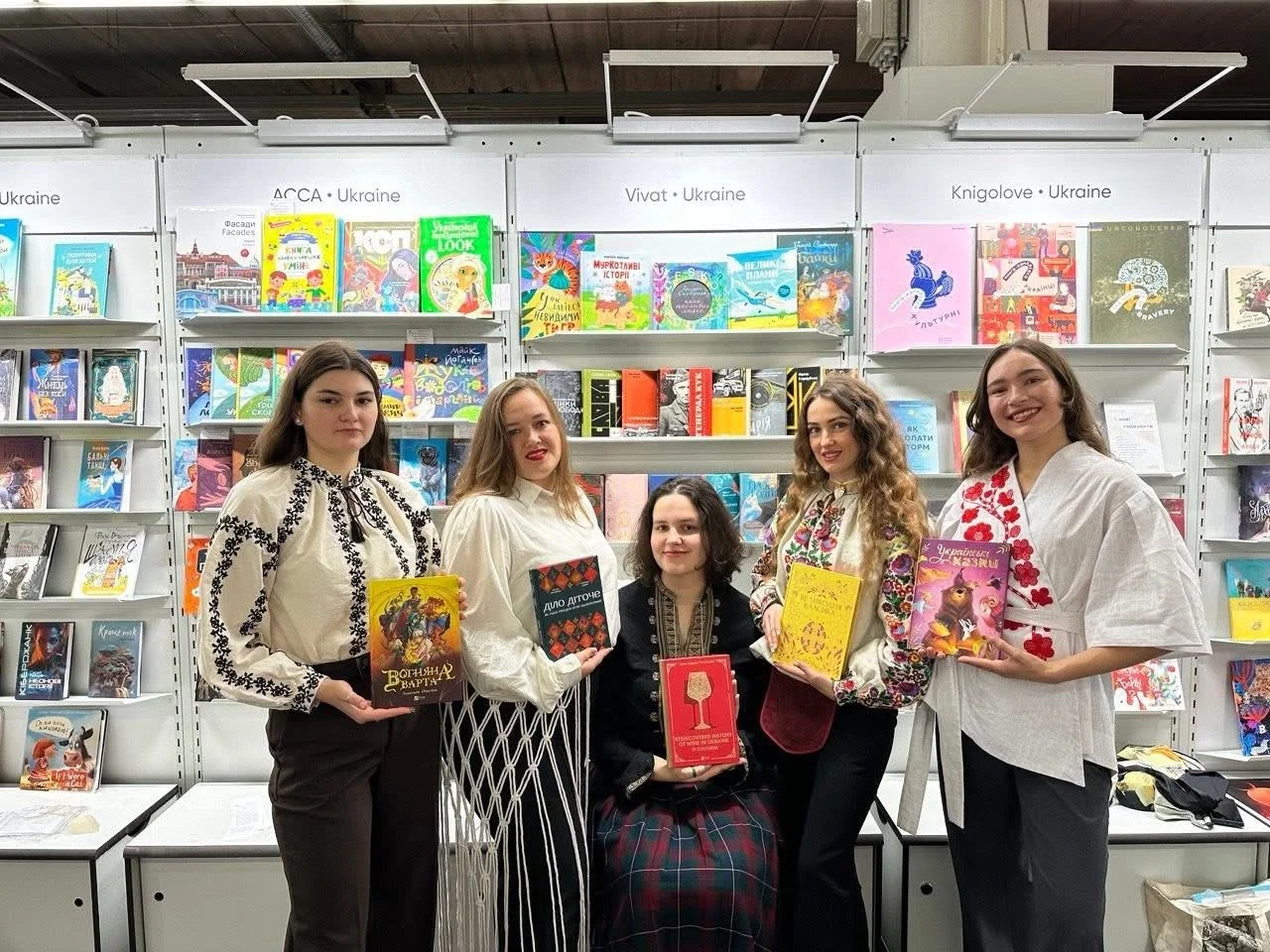
I am also proud of and consider my ability to build teams to be one of my key achievements. The Vivat team is a truly professional, hard-working and non-toxic group of wonderful people. When the war started, we lost a third of our team because people left the country and will not be returning to Ukraine. However, we managed to find new professionals even in the face of a staff shortage, train them and pick up the pace of work.
This experience proved to me that I am not only capable of forming strong and effective teams, but also of quickly restoring and scaling them in difficult circumstances.
When it comes to superpowers, people often say that after talking to me, they feel inspired to take action. I am optimistic, I am curious about life, and this energy probably rubs off on others, inspiring them to do their own thing. If that is true, I am grateful. It means my leadership has purpose.
7. What specific actions (big or small) have you taken and continue to take to help Ukraine and its people?
We systematically participate in initiatives for both the military and affected civilians. In particular, we organised a campaign with the HURKIT Charitable Foundation and purchased two air defence systems to protect the country. We also supply libraries in frontline areas with books. Our anthology Zmiyevi Valy (Snake Walls) is the only one in Ukraine, with 100% of the profits going to help the Armed Forces of Ukraine. Recently, we also donated over 200 books to war victims in Misto Dobra / City of Goodness, the largest shelter in Ukraine for women, children and elderly women.
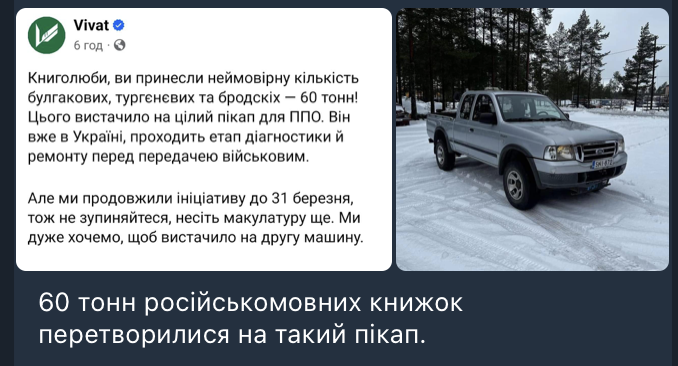
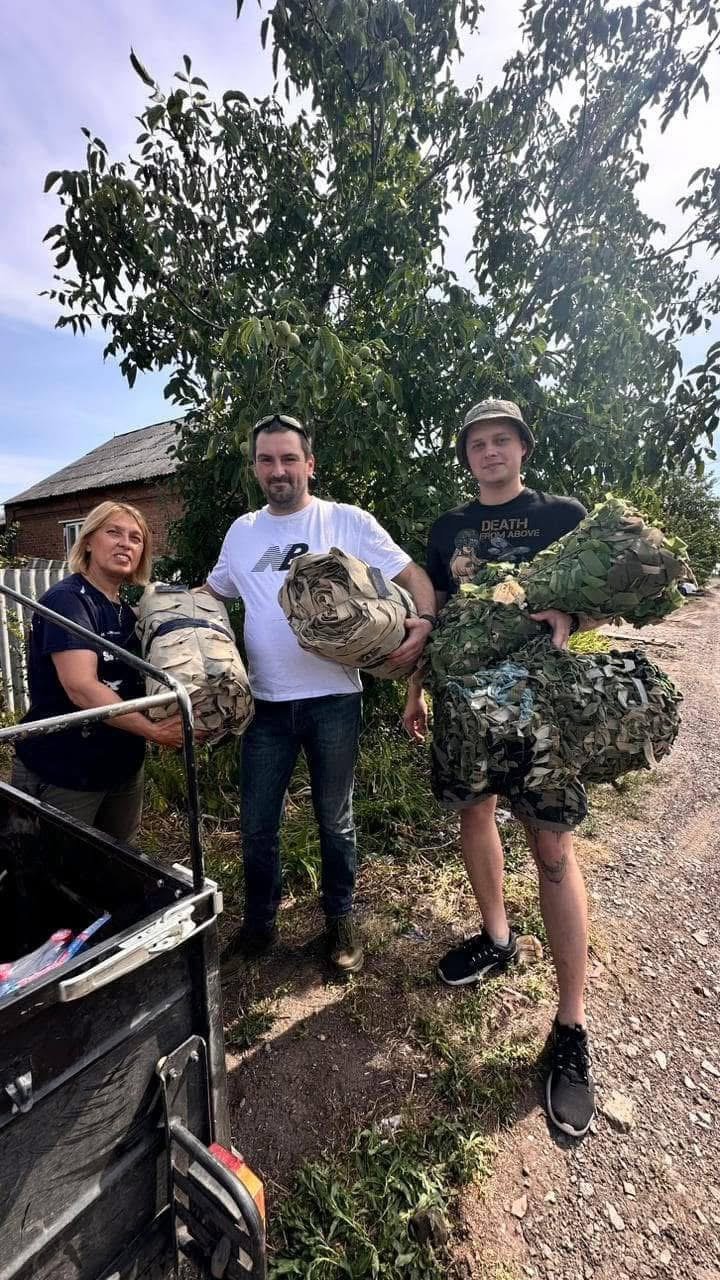
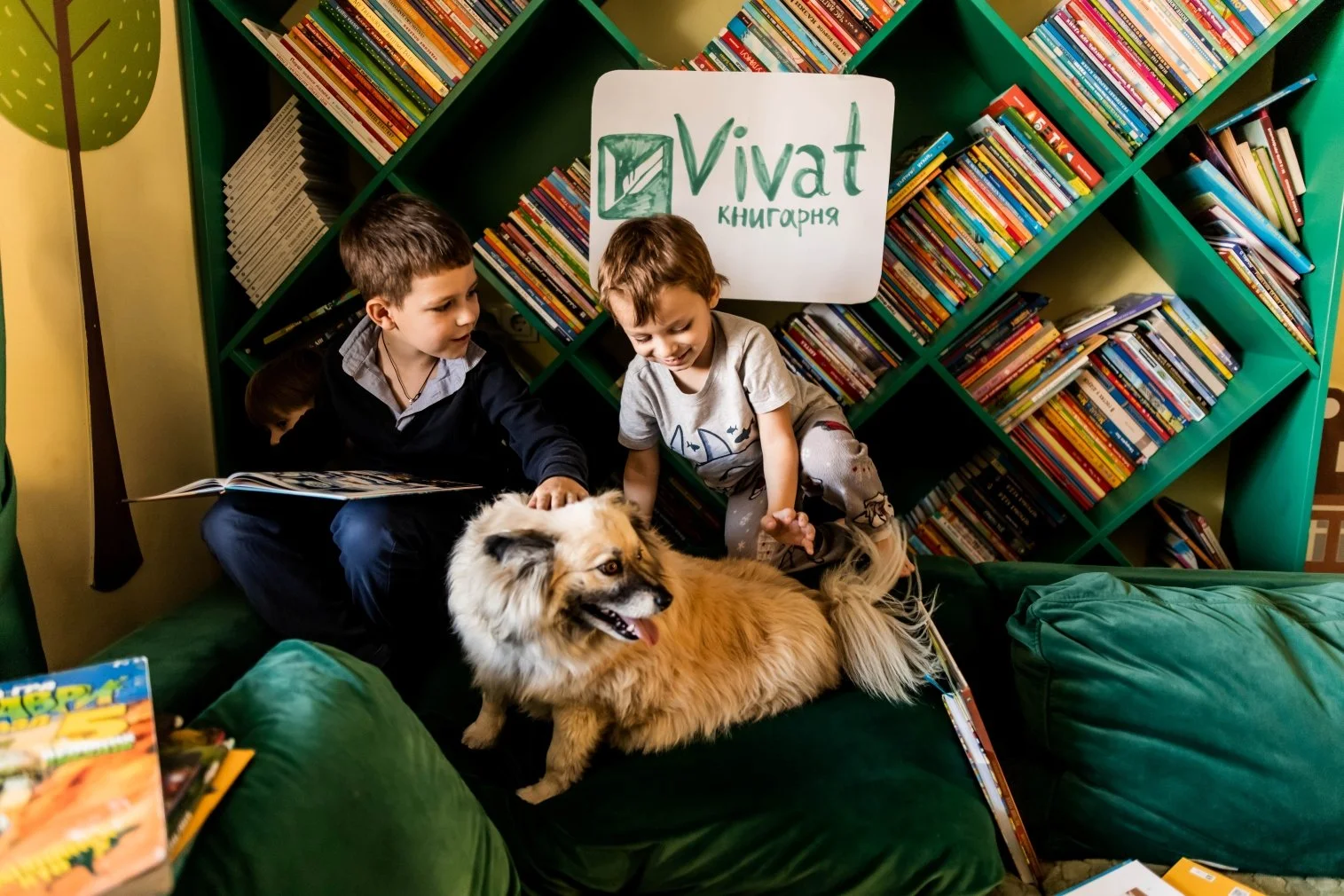
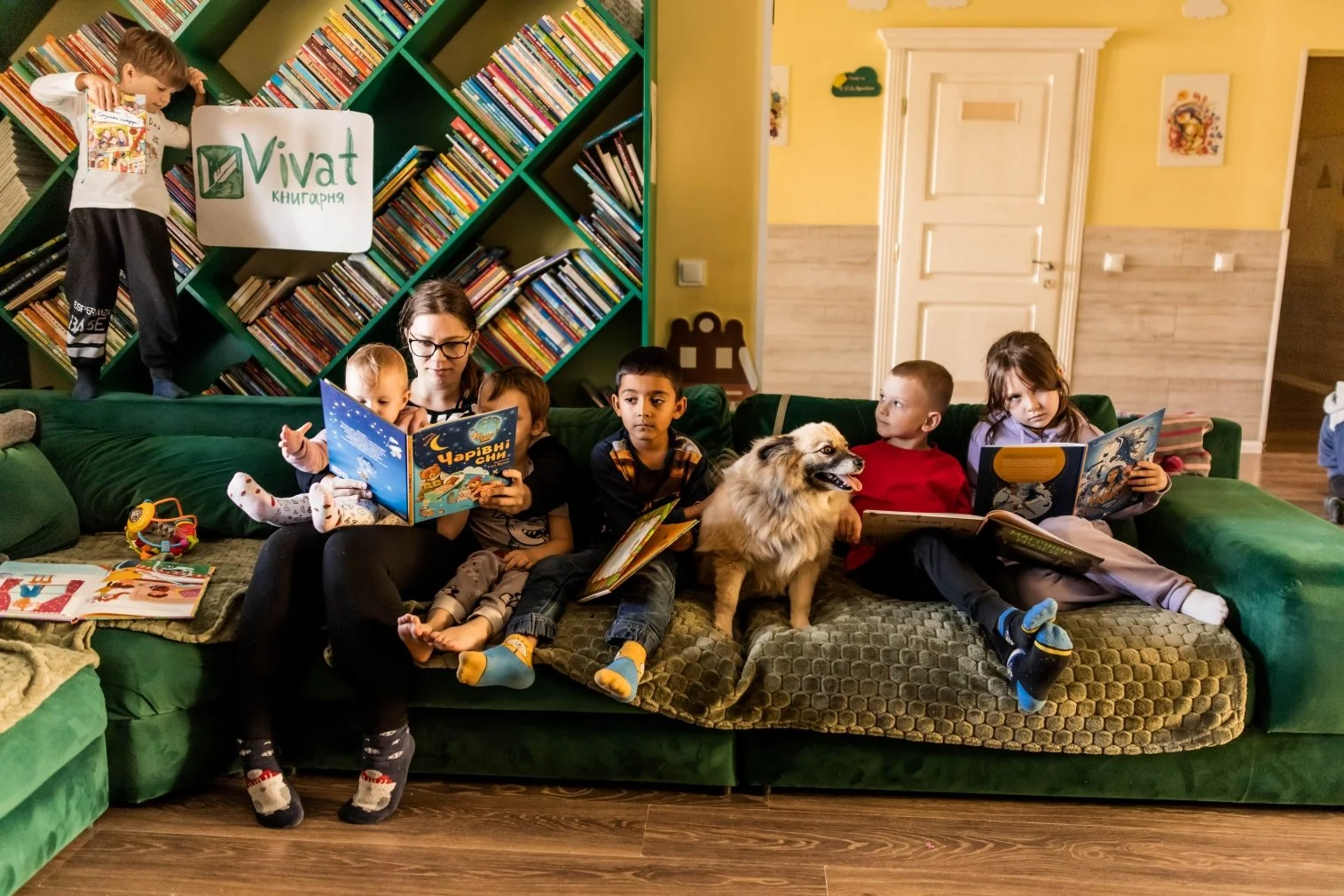
Above. Fundraiser for a military vehicle and delivering camouflage nets and other items to the defenders. Below. Donating our books to City of Goodness, a charity created to help children, mothers, older women as well as displaced by war families.
In particular, I would like to mention the book “I Transform: A Diary of Occupation and Selected Poems,” by Volodymyr Vakulenko, a writer killed by the russians. All proceeds from its sale are donated to the author's family. Volodymyr Vakulenko recorded events before he was kidnapped and killed by russians during the occupation of Izyum and the village of Kapytolivka in the Kharkiv region. Worried they would find his manuscript and destroy it, or rewrite it and use it as russian propaganda, he buried it under the cherry tree. The diary was found by writer Viktoria Amelina, who was later killed by a russian missile.
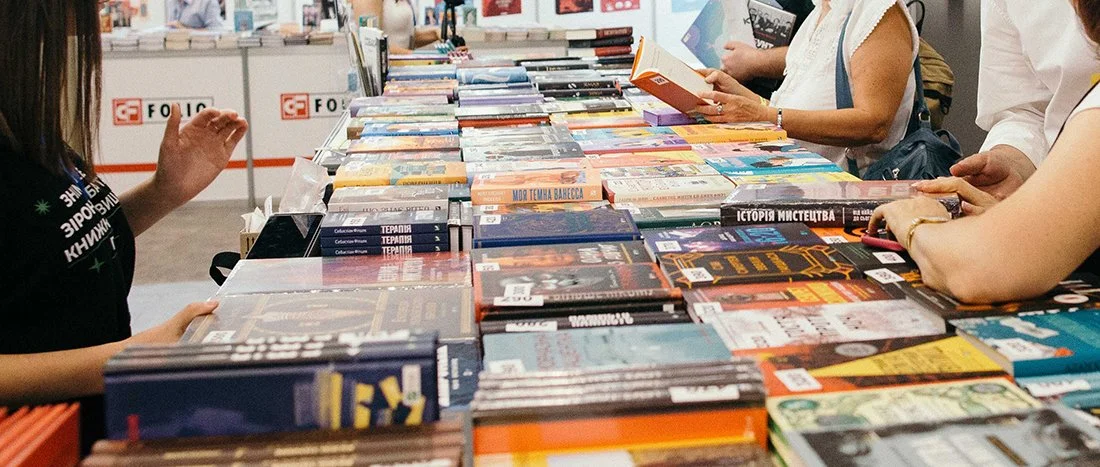
In total, Vivat Publishing has released more than 50 books about the war, including fiction and non-fiction. And if we count all of Vivat's publications, their number exceeds 30 million - in fact, more than the population of Ukraine. It can be said that almost every person in the country has a Vivat book.
I see this as my mission: to build a country with a high cultural reputation, where books, knowledge and historical memory become the foundation for the future.
8. How do you take care of yourself? Is it possible to remain mentally sound in wartime? What helps you keep yourself pulled together?
I don't think it's possible to remain mentally stable in the midst of a full-scale invasion. I, for one, will never be able to react normally to fireworks, for example. The piercing cold of bomb shelters, the horror of aerial bombs falling in Kharkiv, and the buzzing of drones will remain in my memory forever.
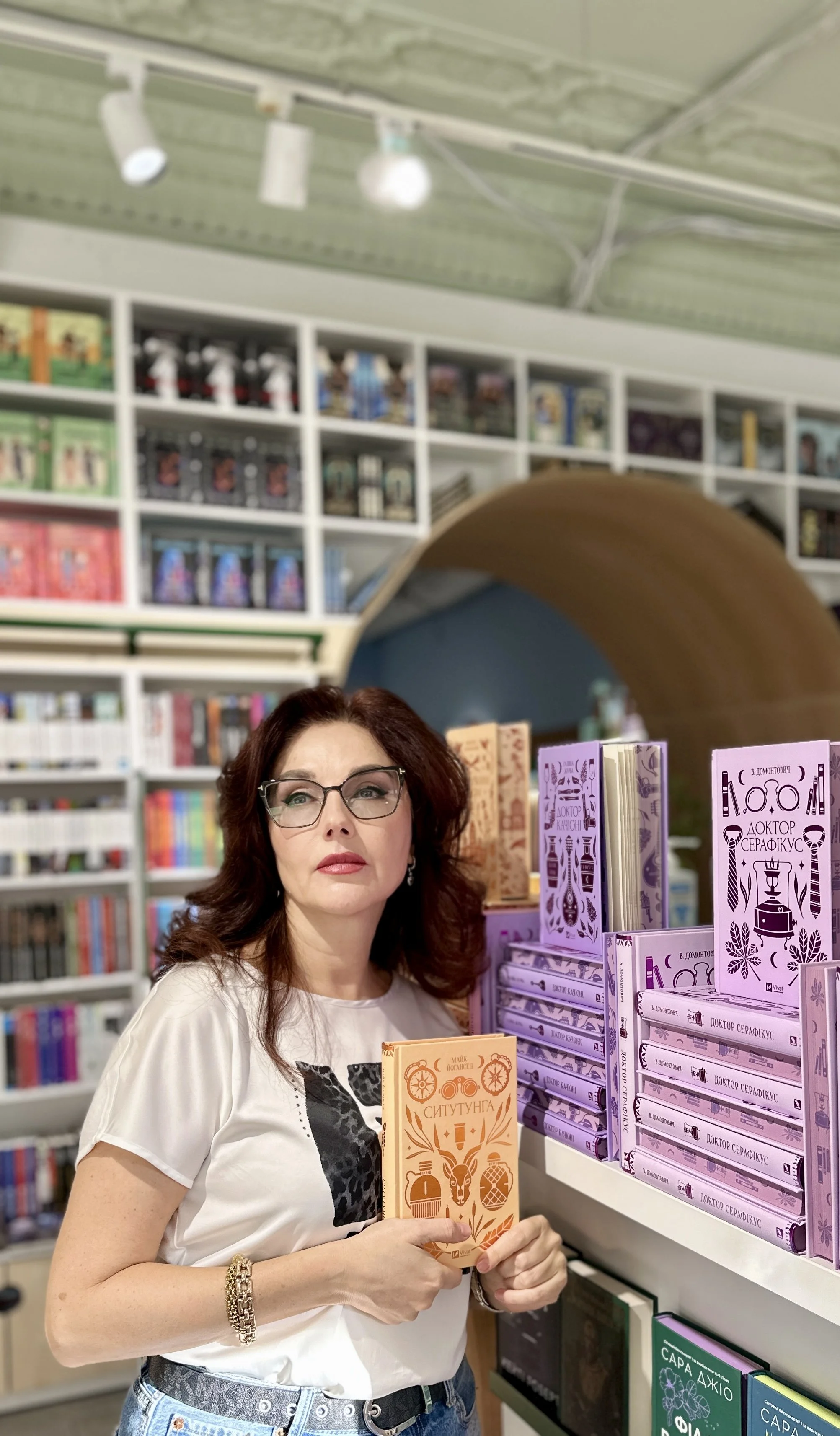
What do I do for myself personally? I try to walk a lot. It's not always easy, especially during blackouts or in autumn when the days are very short. However, in spring or when it is light outside, I make the most of the time to go for a walk. Rhythmic physical activity helps to relieve tension, reduce cortisol levels and maintain inner balance. Our selection of psychology literature also helps to support myself in these circumstances.
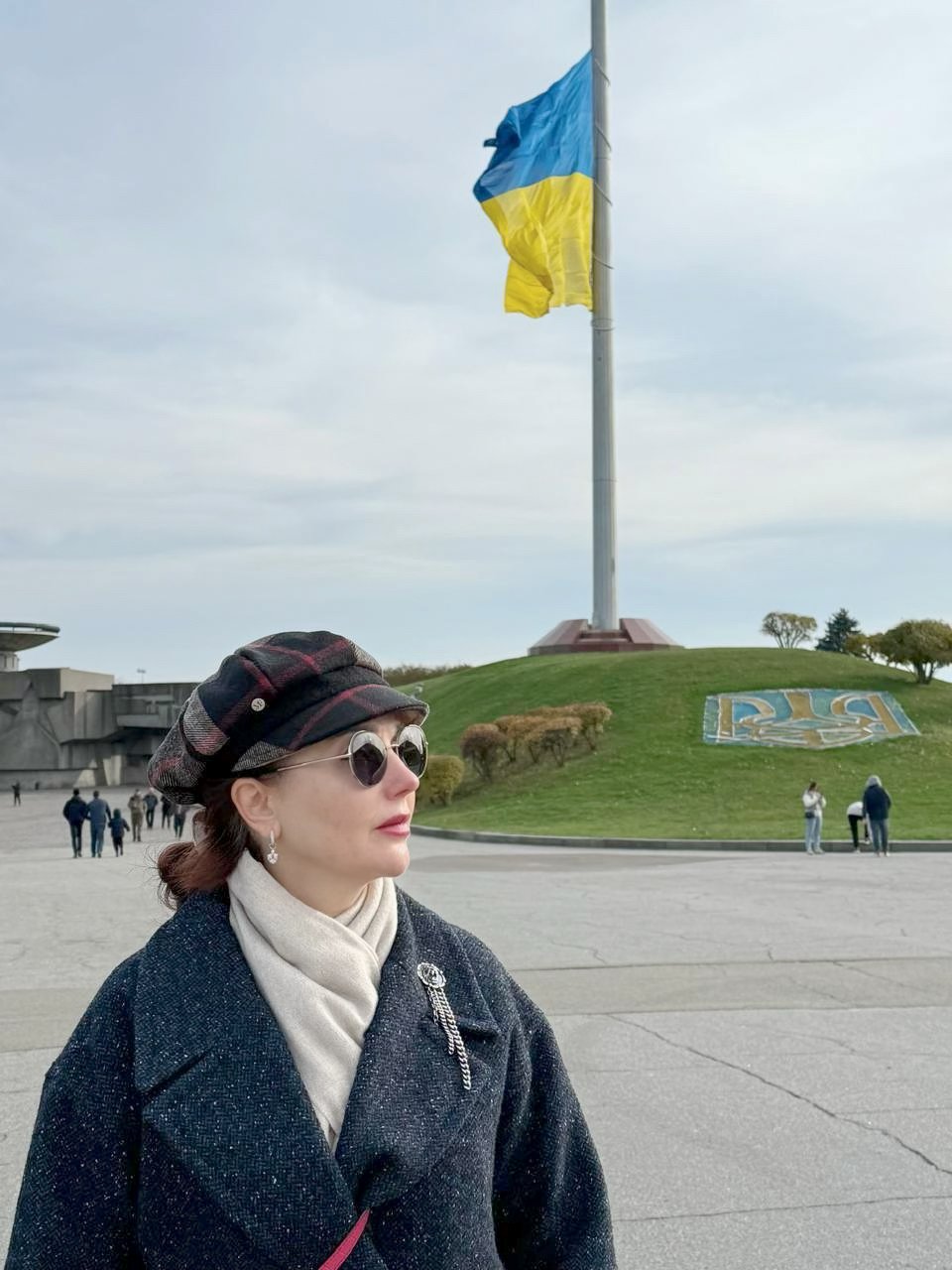
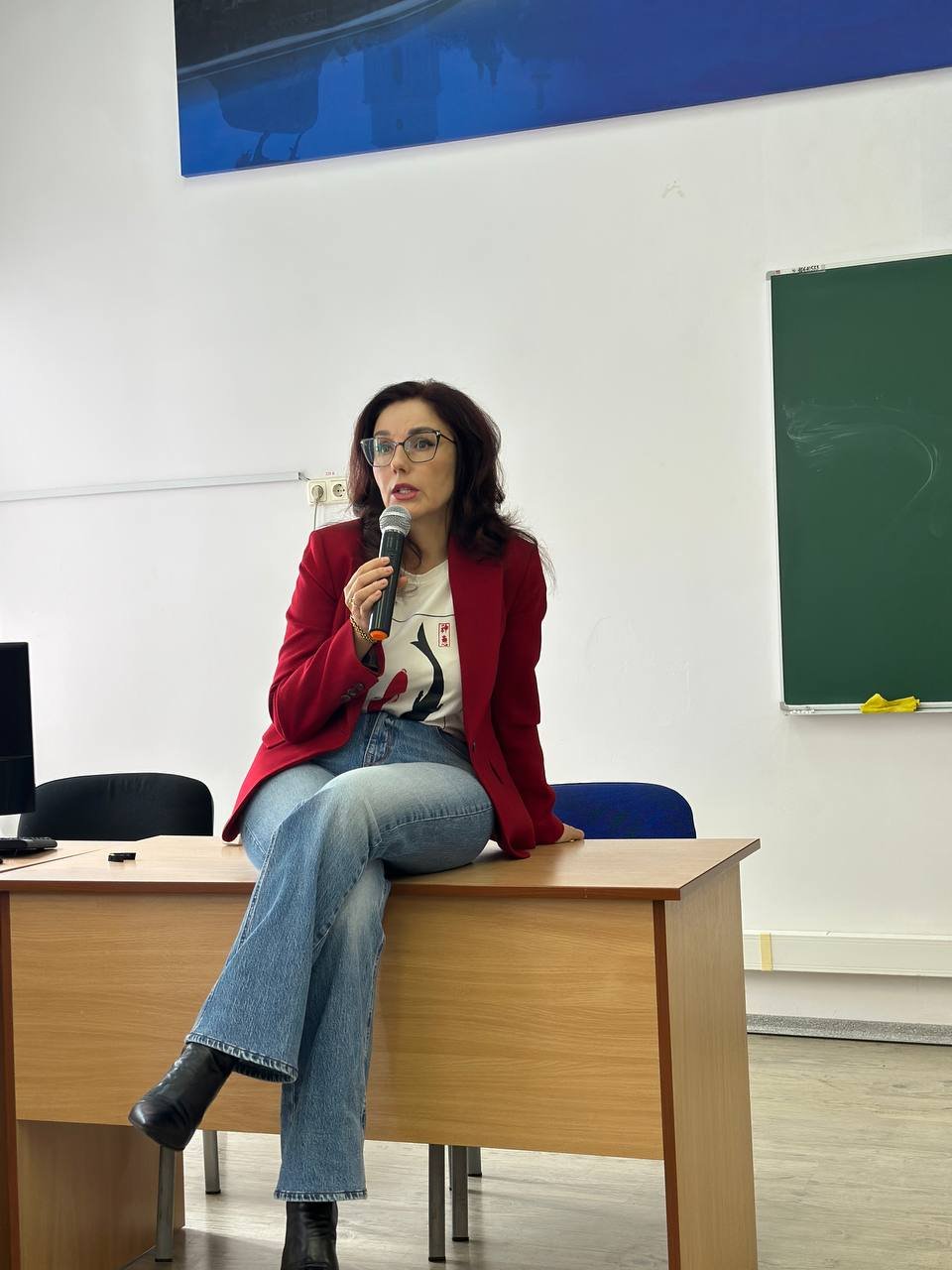
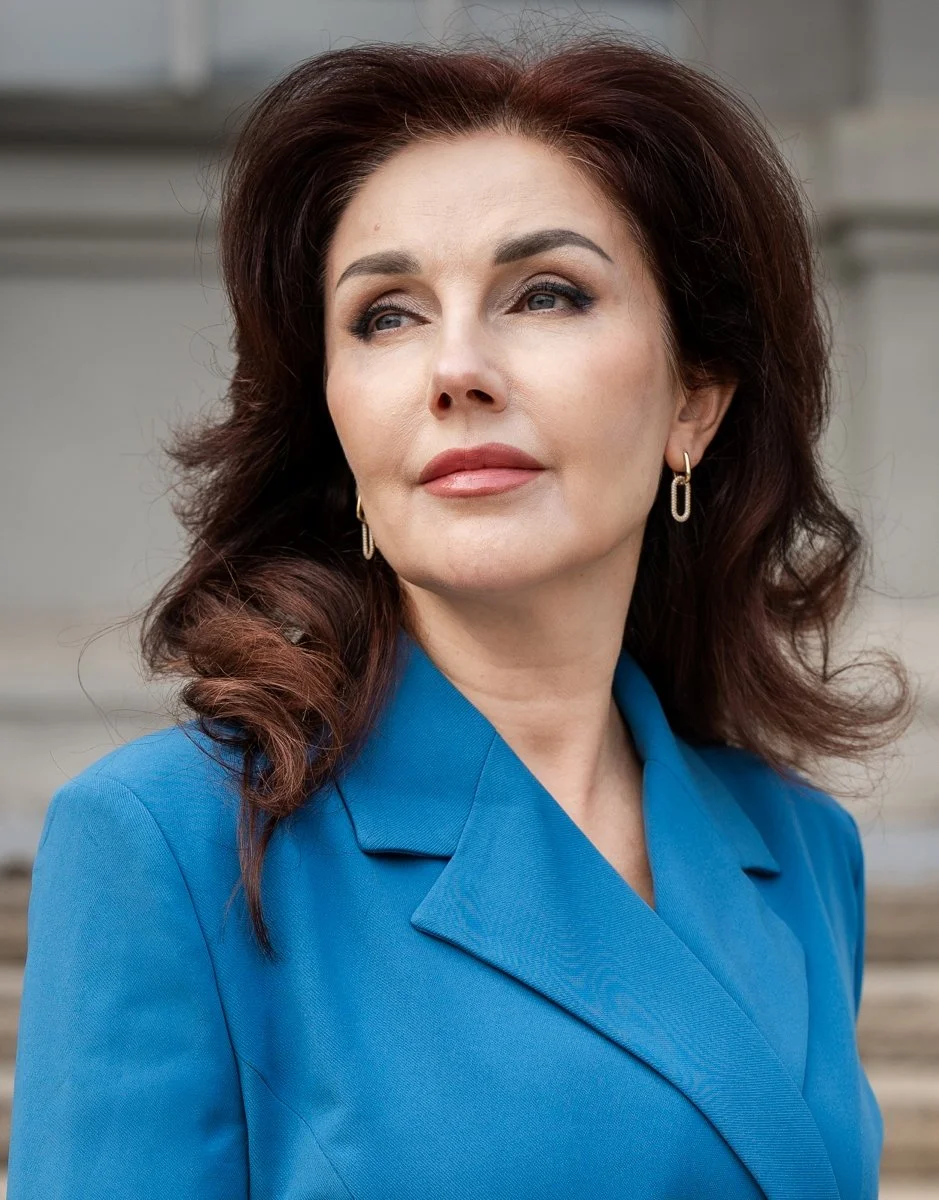
9. Do you feel that the war has changed you? How? Were you surprised by yourself (how you held on, remained strong, found inspiration in unexpected sources, etc.), your country, your ideas about humanity, your attitude towards the world? What was your epiphany?
Of course, major events are bound to change a person. The war changed me: I became more organized and more empathetic. My values have also changed, and it is not easy to accept this at my age. I realized how worthless material values are. I realized the real worth of health and having real people around me. I am lucky to be surrounded by very decent and wonderful people.
I am learning a lot and have started to ask myself questions that I didn't ask before or asked in a non-constructive way. Problems always arise in business: if you are not ready to solve them every day and make countless decisions, business is not for you. I chose this path and got used to it. Instead of asking why this is happening to me I ask, ‘What am I doing all this for? And for whom?’ This is a completely different, constructive approach - it is a direction that leads to quality decisions.
I think I've had an epiphany: the right questions lead to results. This is my biggest realization.
10. What would you like the world to know about Ukrainians at this moment in time? About Ukrainian women?
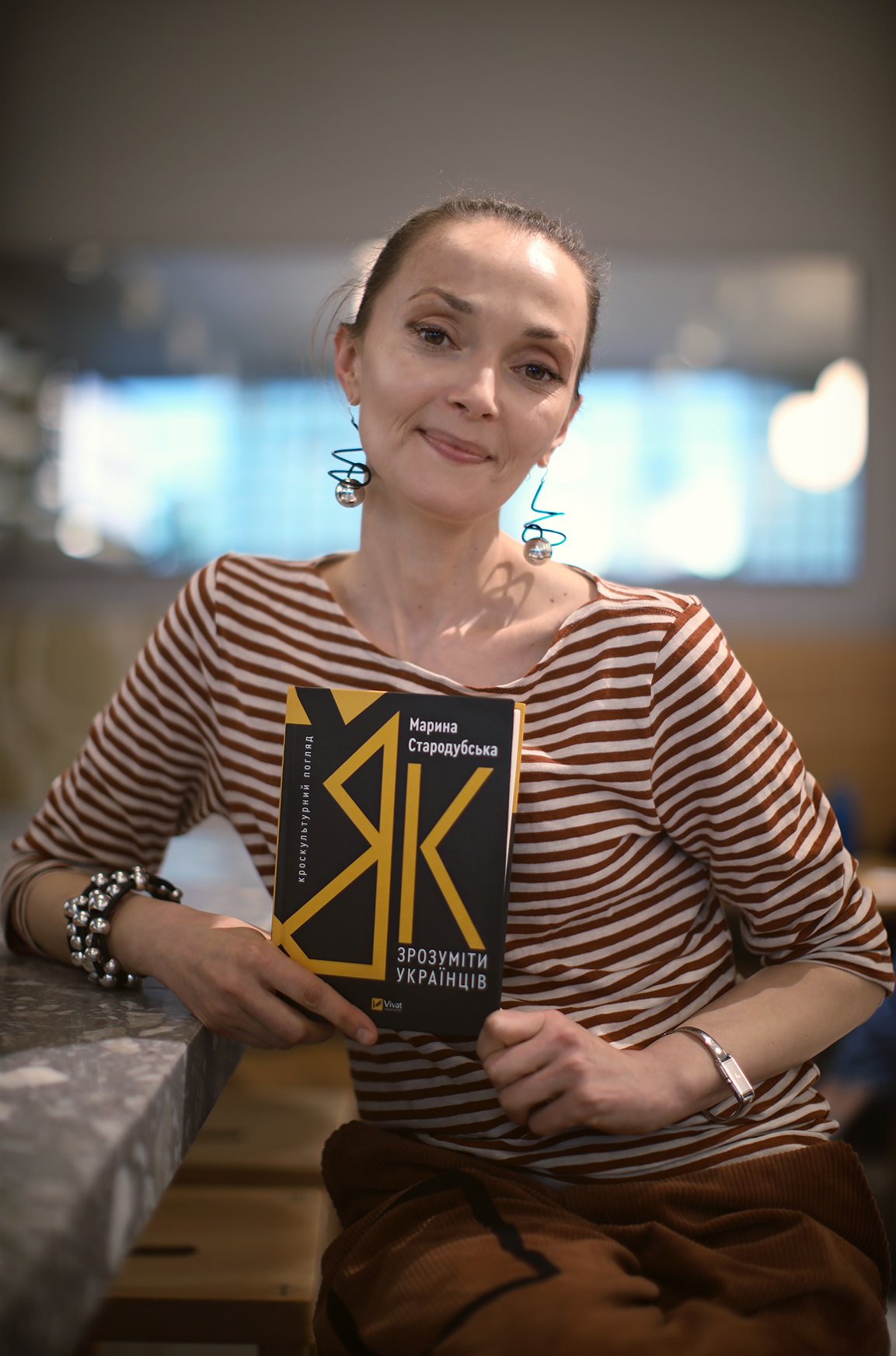
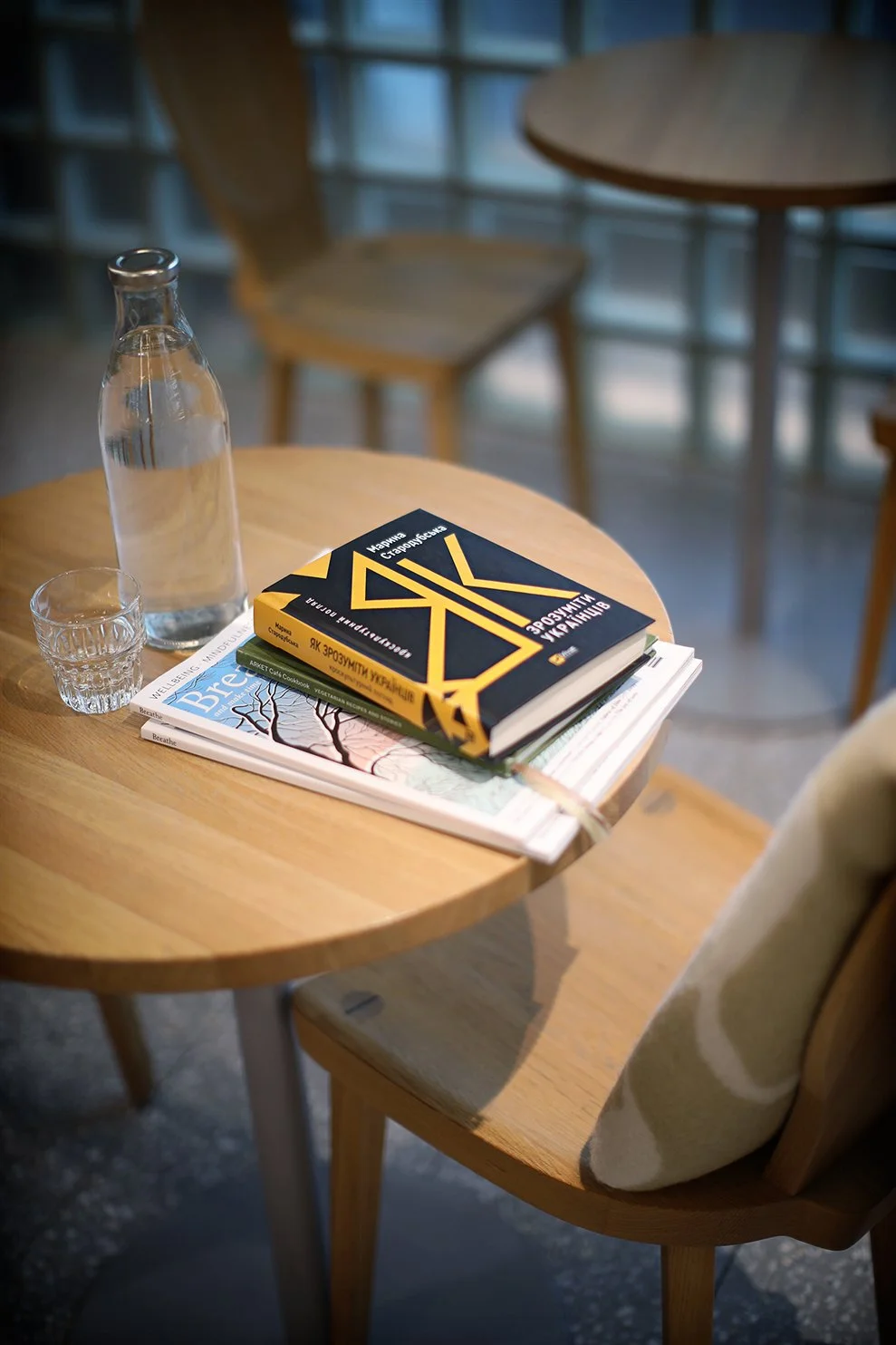
We publish a large number of books - both fiction and non-fiction - that help both us and foreign readers to better understand Ukraine. But I would like to draw particular attention to the book “How to Understand Ukrainians” by Maryna Starodubska. It is a great victory for us and the author that this work has seen the light of day.
It is a book about our mentality, about the underlying reasons for our decisions, about how we work, how we respond to challenges, what keeps us going and drives us forward. Ukrainians are a people with great inner freedom. And it is this freedom that fundamentally distinguishes us from russians. We have never been ‘brotherly peoples’ - this illusion was finally dispelled for many readers after Marina's book.
unbreakable - This word has become a marker of Ukrainian identity, our struggle and strength. We are changing the world's perception of freedom and human dignity.
That is why the publication of this book is so important. It helps people abroad to see Ukrainians not only through the prism of news about the war, but through our history, values, character and unbreakable will.
11. Which WOW women inspire you?
Many women inspire me, but there are a few individuals whom I follow particularly closely.
First and foremost is Olga Rudnieva, co-founder and director of the Superhumans rehabilitation centre. Her ability to manage systems, help people in the most difficult moments and remain a human being with a capital H inspires me every day.
I am also very inspired by Yaryna Chornoguz, a soldier and poet. She impresses me with her integrity, her ability to assert boundaries, and her crystal clarity. She is a person who can be a true role model: honest, consistent, strong, and very bright.
Another woman I look up to is Tetiana Troshchynska. For me, she is a model of journalistic ethics and high professional standards. She knows how to work with information, understands the value of quality, and never seeks hype. She is a journalist who sets the bar for the entire industry.
12. What place or activity makes you happiest?
When asked what activity makes me happiest, I realize that I am truly lucky because my work is my hobby. I am happy when I do what I love. I am happy at meetings where we make important decisions.
I am happy when a book that was just an idea a year ago is published. I am happy when we can help someone with donations or initiatives, when we open new bookshops.
For me, it's all about creating something positive and useful in life, not destroying it. It may sound strange to say that work makes me happy, but it's true.
And if we're talking about the place where I'm happiest, it's where my family is. It's people who give me that feeling of comfort and security. So right now, anywhere my loved ones are is my happy place.
13. What will you do first when Ukraine wins? What are your dreams for yourself and your family after the war ends?
I dream about Ukrainians returning home. I dream about my family being reunited in a peaceful, safe country. I dream about our shared office, where we can come and work side by side, without the sound of sirens or blackouts. I dream of nights when we can just sleep - without fear, without alarms, without explosions. But perhaps my biggest dream is for the soldiers who are defending us today to be able to say: ‘Yes, this is the Ukraine I fought for.’ When I hear those words, I will be truly happy.
14. In your opinion, how do russians as a people differ from Ukrainians? Were we aware of these differences before the full-scale conflict? Were we in denial?
I always knew that we were different. Intuitively, culturally, in terms of values - different.
But Marina Starodubska, in her book “How to Understand Ukrainians: A Cross-Cultural Perspective”, systematically, scientifically, and very clearly explained why we are different and what exactly this difference is. Before the full-scale invasion, many Ukrainians were in denial. For years, we were fed the myth of ‘brotherly nations’. But this book shows very clearly that our mental models, our values, our way of making decisions, seeing the world and interacting with each other are fundamentally different. Marina works with cross-cultural science, which allows her to break down national differences into understandable components without emotion or stereotypes. Most importantly, she explains very honestly where the traits that distinguish us from russians at the level of worldview come from: our inner freedom, the value of dignity, the ability to self-organise, and a clear distrust of the authoritarian model of power. And when you read Starodubska, it becomes obvious: we have never been similar. We just couldn't explain it to ourselves honestly and calmly for a very long time. We are different. We have always been different. And now we have a very accurate and competent explanation of why.
15. Do you feel that people who left Ukraine during the wave of emigration in 2022, or those Ukrainians who have been living abroad for years, have any responsibility to their homeland?
This is a very difficult and sensitive question. I know many people who have left, and I understand that it is not easy for them. I do not condemn any of them. But at the same time, I must be honest: it is often difficult for me to talk to them about Ukraine.
Sometimes I hear the phrase, ‘I was not born to fight.’ But no one was born to fight. War is a brutal, inhuman thing. It is a constant pain that remains inside us forever.
I would like to mention Kharkiv separately, because I see how much the city and the state are doing to keep people from leaving the city. Free travel is not because someone cannot pay 8 hryvnia for the metro. It is a signal, a small gesture that shows that someone cares about you. You are needed here. And it is these little things that make up the feeling of social justice - even in a country at war. I don't consider myself an expert in evaluating various initiatives, but I understand one thing: if people leave, there will be no city left. There will be no one and nothing to defend.
16. Tell us more about russia's attack on printing factory "Factor-Druk" and the losses suffered by the Vivat publishing house. How long did it take to recover? Was there any support?
An important point: the printing factory Factor-Druk and the publishing house Vivat are two different legal entities. When russians bombed Factor Druk, they tragically took the lives of seven employees working that day.
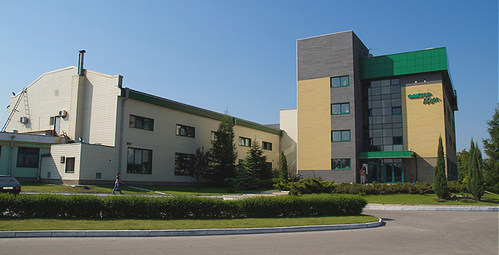
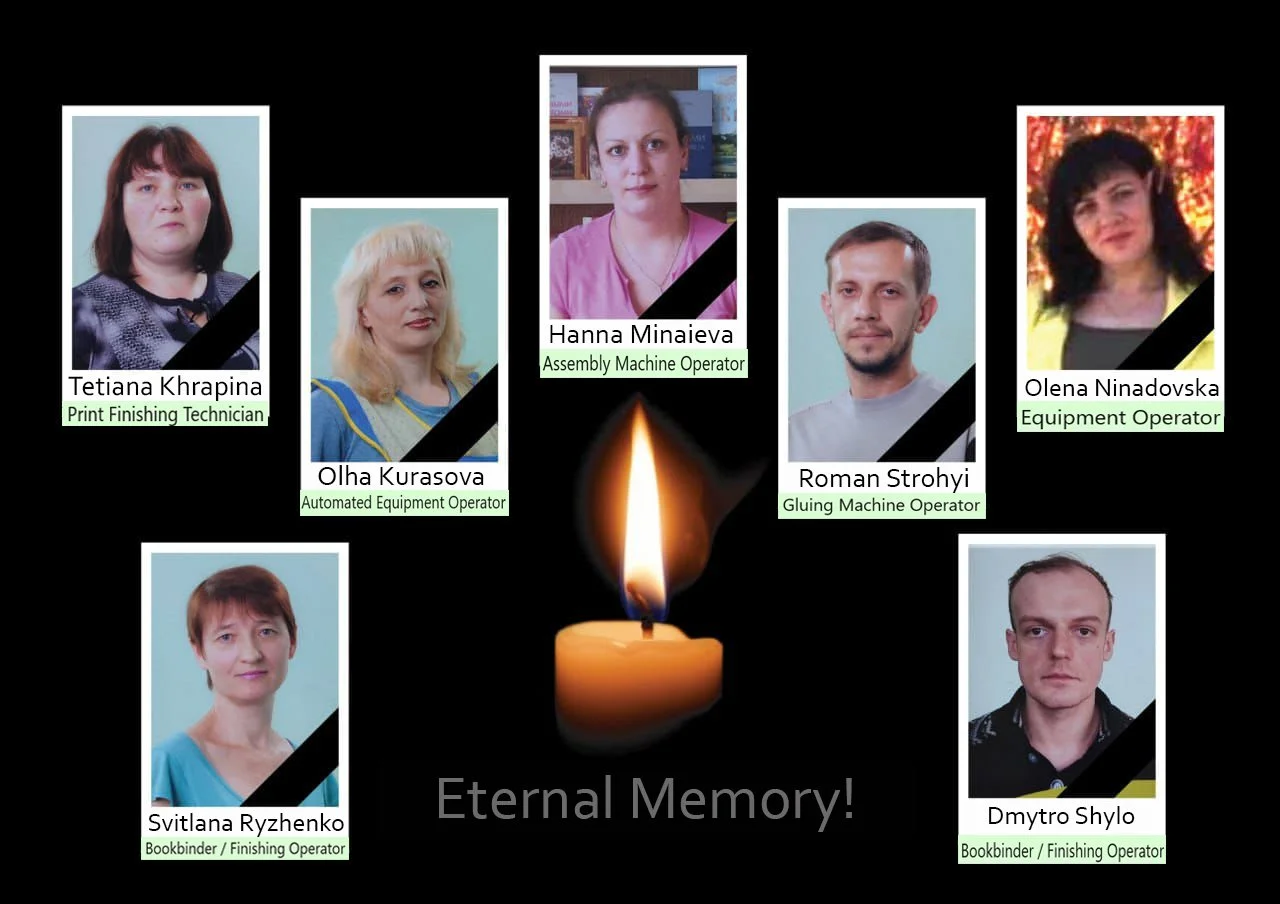
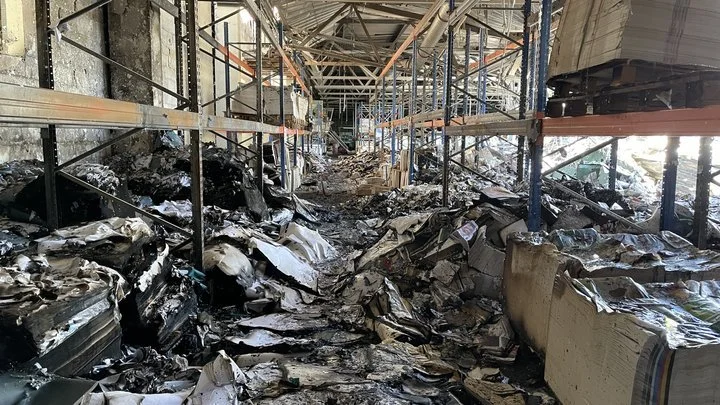
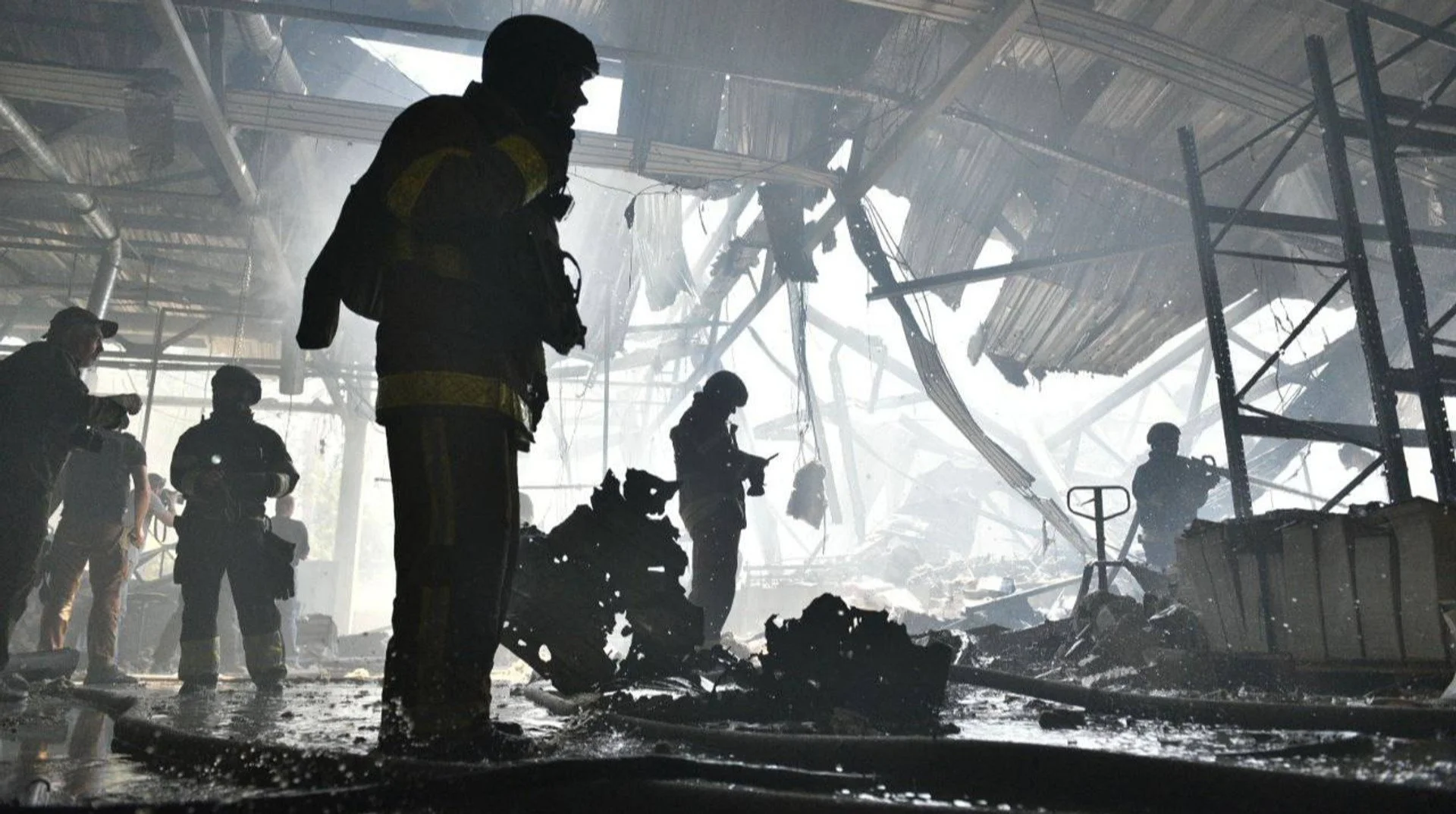
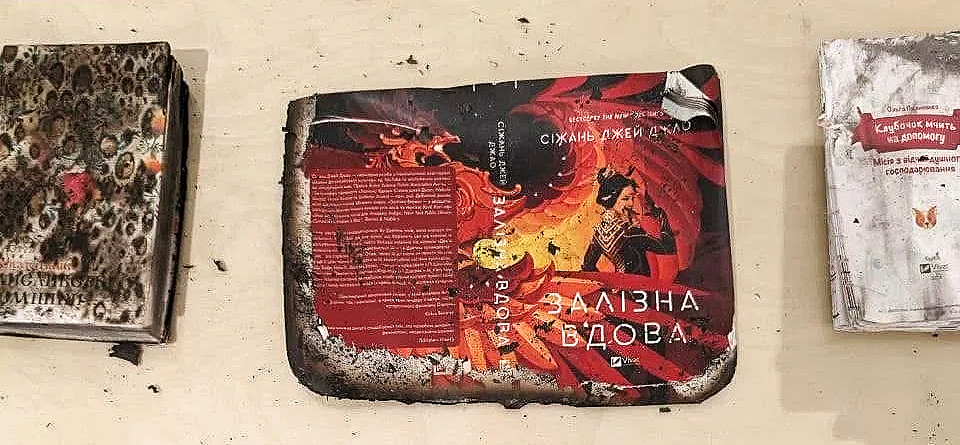
Since most of our books were printed at Factor-Druk, our products suffered the most. We lost over 20 million hryvnias and more than 50,000 books. Most importantly, there were seven people working at the printing factory when the missile struck who were killed by the bomb.
This was a very serious blow to us and we were forced to temporarily stop printing new editions, and it is new releases that form the basis of sales for all Ukrainian publishers.
We made a difficult but principled choice - to keep the team together and continue paying salaries. We put people first. And now, step by step, we are restoring our processes and earning those funds back.
It's fair to say that today we have practically recovered - and that is a huge achievement for us.
17. Where can others find information about you/your activities? (links to websites, social media pages, etc.)
The best way to follow my thoughts on the publishing business and our news is on my Facebook page. I also highly recommend reading Vivat's blog - there, my team and I regularly share important observations, insights, and events that shape the book market in Ukraine.
You can read more about my activities on Wikipedia.
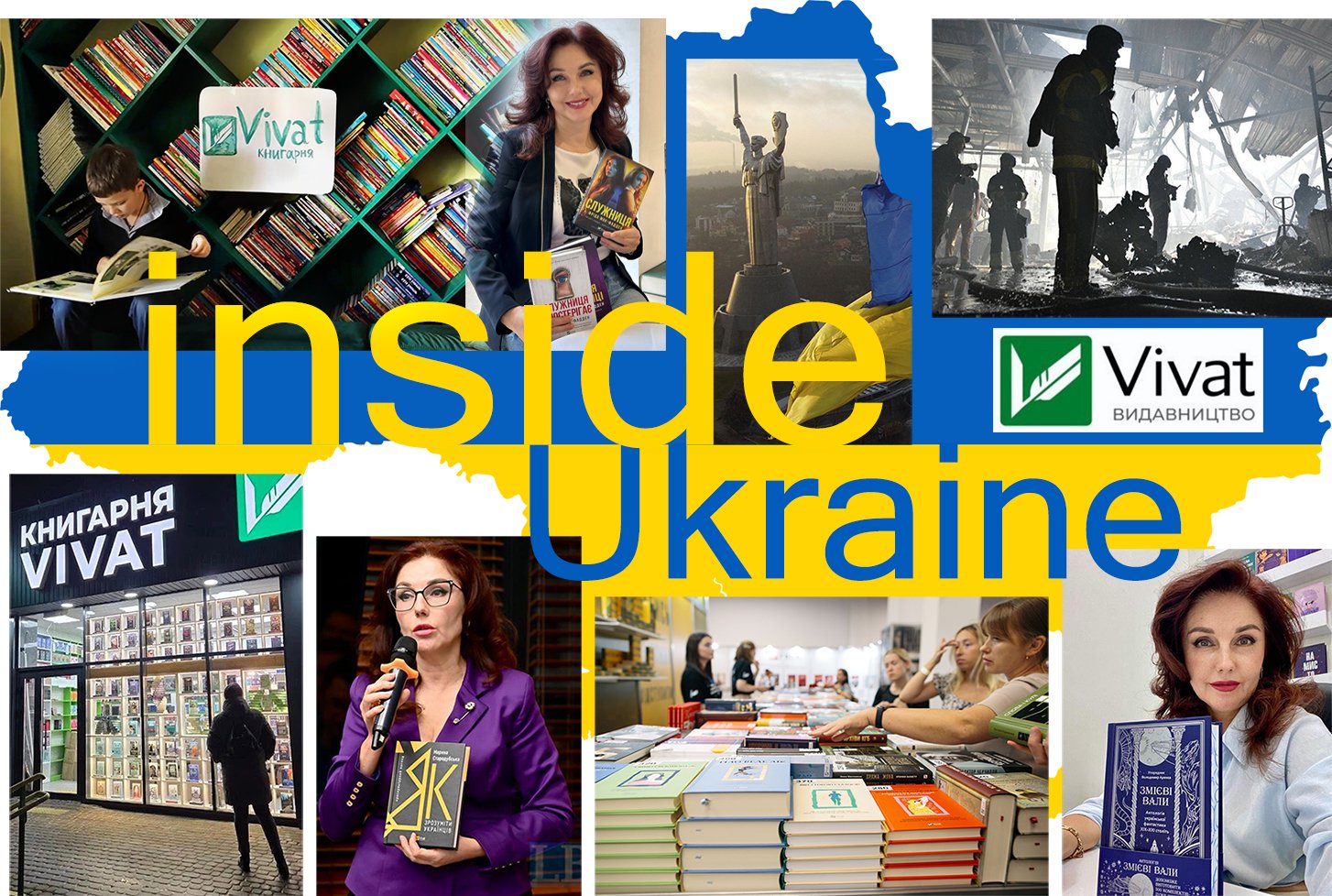
ЦЯ ІСТОРІЯ "INSIDE UKRAINE", З ХАРКОВА.
* Всі зображення та відповіді у матеріалі були надані WOW Woman
СЕРІЯ INSIDE UKRAINE/ВСЕРЕДИНІ УКРАЇНИ: МОМЕНТАЛЬНИЙ ЗНІМОК, ОДИН ДЕНЬ З ЖИТТЯ, ПОГЛЯД НА ТЕ, ЯК ЦЕ - ЖИТИ, ЧИНИТИ ОПІР, ВИЖИВАТИ І НЕ ЗДАВАТИСЯ В КРАЇНІ, ЯКА ПЕРЕБУВАЄ ПІД ЗАГРОЗОЮ.
СЛАВА УКРАЇНСЬКИМ ВАУ-ЖІНКАМ, ЯКІ ПІДТРИМУЮТЬ СВОЮ КРАЇНУ І НАБЛИЖАЮТЬ УКРАЇНУ ДО ПЕРЕМОГИ.
Юлія Орлова є генеральною директоркою видавництва «Віват», одного з найбільших видавництв України. Штаб-квартира компанії розташована в Харкові, місті, яке з початку повномасштабного вторгнення росії в лютому 2022 року зазнає постійних російських атак. Окрім ударів по цивільній інфраструктурі, росія систематично націлює свої атаки на українські установи, зокрема школи, університети, бібліотеки та інші символи української культури. Майже через чотири роки війни, розв'язаної російською федерацією, Україна продемонструвала надзвичайну стійкість і бойовий дух. Однією з видимих форм цього опору стала культура. Мільйони українців свідомо повернулися до української мови, літератури та видавничої справи, відмовившись від російськомовного контенту як підтвердження української ідентичності та безперервності.
В рамках цих ширших зусиль з метою знищення української культури росія розбомбила місце, де друкувалися книги українською мовою. У травні 2024 року російський ракетний удар знищив друкарню «Фактор-Друк», де вироблялася більшість книг видавництва «Віват». Сім людей, які працювали на фабриці, загинули. Було знищено понад 50 000 книг, а видавництво зазнало фінансових збитків на суму понад 20 мільйонів гривень. Випуск нових книг довелося зупинити в той момент, коли він був необхідний для виживання «Віват». Орлова відреагувала на це, прийнявши складне, але принципове рішення зберегти команду в повному складі та продовжувати виплачувати зарплати, вибравши турботу про своїх співробітників замість негайної фінансової допомоги.
Для Орлової війна змінила як її лідерські якості, так і її відчуття мети. За освітою хімік, вона з ранніх років захопилася видавничою справою і роками будувала системи, команди та довгострокову стратегію. З 2022 року ця робота відбувається в умовах постійної невизначеності, оскільки Харків знаходиться приблизно в 30 кілометрах ( біля 19 миль) від лінії фронту, а російські ракети досягають міста за лічені хвилини. Незважаючи на все це, Юлія зосередилася на основних принципах лідерства, яких очікують від будь-якого ефективного генерального директора, менеджера або керівника організації, виконуючи цю роботу в умовах надзвичайного тиску війни та постійних ракетних ударів. Український досвід дає більш широкий урок. Інституції, що зберігають культуру, мають велике значення. Люди на першому місці. Культура не відокремлена від опору, а є частиною його основи.
- Ольга Шмайденко, засновниця WOW Woman.
Генеральний директор та співвласниця видавництва Vivat
1. Імʼя
Юлія Орлова.
2. Де ви народилися і де ви зараз живете?
Народилася я в Мурманську, бо мій батько був військовим. Зараз живу фактично в трьох містах одночасно, і це, чесно кажучи, виснажує - дуже важко мати відчуття дому, коли його немає в жодному з цих місць. Я зрозуміла, що все ж таки не космополіт і потребую стабільності.
Поки що сприймаю такий режим як вимушений, а не бажаний. В Україні я живу між Києвом і Харковом, переважно в Києві, а ще на два-три місяці щороку виїжджаю до Польщі.
3. На кого навчались та за якою професією працюєте зараз?
Я закінчила Харківський державний університет за спеціальністю «хімік-аналітик». У цій професії майже не працювала - лише кілька місяців у судмедекспертизі, тож експертом себе точно не вважаю. Уже в університеті я почала займатися книжковою справою, і з того часу відчуваю, що моє життя пов’язане саме з книжками. Зараз я працюю СEO Vivat, і це настільки органічно для мене, що я навіть не уявляю себе на іншій посаді.
4. Як виглядав ваш звичайний день до повномасштабного та як змінилася ваше життя після вторгнення в Україну? Який ваш типовий день зараз (якщо це взагалі можливо)?
До повномасштабного вторгнення мій день був настільки рутинним, що зараз навіть смішно про це згадувати. Звичайна офісна робота, але я її насправді дуже люблю. Офіс для мене - це робочий простір, який заряджає: ти відчуваєш команду, читаєш невербальні сигнали, бачиш, хто як працює, хто засумував, хто драйвить процес. Це зовсім інша групова динаміка, ніж на дистанційці.
У мене був свій чіткий графік, і я його завжди дотримувалася, бо я дуже системна людина. Однією з найбільших змін стала віддалена робота. Утримати разом 277 людей, які працюють у різних містах і країнах, - це дуже складно. Втрачається людський контакт: інколи люди можуть не знати одне одного пів року, якщо працюють у різних відділах. Для мене це, мабуть, найбільша втрата в робочому житті.
Насправді рутина - це те, що рятує. Вона дає опору, тримає ментальне здоров’я в рівновазі. Це такий внутрішній психологічний каркас: має бути набір щоденних дій, які ти робиш незалежно від хаосу навколо.
Тому зараз мій день розписаний буквально погодинно в Google Calendar, і я цього графіка справді дотримуюся. Вся команда, до речі, теж. У цьому розкладі є не лише робочі слоти, а й особисті - наприклад, години, коли я відповідаю на дзвінки чи розгрібаю пошту. Є навіть окремий час «подумати». Я протягом дня занотовую проблеми чи питання, які виникають, а потім закладаю в календар конкретні години, коли маю їх обдумати, проаналізувати і прийняти рішення.
Оця структура дуже допомагає. Вона стала певним стрижнем - і для мене особисто, і для системної роботи всієї команди.
5. Де ви були і як дізналися/відчули початок російського наступу? З якими труднощами вам довелося зіткнутися після вторгнення?
Щодо початку повномасштабного вторгнення - ми були в Харкові. І, чесно кажучи, у перші дні мозок просто відмовлявся сприймати реальність. Попри неймовірні обстріли, здавалося, що цей жах закінчиться максимум за тиждень. Оцей наш колективний вайб «два-три тижні - і все» зіграв, мабуть, і злий жарт, бо коли стало зрозуміло, що війна не закінчується, а Харків накриває все сильніше, місто почало потроху порожніти. Люди виїжджали хто як міг, квитків не було, до вокзалу інколи просто неможливо було доїхати через обстріли.
У цей момент ніхто, звісно, не думав про роботу - було суто фізичне виживання. І, якщо прямо відповідати на питання «З якими труднощами вам довелося зіткнутися після вторгнення?» - то це була дуже проста, але найстрашніша відповідь: вижити. Просто вижити. Коли на місто щодня падає по 50–60 авіабомб, коли все навколо летить у повітря, ти не плануєш, не працюєш, не аналізуєш - ти намагаєшся залишитися живою. Ось з такими «труднощами» ми зіткнулися.
Тоді я особливо відчула цінність нашої команди. Ми всі зібралися в чаті, тримали одне одного в курсі, допомагали порадами, інформацією, речами. Оце відчуття спільноти, яка тебе не відпустить, яка підхопить, якщо земля піде з-під ніг, воно неймовірно важливе.
Мені здається, це взагалі унікальна риса українського менталітету. Не знаю, як у інших країнах, і не хотіла б дізнаватися в таких обставинах, але ми справді згуртувалися так, що це стало фундаментом, завдяки якому Vivat не розвалився. Навпаки, ми вистояли, перебудувалися і зараз дуже впевнено рухаємося вперед.
6. Які, на вашу думку, ваші сильні сторони та надздібності?
Мої сильні сторони пов’язані з системністю та послідовністю. Я достатньо організована, і це допомагає будувати професійні процеси, які можна масштабувати. Я вмію слухати людей і відверто визнавати, коли чогось не знаю чи не вмію. Для мене важливо не бути найрозумнішою у кімнаті, а створювати середовище, де зростають мої колеги, де я можу навчати їх і бути для них рольовою моделлю, але водночас сама постійно вчуся від них.
Також я пишаюсь і вважаю своїм ключовим результатом вміння будувати команди. Команда Vivat - це дійсно високопрофесійний, працьовитий і нетоксичний колектив, у якому працюють чудові люди. Коли почалася війна, ми втратили третину команди, бо люди виїхали за кордон і більше не повернуться в Україну. Проте нам вдалося знайти нових фахівців навіть у умовах кадрового дефіциту, адаптувати їх і нарощувати темпи роботи.
Саме цей досвід довів мені, що я вмію не лише формувати сильні та ефективні команди, а й швидко відновлювати та масштабувати їх у складних обставинах.
Якщо говорити про надздібності, люди часто кажуть, що після спілкування зі мною хочеться діяти. Я оптимістична, мені цікаво жити, і, ймовірно, ця енергія передається іншим, надихаючи їх на власні справи. Коли мені таке говорять, я намагаюся вірити, що це правда, і сприймаю це як підтвердження, що мій підхід до роботи і взаємодії з командою має сенс.
7. Які конкретні дії (великі чи маленькі) ви зробили та продовжуєте робити, щоб допомогти Україні та українському народу?
Ми системно долучаємося до ініціатив як для військових, так і для постраждалих цивільних. Зокрема, організували акцію з Благодійним Фондом «Гуркіт» і придбали два ППО для захисту країни. Також забезпечуємо бібліотеки на прифронтових територіях книжками. Наша антологія «Змієві вали» - єдина в Україні, 100% прибутку від якої йде на допомогу ЗСУ. Нещодавно ми також передали понад 200 книжок постраждалим від війни у «Місто добра».
Окремо хочу згадати книжку «Я перетворююсь… Щоденник окупації. Вибрані вірші» вбитого росіянами письменника Володимира Вакуленка. Увесь прибуток від її продажу ми передаємо родині автора.
Володимир Вакуленко занотовував події до того, як його викрали і вбили росіяни під час окупації Ізюма та села Капитолівка на Харківщині. Щоденник був закопаний у садку, його знайшла письменниця Вікторія Амеліна, яку також вбили росіяни.
Загалом, видавництво Vivat випустило понад 50 книжок про війну, це художні і нонфікшн видання. А якщо рахувати всі видання Vivat, їхня кількість перевищує 30 мільйонів - фактично більше, ніж населення України. Можна сказати, що майже кожна людина в країні має книжку Vivat.
Я вбачаю у цьому свою місію: будувати країну з високою культурною репутацією, де книги, знання та історична пам’ять стають фундаментом для майбутнього.
8. Як ви дбаєте про себе? Чи можна взагалі залишатися морально стабільним в умовах війни? Що саме допомагає вам збирати себе докупи?
Я не вважаю, що можна залишатися морально стабільною людиною в умовах повномасштабного вторгнення. Сама я вже ніколи не зможу нормально реагувати на салюти, наприклад. Назавжди залишаться у пам’яті пронизуючий холод бомбосховищ, жах від падіння авіабомб у Харкові, дзижчання дронів.
Що я роблю для себе особисто? Стараюся багато ходити. Це не завжди просто, особливо в умовах блекаутів або восени, коли день дуже короткий. Проте навесні або коли на вулицях світло, я максимально використовую час для прогулянки. Ритмічне фізичне навантаження допомагає знімати напругу, зменшувати рівень кортизолу і підтримувати внутрішню рівновагу. Також добірка нашої психологічної літератури допомагає підтримувати себе у цих обставинах.
9. Чи відчуваєте, що війна змінила вас? Яким чином? Чи здивувались ви самій собі (як ви тримались, залишалися сильними, знаходили натхнення в несподіваних джерелах тощо), у своїй країні, у своїх уявленнях про людяність, у своєму ставленні до світу? Що стало для вас прозрінням?
Звісно, великі події не можуть не змінити людину. Війна змінила мене: я стала більш організованою і більш емпатійною. Мої цінності теж змінилися, і прийняти це в моєму віці непросто. Я зрозуміла, наскільки нічого не варті матеріальні цінності і наскільки важливе здоров’я та люди поруч. Мені пощастило, що навколо мене дуже правильні і важливі люди.
Я багато навчаюся і почала ставити собі питання, які раніше не ставила або ставила неконструктивно. У бізнесі завжди виникають проблеми: якщо ти не готовий щодня вирішувати їх і приймати безліч рішень, бізнес - не для тебе. Я обрала цей шлях і звикла до нього. Раніше я питала себе: «За що мені це все?» Тепер я питаю: «А для чого мені це все? А для кого?» Це зовсім інший, конструктивний підхід - це вектор, що приводить до якісних рішень.
Мені здається, я прозріла: дуже важливо вміти ставити правильні питання. Зараз я ставлю їх собі і своїм колегам. Це процес, який дійсно приводить до результату.
10. Що ви хочете, щоб світ знав про українців у цей момент часу? Про українських жінок?
Ми видаємо велику кількість книжок - і художніх, і нонфікшн, тих, що допомагають краще зрозуміти Україну і нам самим, і іноземним читачам. Але особливу увагу я хочу звернути на книжку «Як зрозуміти українців» Марини Стародубської. Для нас із авторкою велика перемога, що ця праця побачила світ.
Це книжка про наш менталітет, про глибинні причини наших рішень, про те, як ми працюємо, як реагуємо на виклики, що нас тримає й веде. Українці - народ із великою внутрішньою свободою. І саме ця свобода принципово відрізняє нас від росіян. Ми ніколи не були «братніми народами» - ця ілюзія остаточно розвіялась для багатьох читачів після книжки Марини.
Українці - незламні. Це слово стало маркером нашої ідентичності, боротьби й сили. Ми змінюємо уявлення світу про свободу й людську гідність. Саме тому поява цієї книжки така важлива. Вона допомагає людям за кордоном побачити українців не лише крізь призму новин про війну, а крізь нашу історію, цінності, характер і незламну волю.
11. Які WOW-жінки вас надихають?
Мене надихає багато жінок, але є кілька постатей, за якими я стежу особливо уважно.
Передусім це Ольга Руднева, співзасновниця та директорка реабілітаційного центру Superhumans. Її здатність тримати системи, допомагати людям у найважчі моменти та залишатися людиною з великої літери надихає мене щодня.
Мене дуже надихає Ярина Чорногуз - військова і поетка. Вона вражає своєю принциповістю, умінням відстоювати кордони та своєю кришталевою чистотою. Це людина, яка може бути справжньою рольовою моделлю: чесною, послідовною, сильною й дуже світлою.
Ще одна жінка, на яку я рівняюся, Тетяна Трощинська. Для мене вона є взірцем журналістської етики та високої професійної культури. Вона вміє працювати з інформацією, розуміє ціну якості й ніколи не шукає хайпу. Це журналістка, яка задає планку для всієї галузі.
12. Яке місце або заняття робить вас найщасливішою?
На запитання, яке заняття робить мене найщасливішою, я усвідомлюю, що мені справді пощастило, адже моя робота - це моє хобі. Я щаслива, коли займаюсь тим, що люблю. Я щаслива на зустрічах, де ми ухвалюємо важливі рішення. Щаслива, коли виходить книжка, яка рік тому була лише ідеєю. Щаслива, коли ми можемо допомогти комусь донатами чи ініціативами, коли відкриваємо нові книжкові магазини. Для мене це все - про створення чогось доброго в житті, а не про руйнування. Можливо, дивно казати, що робота робить мене щасливою, але це правда.
А якщо говорити про місце, де я щаслива найбільше, то це там, де моя родина. Саме люди дають те відчуття затишку і безпеки. Тому зараз - будь-де, де поруч мої близькі, і є моє щасливе місце.
13. Що ви зробите в першу чергу, коли Україна переможе? Про що ви мрієте для себе та своєї родини після закінчення війни?
Я мрію про те, щоб українці повернулися додому. Щоб моя родина знову зібралася разом - у мирній, безпечній країні. Я мрію про наш спільний офіс, куди ми можемо приходити й працювати поруч, а не під звуки сирен чи між відключеннями світла. Мрію про ночі, коли ми можемо просто спати - без страху, без тривог, без вибухів. Та, мабуть, найбільша моя мрія - щоб ті військові, які сьогодні нас захищають, змогли сказати: «Так, це та Україна, за яку я воював». Коли я почую ці слова, я буду по-справжньому щаслива.
14. Чим, на Вашу думку, росіяни як народ відрізняються від українців? Чи знали ми про ці відмінності до повномасштабного конфлікту? Чи були в стані заперечення?
Я завжди знала, що ми різні. Інтуїтивно, культурно, ціннісно - різні. Але Марина Стародубська у своїй книжці «Як зрозуміти українців: кроскультурний погляд», - системно, науково й дуже чітко пояснила чому ми різні і в чому саме полягає ця відмінність.
До повномасштабного вторгнення багато хто перебував у стані заперечення. Нам роками нав’язували міф про «братні народи». Але ця книжка дуже ясно показує: наші ментальні моделі, наші цінності, наш спосіб приймати рішення, бачити світ і взаємодіяти один з одним - принципово різні.
Марина працює з кроскультурною наукою, яка дозволяє без емоцій, без стереотипів розкласти національні відмінності на зрозумілі складові. Головне - вона дуже чесно пояснює, звідки беруться ті риси, які відрізняють нас від росіян на рівні світогляду: наша внутрішня свобода, цінність гідності, здатність самоорганізовуватися, недовіра до авторитарної моделі влади.
І коли читаєш Стародубську, стає очевидним: ми ніколи не були подібними. Ми просто дуже довго не могли собі це собі чесно й спокійно пояснити. Ми різні. Ми завжди були різними. І тепер у нас є дуже точне і грамотне пояснення - чому.
15. Чи відчуваєте ви, що люди, які виїхали з України під час хвилі виїзду у 2022 році, або ті українці, які вже роками живуть за кордоном, чи мають вони якусь відповідальність перед батьківщиною?
Це дуже важке й сенситивне питання. Я знаю багатьох людей, які виїхали, і розумію, що їм непросто. Я нікого з них не засуджую. Але водночас мушу чесно сказати: говорити з ними про Україну мені часто нелегко.
Іноді лунає фраза: «Я не народжений воювати». Але ніхто не народжений воювати. Війна - це звіряча, нелюдська річ. Це постійний біль, який, залишається всередині нас назавжди.
Окремо хочу згадати Харків, бо бачу, як багато робить місто й держава, щоб люди не їхали з міста. Безкоштовний проїзд - не тому, що хтось не може заплатити 8 гривень за метро. Це сигнал, маленька дія, яка показує: про тебе дбають. Ти потрібен тут. І саме з таких дрібниць складається відчуття соціальної справедливості - навіть у країні, яка воює. Я не вважаю себе експерткою, щоб давати оцінки різним ініціативам, але я розумію одне: якщо люди поїдуть, то міста не буде. Не буде кого і що захищати.
16. Розкажіть детальніше про удар росії по Фактор-друк і втрати видавництва Vivat, який належить до групи компаній Фактор. Скільки часу ви відновлювались? Чи була підтримка?
Важливий момент: друкарня - це одна юридична особа, а видавництво - інша. Ми всі зараз належимо до групи компаній Фактор.
Коли росіяни бомбили «Фактор Друк», вони трагічно забрали життя семи співробітників, які працювали того дня.
Наші книжки здебільшого друкувалися саме на «Фактор-Друк». Тому найбільше постраждала саме наша продукція: ми втратили понад 20 мільйонів гривень, більше ніж 50 тисяч книжок. Це був дуже серйозний удар для видавництва, адже ми вимушені були тимчасово зупинити друк нових видань, а саме новинки є основою продажів для всіх українських видавництв.
Ми зробили непростий, але принциповий вибір - зберегти команду і продовжувати виплачувати зарплати. Ми поставили людей на перше місце. І тепер крок за кроком відновлюємо процеси і заробляємо ці кошти знову.
Можна сказати, що сьогодні ми вже практично відновилися -- і це для нас величезне досягнення.
17. Де інші можуть знайти інформацію про вас/вашу діяльність? (посилання на вебсайт, сторінки в соцмережах тощо)
Найкраще стежити за моїми думками про видавничий бізнес і нашими новинами на моїй Facebook-сторінці. А ще щиро раджу читати блог видавництва Vivat - там ми з командою регулярно ділимося важливими спостереженнями, інсайтами та подіями, що формують книжковий ринок України.
Більше про мою діяльність можна прочитати на Wikipedia.