
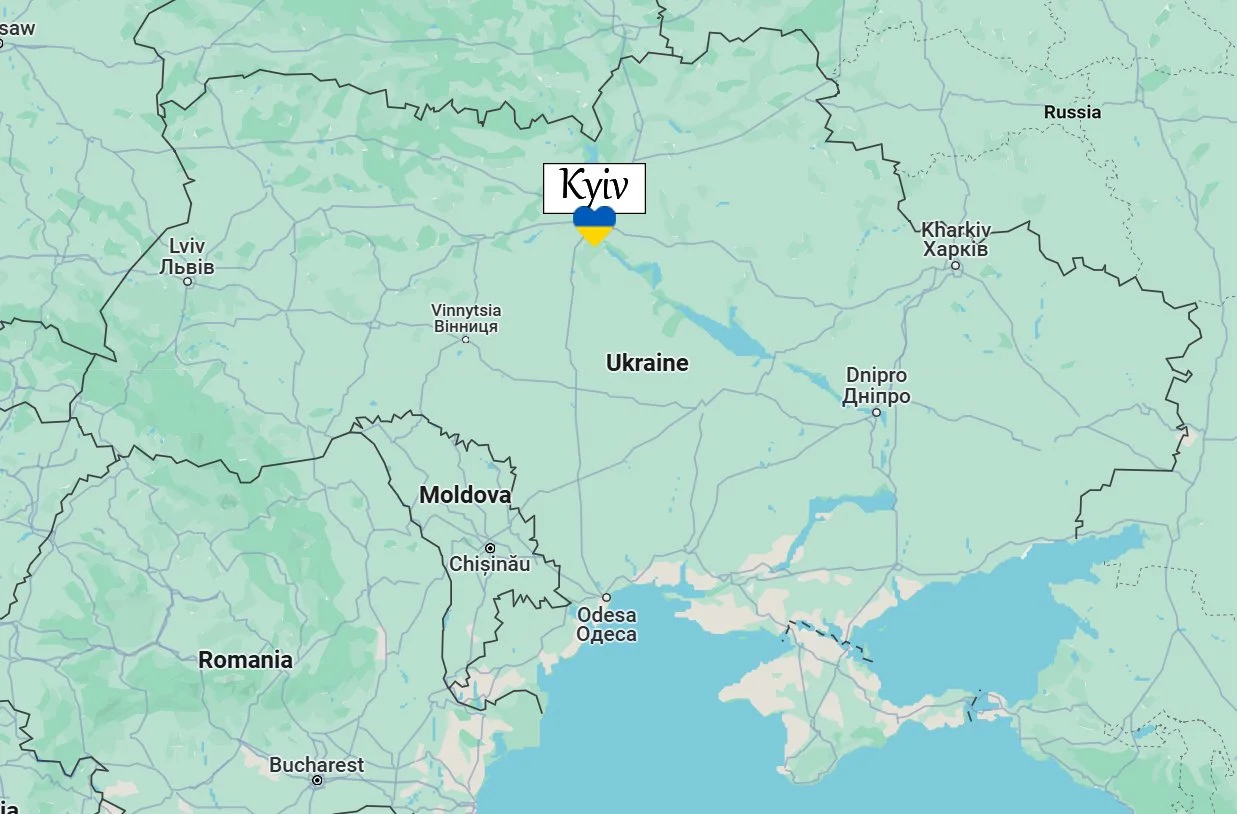
THIS INSIDE UKRAINE STORY IS FROM Kyiv
* All images and answers in the feature were provided by the WOW Woman, unless otherwise specified
INSIDE UKRAINE SERIES: A SNAPSHOT, A DAY-IN-THE-LIFE, A GLIMPSE OF WHAT IT’S LIKE TO LIVE, RESIST, SURVIVE AND PERSEVERE IN A NATION UNDER ATTACK.
GLORY TO THE UKRAINIAN WOW WOMEN, who fight for freedom AND BRING UKRAINE CLOSER TO VICTORY.
It gives me immense pleasure to write about a woman who is supporting other women in Ukraine, especially since women in the military hold a dear place in my heart. I’ve interviewed many on WOW Woman: combat medics, artillerists, military psychologists, paramedics, drone pilots, guards on the border with russia and cooks. They share a determination to defend Ukraine because they know what occupation brings: torture, imposed ideology and the systematic erasure of Ukrainian culture. These women risk their lives and futures to defend freedoms we count on, including the right to speak our minds and decide how we live.
Olena Oliinyk’s support for Ukrainian soldiers began more than a decade ago where she has raised funds for drones, electronic warfare equipment and other military supplies. Olena’s care for Ukraine also extends beyond the military - as a former parliamentary staffer, she mobilized volunteers to produce Ukrainian-language audiobooks for children with visual impairments who previously had access to audiobooks only in russian. After russia attacked Ukraine in 2014, she decided to stop speaking russian, well ahead of the full scale invasion.
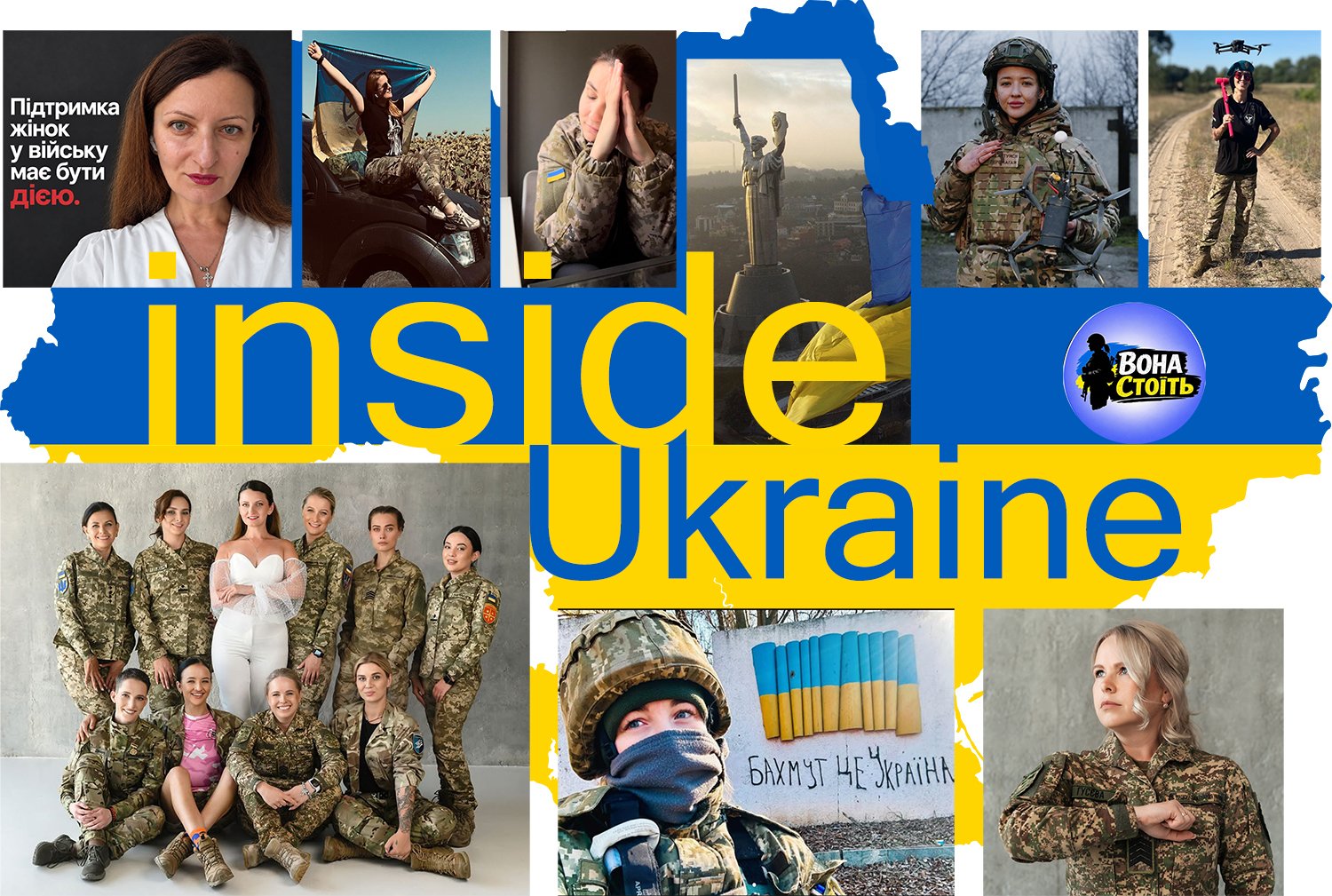
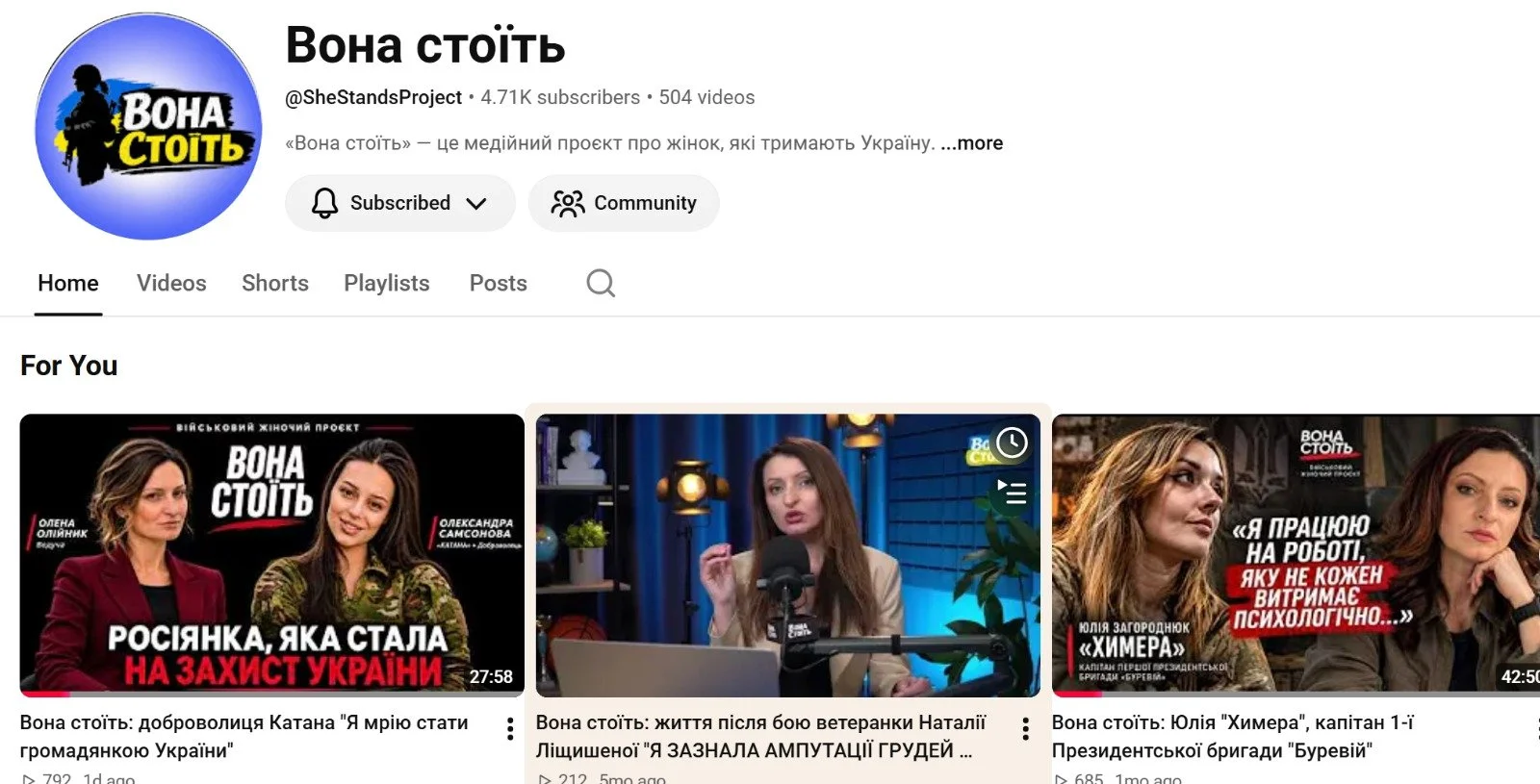
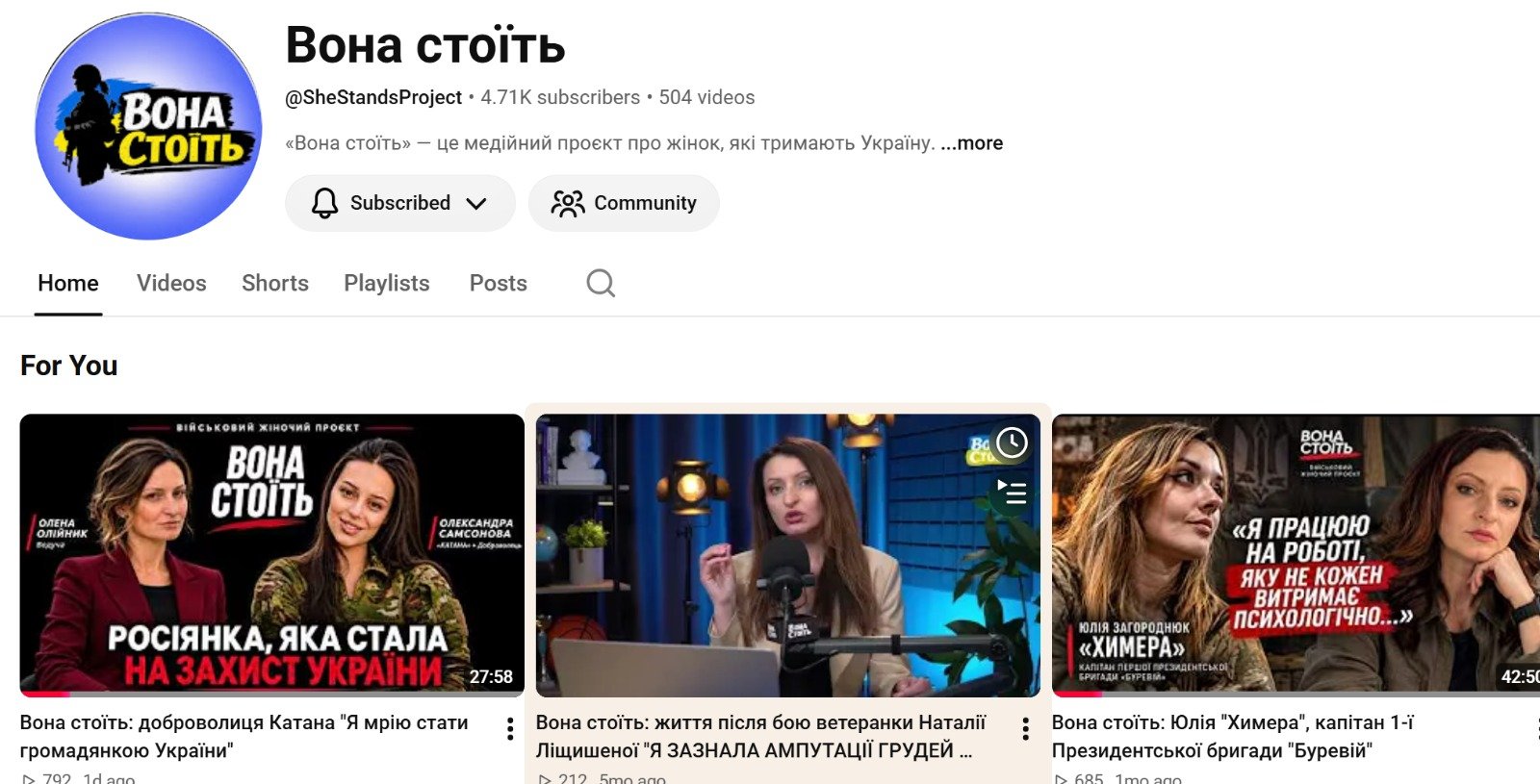
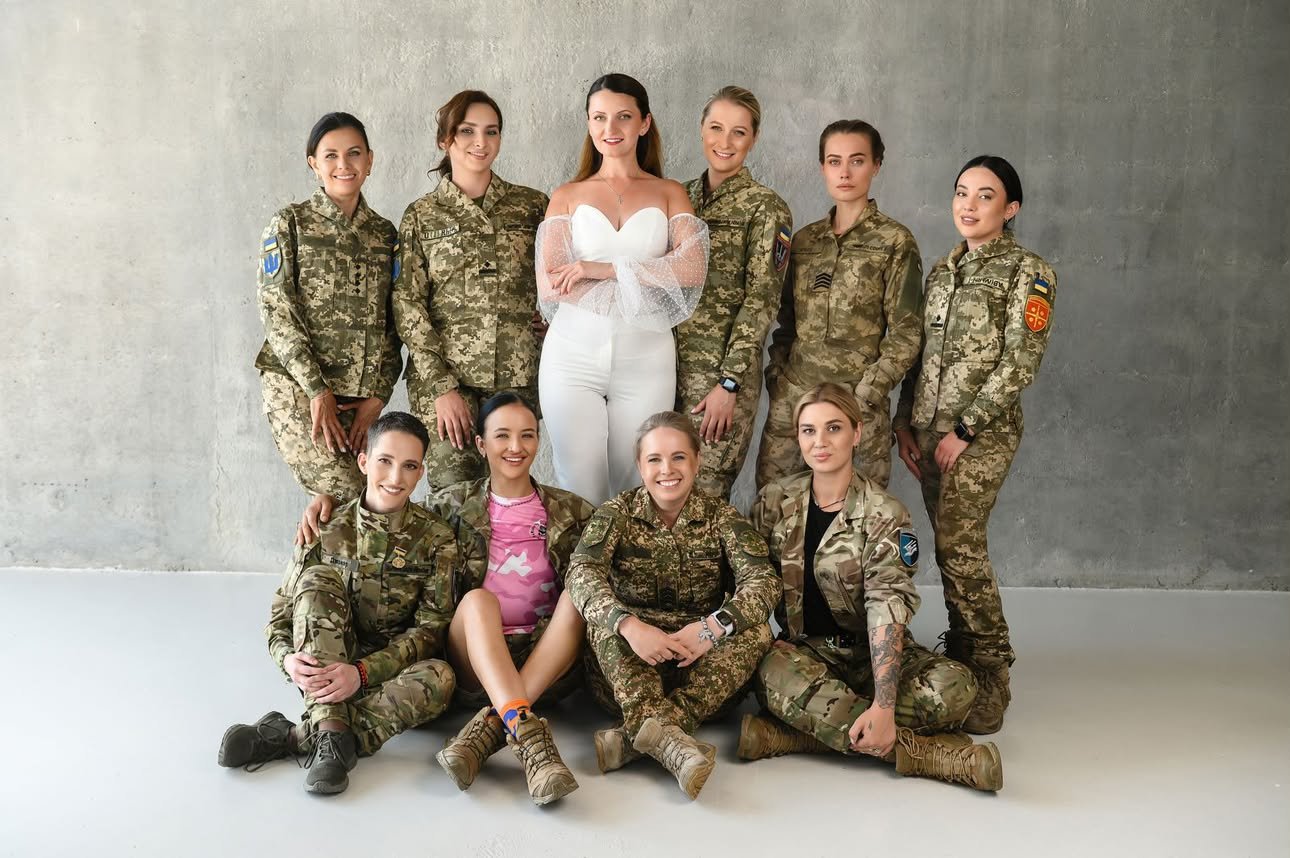
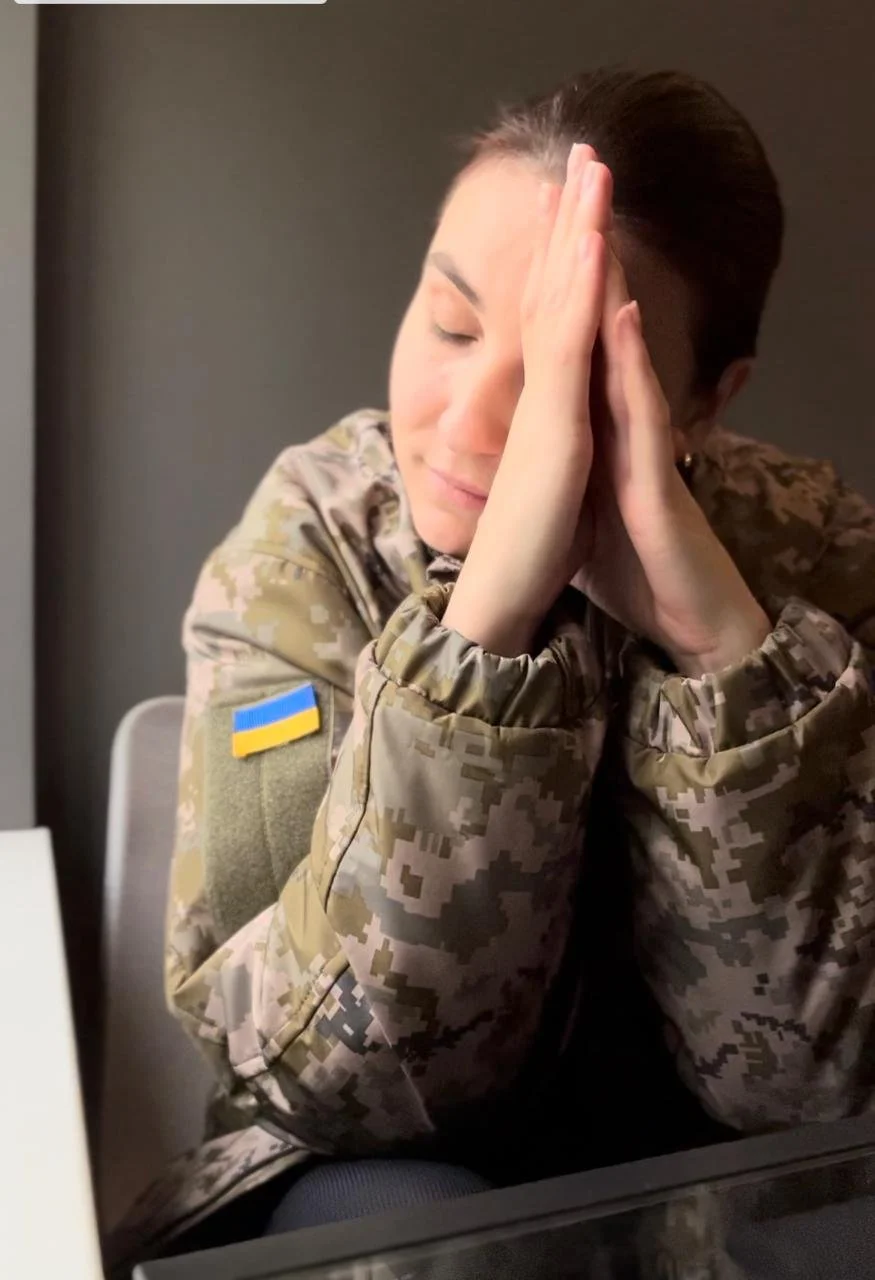
Olena founded She Stands to bring servicewomen together so they can support one another and to share their stories with the public. The women she interviews operate drones, evacuate the wounded and serve in combat positions. Some describe harassment and the persistent belief that women belong in the rear. In bringing their accounts to public attention, Olena herself has faced a barrage of online hostility and received anonymous, threatening phone calls.
A russian drone struck Olena’s apartment building in Kyiv while she slept. She woke to an explosion and ran outside to find the building on fire. Like millions of Ukrainians, Olena is exhausted by the relentless attacks and sleepless nights. She continues to interview women in uniform, document their experiences and challenge the discrimination they face. She hopes She Stands will reach 100 million people and encourage more of them to support women in uniform. For herself, she has a simpler wish. She wants to travel around Ukraine and discover more of her own country. It’s the kind of trip many of us living abroad take for granted, but years of war, curfews and russian attacks have made travel within Ukraine harder.
- Olga Shmaidenko
Founder & Editor, WOW Woman
Amplifying the Voices of Ukraine’s Military Women
1. Name
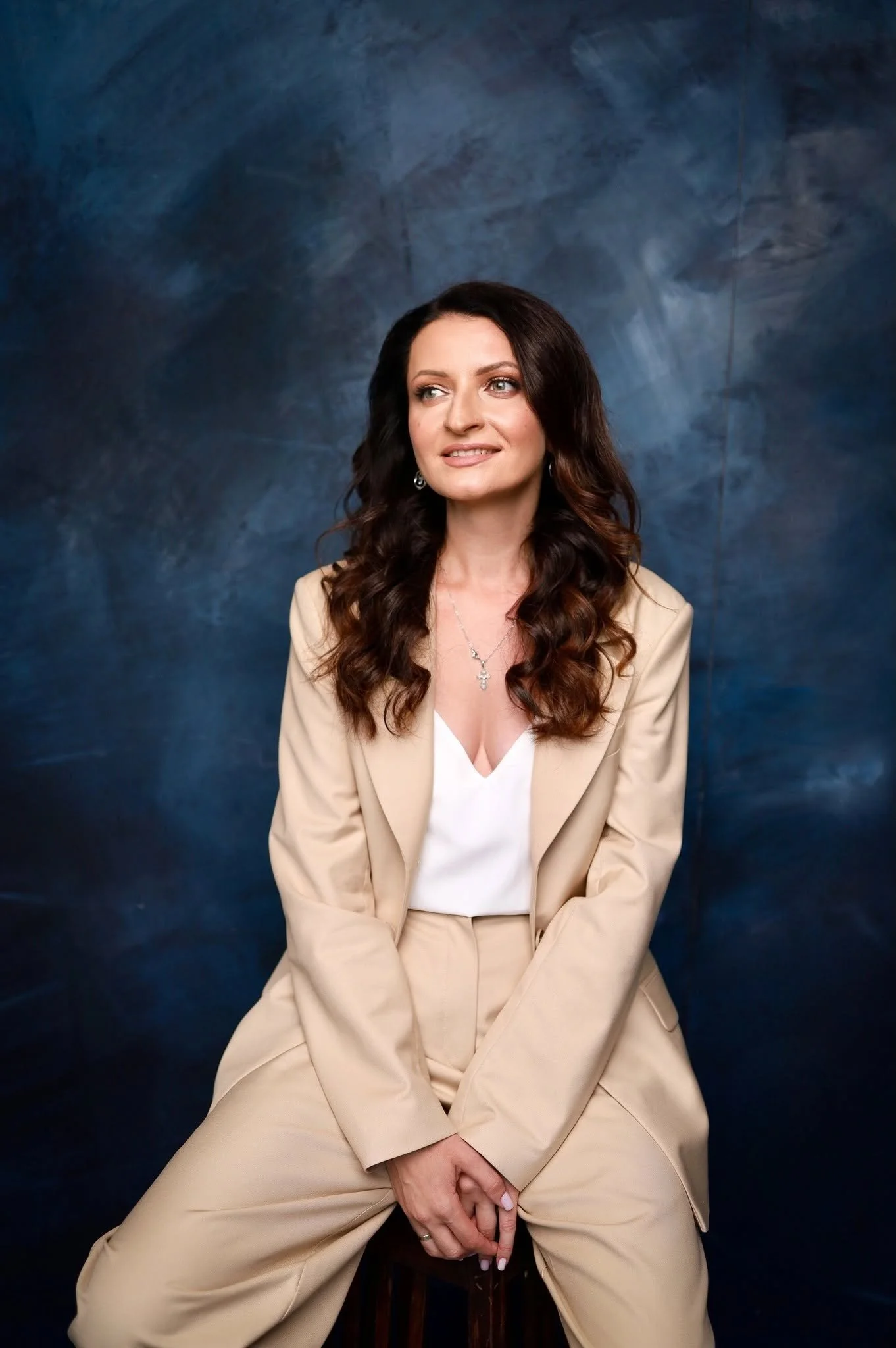
Olena Oliinyk.
2. Where were you born, and where do you live now?
I was born in Vinnytsia Oblast. I have lived in Kyiv for more than 22 years.
3. What did you study, and what is your current profession?
I have two higher education degrees, both master's degrees. I studied at Taras Shevchenko National University of Kyiv. My first degree is in Ukrainian language and literature, and my second is in international law.
I worked in Ukraine's parliament, the Verkhovna Rada, for more than seven years, in high-level politics, focusing on legislative work. I also worked on European Union projects supporting Ukraine and in the nonprofit sector.
Today, I head the nonprofit organization Believe in Ukraine and am the founder and director of the women's military project She Stands. I have been helping the Ukrainian military for more than eleven years.
4. What did your typical day look like before the full-scale invasion, and how has your life changed since?
I have always been very active, worked a lot, and been involved in civic activities. I founded the nonprofit organization Believe in Ukraine. When I learned that Ukraine lacked Ukrainian-language audiobooks for blind and visually impaired children, I launched a large inclusive educational project called Talking Books. At the time, children were listening to works from both Ukrainian and foreign literature school curricula in russian, even when those works were part of their Ukrainian-language studies. Many well-known people joined the project, including television and entertainment celebrities and Ukraine's First Lady, Olena Zelenska. We recorded more than 200 works and created high-quality audiobooks with musical accompaniment to make listening more interesting and enjoyable for children. The project is still active, and its YouTube channel has around 50,000 subscribers.
I spoke Ukrainian even before the full-scale invasion. After the occupation of Crimea and the beginning of the war in eastern Ukraine, I decided for myself that russia no longer existed for me.
I have been actively helping the military since 2015. At the time, the Anti-Terrorist Operation (ATO, 2014–2018, Ukraine's military and security campaign in the eastern Donetsk and Luhansk regions, initially focused on fighting russian-backed armed groups, liberating occupied towns, and restoring Ukrainian control over its territory) was underway. It was later replaced by the Joint Forces Operation (JFO, 2018–2022, a military-led operation focused on defending Ukrainian positions, preventing further russian advances, responding to attacks along the front line, and ultimately restoring control over occupied territories). Since the full-scale invasion of 2022, I have supported service members from different brigades, units, and specialties. I help meet their needs, from electronic warfare equipment and drones to ammunition and military gear. Over the years, I have received many letters of appreciation and flags from soldiers, some signed and others not. They are very precious to me.
I was among those who, after analyzing the situation, understood that a full-scale invasion would happen. Many Ukrainians did not believe russia would take such a step. I expected it and tried to be prepared. I no longer remember exactly who told me, but I even knew the hour when it was supposed to begin. I set my alarm, but I woke up to explosions.
5. What is life like in your city now? What does a typical day look like?
I live in Kyiv. Living here now is like playing russian roulette with a terrorist state. Attacks happen both day and night. You barely have time to recover from one before the next begins.
Winter is the hardest. Because of attacks on energy infrastructure, even in freezing temperatures, there may be no heating, electricity, or sometimes even water. Right now, our electricity is cut off every day for anywhere from four to twelve hours.
A month ago, a Shahed drone hit my apartment building. I was home, asleep, and woke up to an extremely loud explosion. At first, I didn't understand what had happened. I looked out the window and saw people running somewhere in panic. That's when I realized there was a fire. I quickly got dressed and ran outside. I saw many fire trucks, ambulances, and police vehicles. My building was burning.
People are already extremely exhausted, psychologically and emotionally. There is no sense of safety. When there is no accessible, reliable shelter, people stay in the hallways of apartment buildings, even though that does not provide adequate protection. All of this affects mental and physical health: constant fatigue, stress, and lack of sleep. At the same time, you have to work because you need money to live. So my day is a constant attempt to balance work, helping the military, developing the She Stands project, and somehow finding the strength to recover.
6. What are your strengths and superpowers?
My greatest superpower is bringing people together around ideas that change the country and help Ukrainians. At one point, more than 4,000 volunteers from across Ukraine applied to participate in the Talking Books project. And now, without stable funding, I have managed to bring together many people in Ukraine and abroad to develop and support She Stands. I know how to bring people into a common cause and make sure the world knows about Ukraine and our people.
7. What specific actions are you taking to help Ukraine and the Ukrainian people?
Every day, I do concrete things to help those on the front line, our men and women defenders. I constantly organize fundraisers because the state cannot fully meet all the military's needs. Winter is approaching, and charging stations, generators, and Starlink terminals are needed. I am currently negotiating with large businesses to provide one of the brigades I support with an unmanned ground vehicle. My experience in politics and professional connections help me bring people together and attract support for the military.
I regularly record interviews with women who defend Ukraine with weapons in their hands. Tens of thousands of women serve in the military, yet they still face stereotypes, belittlement, ridicule, and sexual harassment. Valeriia Stepanova, call sign "Demon," contacted our project after reporting harassment while serving in the 118th Territorial Defense Brigade. She was desperate and didn't know what to do because her previous public appeals had produced no results. We published her statement, which received more than three million views. Following the publicity, representatives of the Territorial Defense Forces command contacted us. An internal investigation was launched in the brigade.
By that time, Valeriia was already serving in another regiment, working with drones, undergoing training, and very much wanted to become a drone pilot. Approximately a month and a half after her public statement, she died.
We are in no way claiming that her death was connected to her harassment allegations. But we believe it is our duty to demand an independent investigation into the circumstances she described. Her death must not mean that these allegations go unanswered. We raised the issue publicly again. More than fifteen media outlets covered the story, referring to me as the project's director. I faced psychological pressure on social media. I also began receiving numerous calls from unknown numbers. I don't know who was calling or whether those calls were connected to our work. But I was afraid. Despite that fear, I will continue interviewing women defenders. I want the world to know about their contributions, their combat work, and the difficult paths they have traveled.
We will also continue supporting women who report harassment, psychological abuse, or physical violence. We will help them be heard, provide emotional support, and bring public attention to their testimonies. In Ukraine, publicity is a very powerful tool of protection.
8. How do you take care of yourself? What helps you pull yourself together?
It’s incredibly hard to stay mentally resilient during a war. When your city or village is constantly under shelling, it takes a toll on your health. You feel anxious and exhausted, and your sleep and eating habits are disrupted. Many people I know in Kyiv see psychologists, and some take antidepressants. They’re looking for help to get through this.
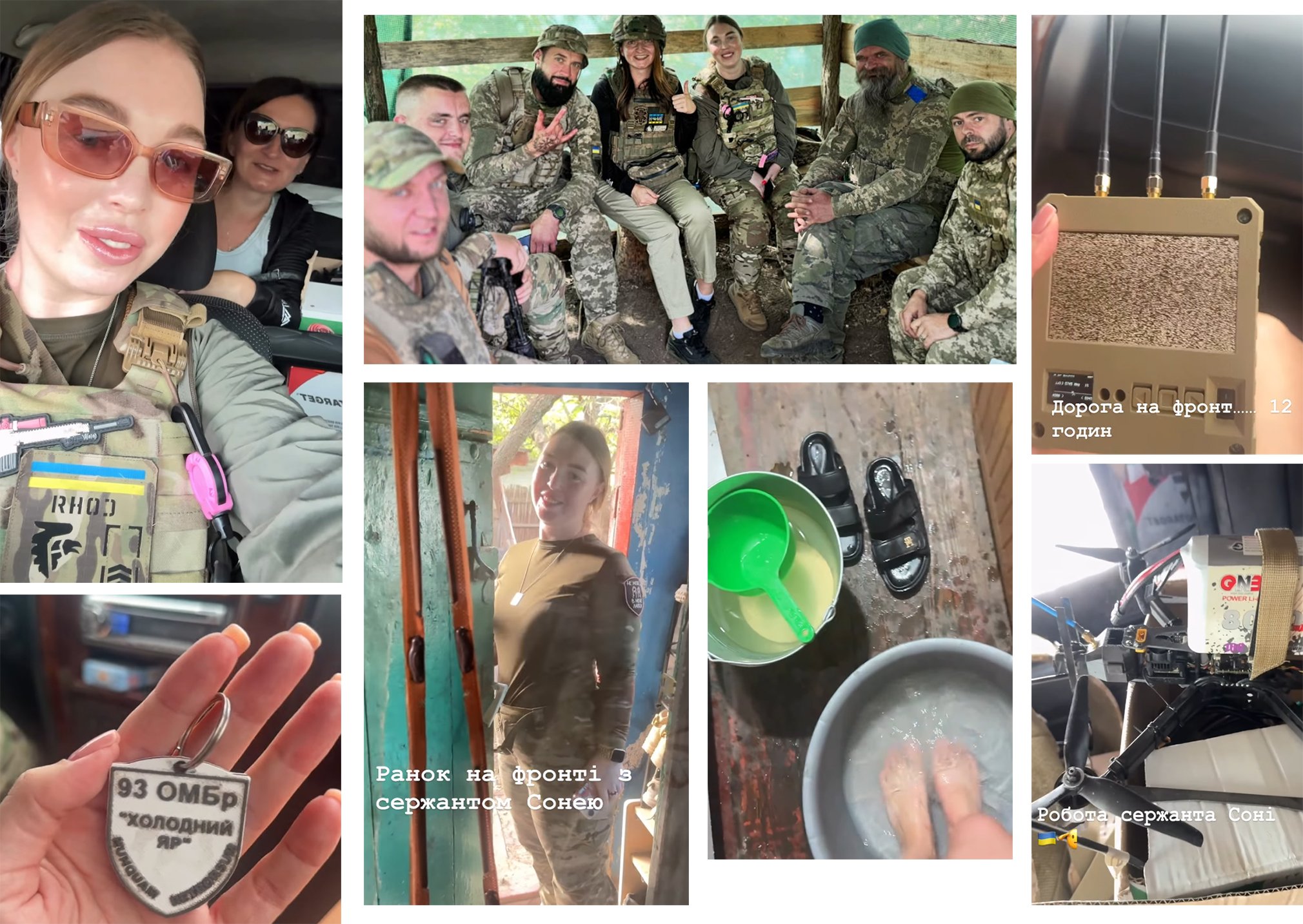
What keeps me going is knowing what our service members are going through. A month ago, as the head of She Stands, I visited the frontline area for the first time. Before that trip, I had no real idea what it was like.
It feels like stepping into an action film. There are military vehicles, people carrying weapons, and roads covered with anti-drone netting so thick you can barely see the sky. It’s a completely different reality. For the people serving there, it’s everyday life.
When you see it for yourself, the conditions they live in, the danger, the shortage of equipment and protective gear, you see your own difficulties differently. I saw service members sharing a room with four to seven others and paying for the accommodation themselves. They’re far from their families, with hardly any proper days off or time to rest. They sacrifice their health and years of their lives, and they risk never coming home.
I still feel tired and afraid, but seeing what they go through gives me the strength to keep going. I know who I’m doing this work for and why they need my help. These people do incredible things. To me, every one of them is a hero.
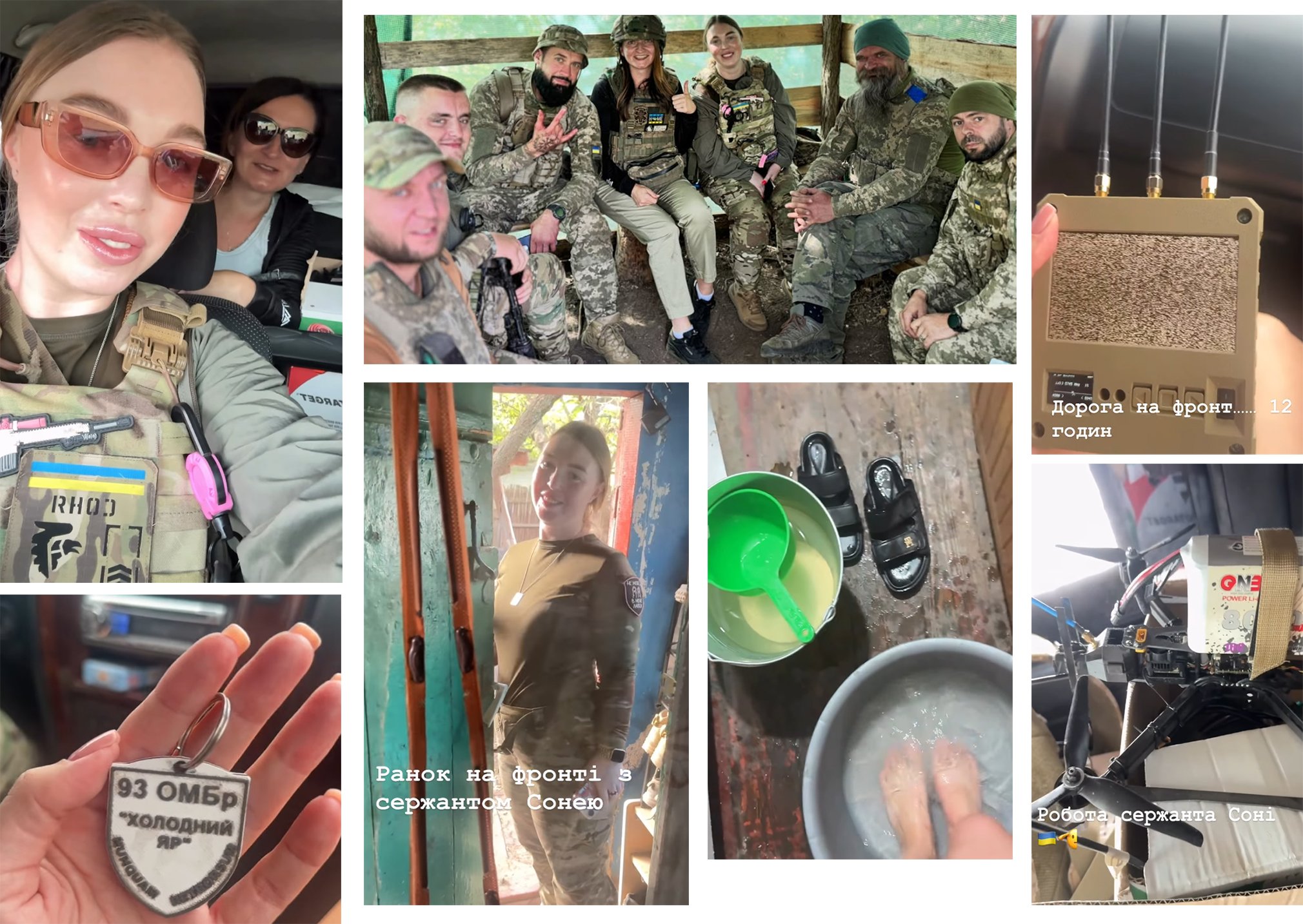
Impressions from a trip to the front line:
1. The soldiers don’t eat, rest, or sleep very much, most of them already have serious chronic illnesses.
2. The most powerful message: Always think positive, even when you’re really scared.
3. If you want to live, take cover during warning sirens.
4. Men still don’t treat women as equals (most won’t shake hands with female soldiers, volunteers, or journalists; they try to speak more cautiously around women and offer help at the first opportunity).
5. The word I heard most often: “I’m sorry.”
6. All the day-to-day responsibilities fall on the defenders’ shoulders (finding housing, paying rent, cooking, etc.). In other words, they come home utterly exhausted from their missions and still have to cook for themselves, clean up, and so on.
7. Living conditions are mostly difficult.
And most importantly, they’re all very tired, exhausted, and just want to go home, to their families and loved ones.
We must continue to help and support them. Because it’s very hard for them.
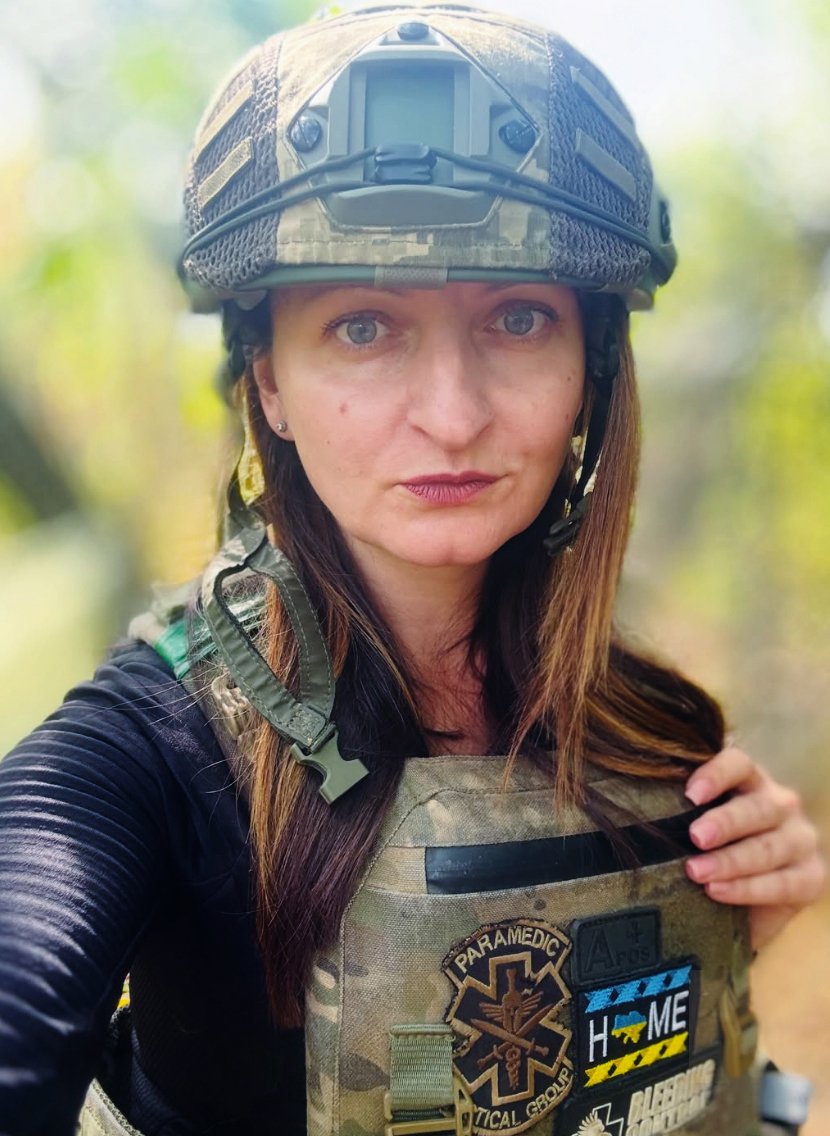
9. Who inspired you to create She Stands? Tell us about the women you admire.
Injustice inspired me to create She Stands. I have been helping the military for more than eleven years. I communicate with service members a great deal and know the problems within this environment well. I have repeatedly heard dismissive comments about women, including from their fellow soldiers: "A woman has no place in war," "She should be at home," "How could she leave her children?"
I began searching and realized that what was missing was a permanent media platform where a woman in the military could tell her own story: her path, her life, her experiences. Who can tell her story better than she can? That's how the desire arose to create a safe space where a woman could talk about what she does for her country, what she sacrifices, who she risks her life for every day, and what difficulties she faces. I admire every woman featured in our project. But I'll tell you about a few below.
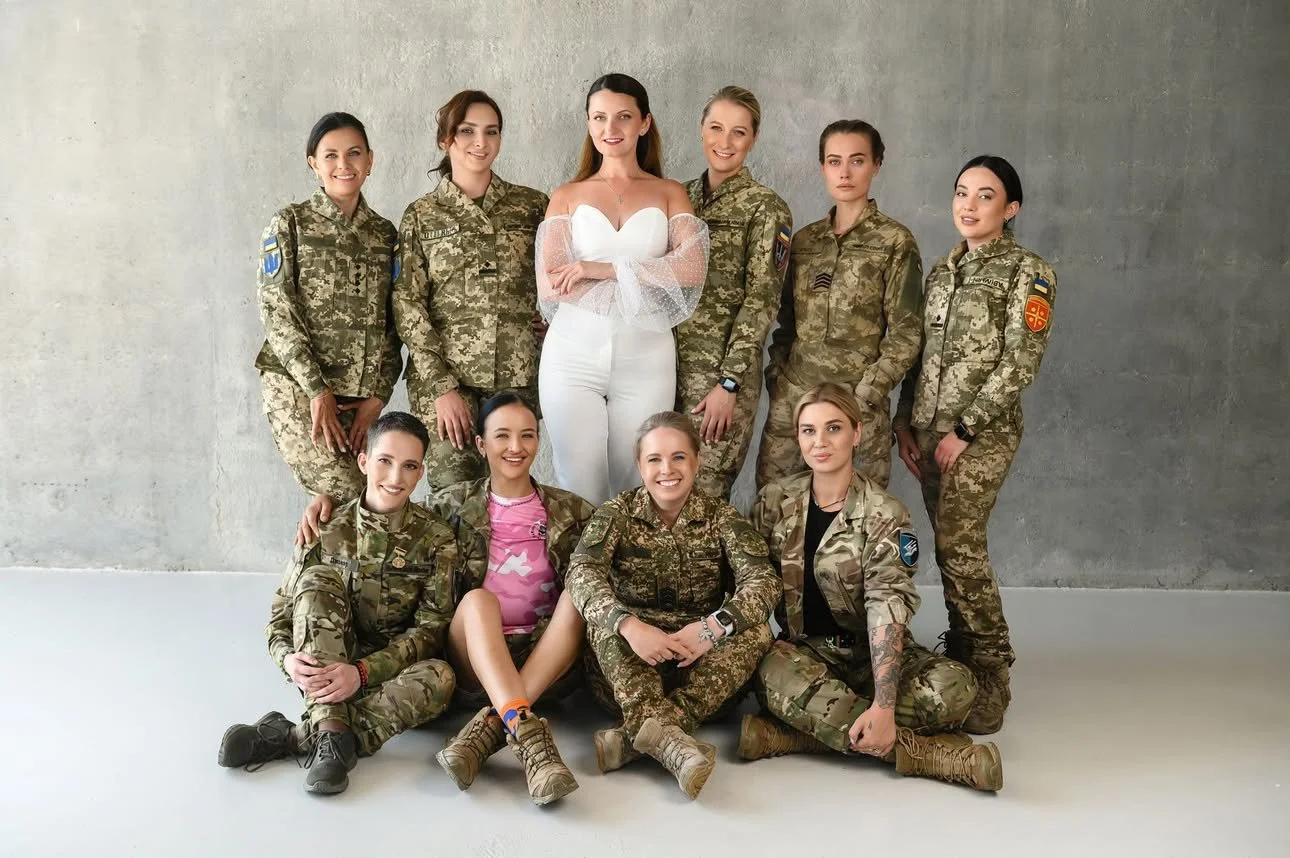
Tetiana, call sign "Sonia"
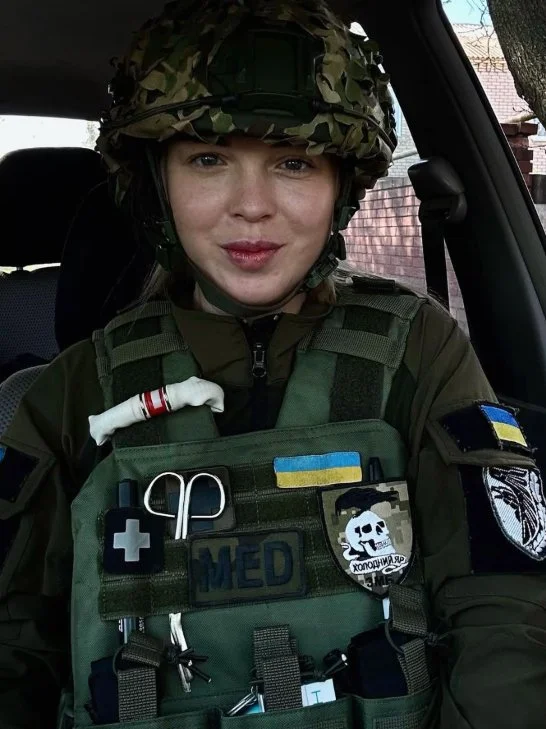
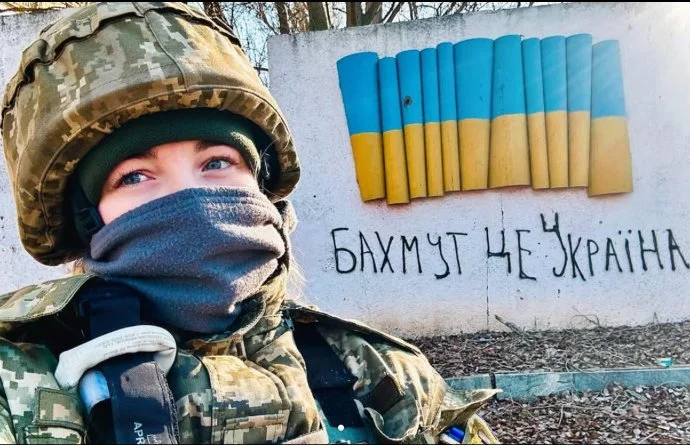
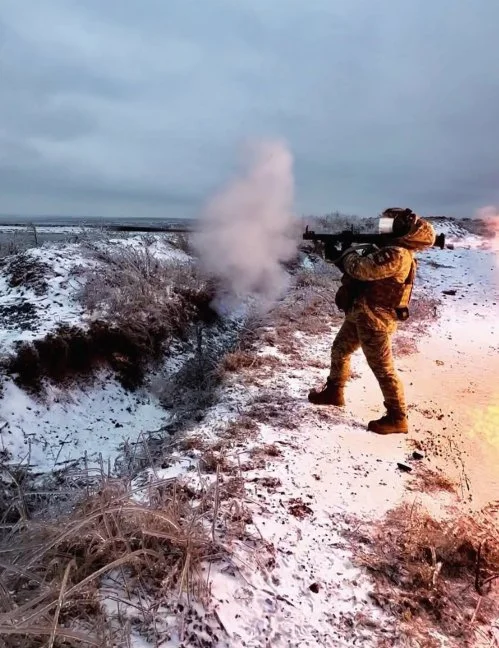
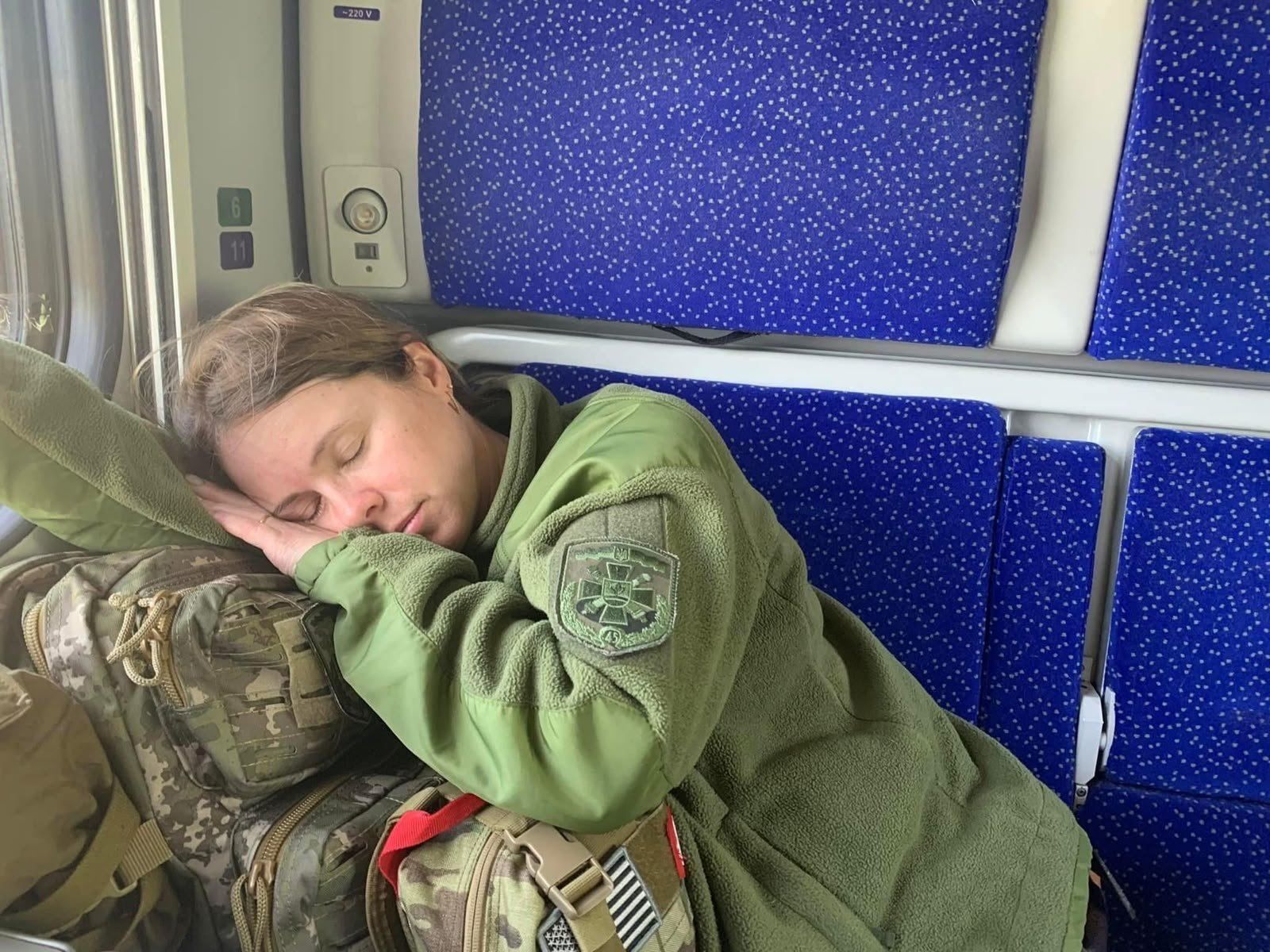
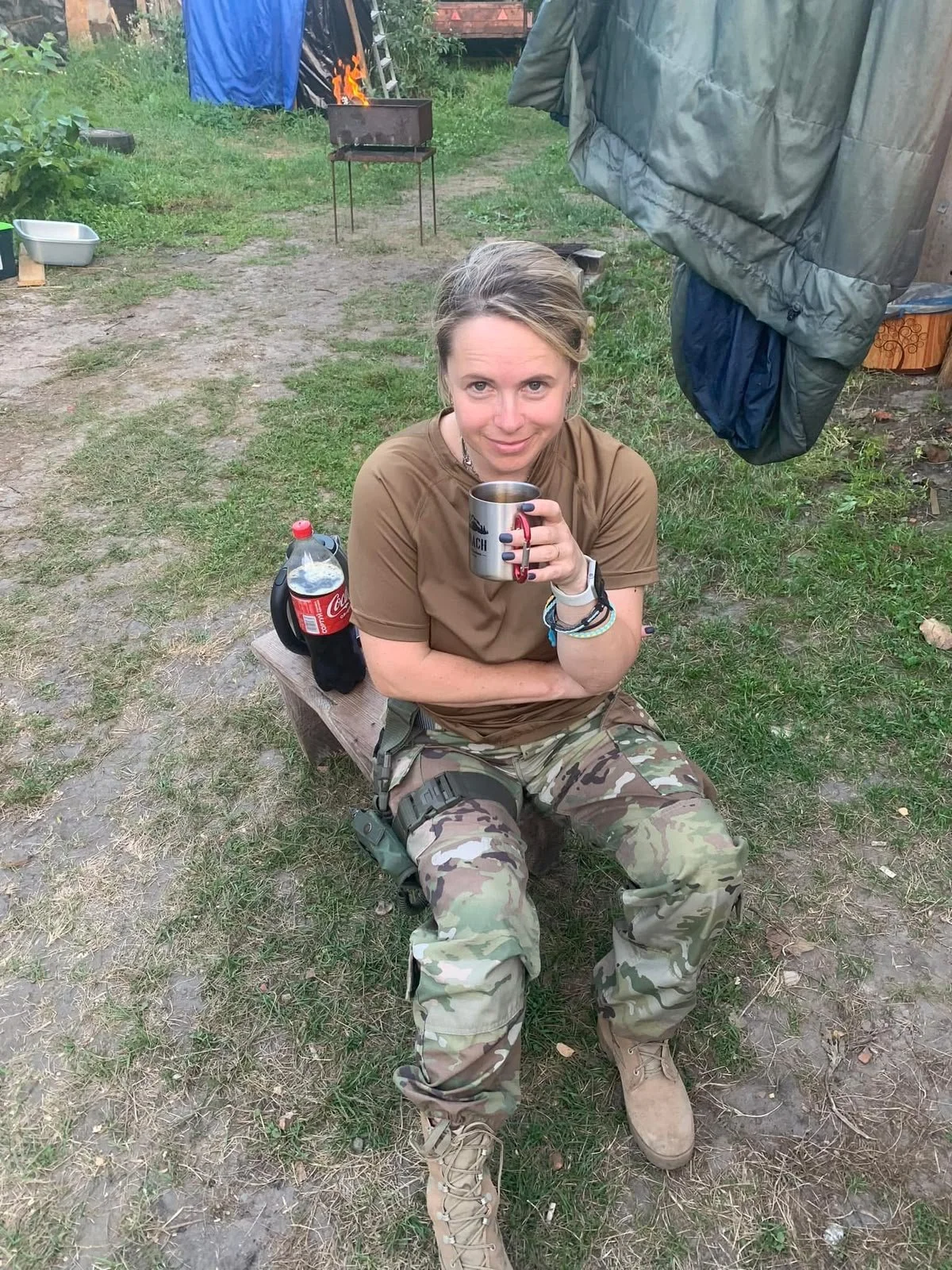
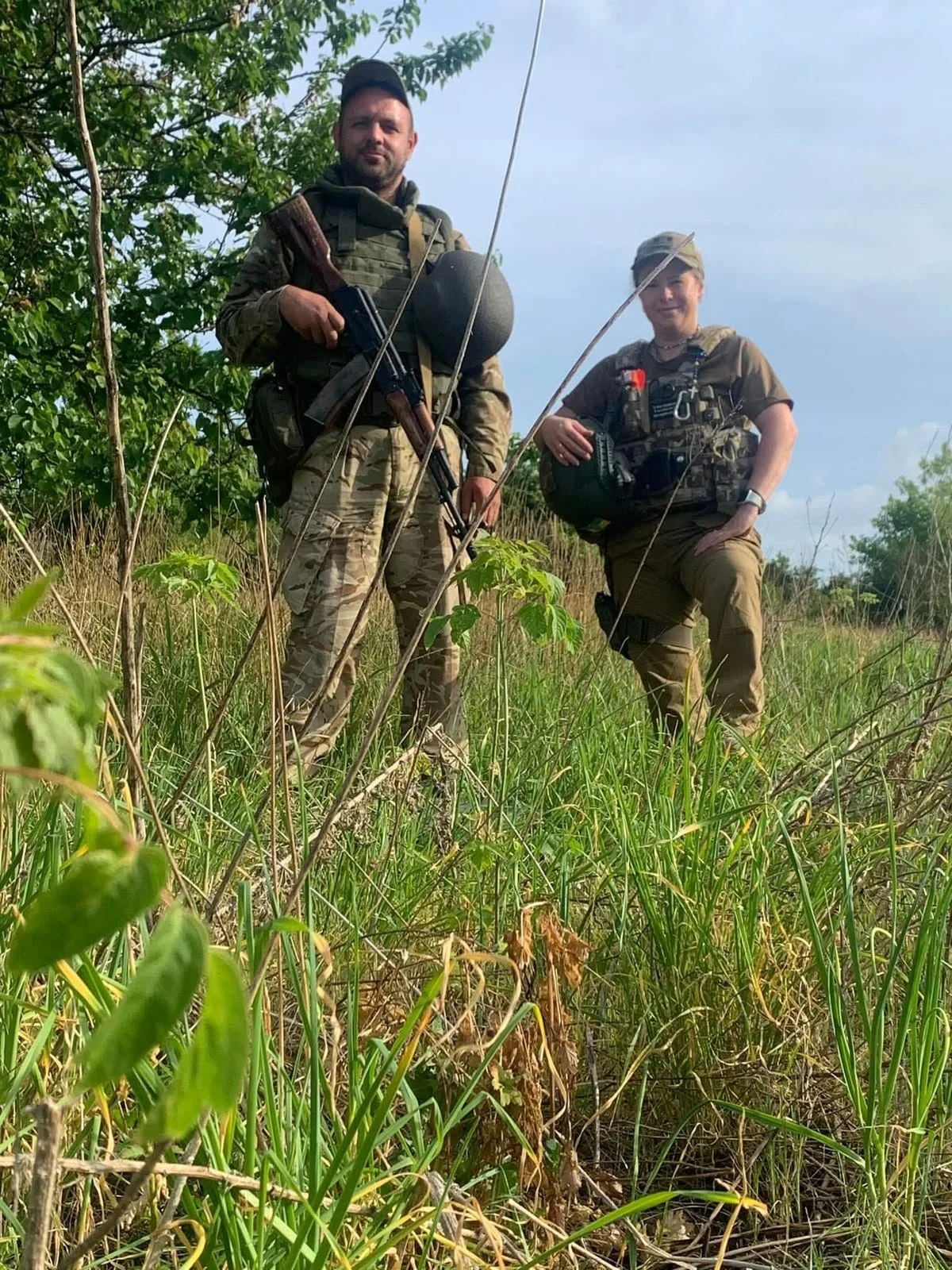
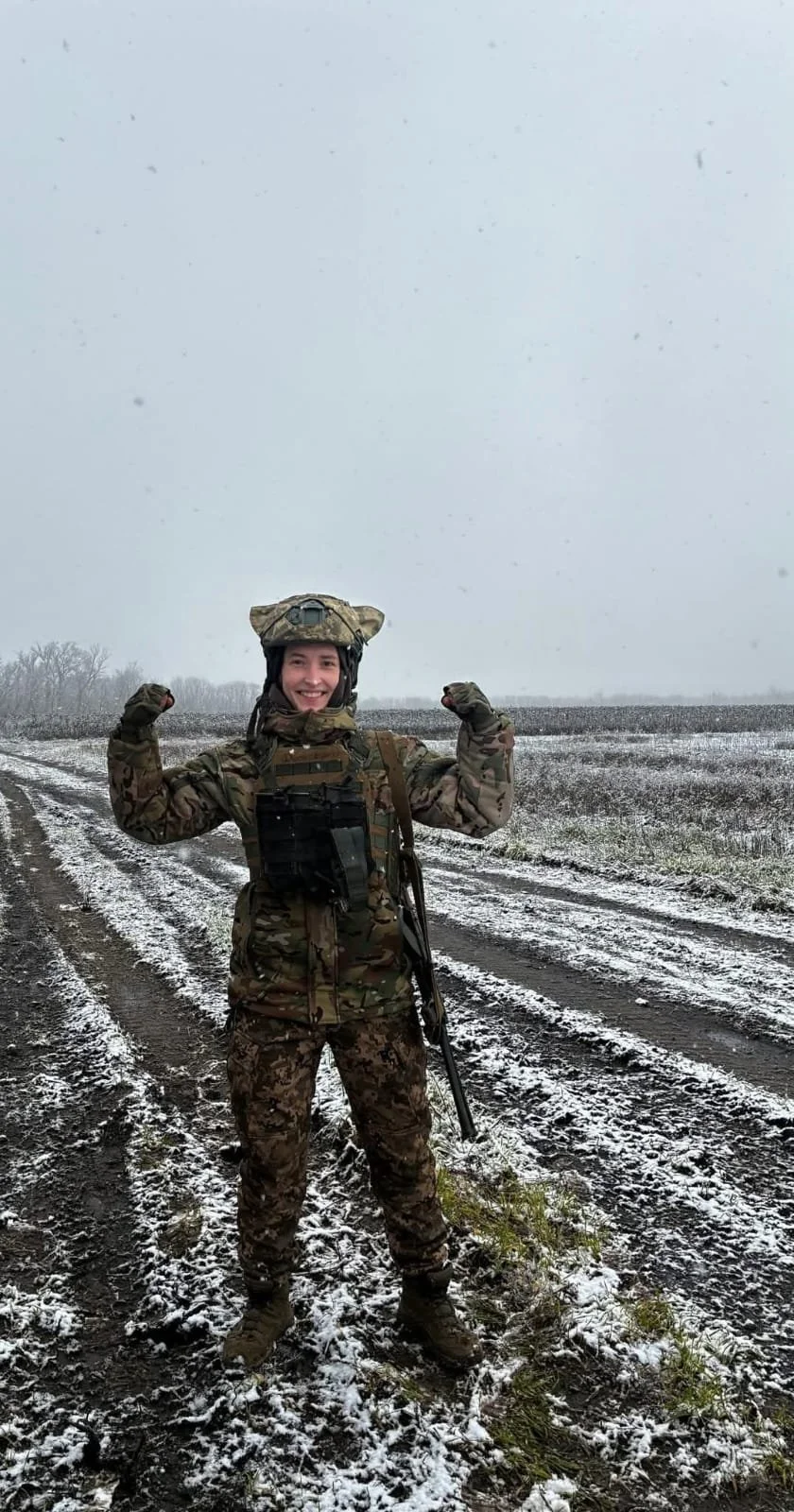
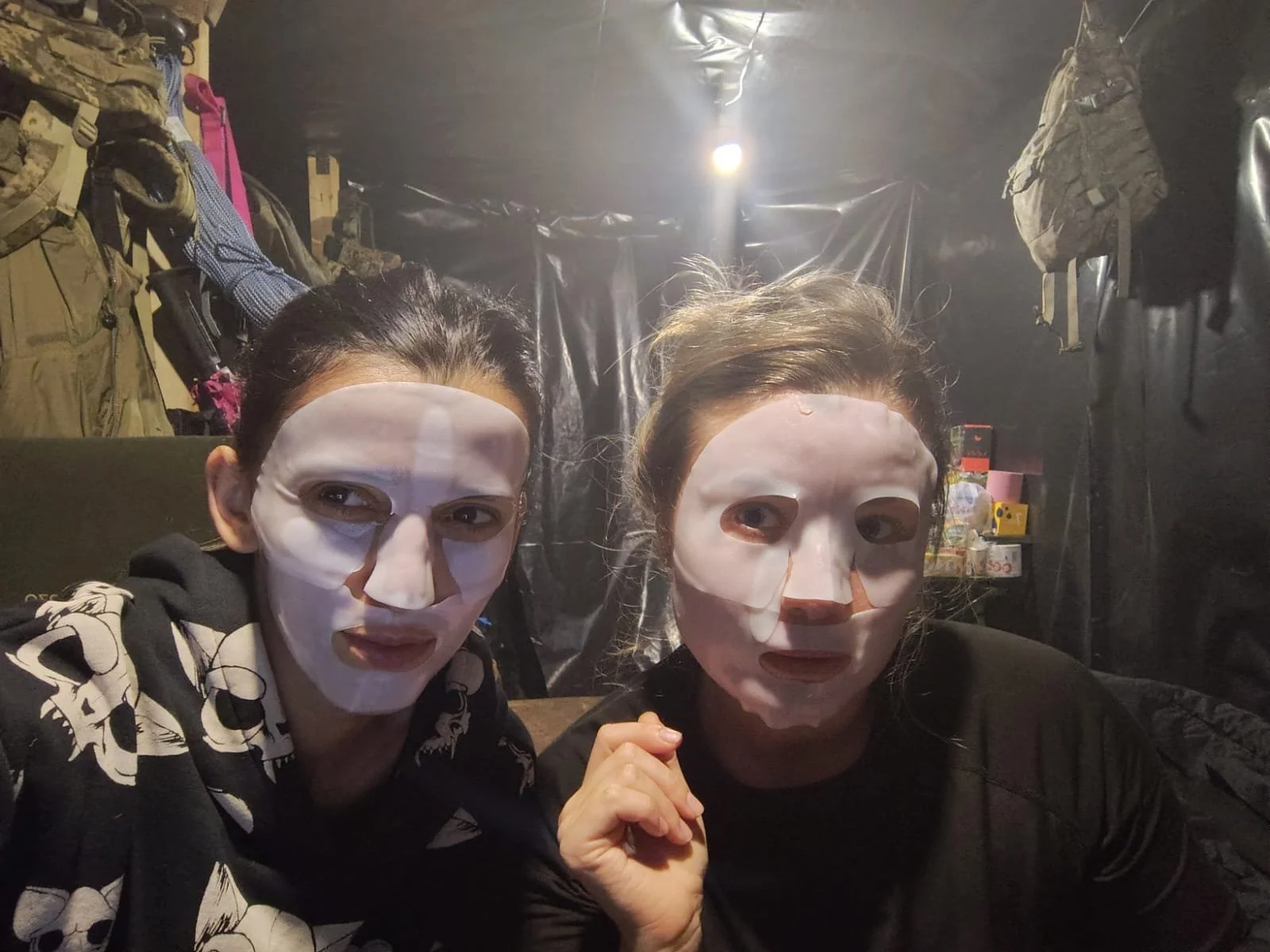
During my trip to the front, I spent two days alongside a servicewoman from the Black Raven unit of the 93rd Separate Mechanized Brigade. She was previously a combat medic and suffered a severe shrapnel injury from an enemy FPV drone strike. She still has hearing problems. But as soon as she could walk again, she returned to service. She now conducts training sessions for soldiers at military training grounds.
We ate together, spent the nights together, and traveled to her workplace. I put on a bulletproof vest and helmet to experience at least a little of the weight she carries. And that was without a weapon or the other equipment they wear. I spent seven hours like that, and my back hurt for another week afterward. It helped me understand how physically demanding their service is.
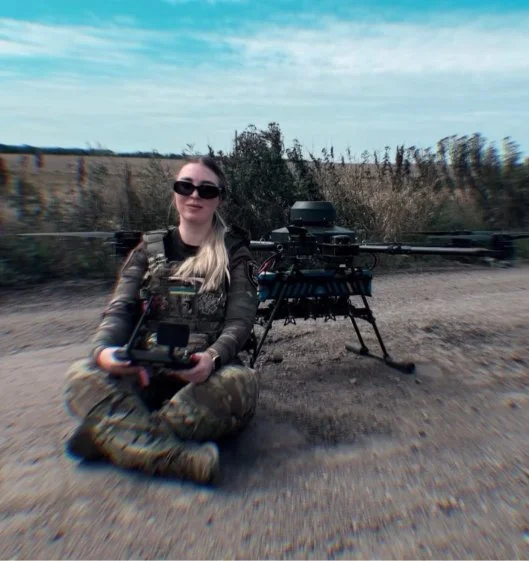
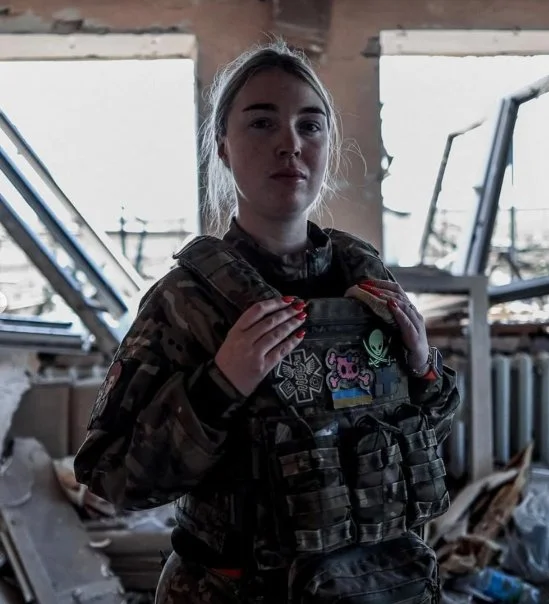
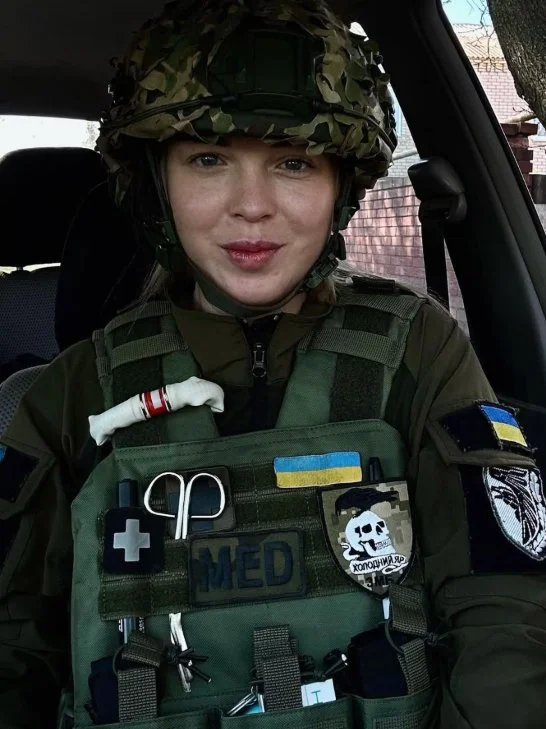
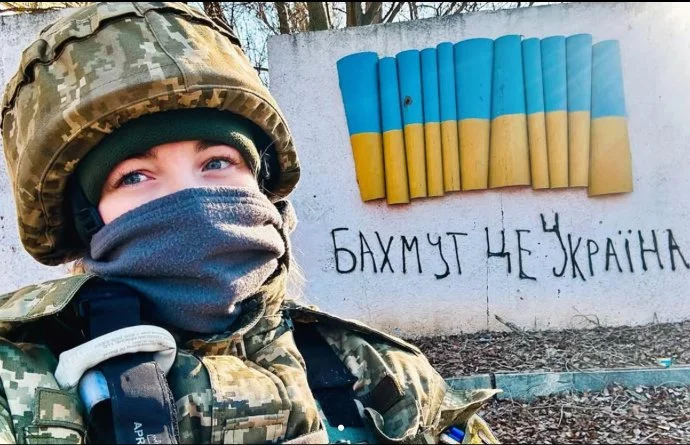
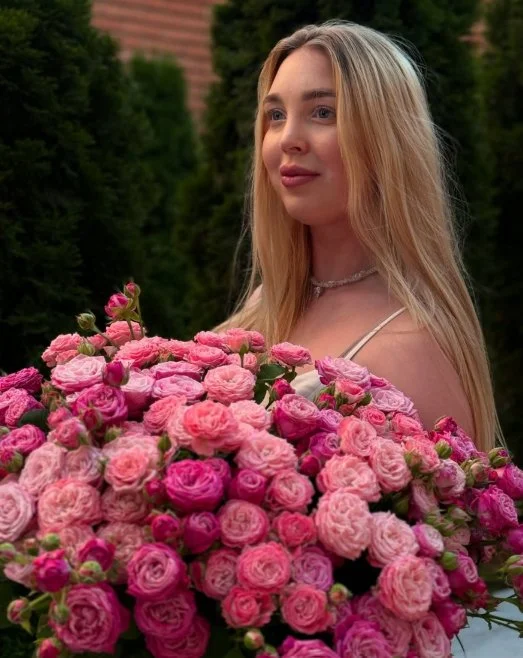
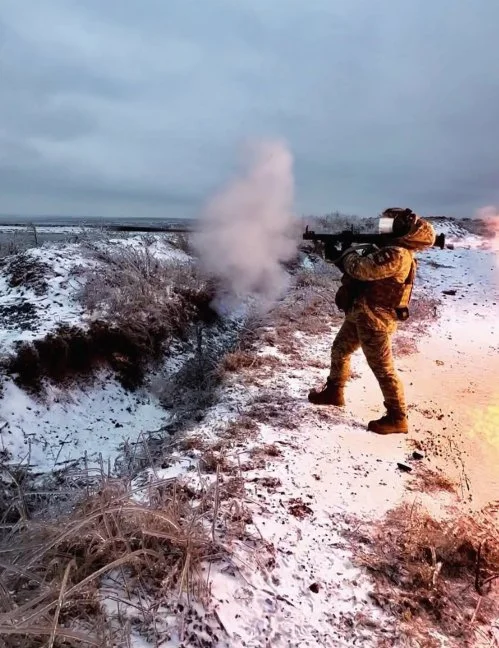
image source: @tanyusha.0o
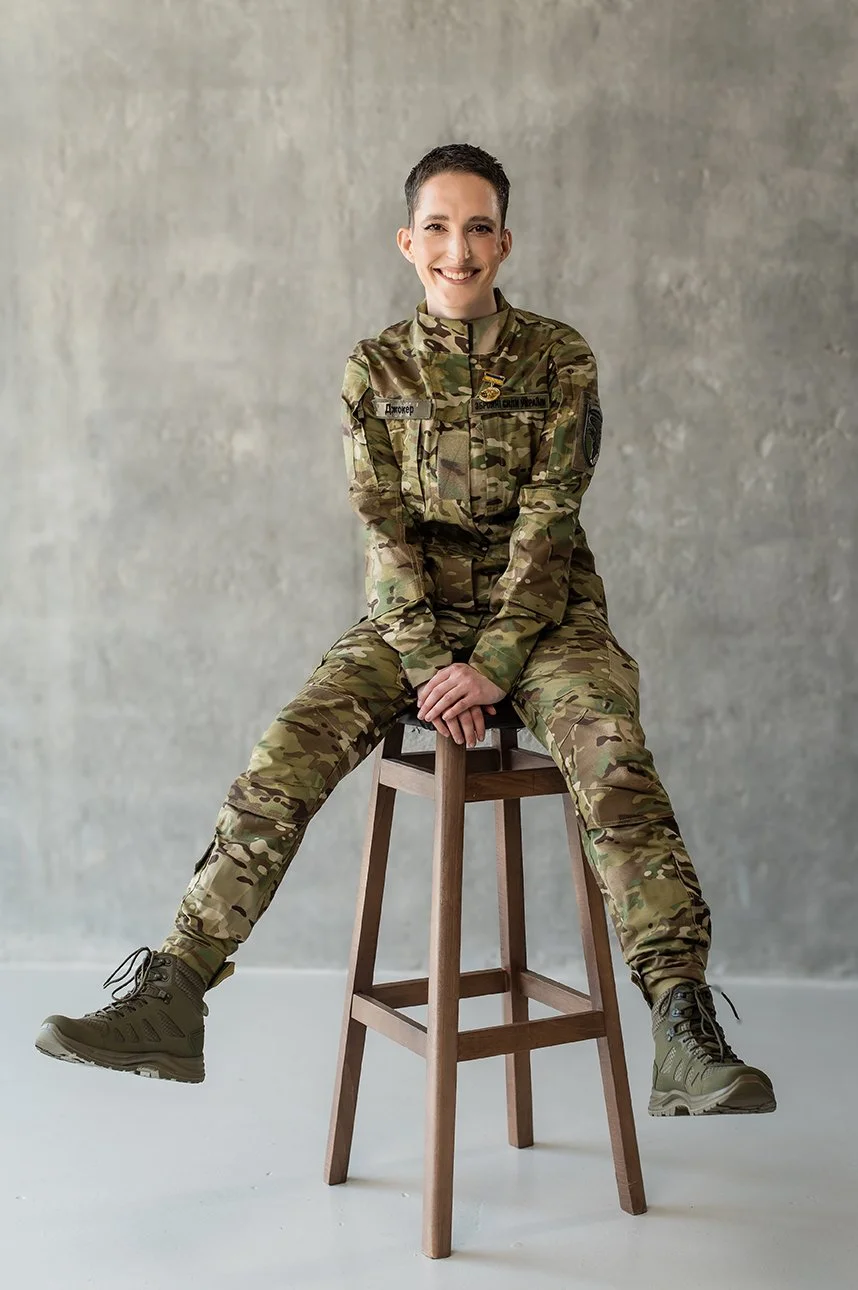
Iryna Bilonenko, call sign “Joker”
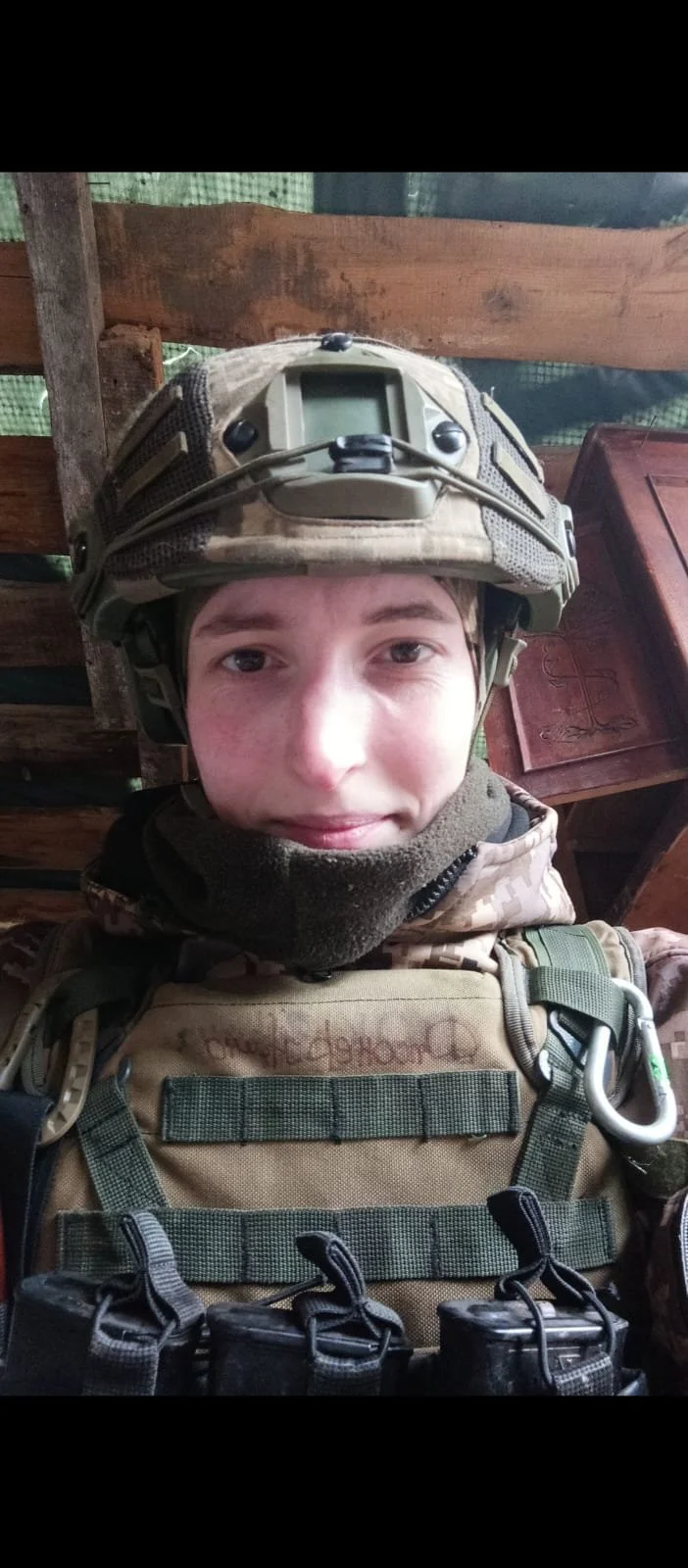
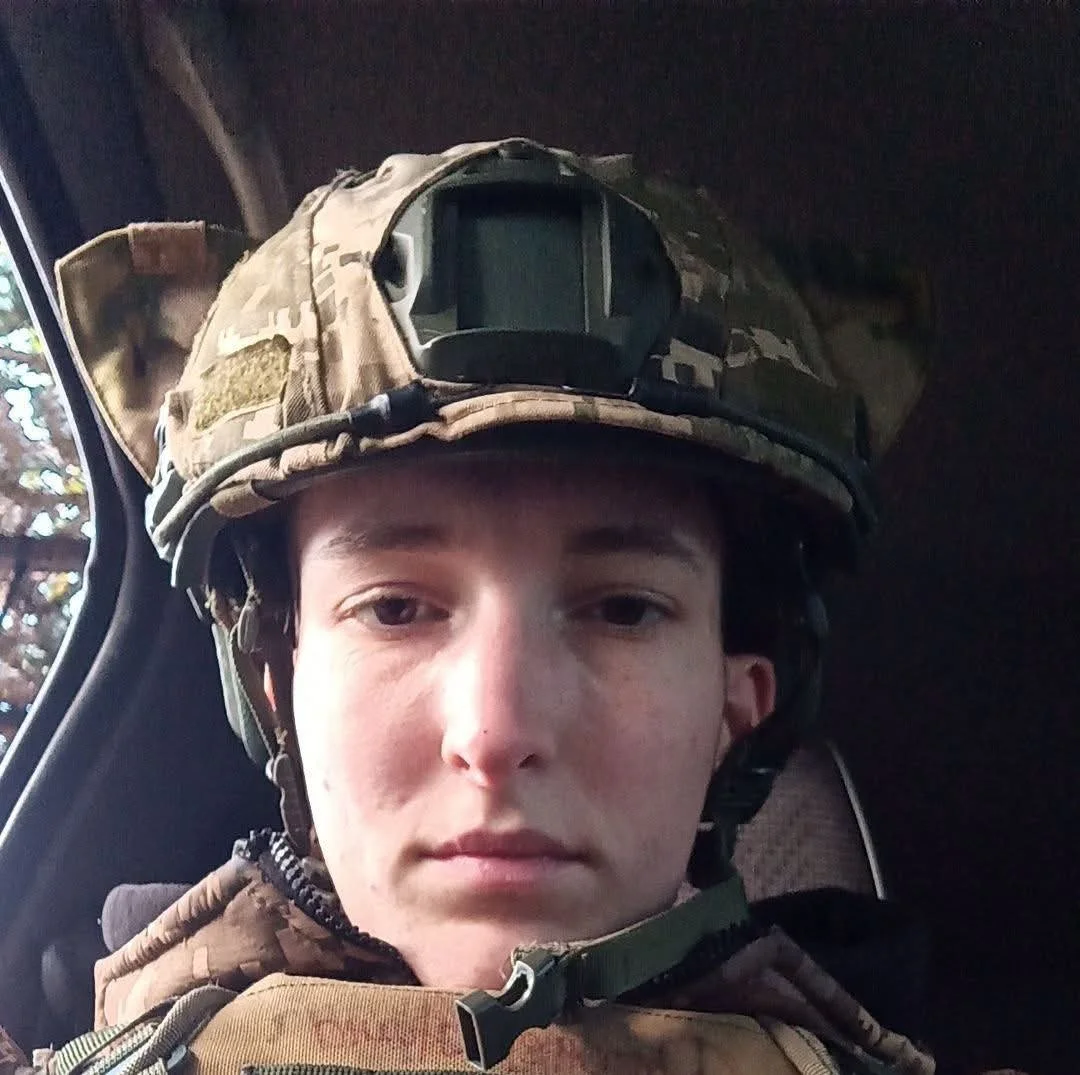
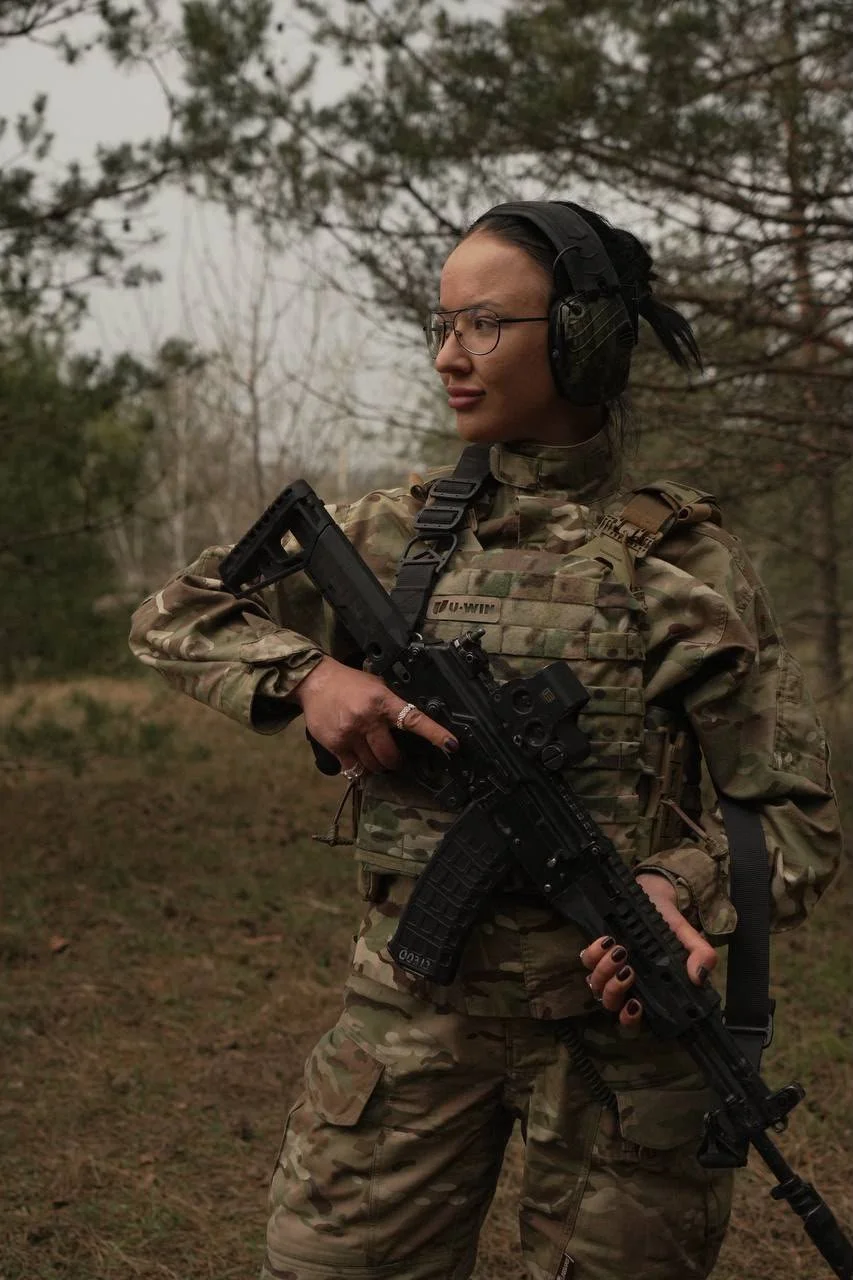
Iryna Bilonenko, call sign “Joker,” is a soldier in the 93rd Separate Mechanized Brigade “Kholodny Yar.” Before the full-scale invasion, she lived in Dnipro. In 2021, she graduated from the Dnipro Institute of Infrastructure and Transport and worked in the production of automotive chemicals, advertising displays, and various metal designs.
After the full-scale invasion began, Iryna volunteered, participated in the evacuation of civilians from Mariupol, and insisted on joining the military. She went to war at the age of 23. Upon joining the military, she cut off her beautiful long hair—one of the personal milestones marking her transition from civilian life to military service.
The call sign “Joker” was given to her by a soldier with the call sign “Yizhak” (“Hedgehog”) who was later killed in action. She has experienced combat missions and the loss of friends and comrades. In a conversation with She Stands, Iryna said: “The war has taken so much from me… friends, comrades. My youth….” She heads out to the front lines, works under the same conditions as the men, and knows what life is like in bunkers and dugouts. Outwardly, she seems fragile, but inside, she possesses incredible strength. Her greatest fear is losing the people she serves with, and she speaks of her readiness to shield them with her own body.
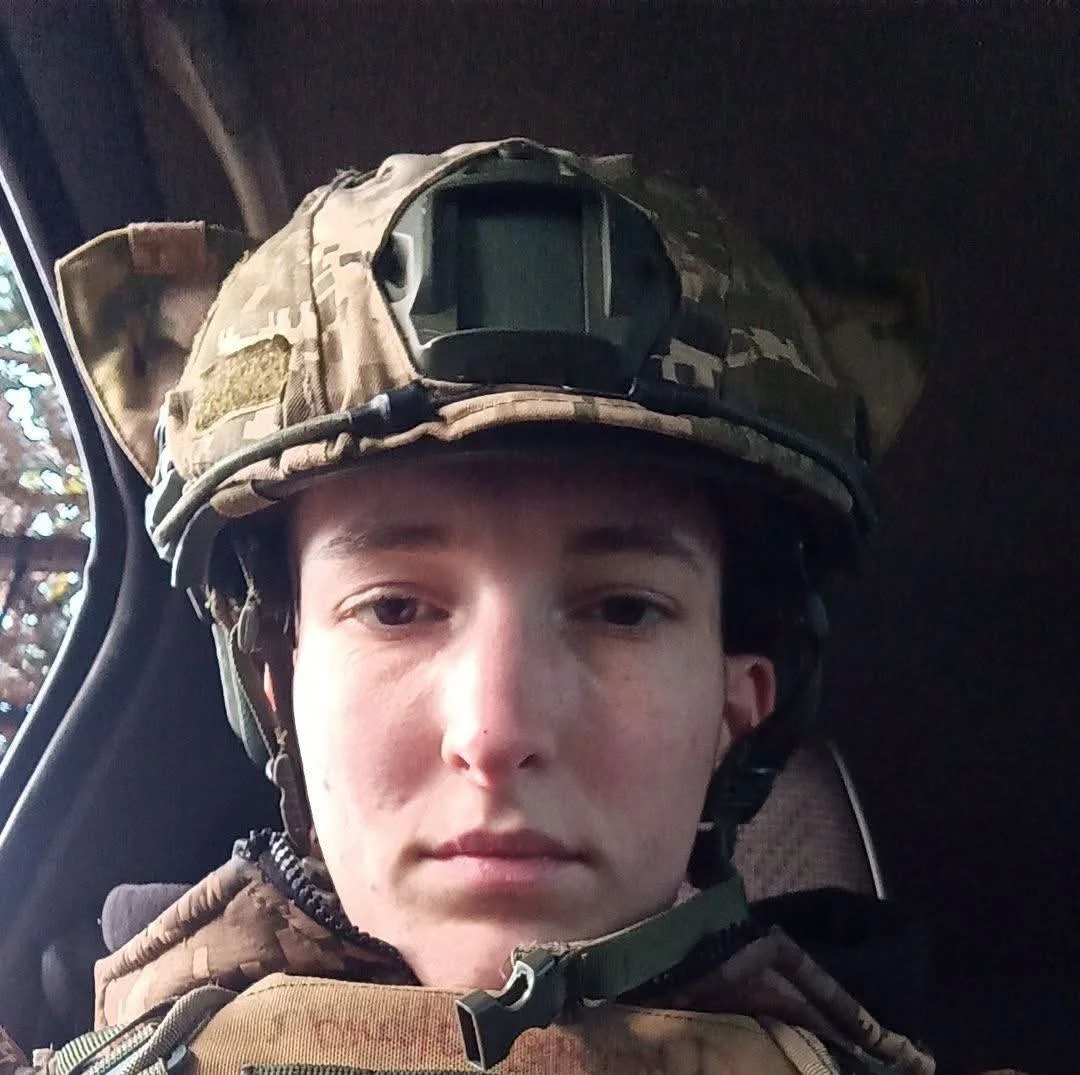
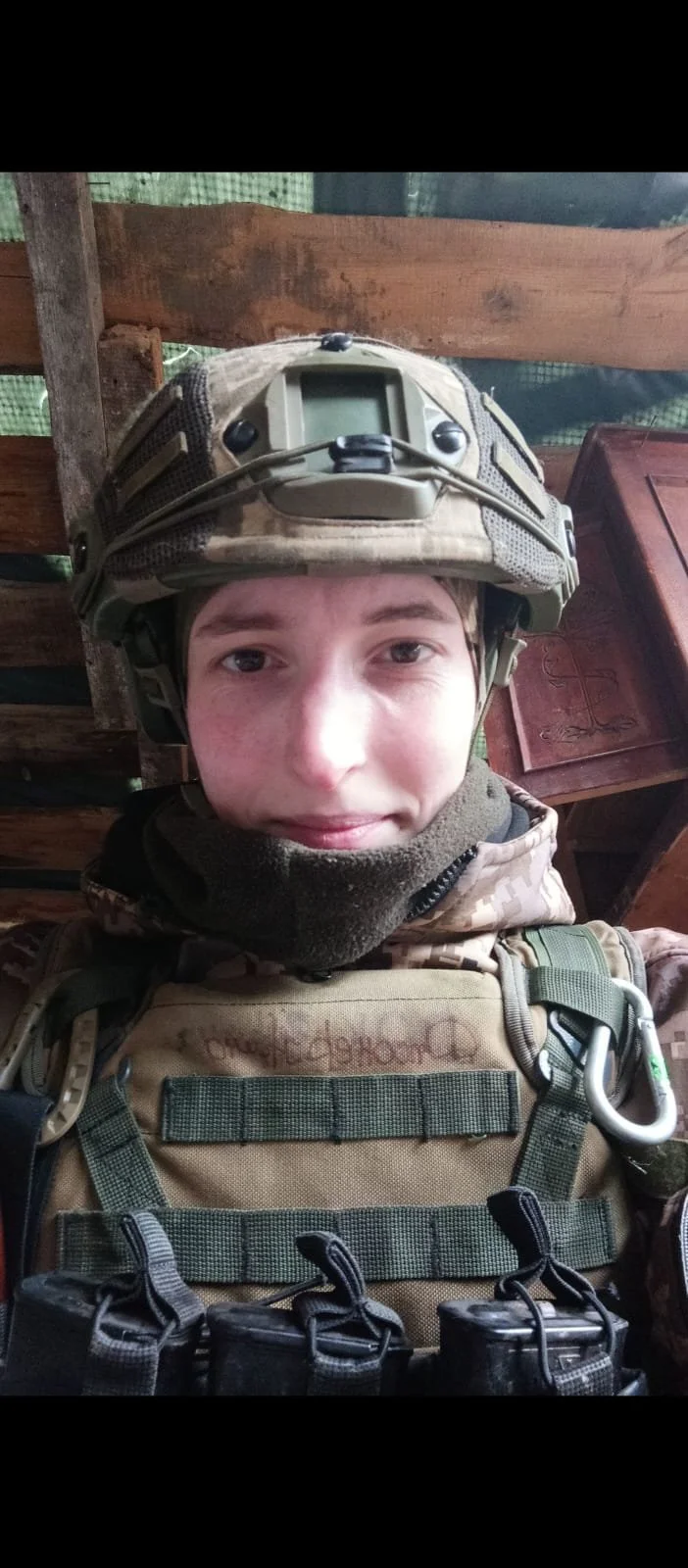
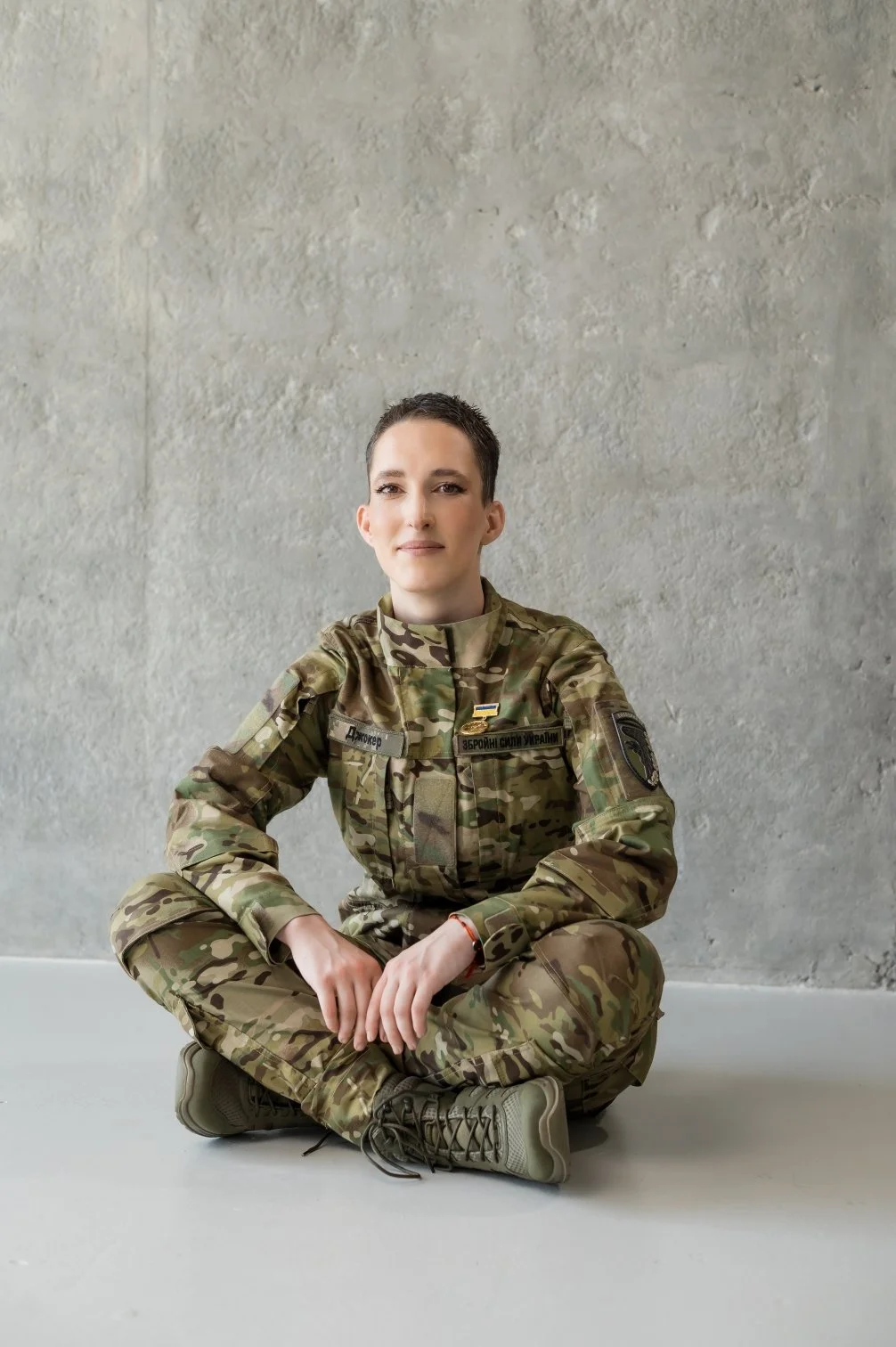
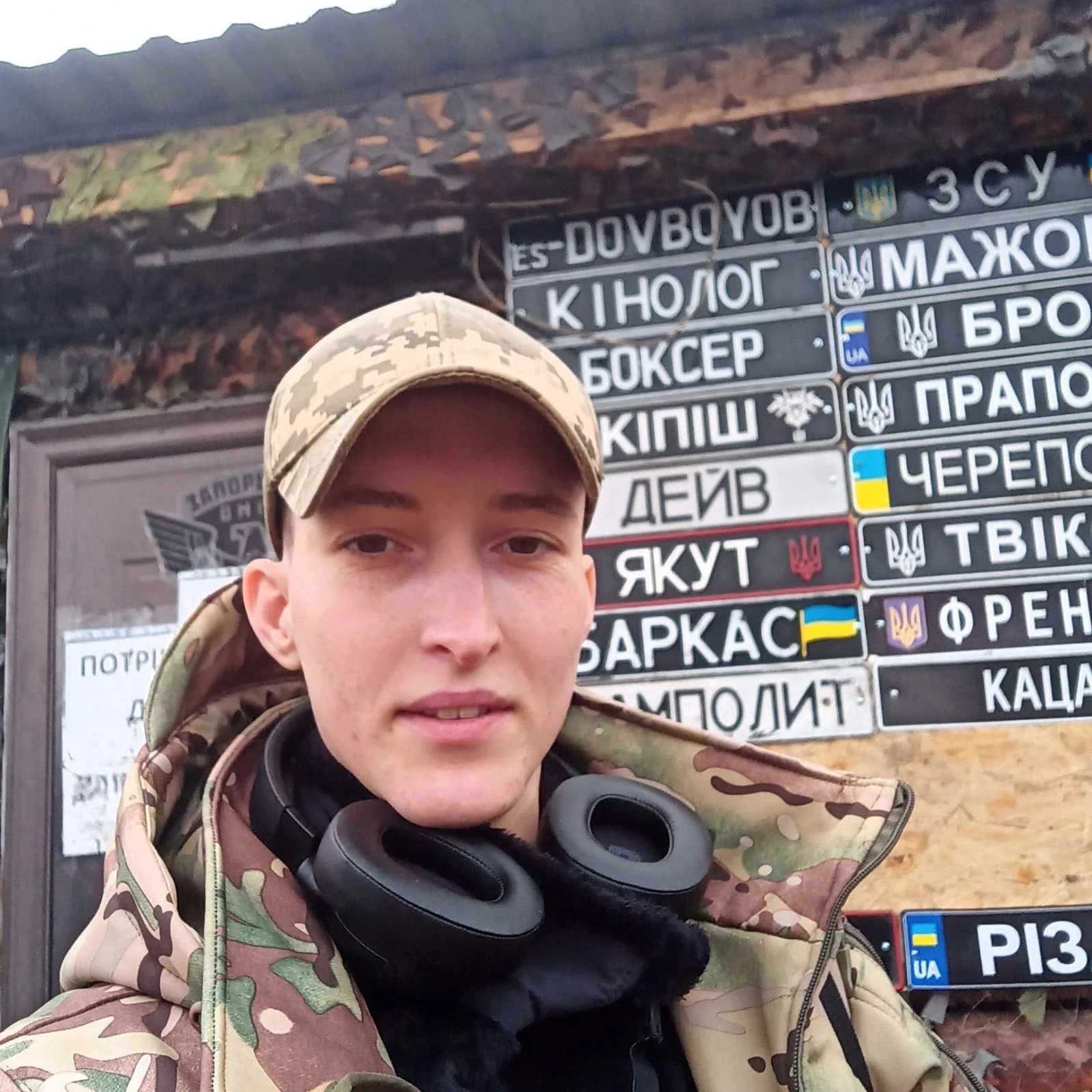
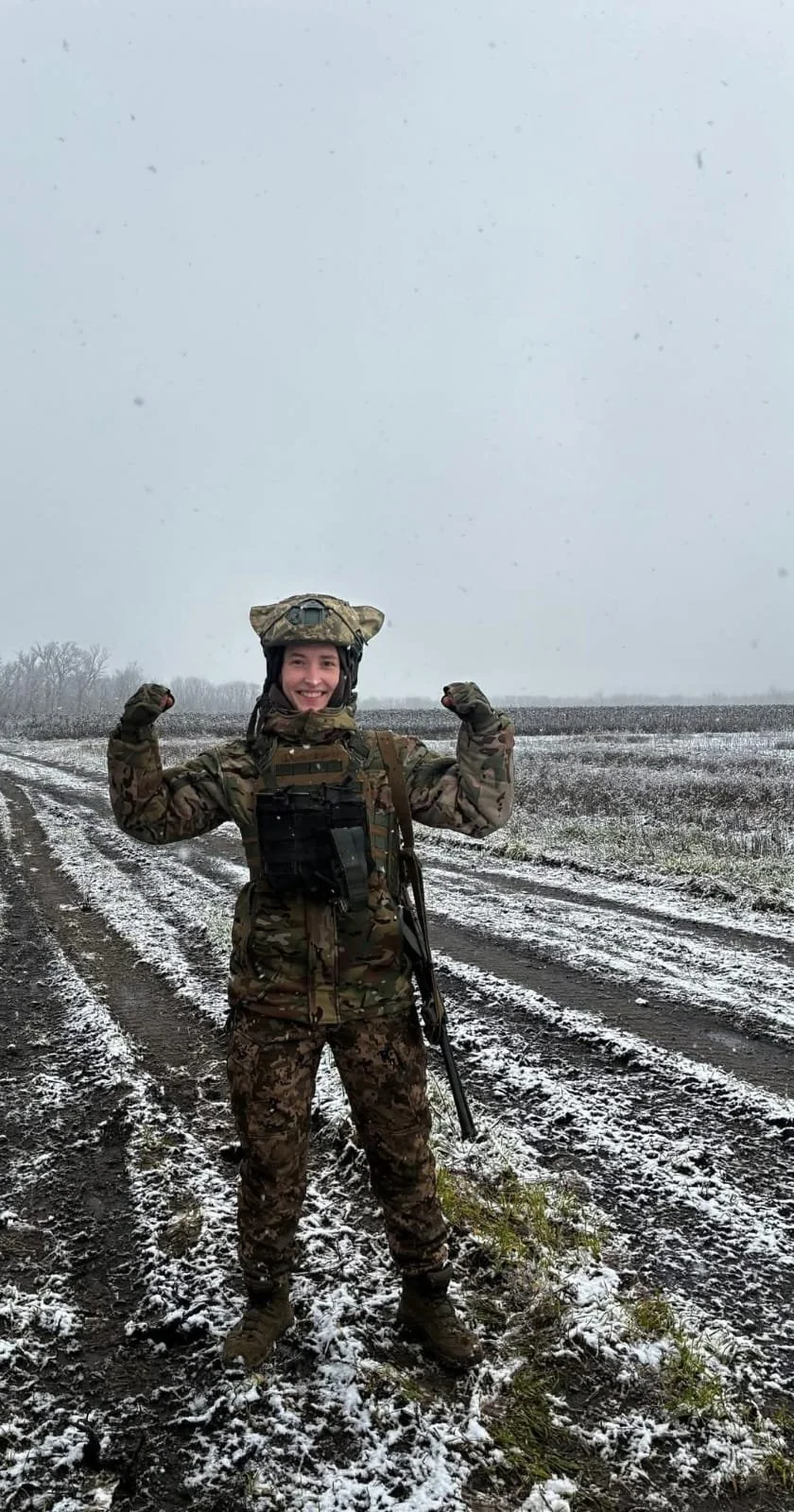
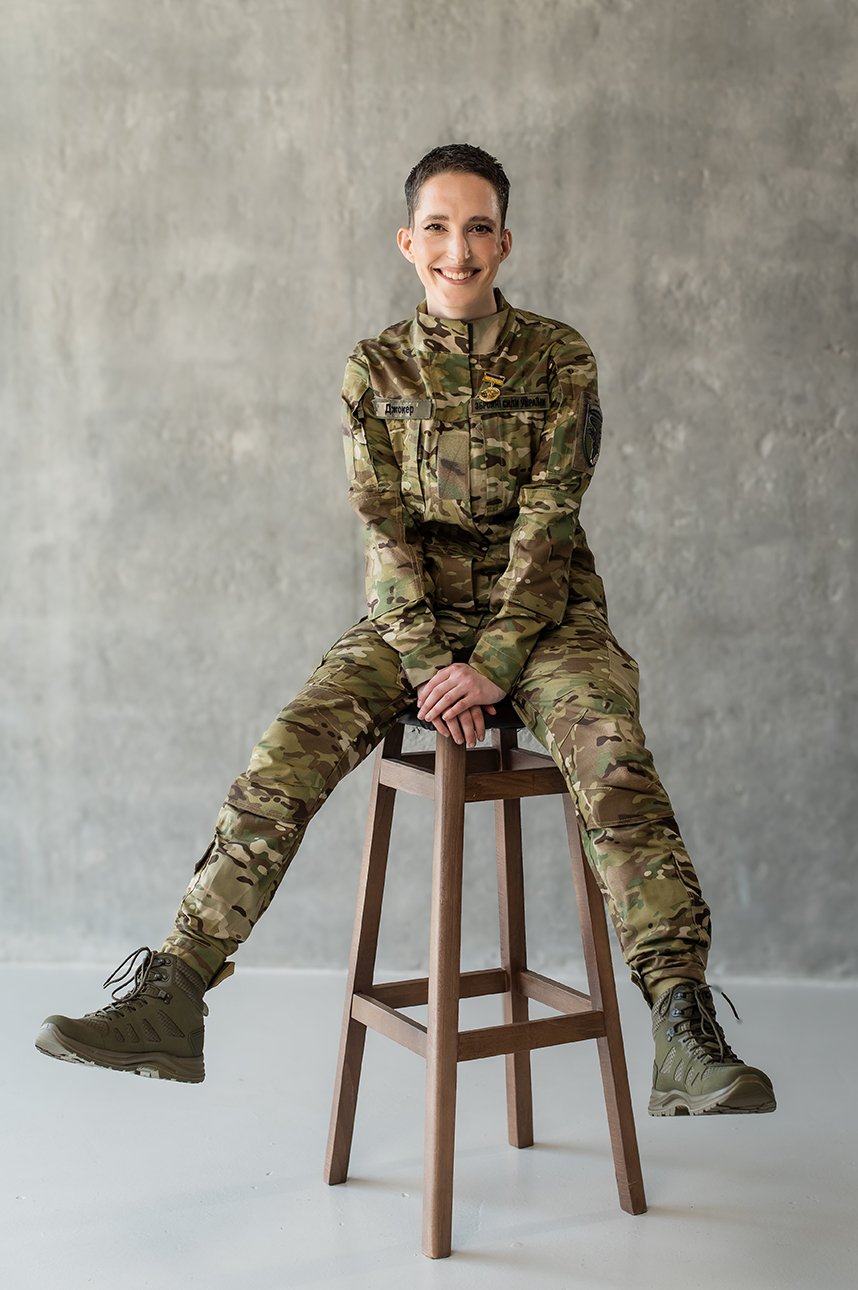
image source: She Stands
Tetiana Shcherbyna, call sign “Simurh”
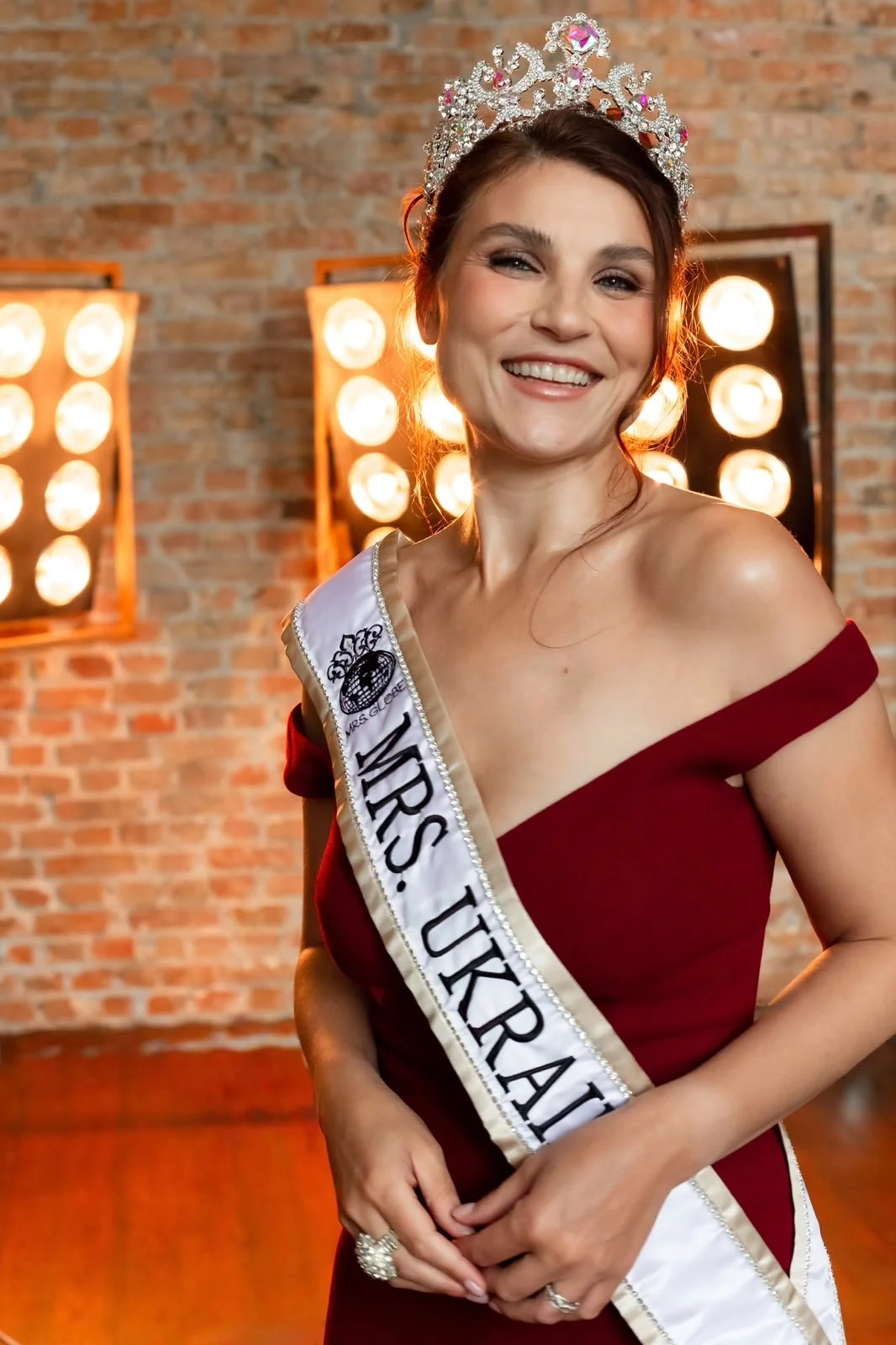
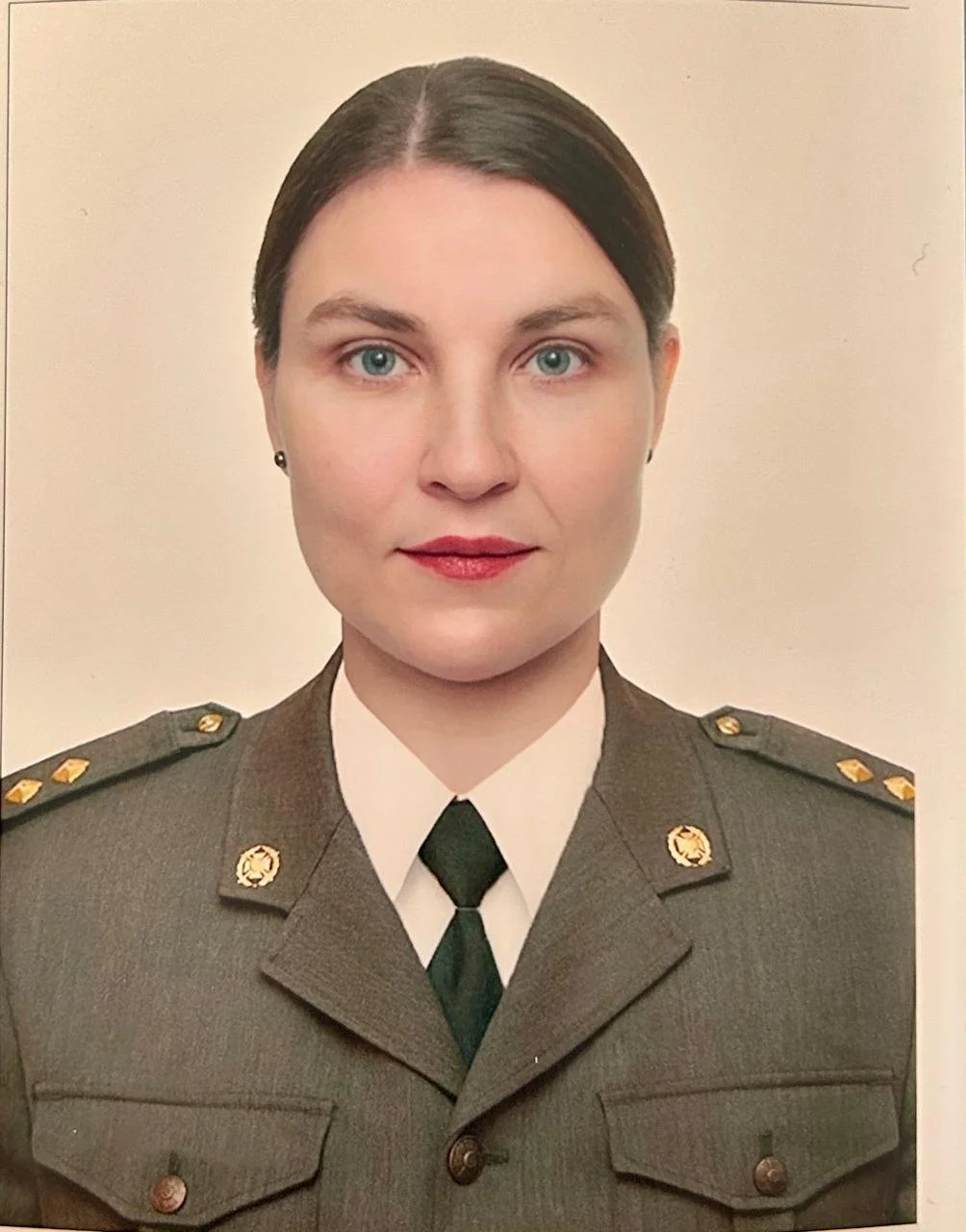
Tetiana Shcherbyna, call sign “Simurh,” is a mother of two and an officer in the Armed Forces of Ukraine. She obtained an excellent education, experience working for well-known international auditing and consulting firms, and tremendous career prospects. She studied at Kyiv-Mohyla Academy and completed studies at Yale and a business school in Paris, specializing in negotion, mediation and conflict resolution.
She could have continued living a comfortable life abroad. But after the full-scale war began, she returned and went to a military recruitment office, saying that her experience in crisis management could be useful to the military. She gave up a good salary and her familiar life to serve.
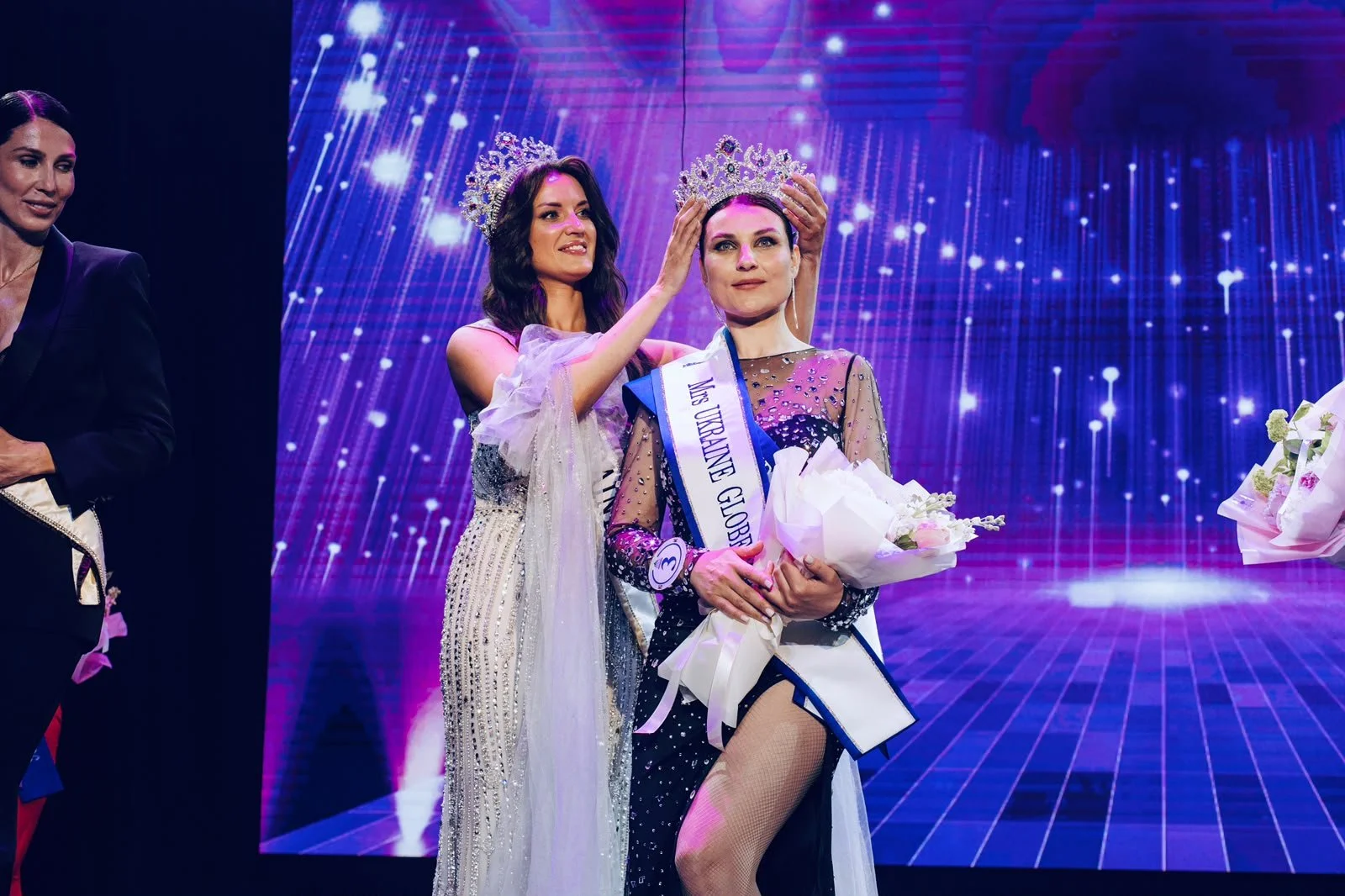
During the war, Tetiana found love, served during pregnancy and gave birth to her second daughter. She later lost her partner, who was also a soldier. Despite everything she went through, she found the strength to enter the Mrs. Globe competition, winning the national round and taking silver at the European level. Next, she will represent Ukraine at the international Mrs. Globe 2027 final in the United States. This also offers an opportunity to tell the world about Ukraine, women in the military, and families who have lost loved ones in the war. As a She Stands ambassador, she helps draw attention to the stories and needs of Ukraine’s women defenders.
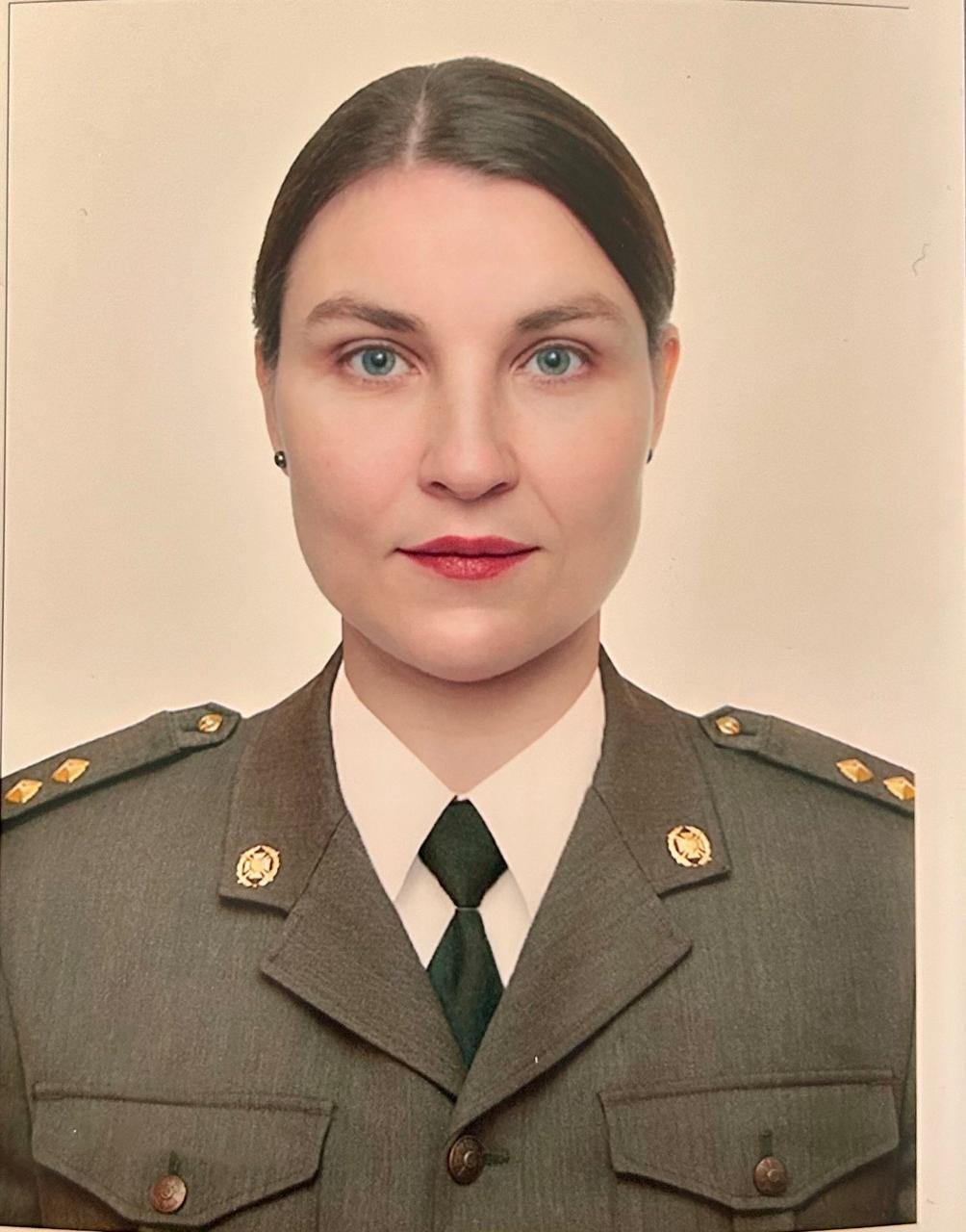
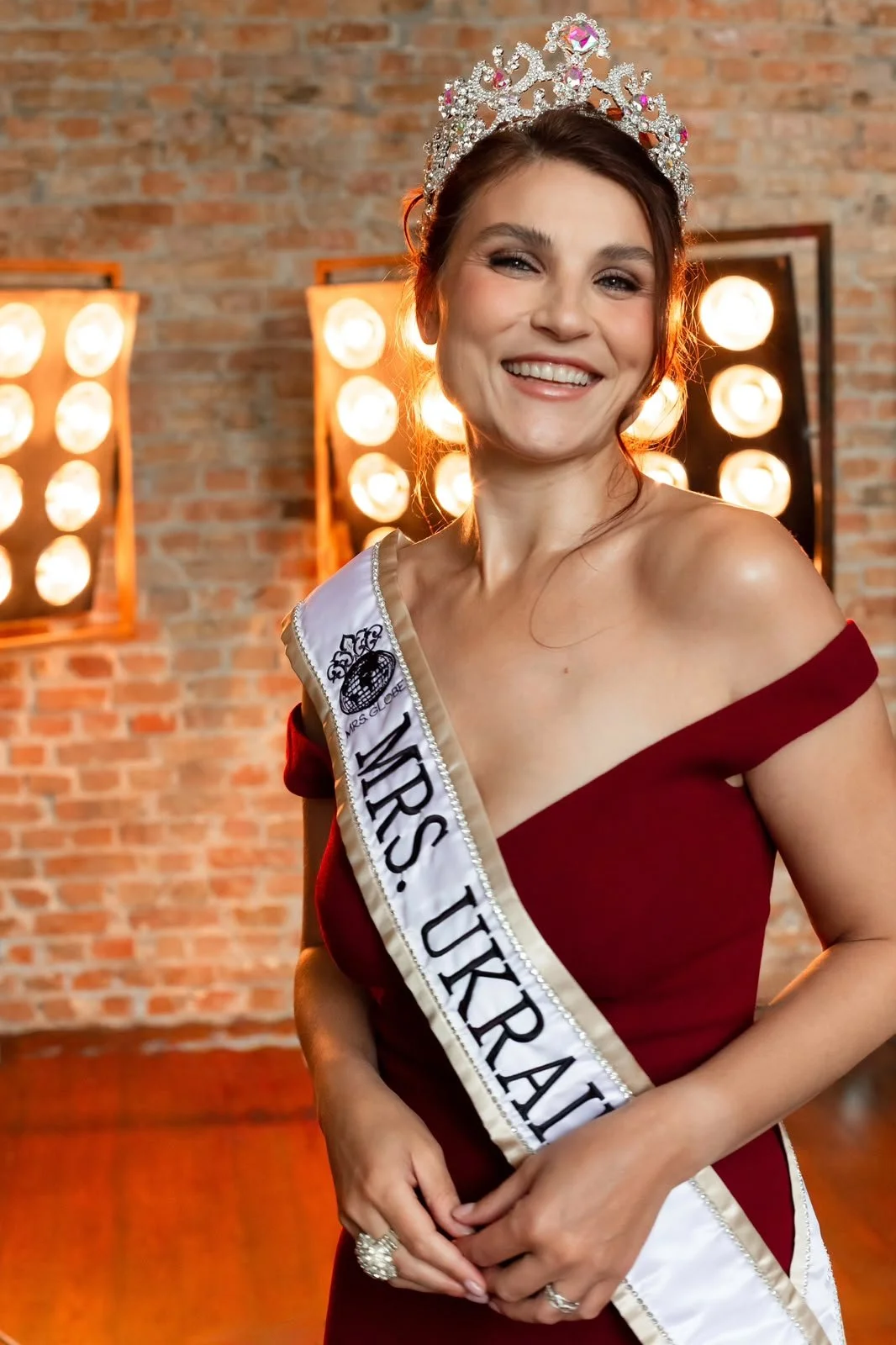
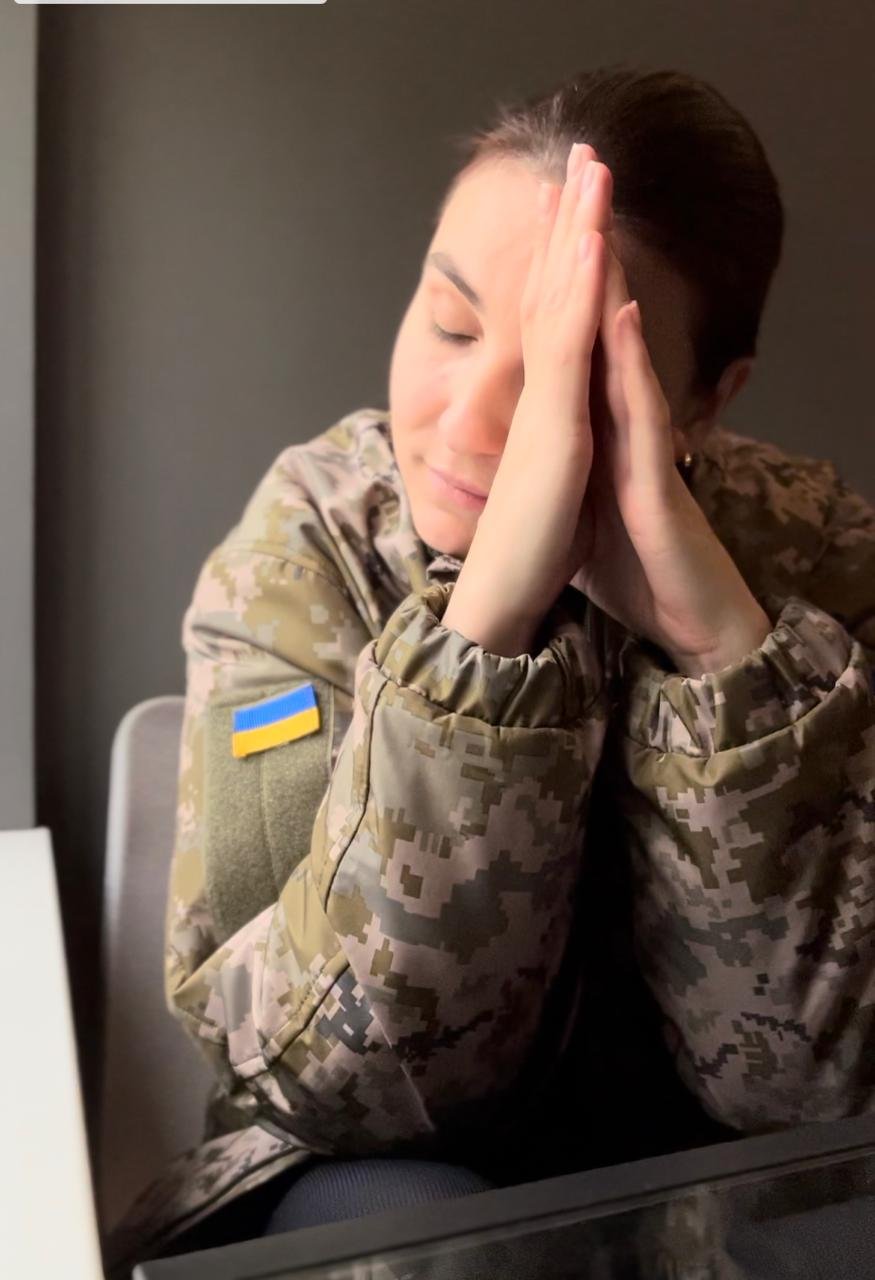
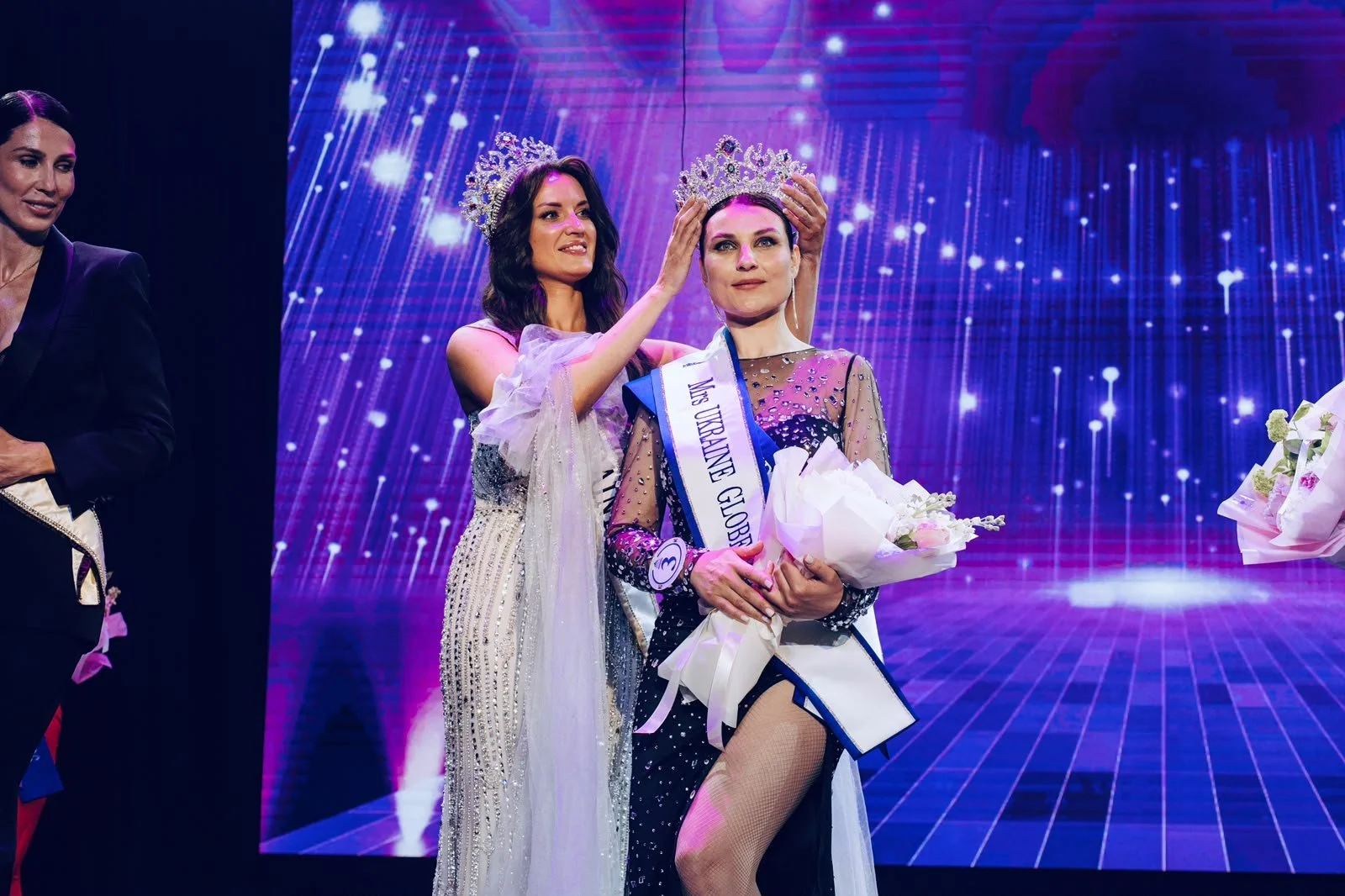
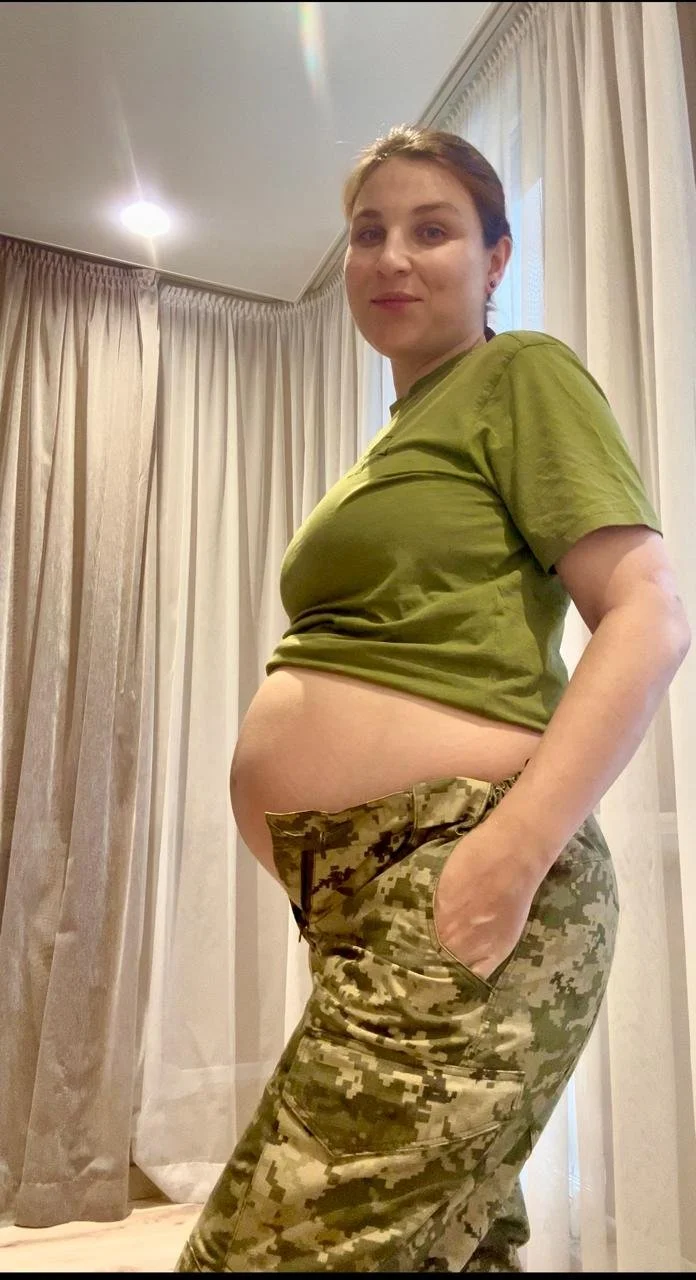
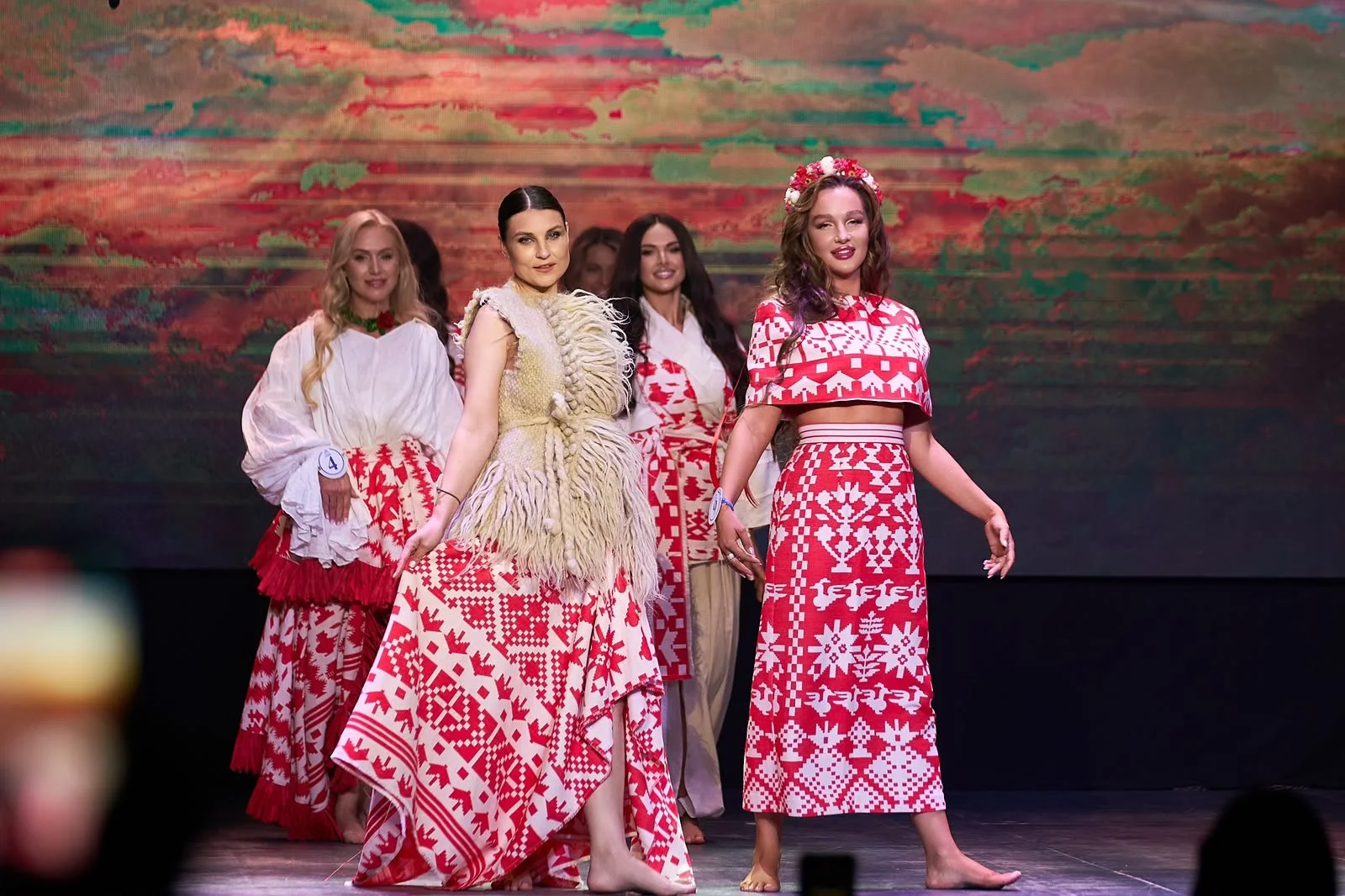
image source: She Stands
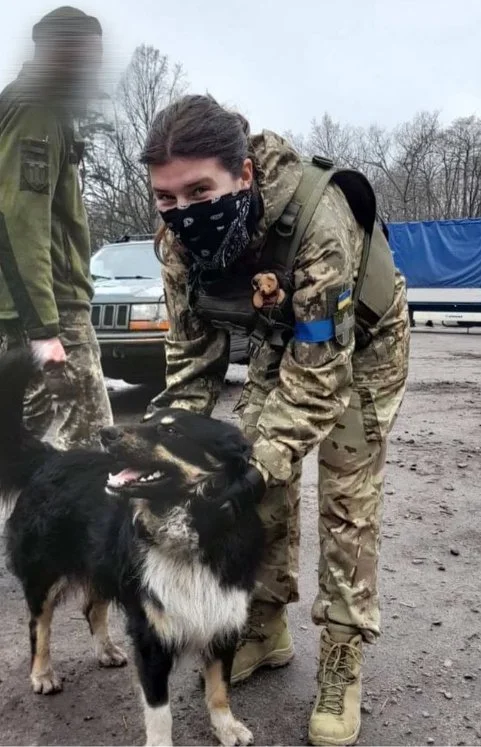
Yana Zalevska, call sign “Multik” (“cartoon”)
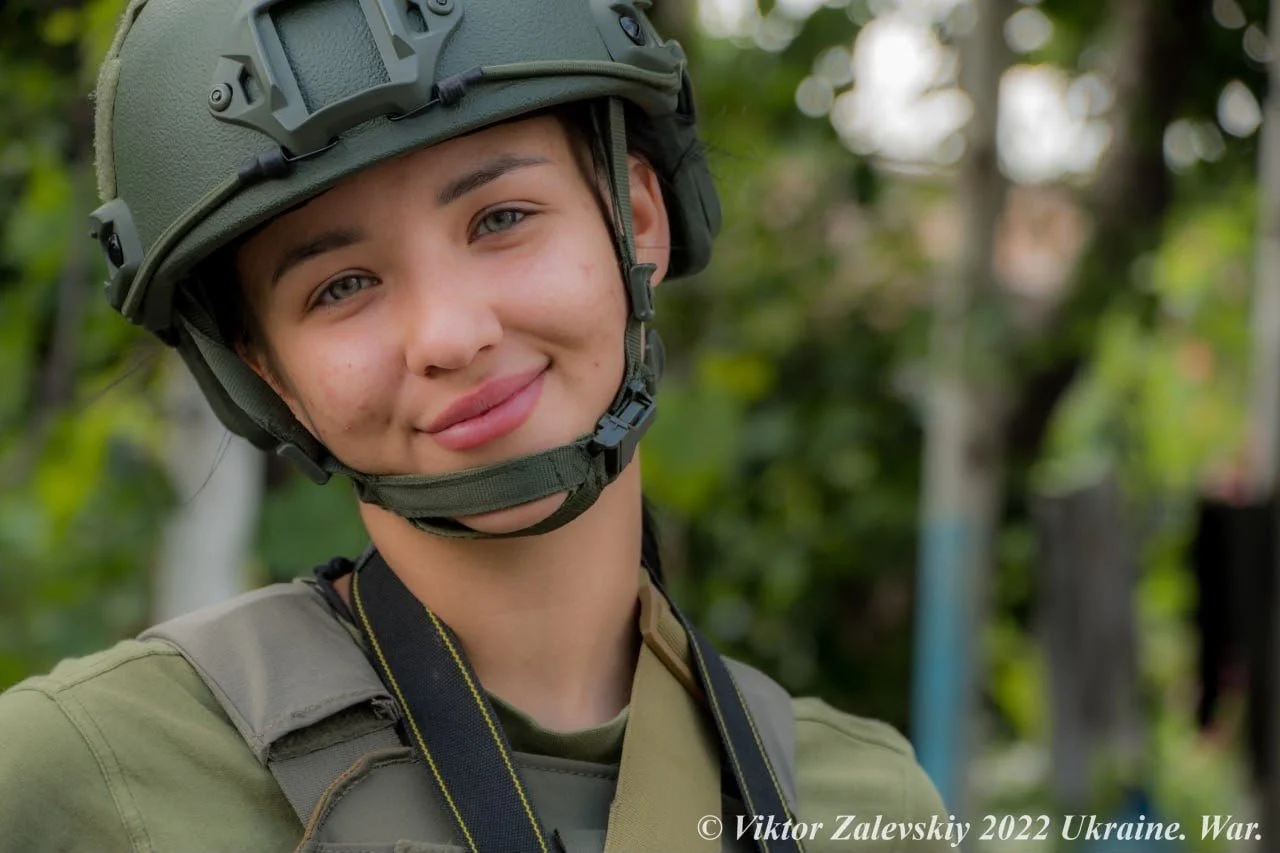
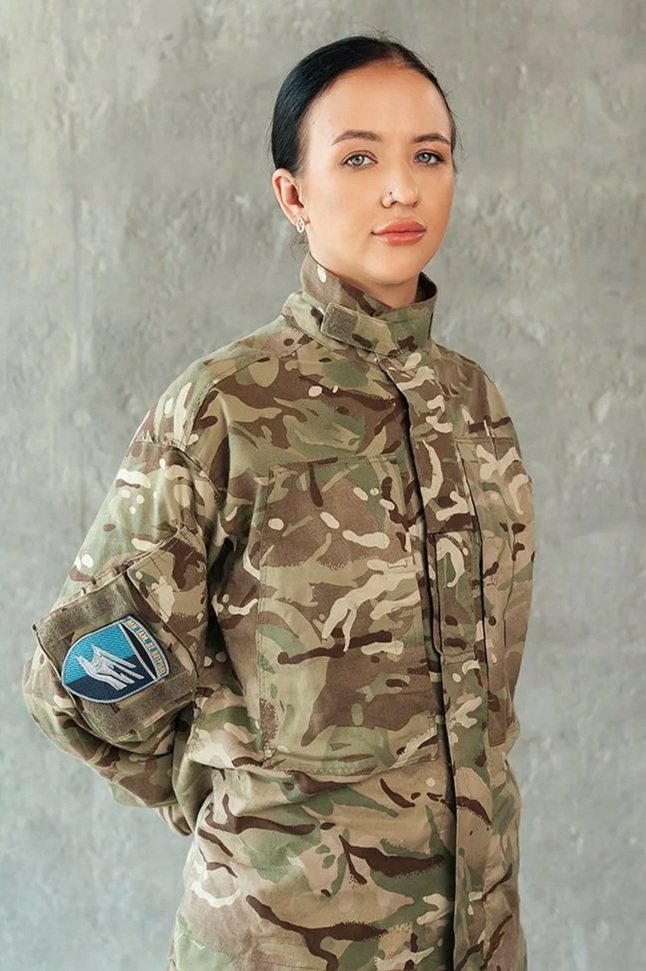
Yana Zalevska, call sign “Multik,” is a junior sergeant in the 88th Separate Marine Battalion, a drone operator, and an ambassador for She Stands. A young servicewoman is originally from Kherson Oblast. Because of the russian occupation, her family was forced to leave. Yana spent eleven years working professionally in choreography. She is also the mother of a young daughter. Although she had a promising future in dance, she decided to join the military.
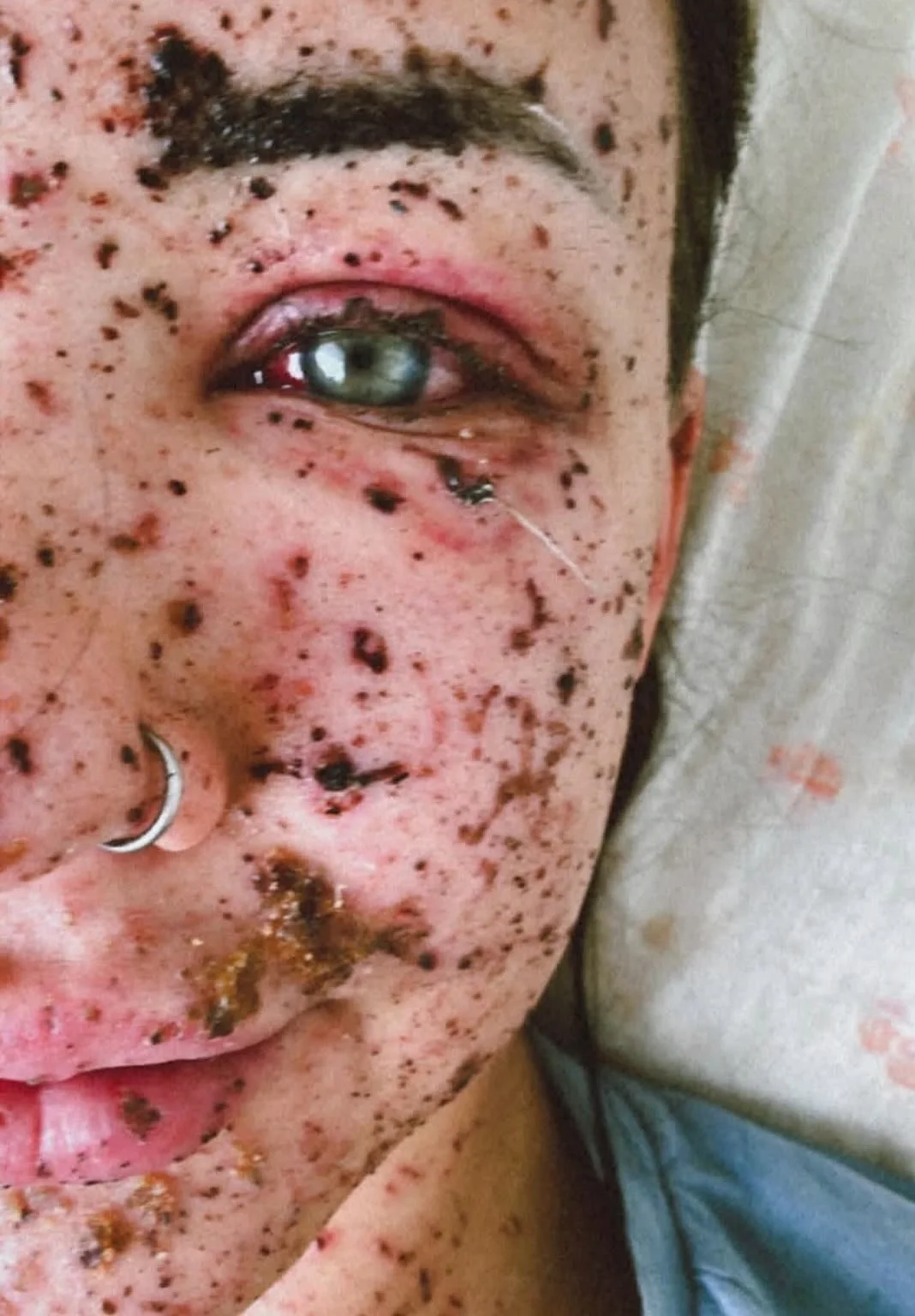
After an enemy drone strike, she suffered severe injuries as her face was torn by shrapnel. After undergoing surgery and months of treatment she returned to the military.
Yana is forming a women’s unit called “Amazonky” (“Amazons”) within the 88th Battalion of the 35th Marine Brigade. She recruits women to work with drones and raises funds to equip the unit. As a She Stands ambassador, she helps draw attention to servicewomen’s experiences and needs. To me, hers is a story of incredible strength and determination.
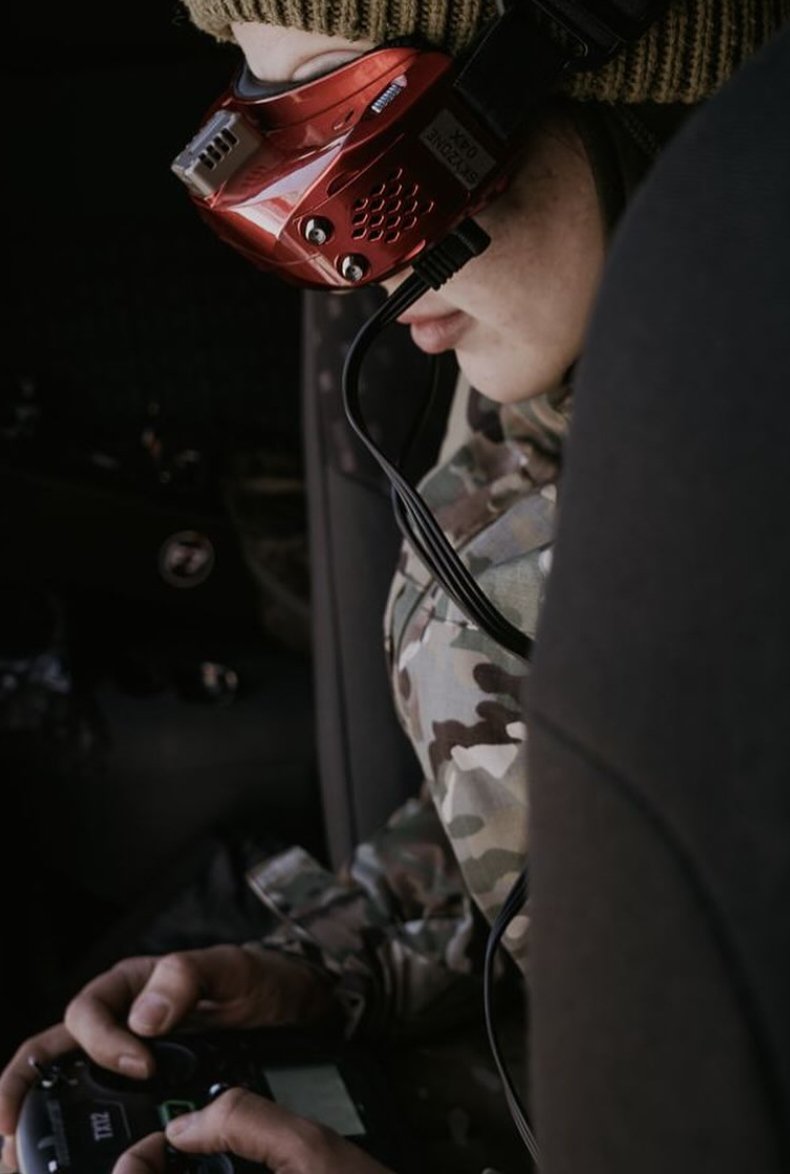
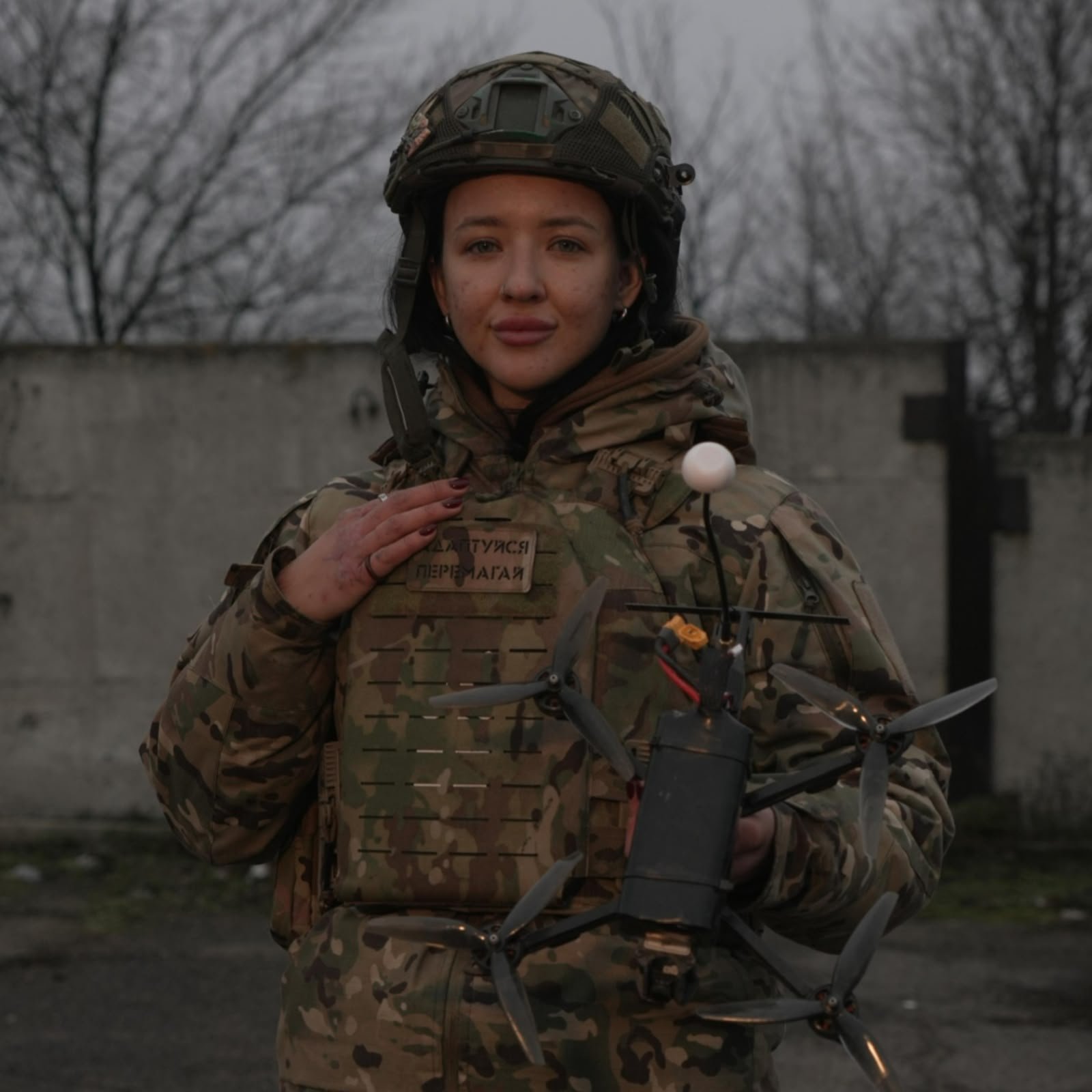
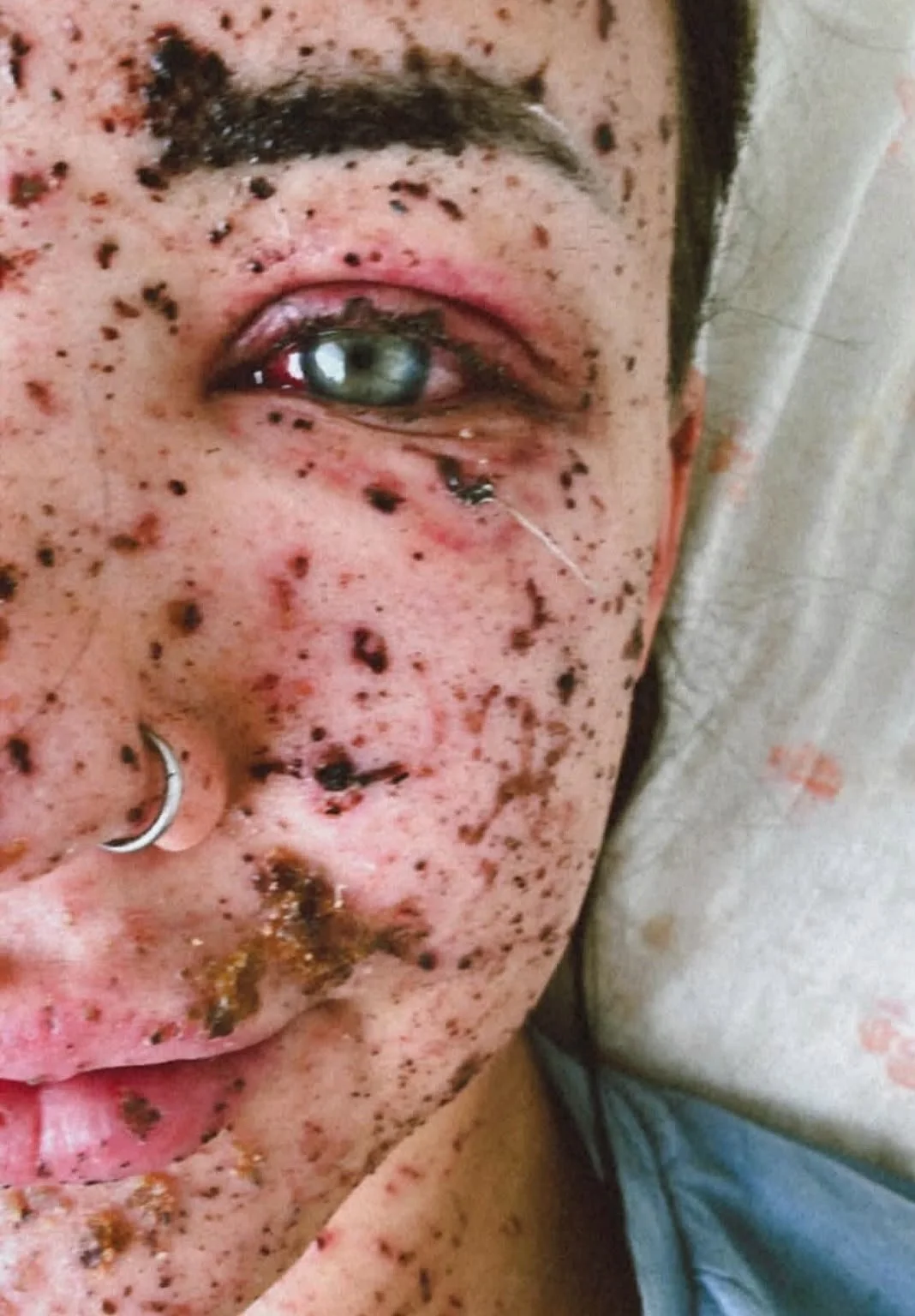
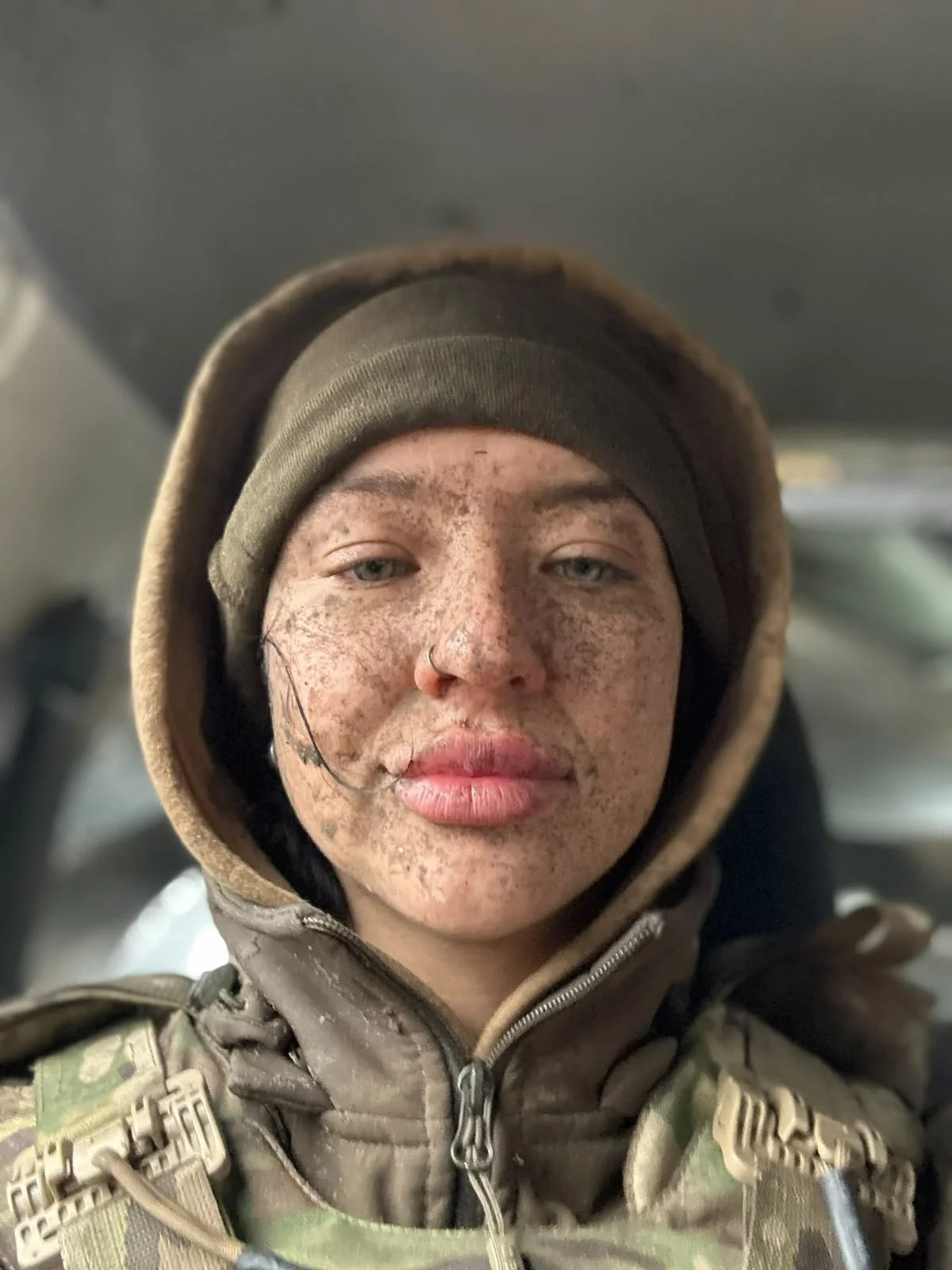
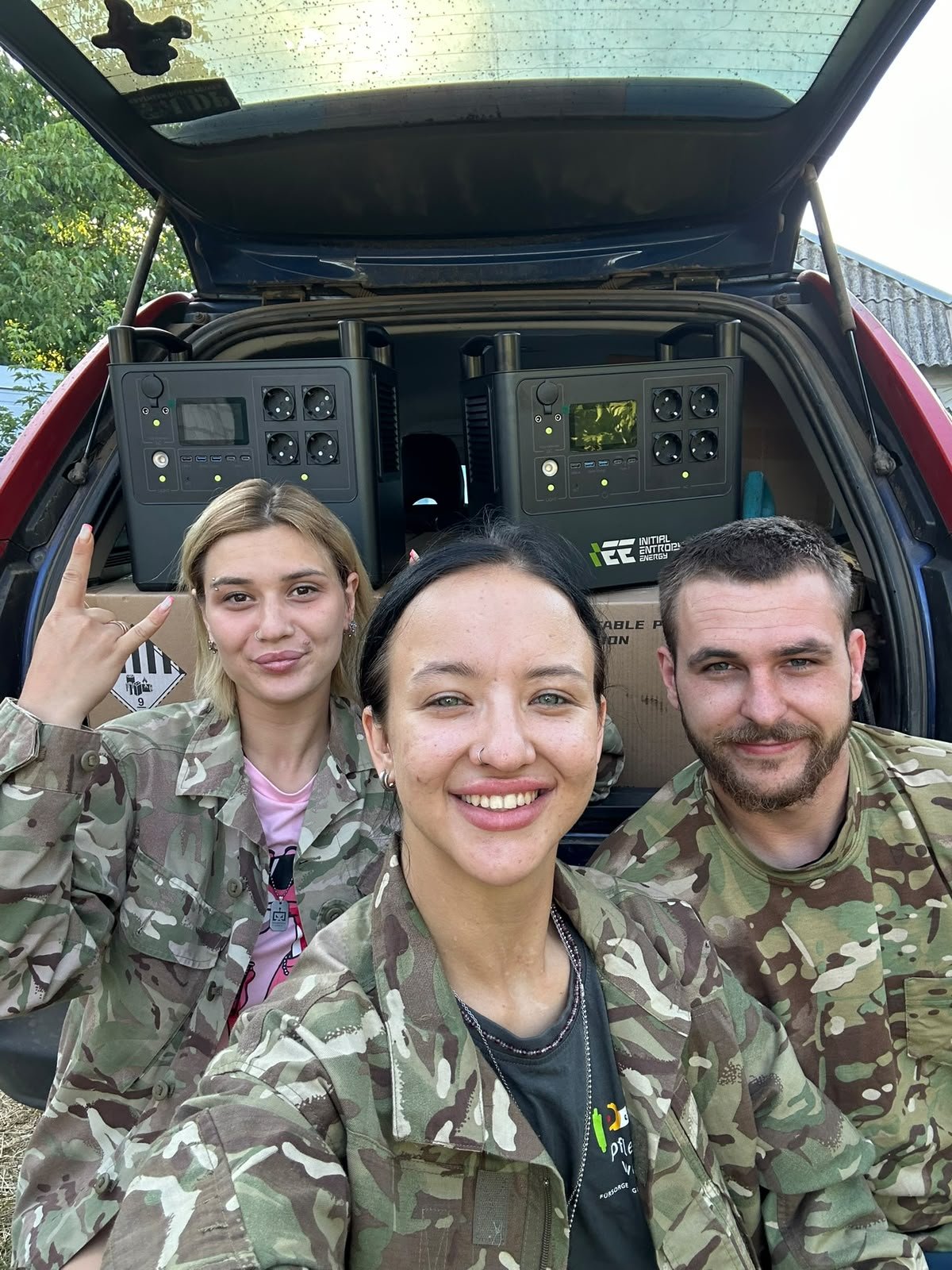
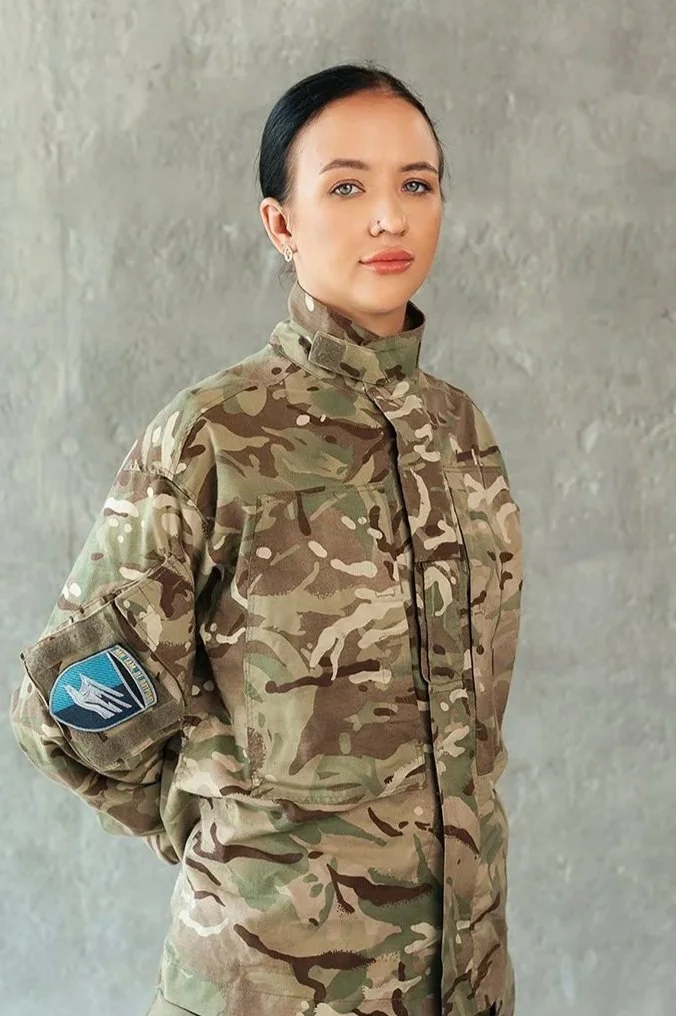
image source: She Stands and @multiiikk
Daria Demchuk, call sign “Jackie”
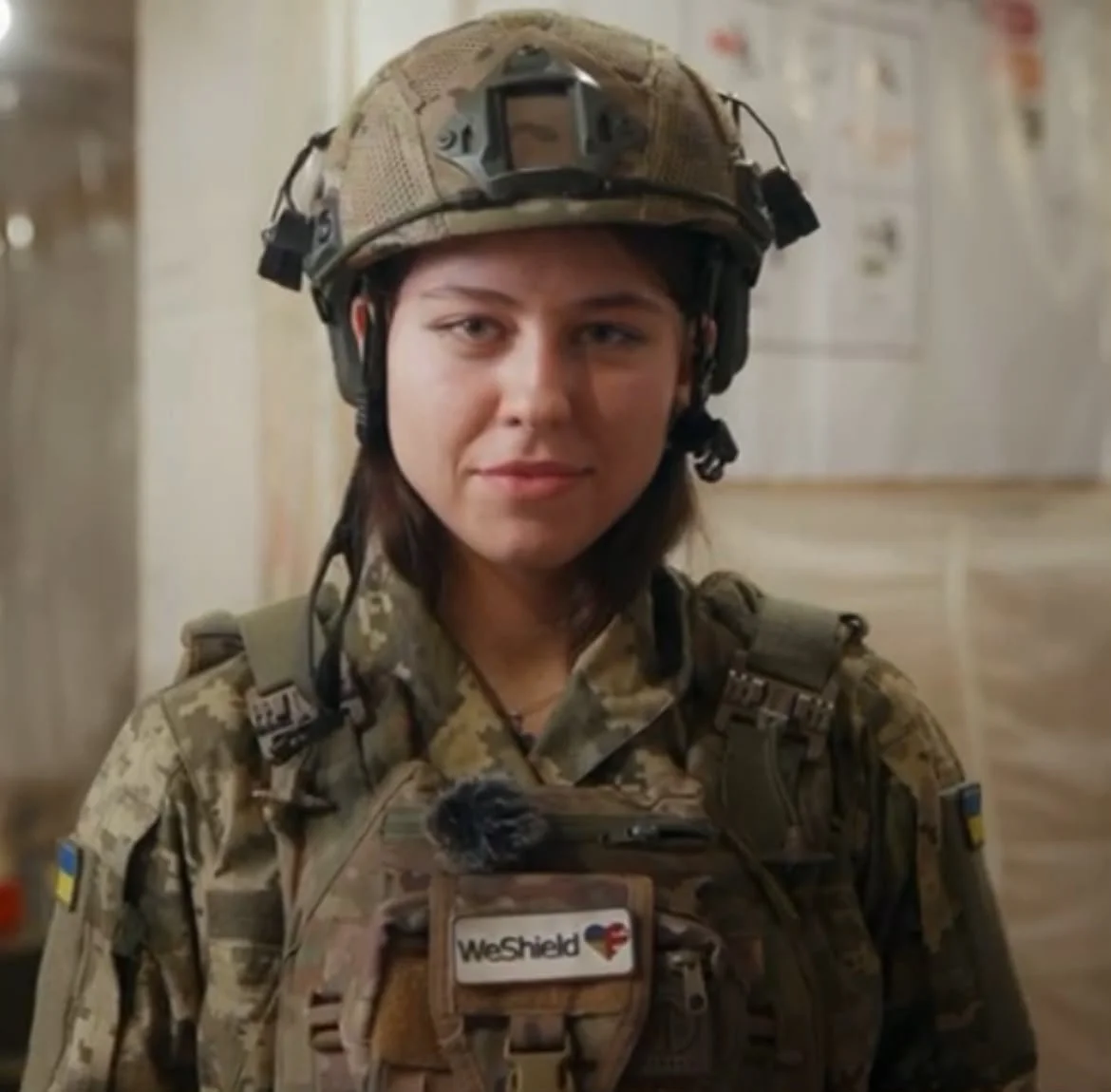
Daria Demchuk, call sign “Jackie,” is a junior sergeant in the 80th Separate Air Assault Brigade, a combat medic.
She treated wounded soldiers under fire, evacuated them from dangerous areas of the front, and accompanied them to hospitals. She also taught fellow soldiers tactical medicine, equipping them with skills that can determine survival in the first minutes after an injury.
Daria continued serving in combat until her eighth month of pregnancy. Her son is now two months old, and she has continued her military service since his birth. Her story follows the experience of a combat medic who became a mother during the war and remains in the military.
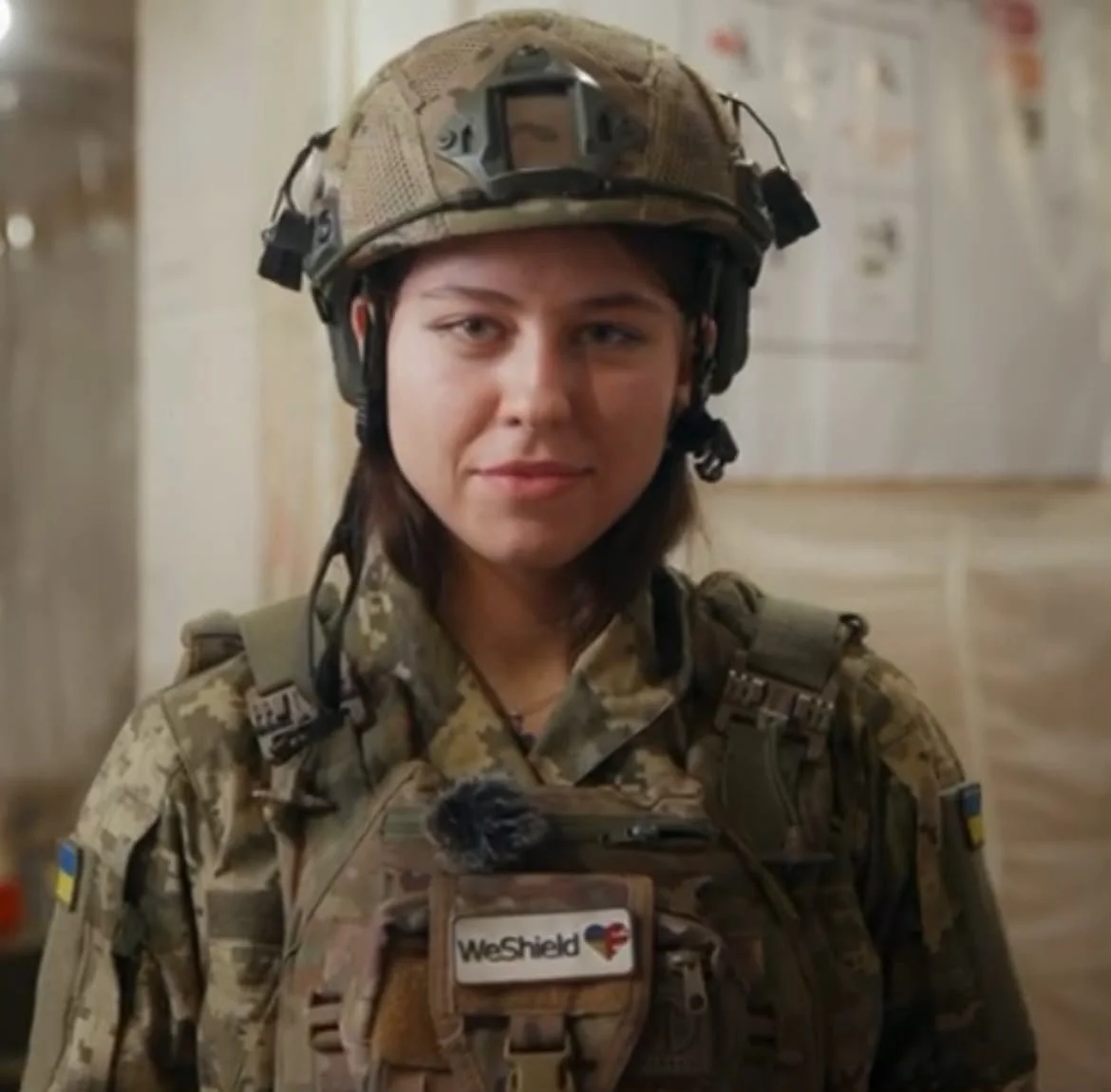
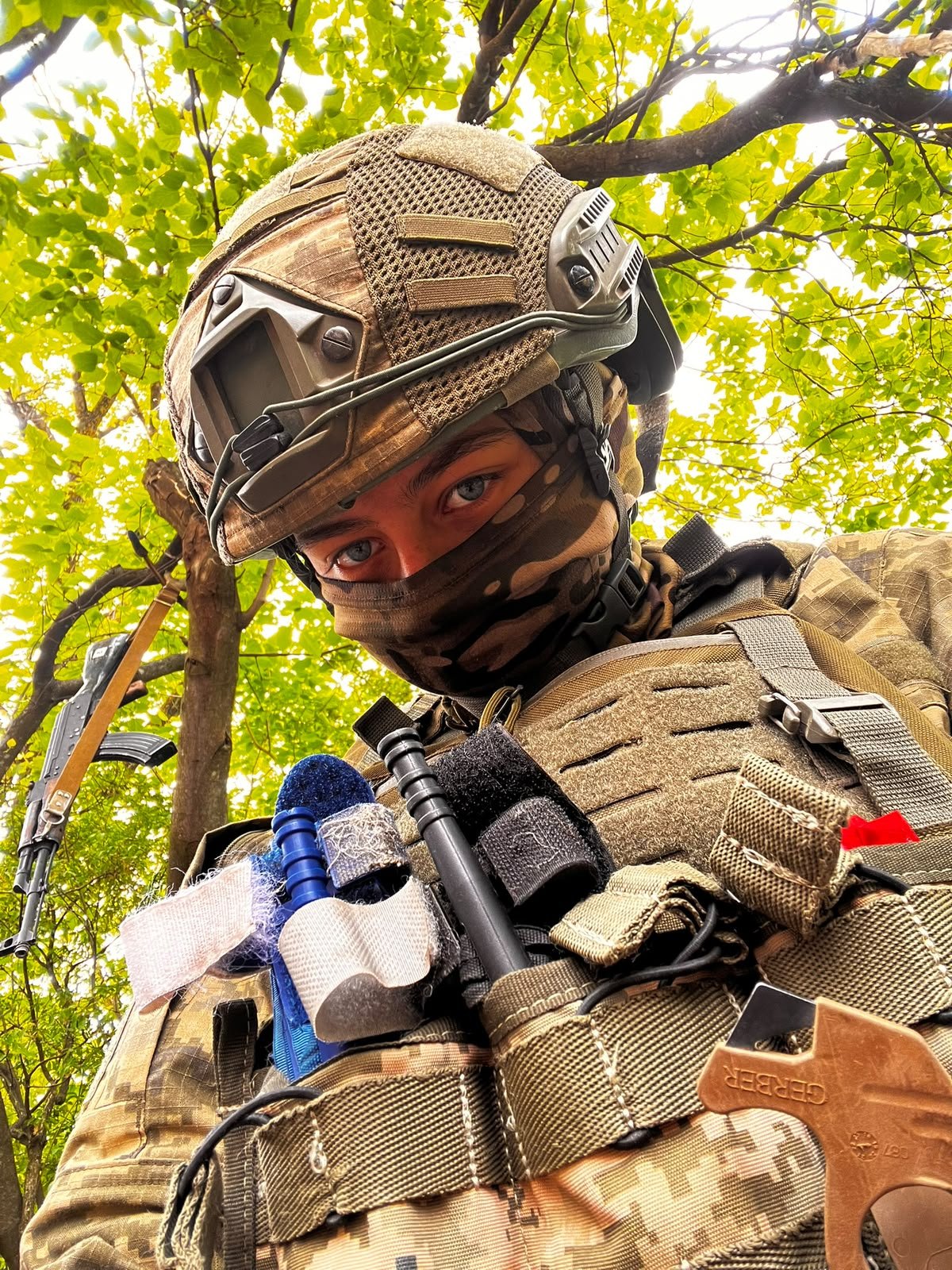
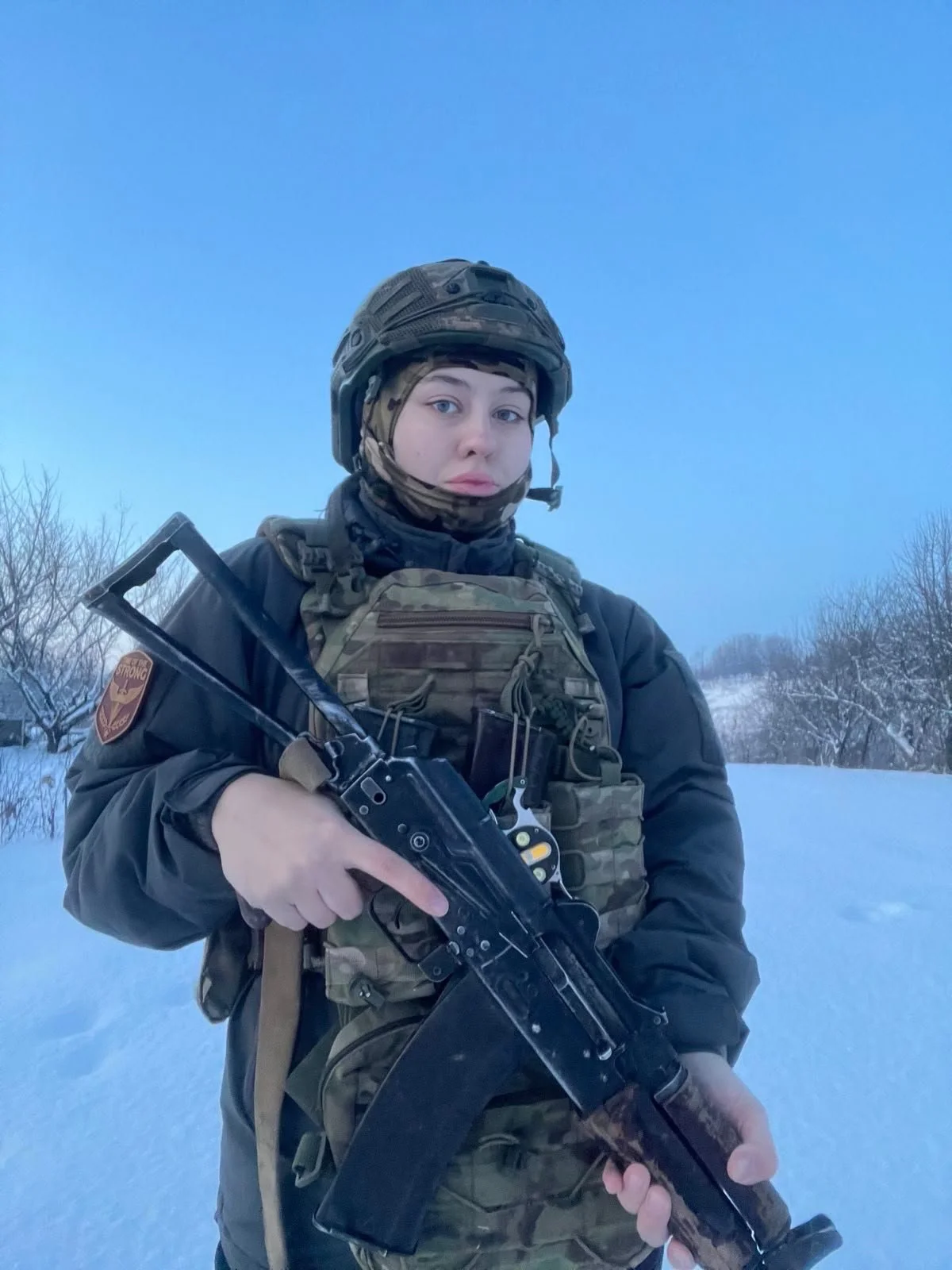
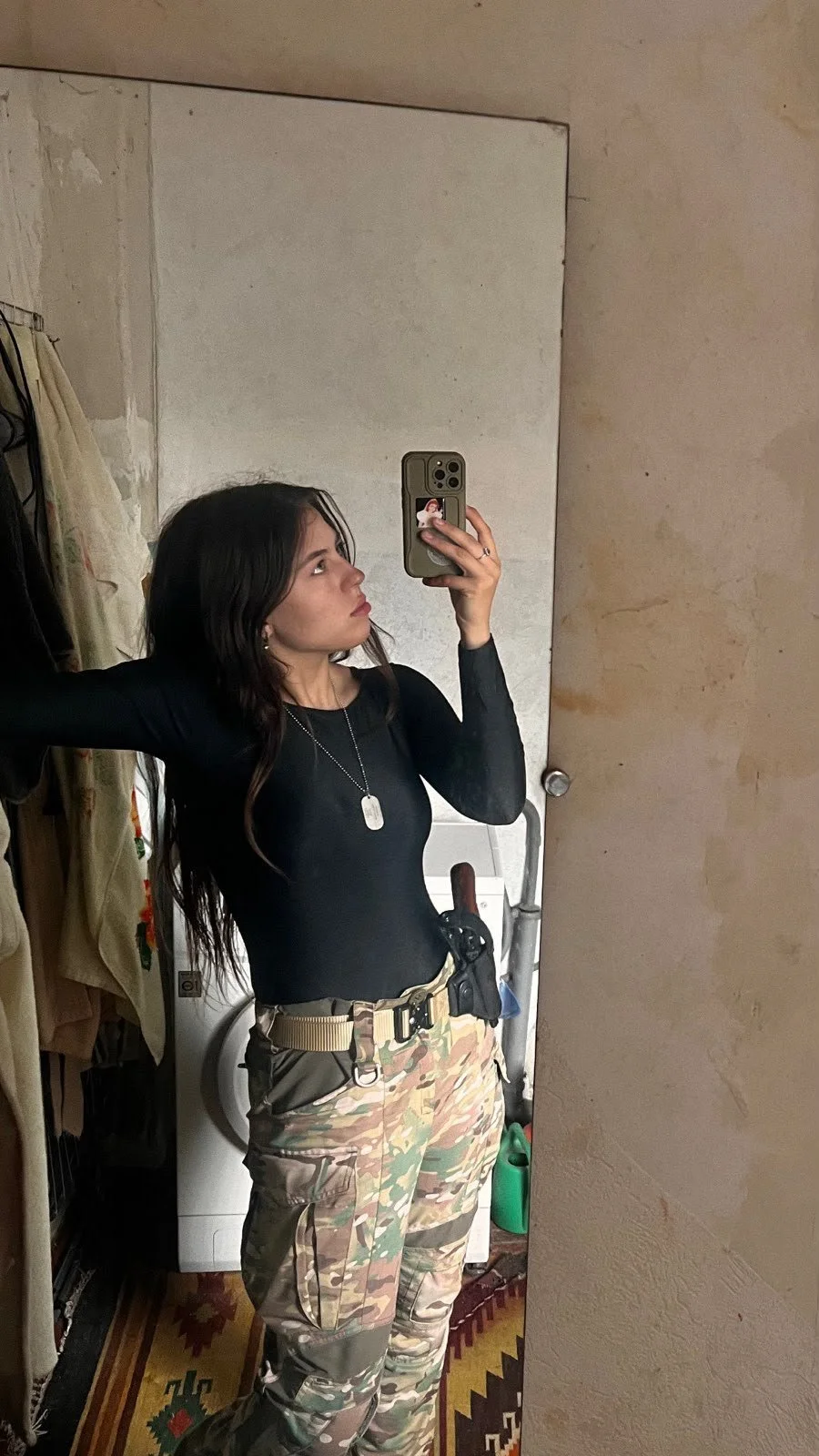
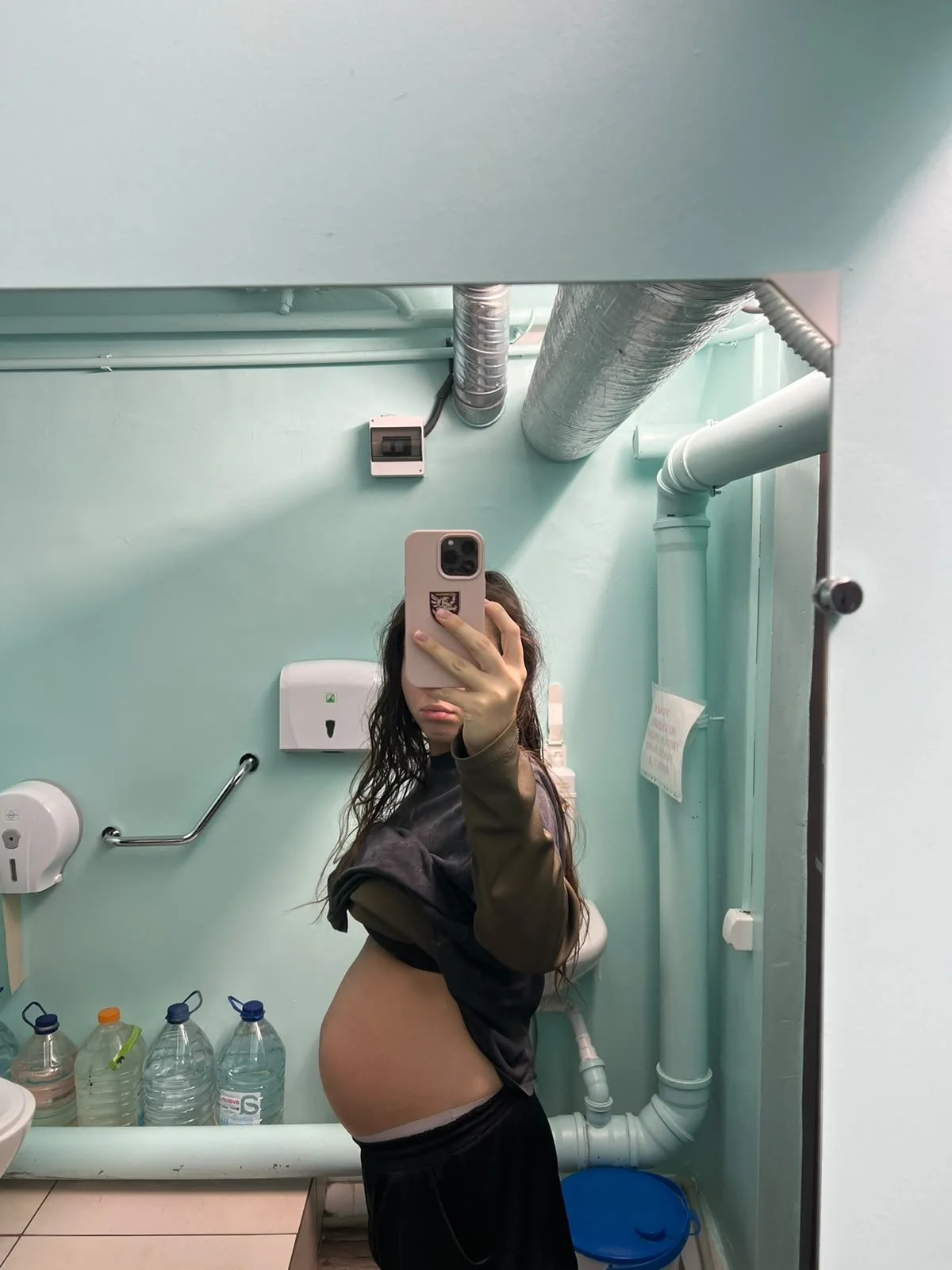
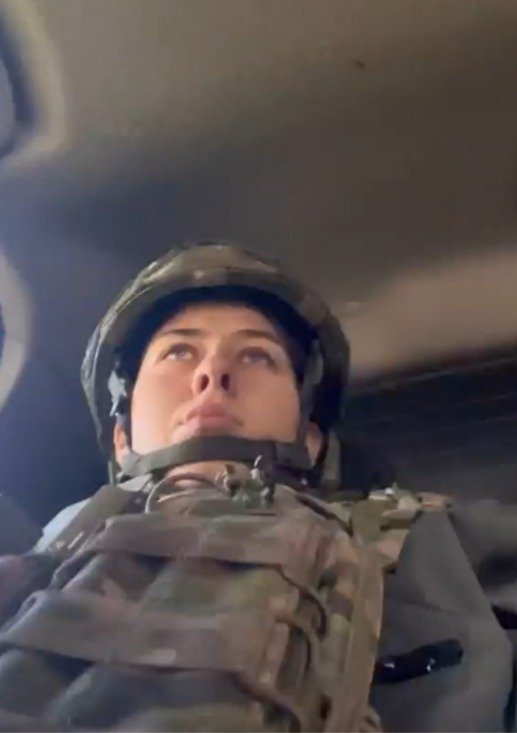
image source: She Stands
Tetiana Husieva, call sign “Vovchytsia” (“She-Wolf”)
Tetiana Husieva, call sign “Vovchytsia,” is a mother and a servicewoman in the First Presidential Brigade “Burevii” of Ukraine’s National Guard, part of the 1st Azov Corps. She served in the engineering service before becoming an officer in the brigade’s recruitment team.
For Tetiana, the war began with the occupation of Crimea. From 2014, she supported the military as a volunteer and organized rehabilitation projects involving travel and outdoor activities. She loved mountains, travelling, and off-road driving. Her driving experience also proved useful during the war: she carried out dangerous deliveries near the front line.
Her husband volunteered to defend Ukraine on February 26, 2022. He supported her and taught her military skills. He was wounded during his service and is now a veteran. Tetiana continues to serve. While raising children, her family has experienced military service, injury, and the transition to life as a veteran.
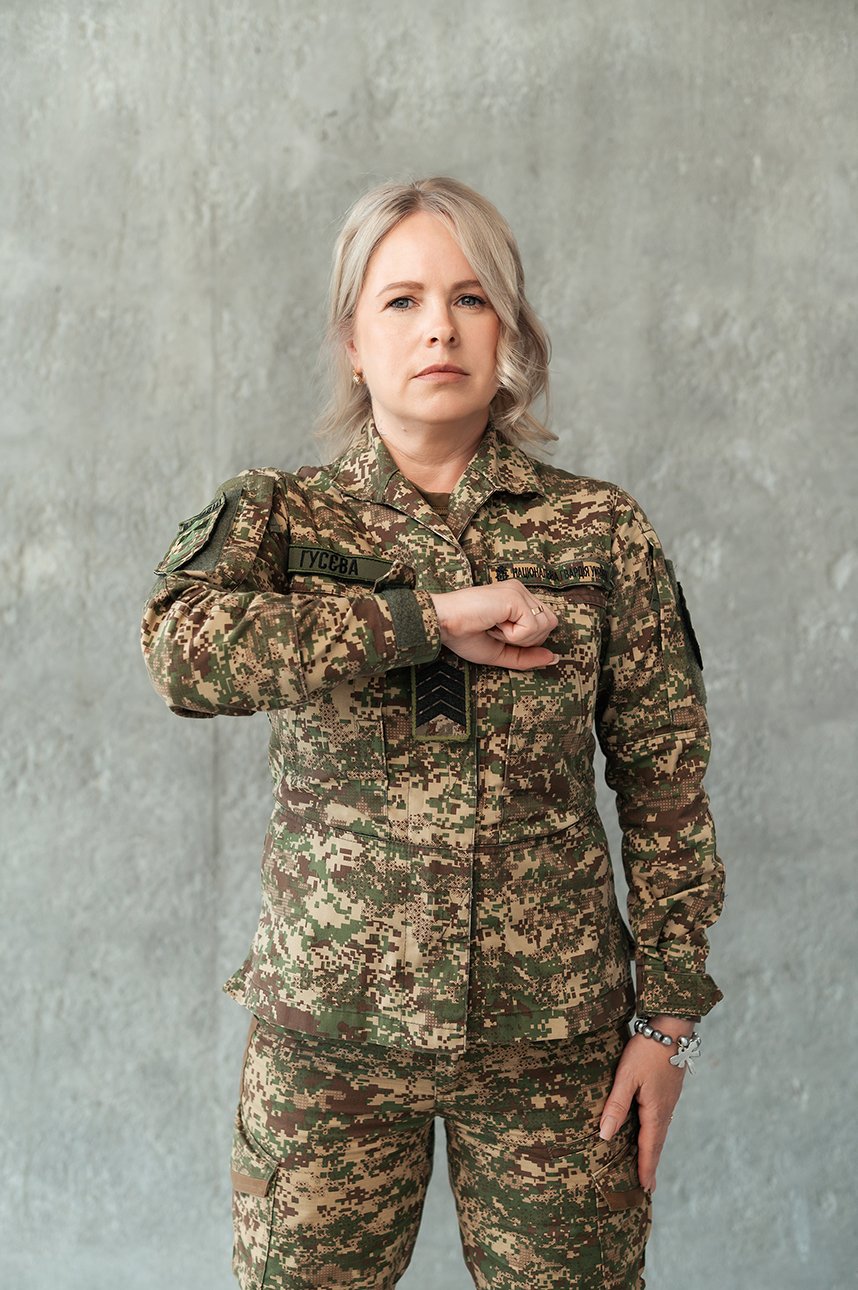
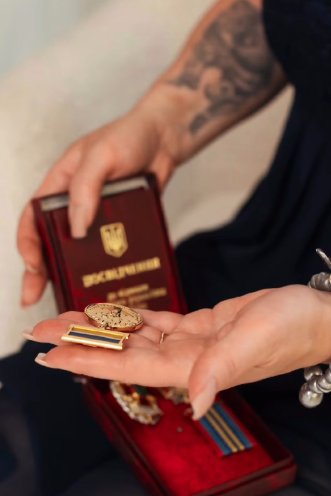
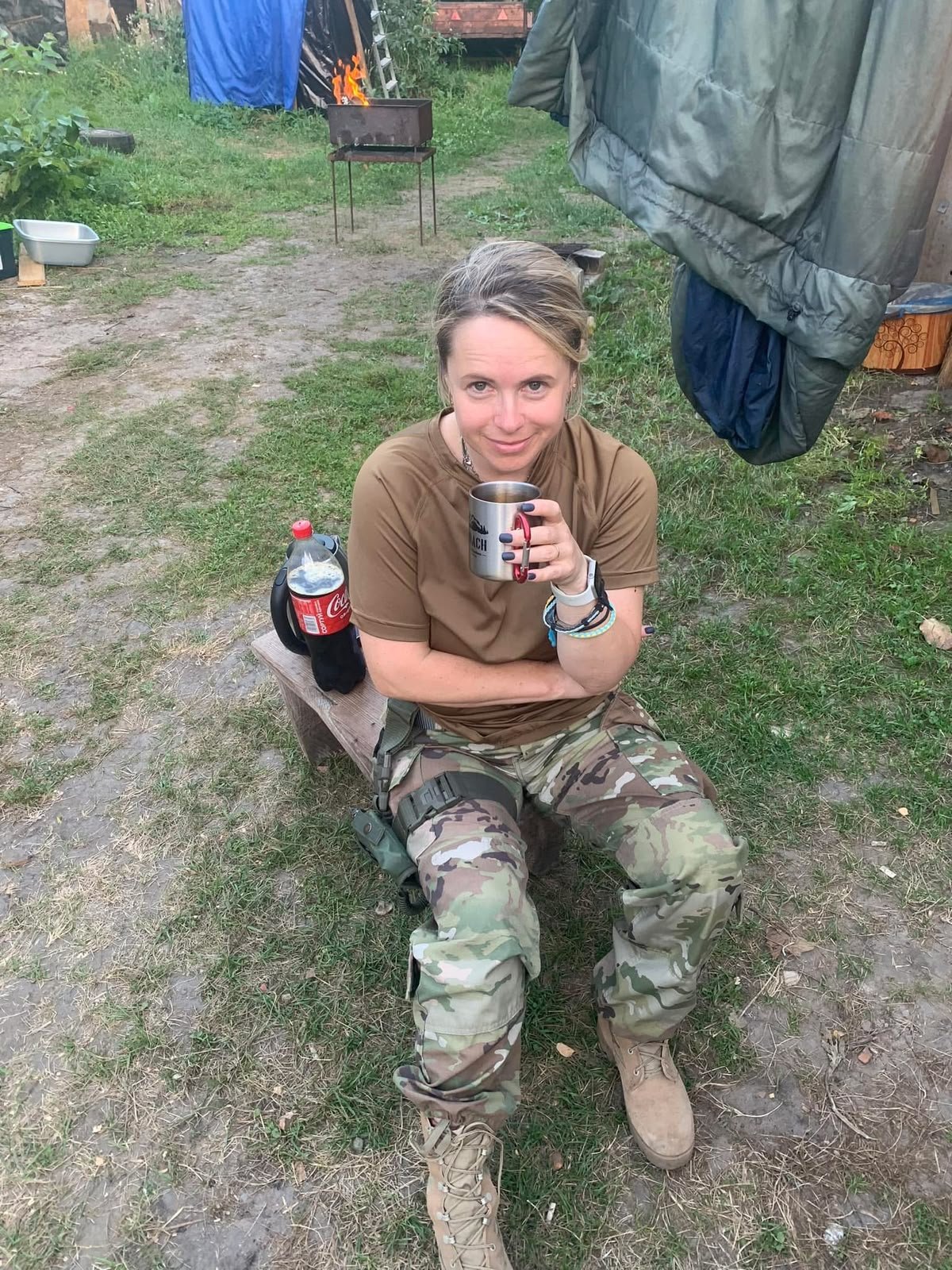
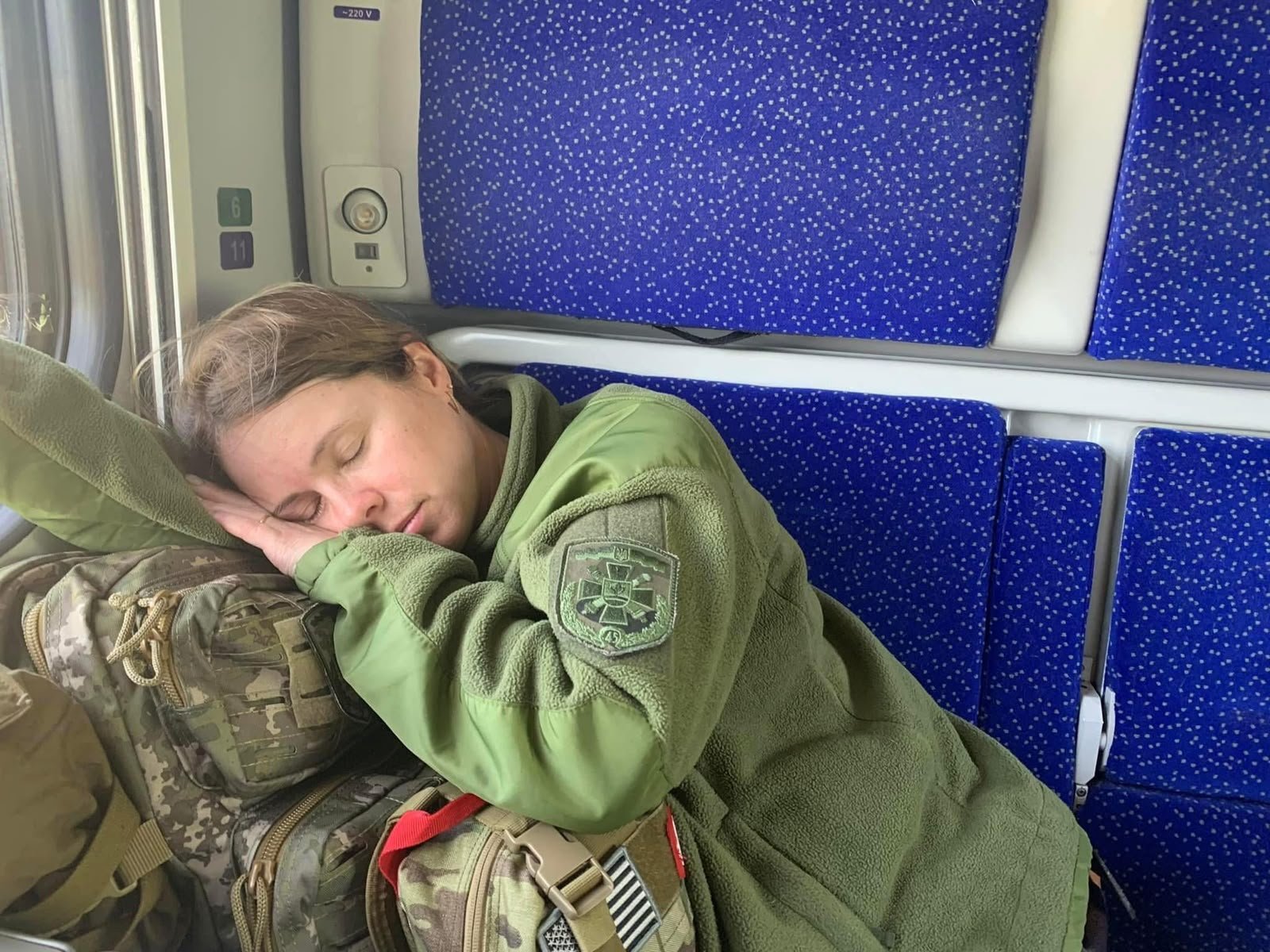
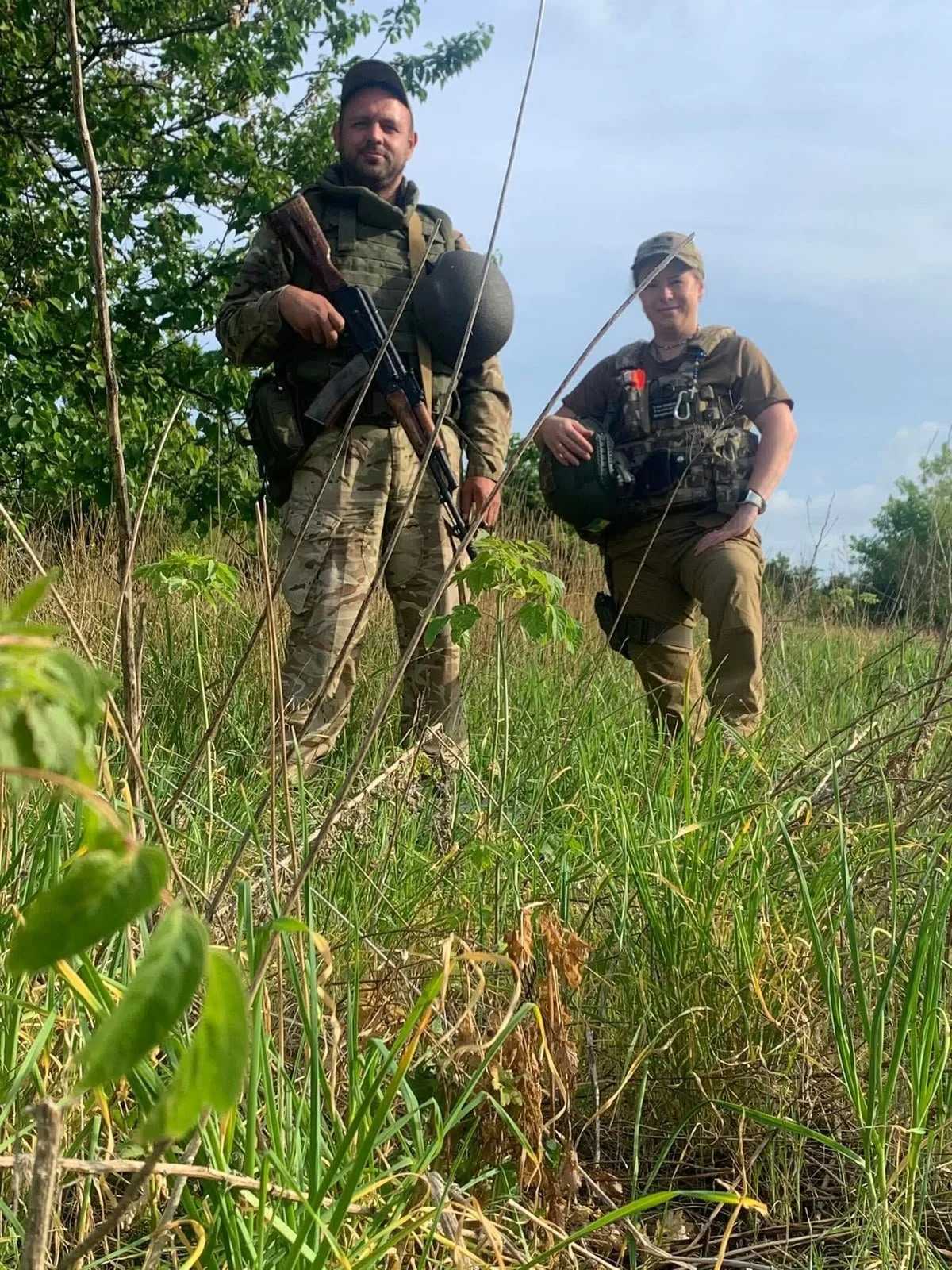
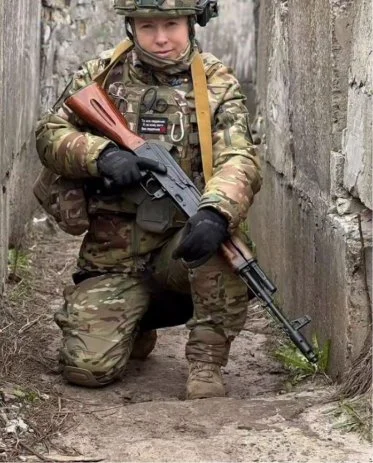
image sources: She Stands and @volkovaguseva
Zoia Zakharova, “Zoits”
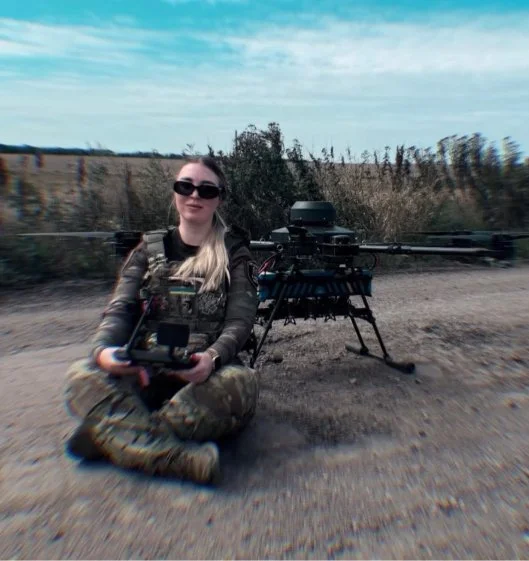
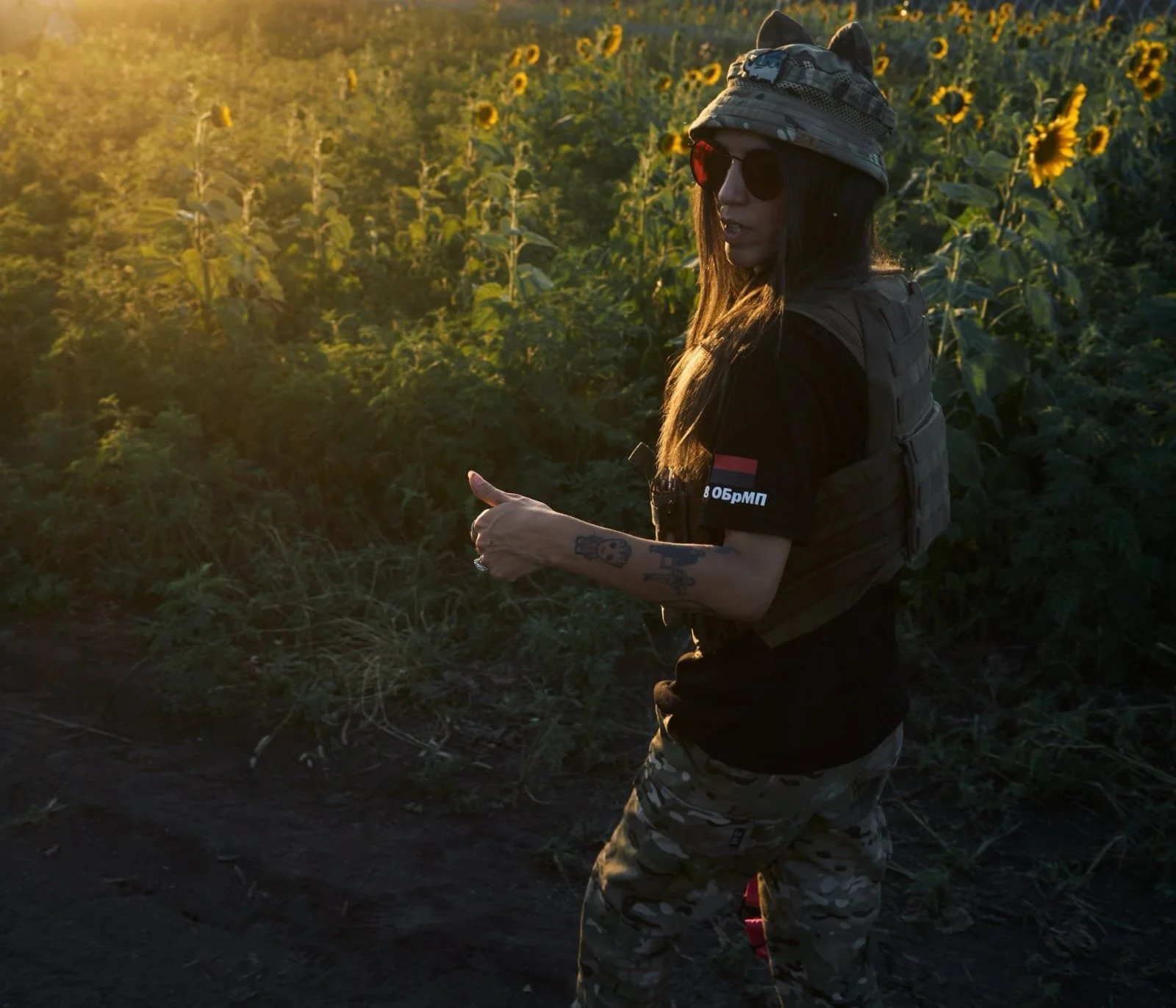
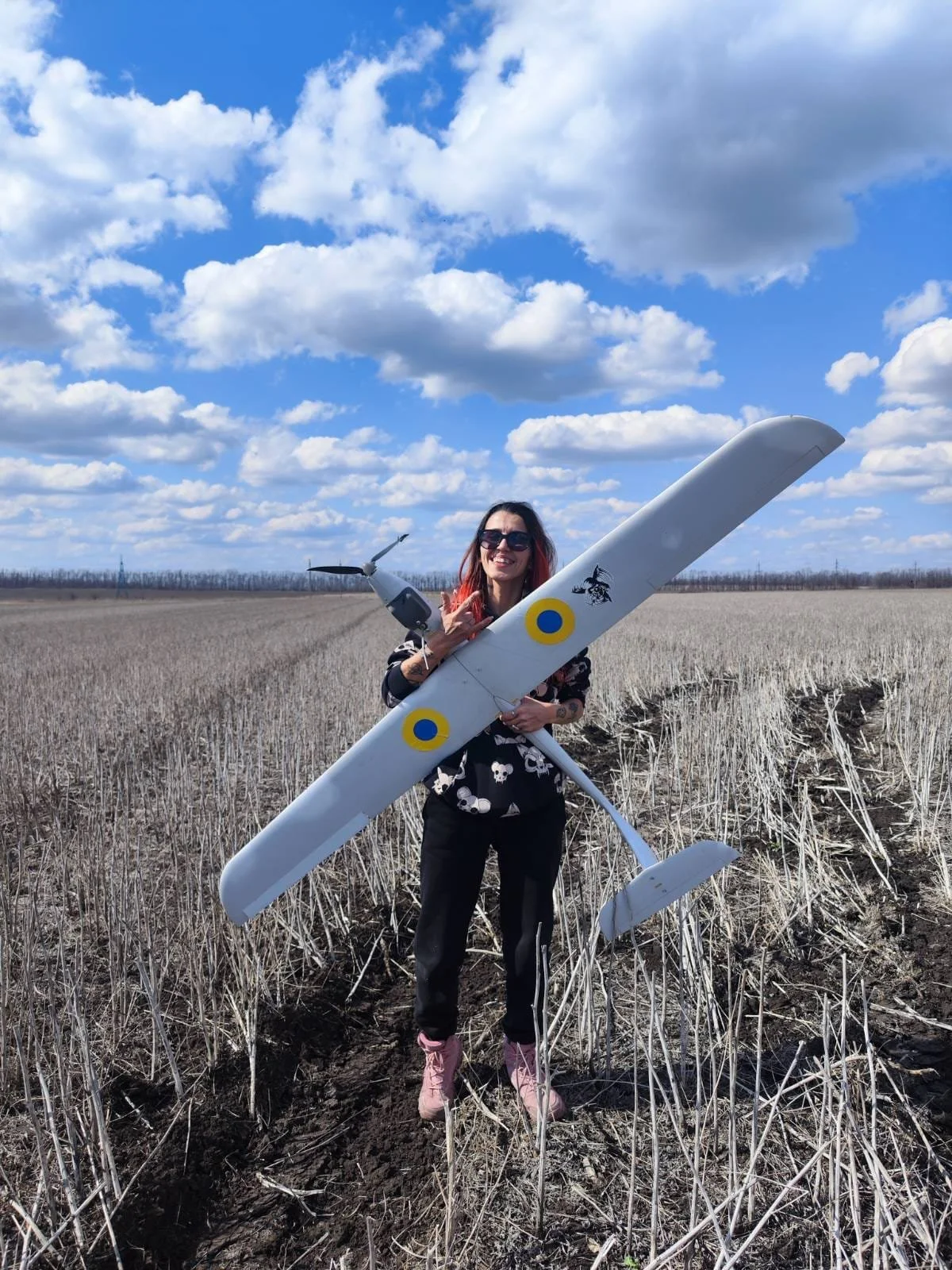
Zoia Zakharova, call sign “Zoits,” is a sergeant, a heavy bomber drone operator, and a squad leader in the “Korsar” Battalion of the 38th Separate Marine Brigade. She is one of the women featured in She Stands.
Zoia personally pilots attack drones and organizes her squad’s work. Her service combines combat missions with a commander’s responsibility for her people and their training. The project’s coverage includes a memorable scene in which she trains soldiers while holding a pink bat.
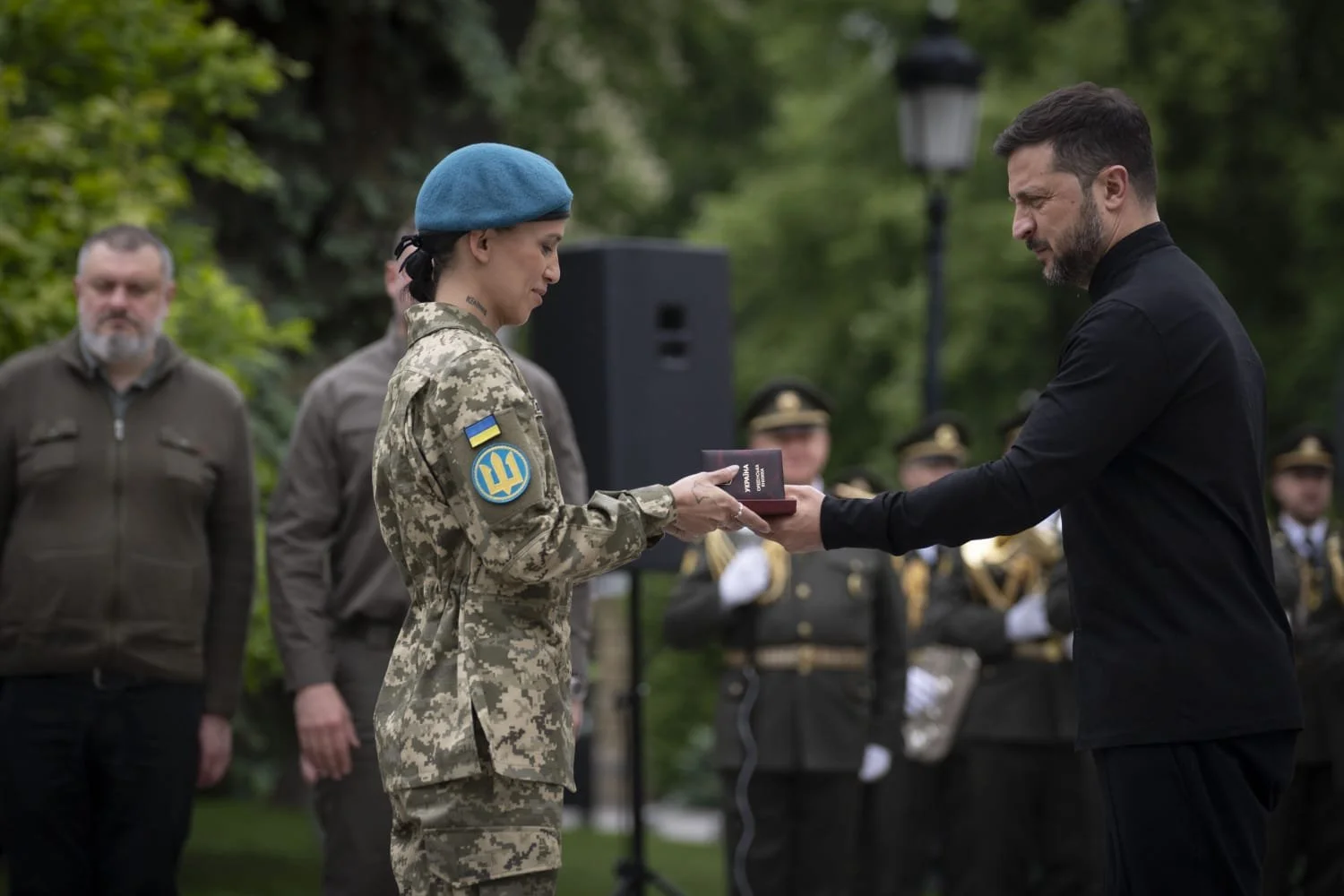
The President of Ukraine personally presented Zoia with an award. Her story illustrates women’s role in modern technological warfare: they master unmanned strike systems, train soldiers, and command units.
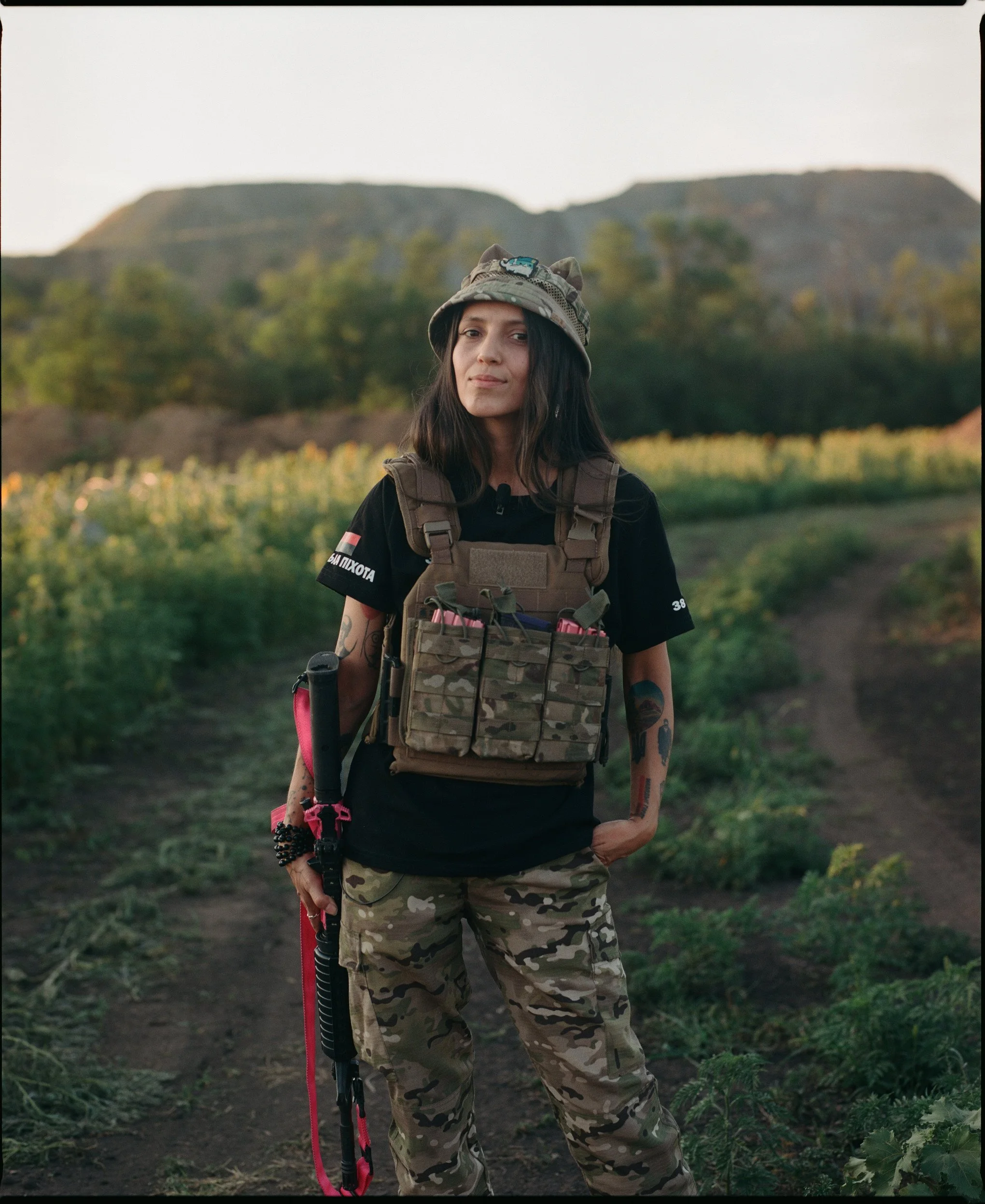
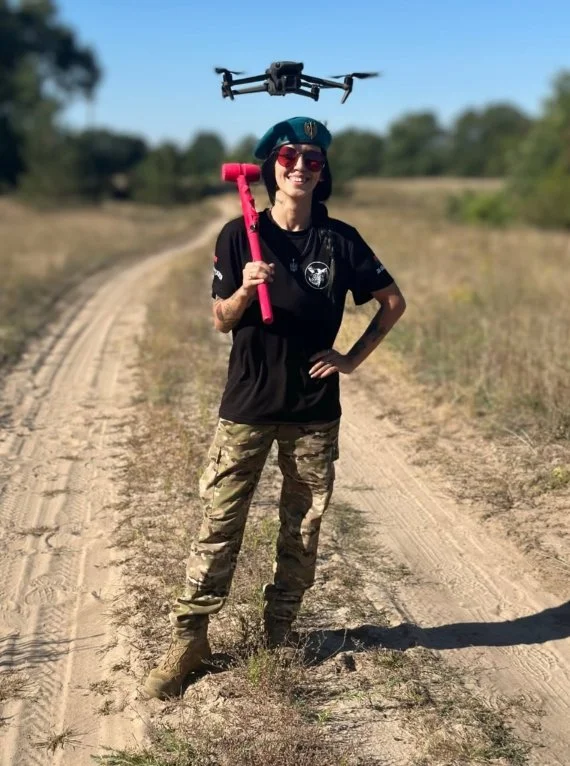
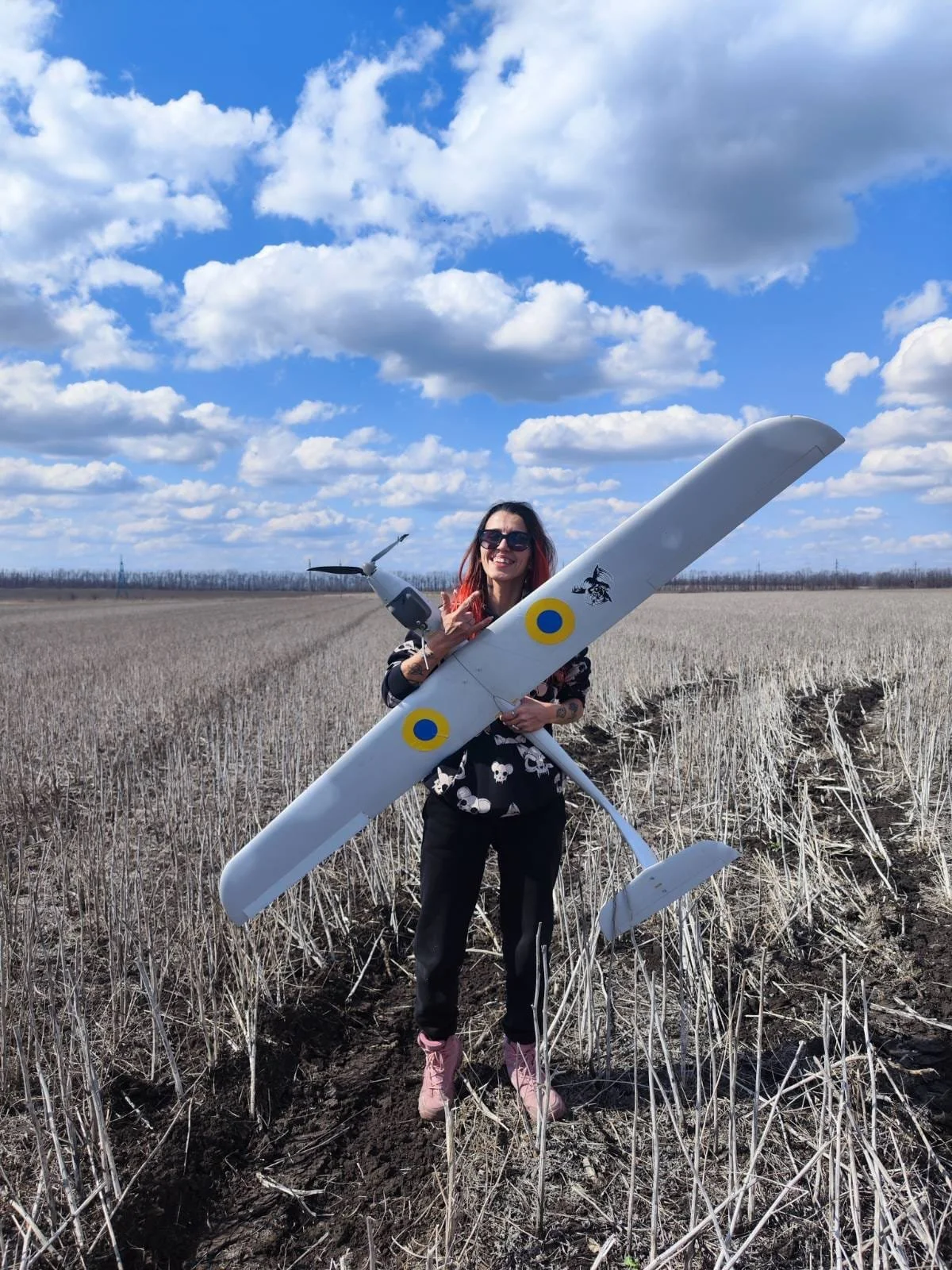
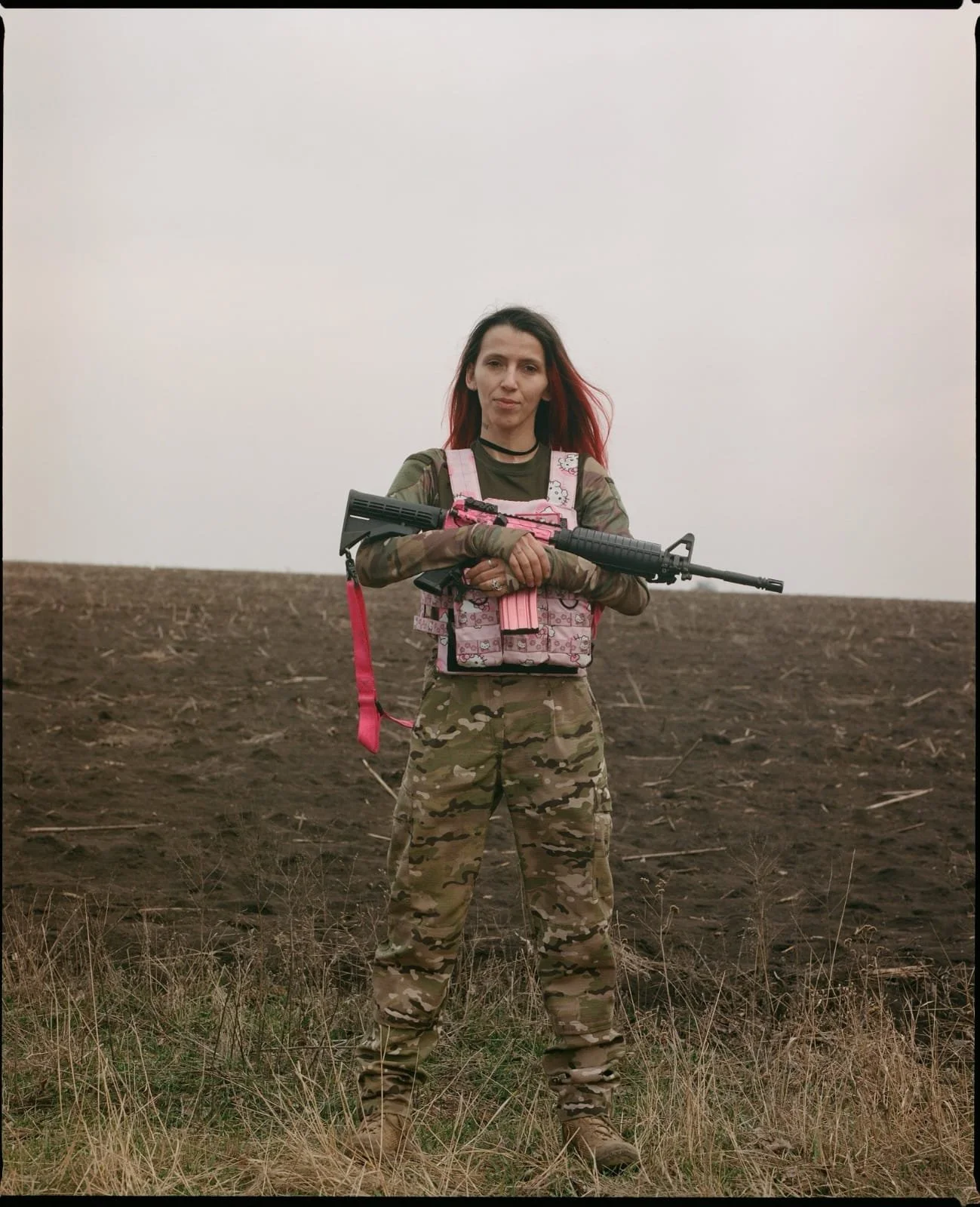
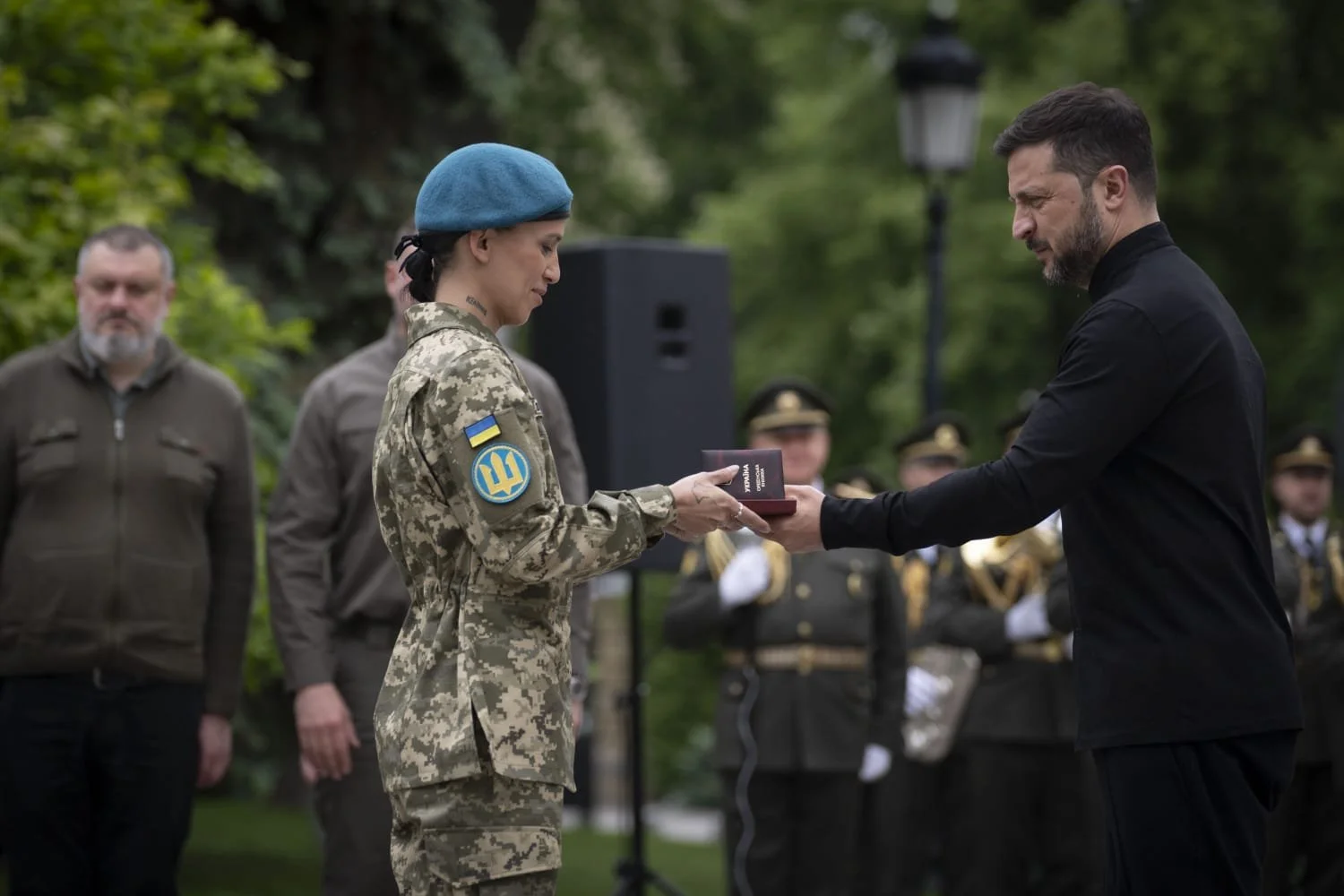
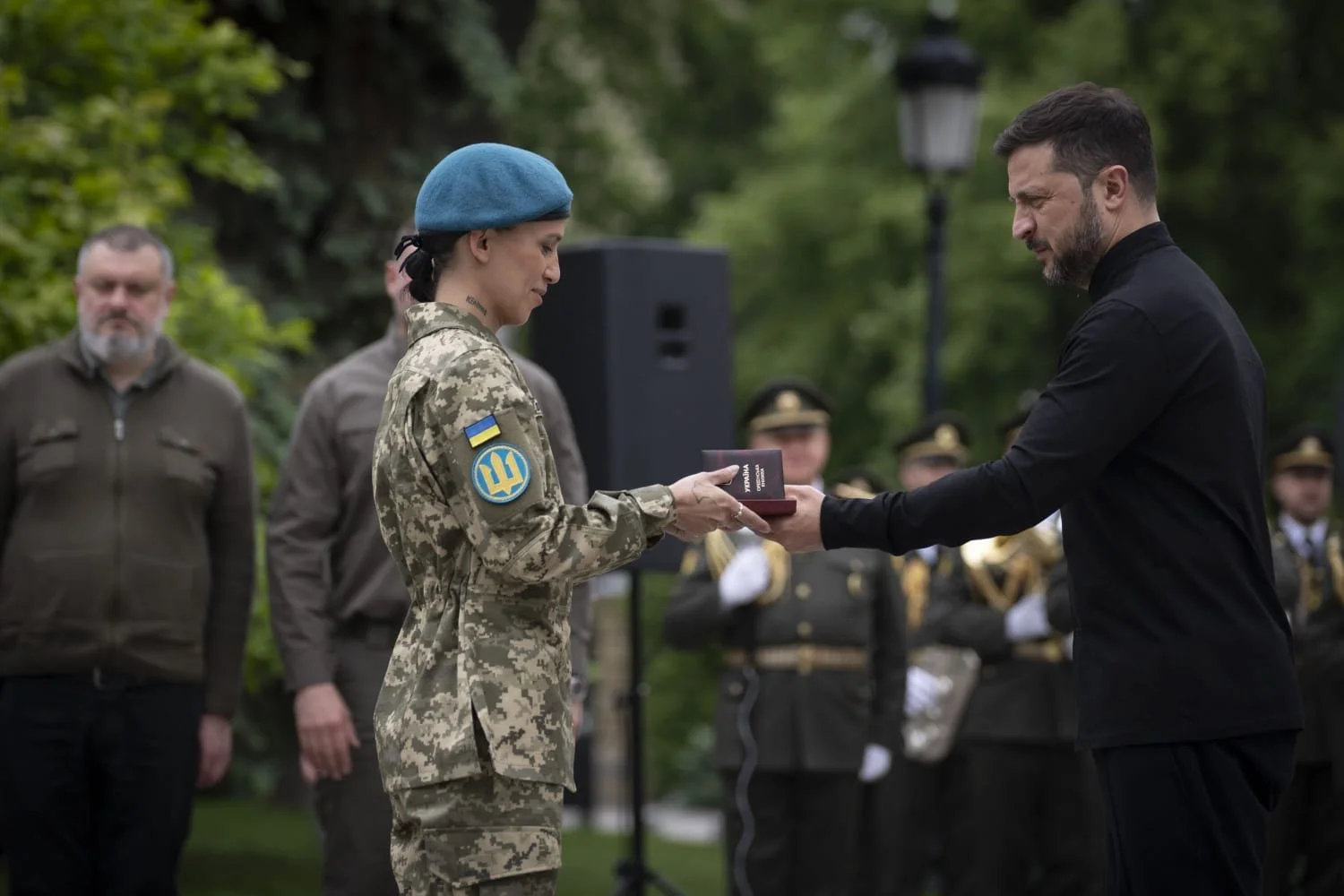
image sources: She Stands and @_avolare_
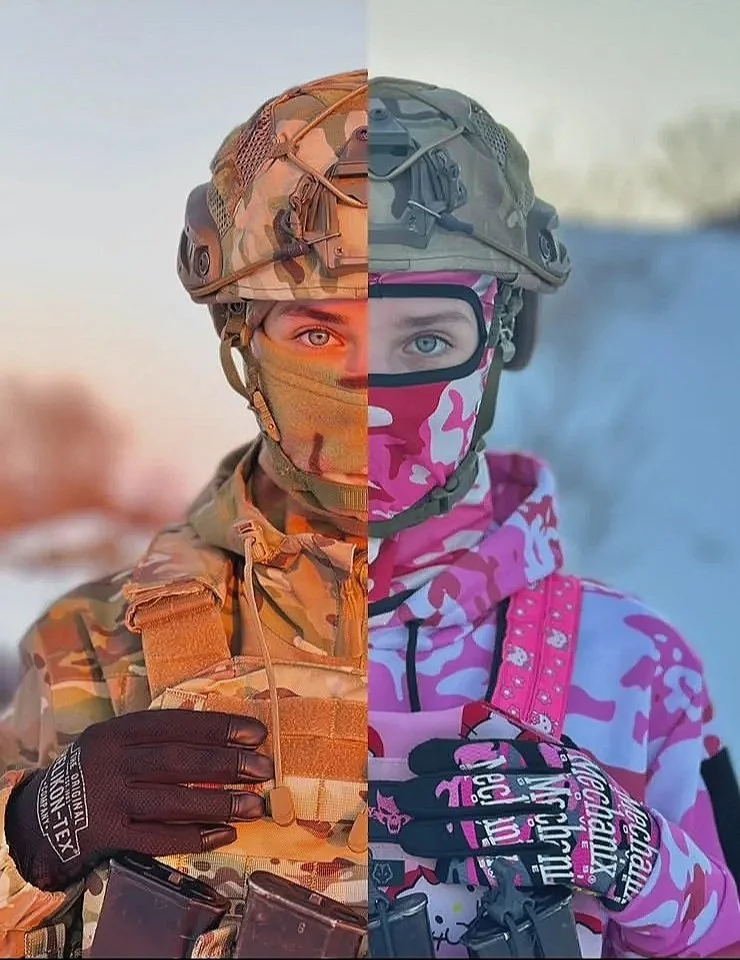
Nataliia Korzhova, call sign “Barbie”
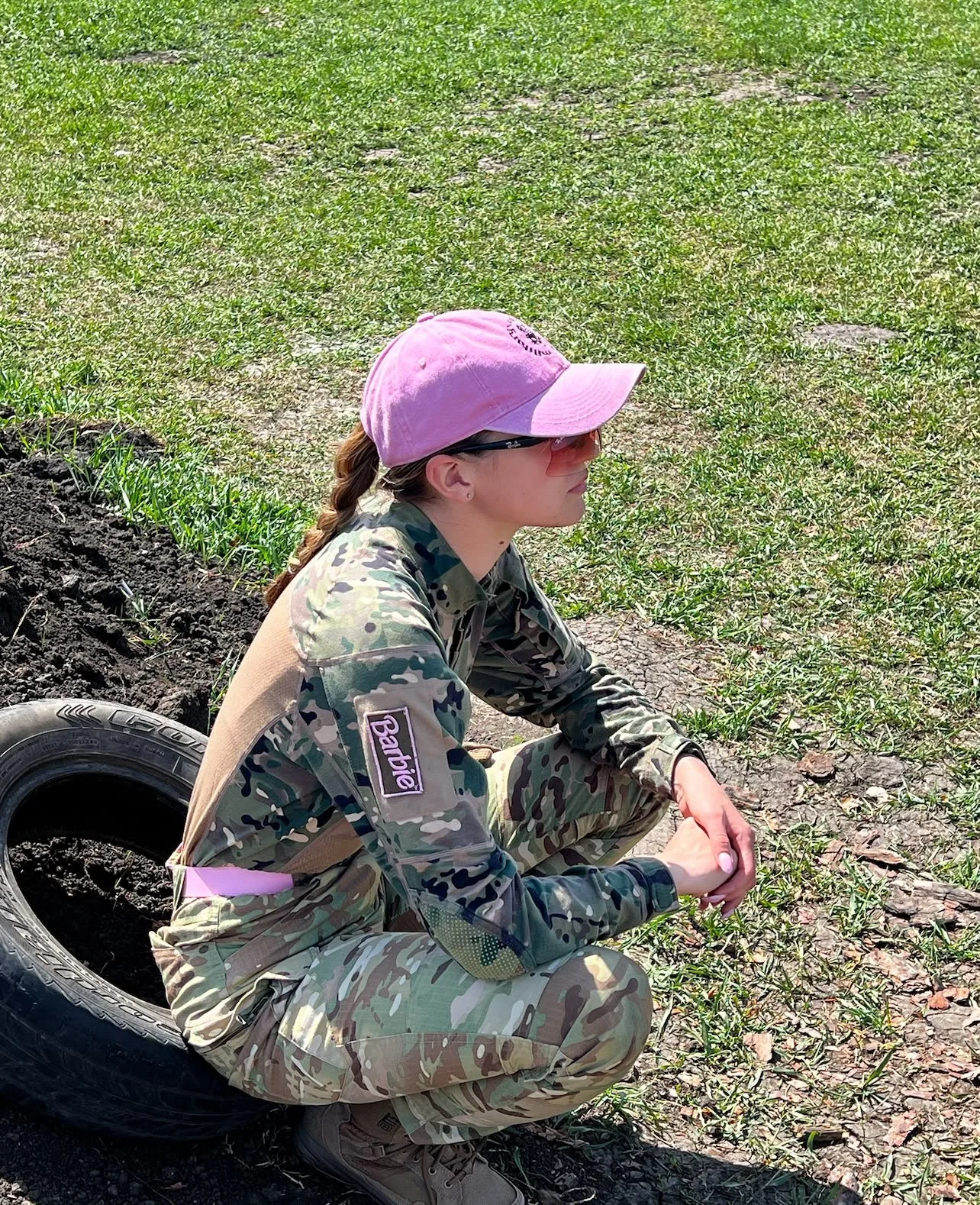
Nataliia Korzhova, call sign “Barbie,” is a sergeant in the 100th Separate Mechanized Brigade. In 2022, she volunteered for military service at 18, after attending a vocational school where she trained in dressmaking and embroidery.
During her service, Nataliia trained infantry soldiers in Toretsk before they deployed to their positions. In her interview with the project, she explained her decision to serve: “God gave me a sign. I realized I had to go to war.”
The war did not take away her dream of becoming a fashion designer. Nataliia launched her own brand and developed clothing lines for servicewomen, combining MultiCam camouflage with pink colours and accents. Her clothing is already gaining popularity in the military. She continues to serve while pursuing her dream, creating clothes for the women alongside whom she defends her country.
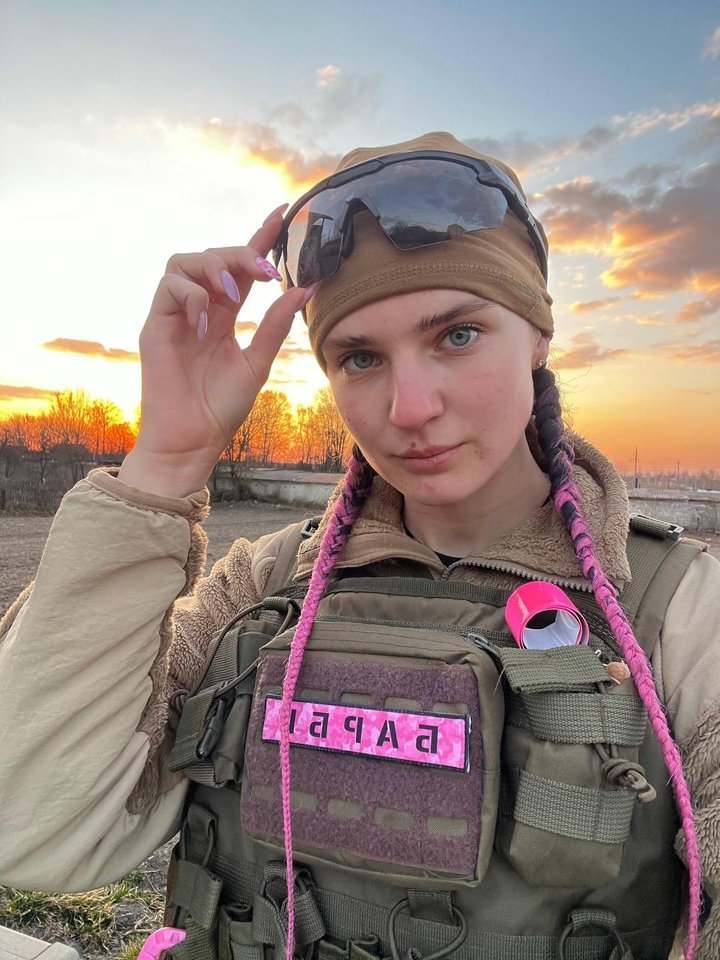
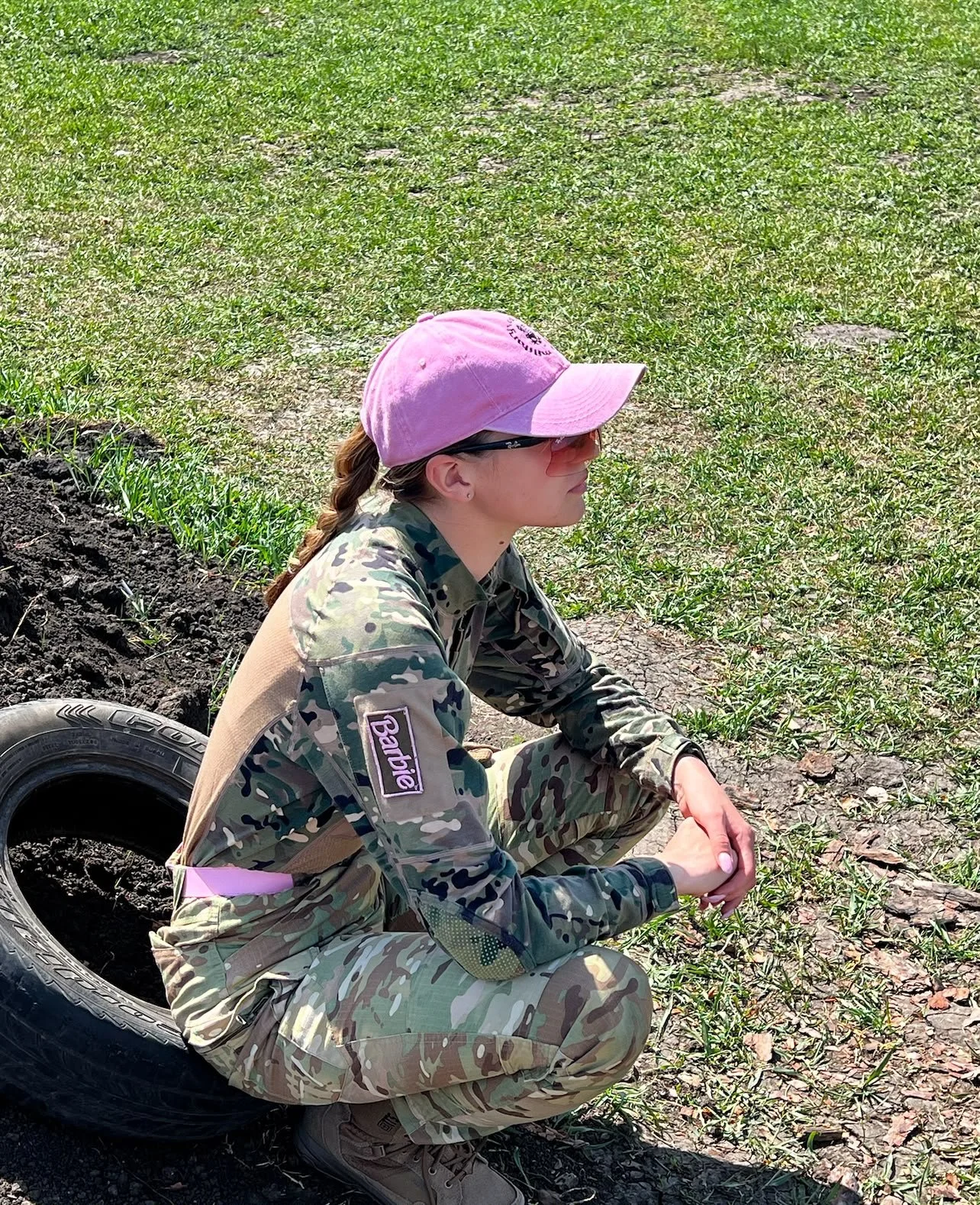
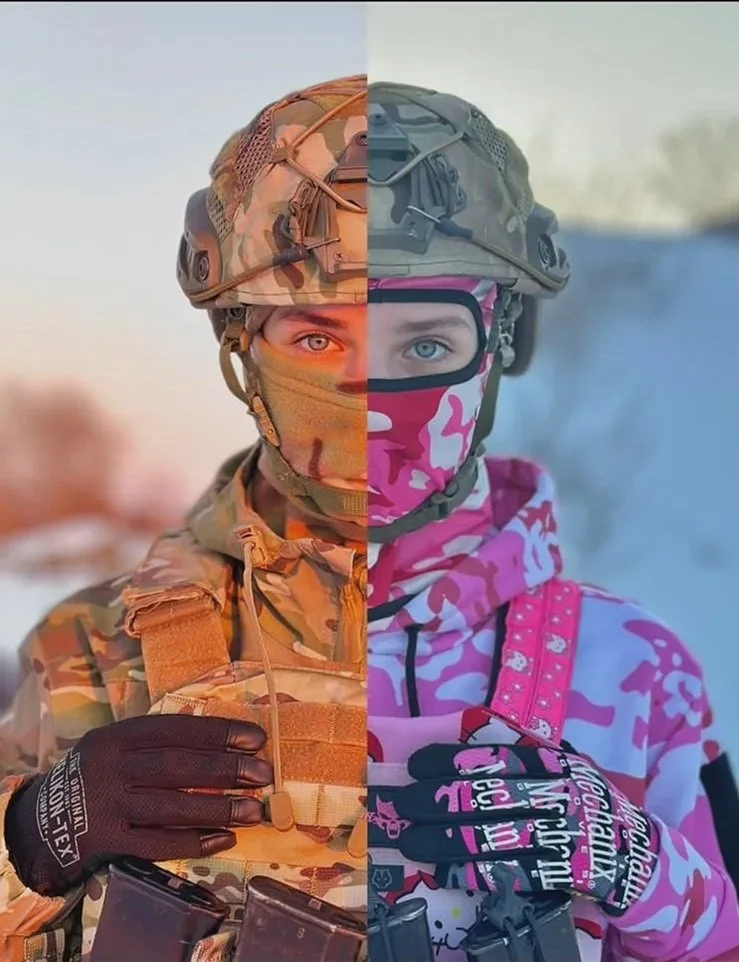
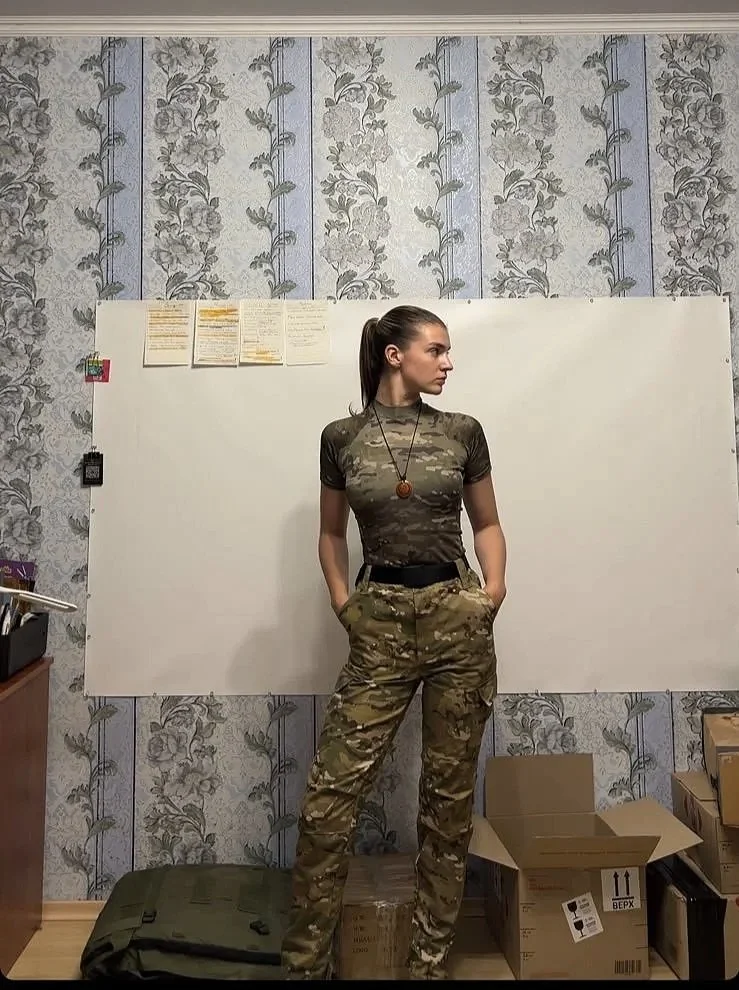
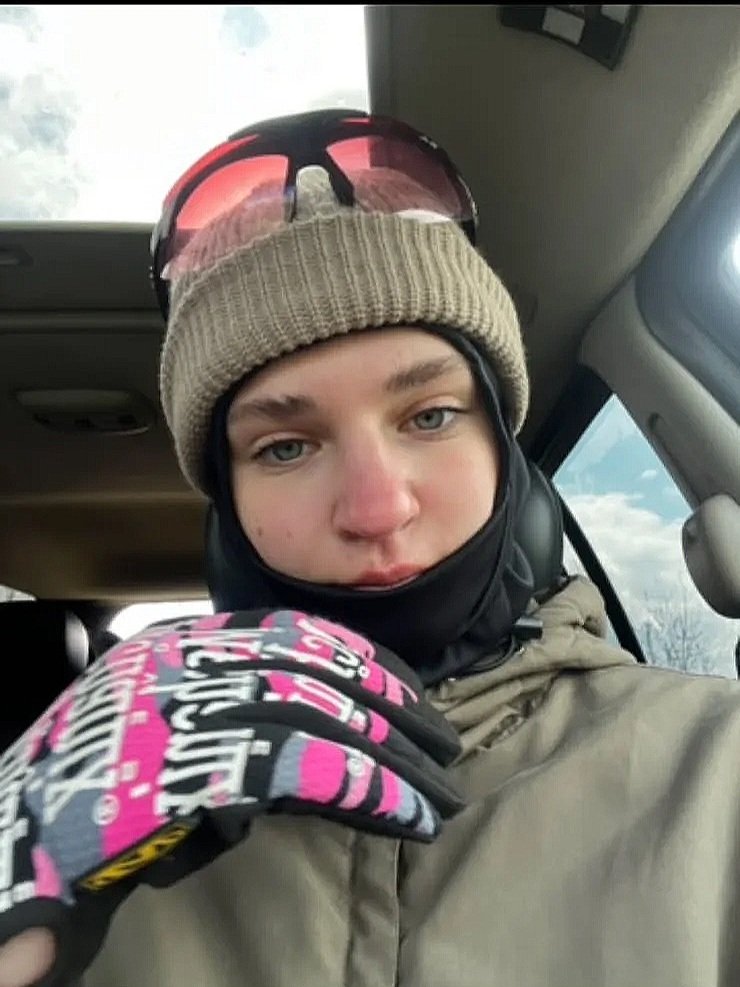
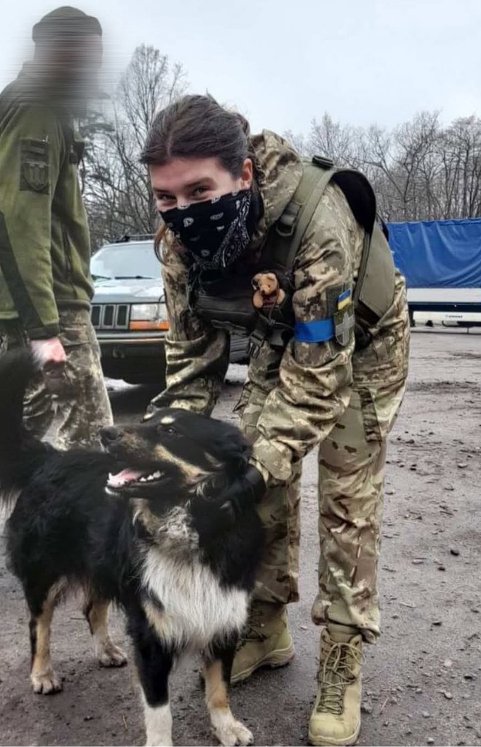
image sources: She Stands and @korzhovanataliia_
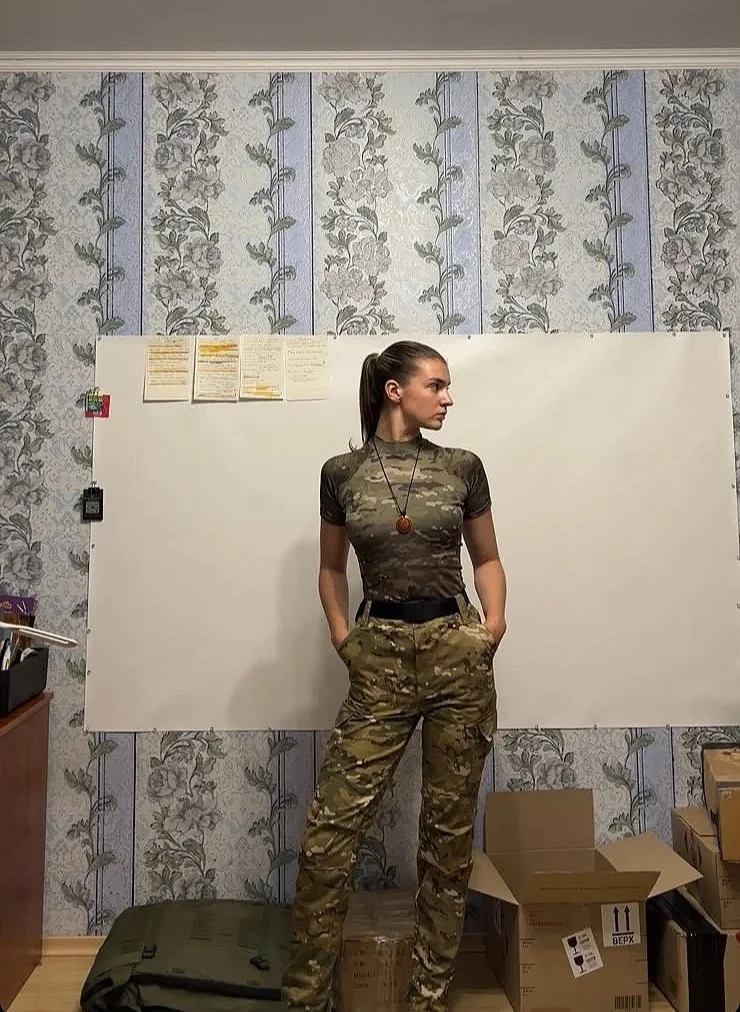
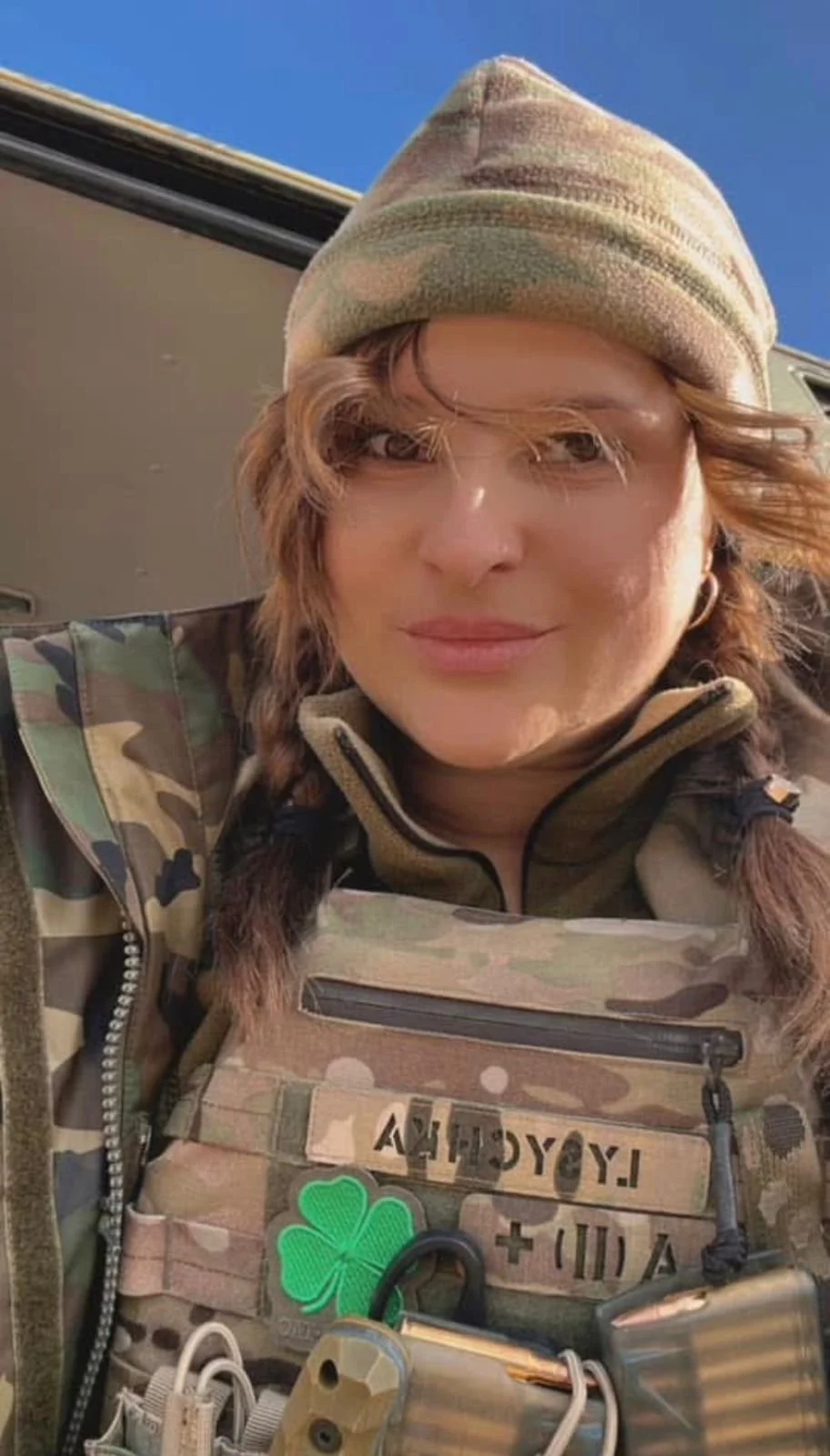
Olena Rozvadovska, “Lysychka” (“Little Fox”)
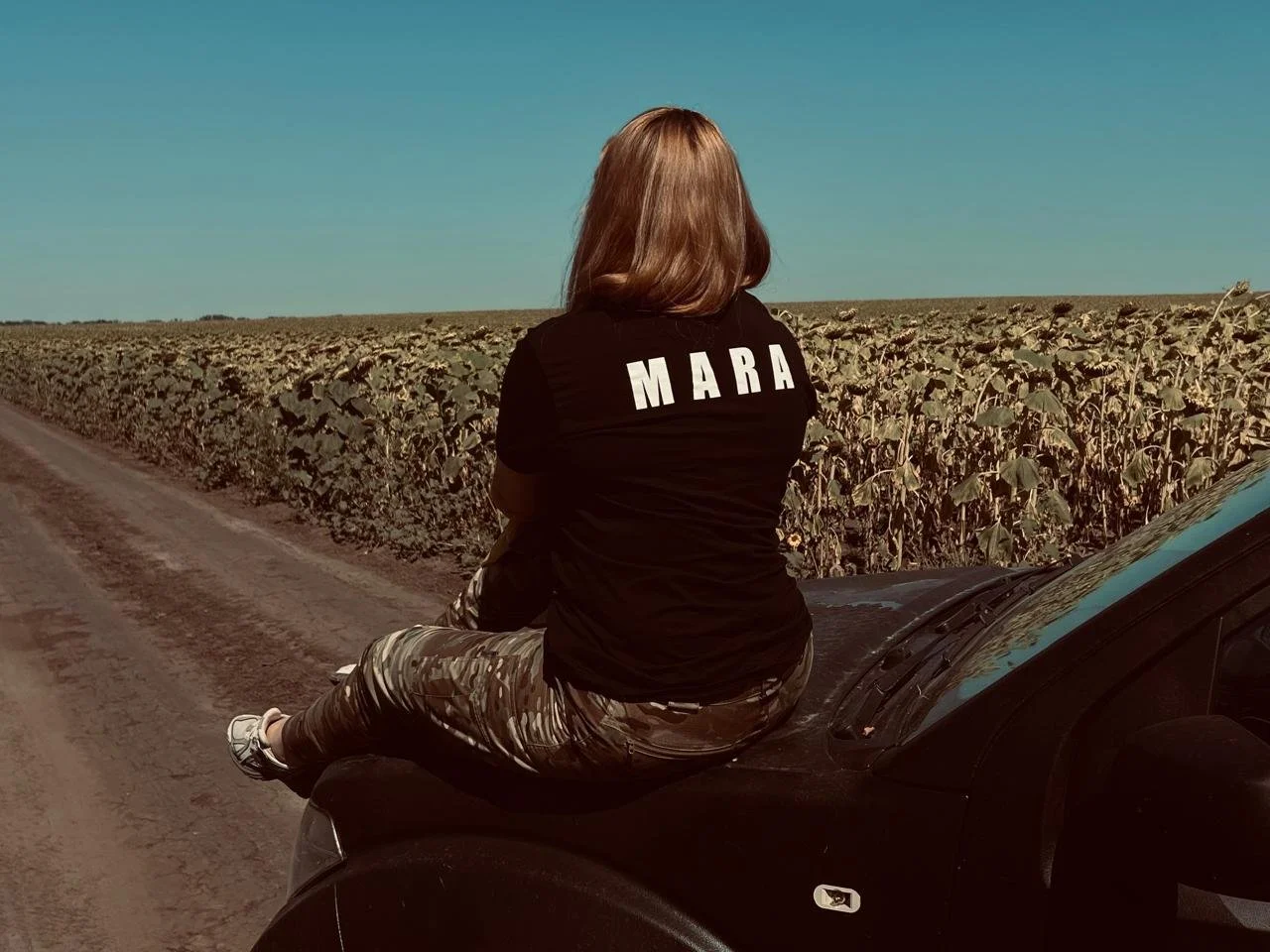
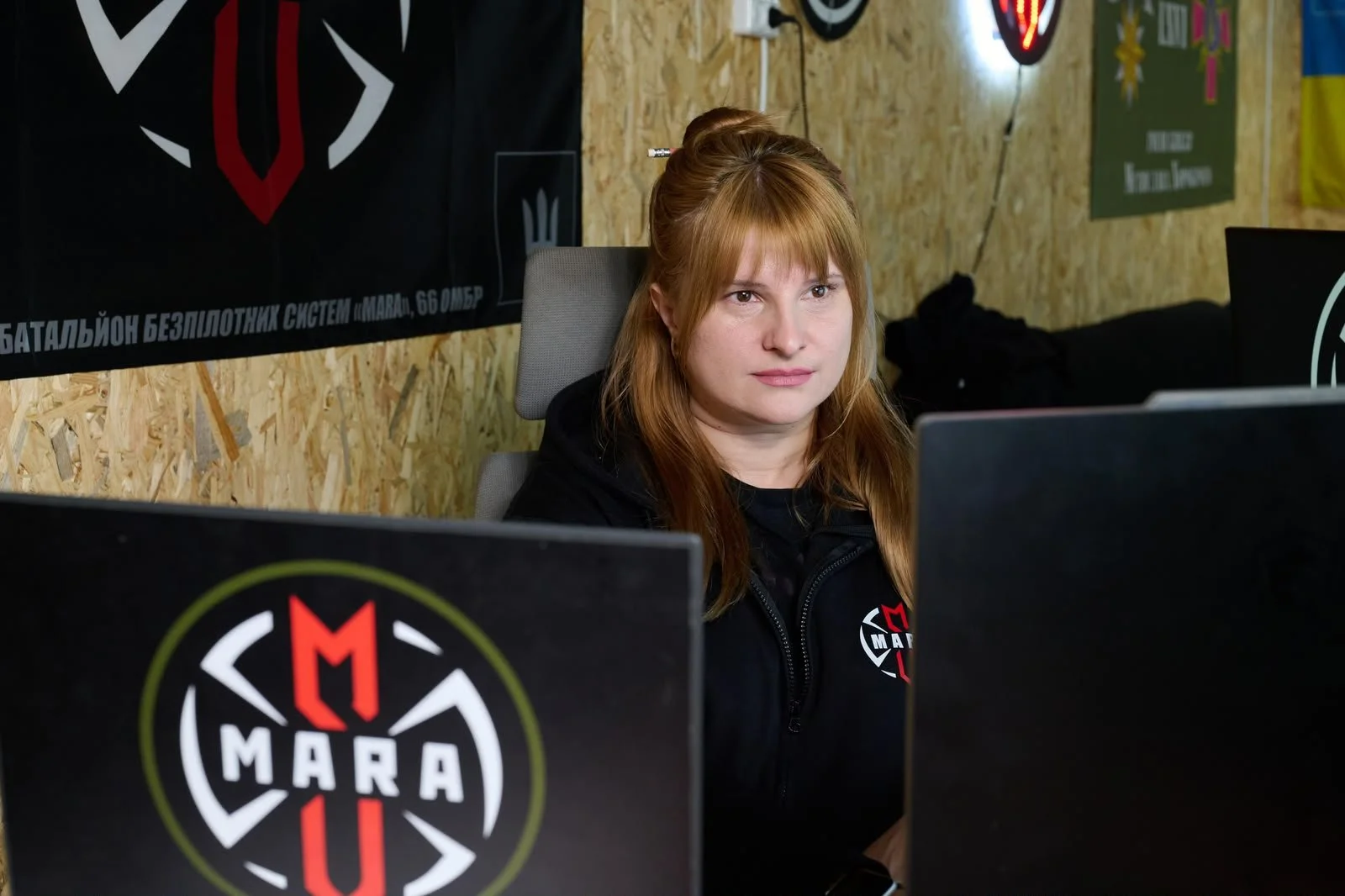
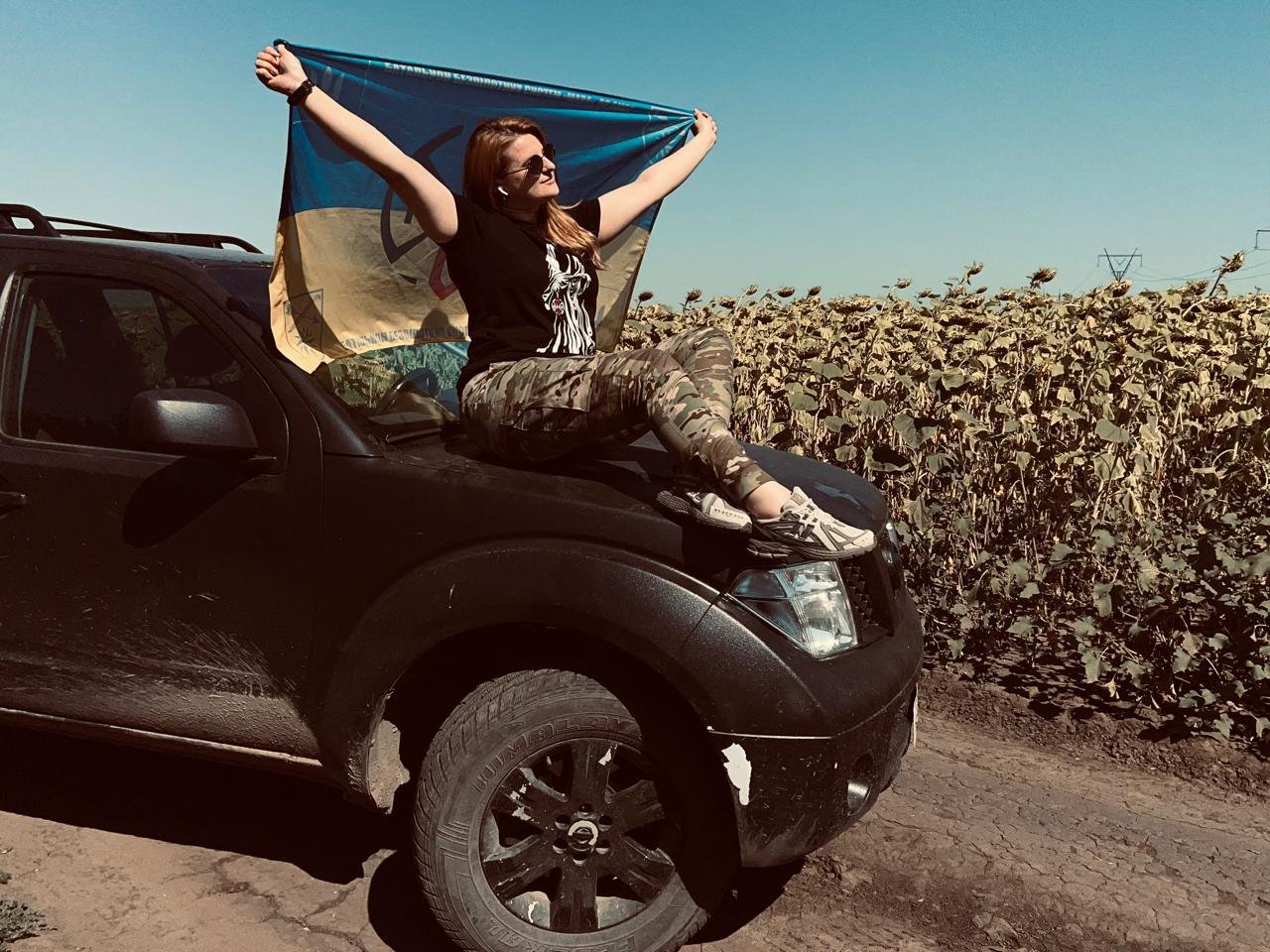
Olena Rozvadovska, call sign “Lysychka,” is a lieutenant and deputy chief of staff of the “MARA” Unmanned Systems Battalion in the 66th Separate Mechanized Brigade named after Prince Mstyslav the Brave. She rose from the rank of private to a leadership position on the staff of a combat unit.
Olena joined the military with experience as a lawyer. Today, she is responsible for planning combat operations, coordinating crews, managing assignments and resources, and organizing cooperation between units. Her legal knowledge helps her handle documentation and scrutinize combat orders.
Olena is raising a daughter. Even while serving, she finds time to create digital art projects and film posters for her. Speaking to She Stands, she said: “We have all stolen our children’s childhoods…” Her story is about professional growth in the military, responsibility for combat operations, and motherhood during wartime.
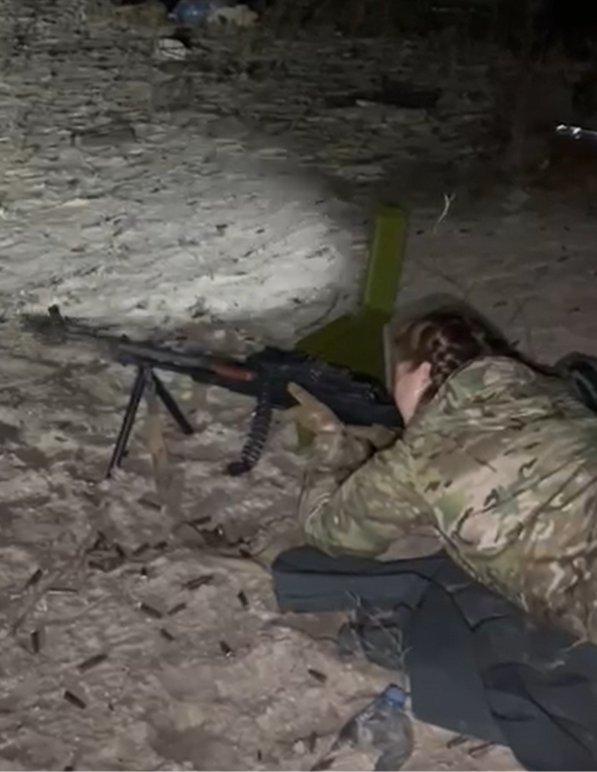
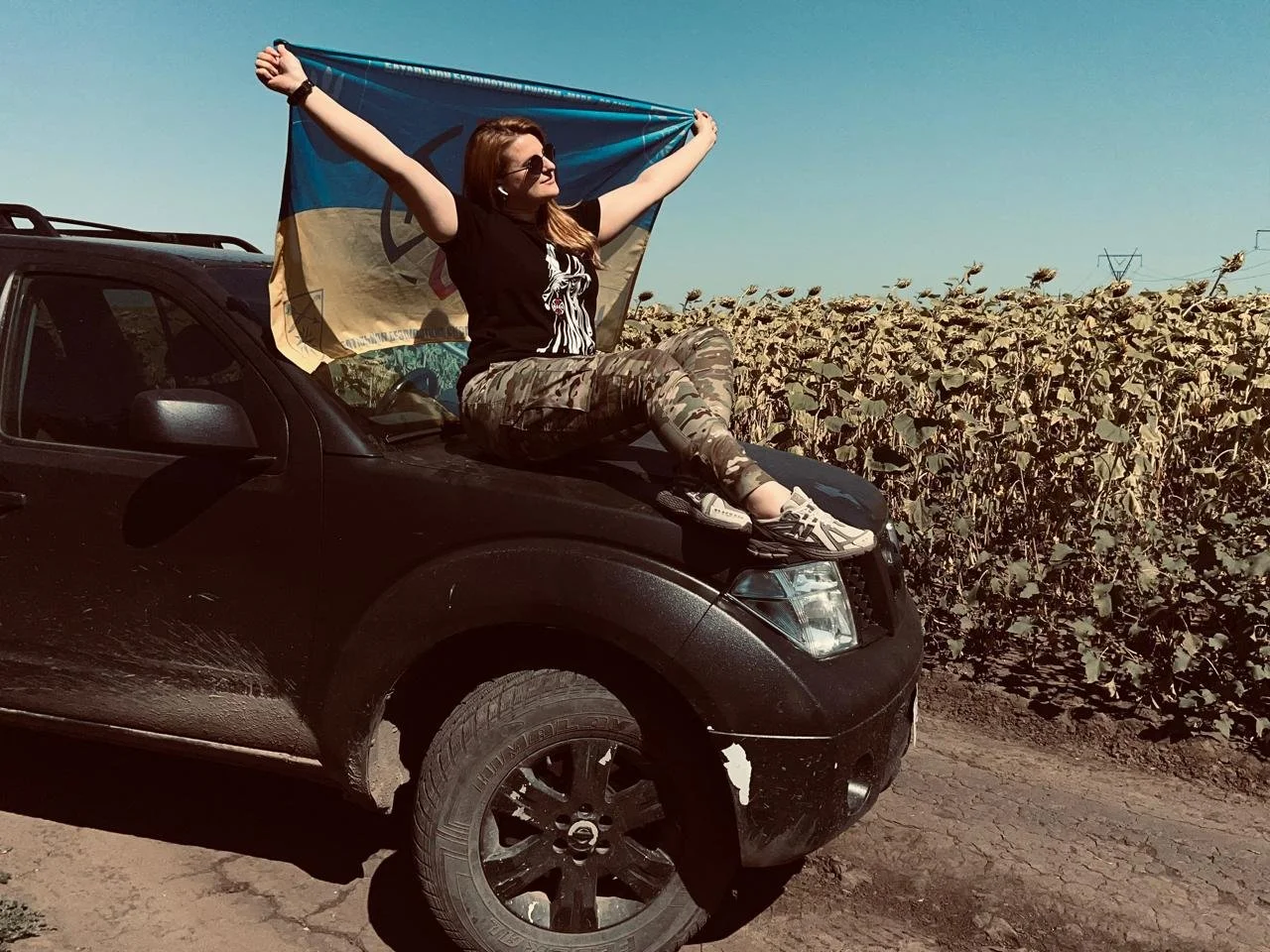
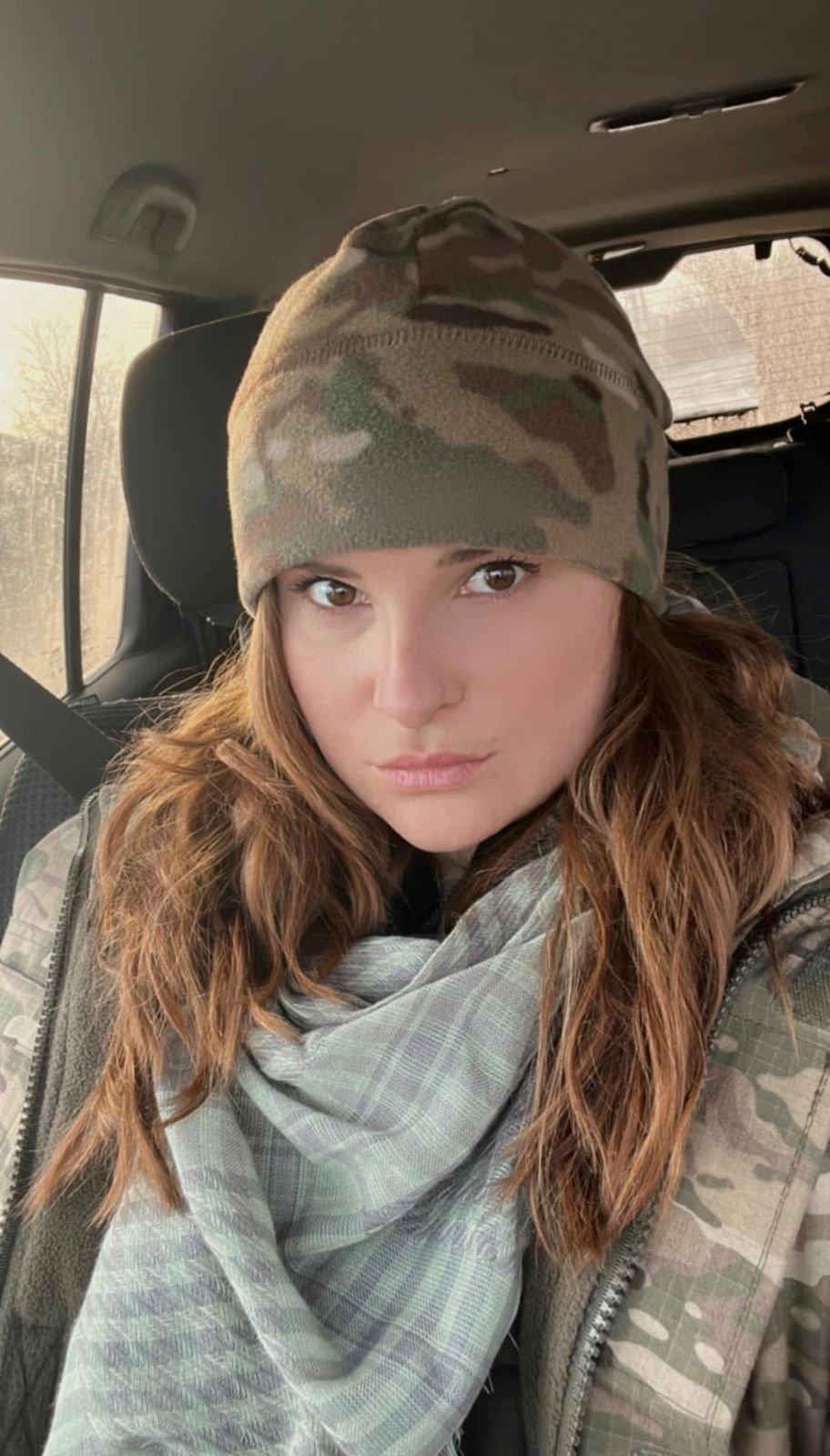
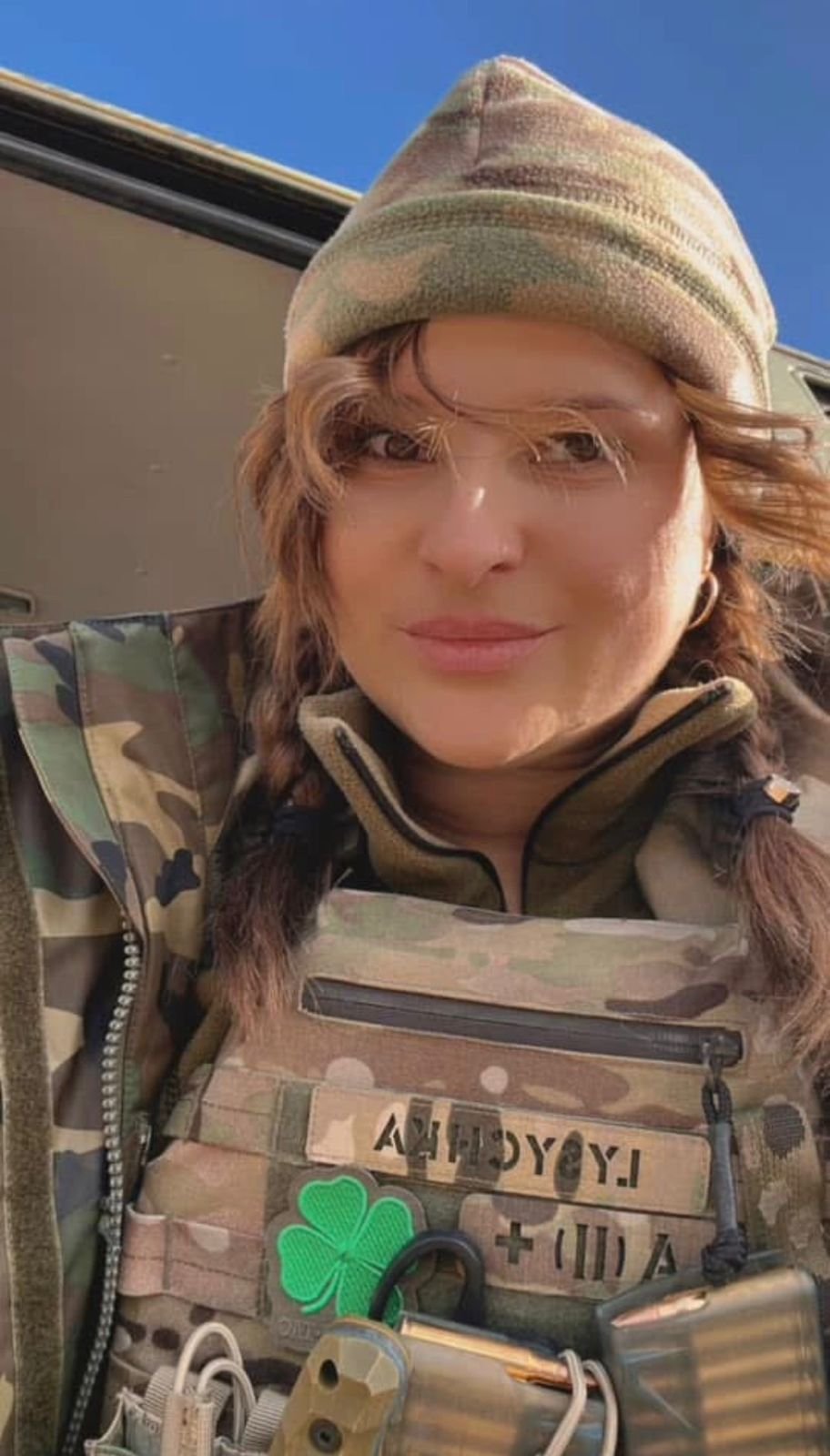
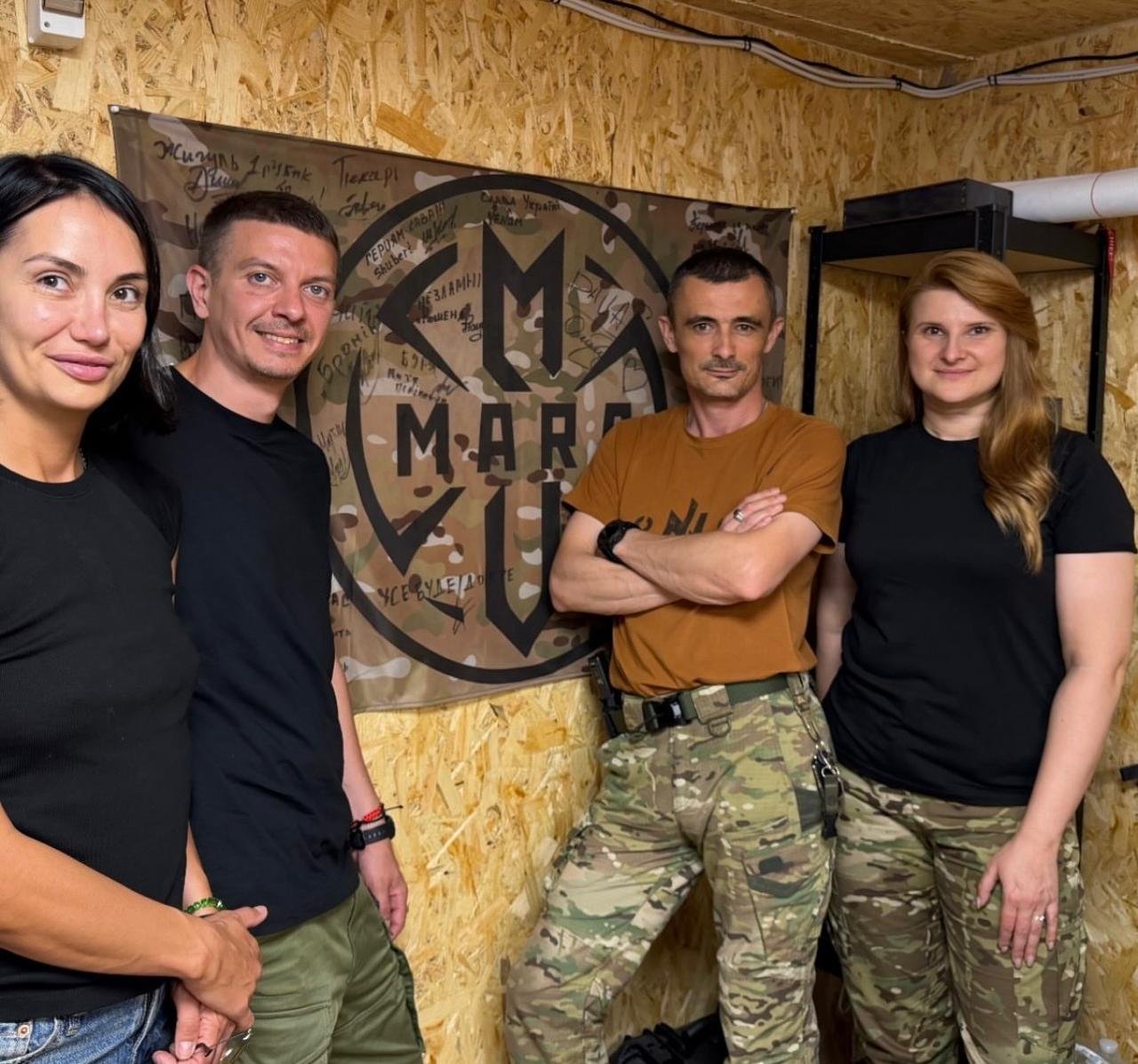
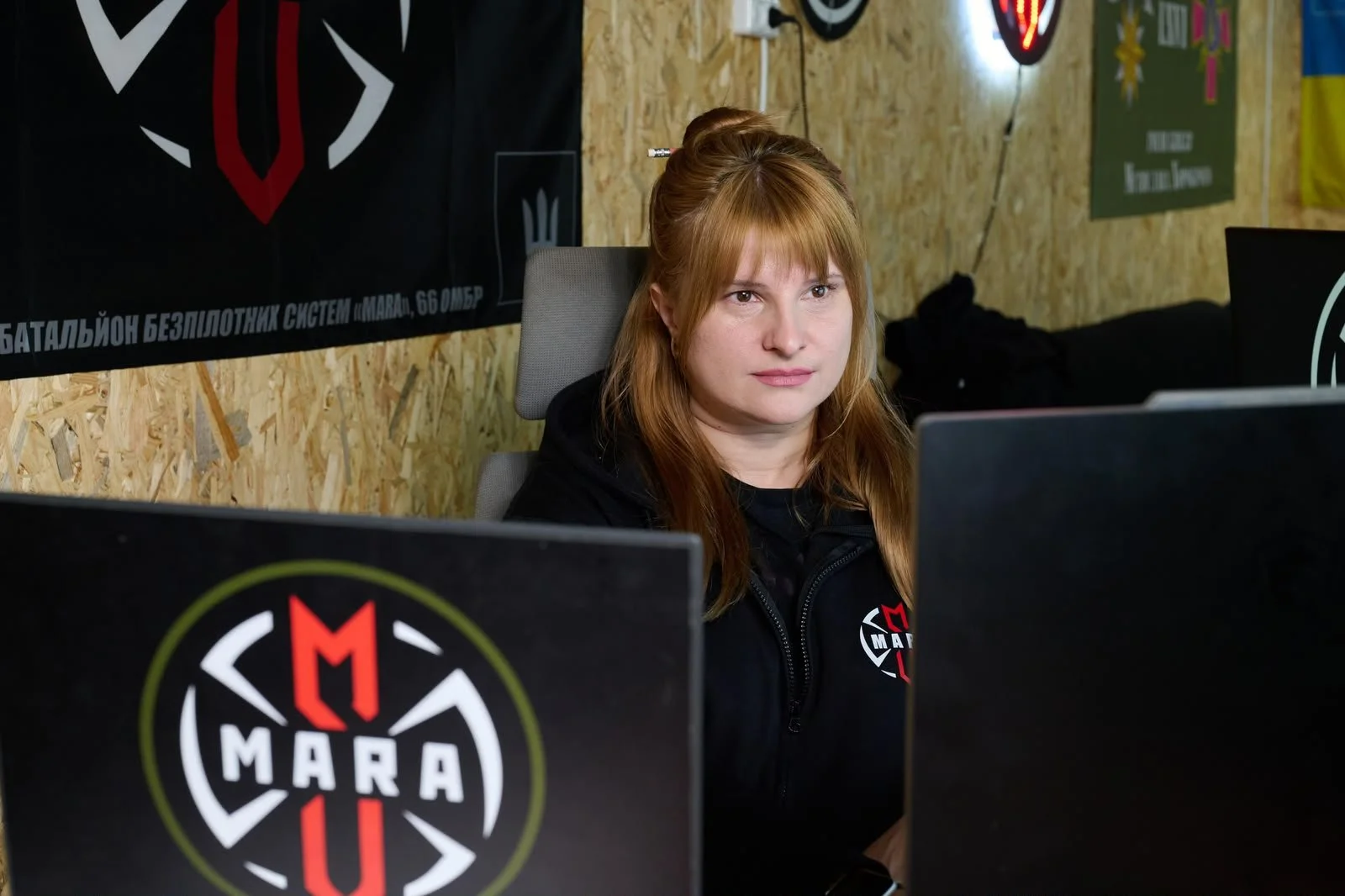
image source: She Stands
10. What has been your biggest realization during the years of the full-scale war?
The war has made it very clear who your friends are, who is truly close to you, who supports you, and who doesn't. My social circle has changed dramatically. Many people have gone abroad and simply live their lives. They don't talk about Ukraine, don't support the military with donations, and don't contribute to helping in any way. For me, these people have ceased to exist as part of my close circle. At the same time, one of my greatest realizations has been just how strong the Ukrainian people are. How capable we are of coming together, standing united, fighting, and going all the way. Right now, everyone is extremely exhausted, both on the front line and in civilian life. Everyone has their own exhaustion. But we are still standing.
With every passing year, the war becomes harder. Technology advances, attacks intensify, and enduring the constant danger becomes increasingly difficult. And yet you meet people in whom you see humanity, compassion, resilience, and a willingness to help. These are the people who restore my hope and give me the strength to continue.
11. What do you want the world to know about Ukrainians and Ukrainian women?
I want the world to know about the courage of Ukrainian women who fight and to hear their stories. This is one of the main missions of my project, She Stands. Behind every woman in the military is an entire life: a family, children, a profession, plans that had to be abandoned or postponed. Many of the women we feature voluntarily chose military service, even though they could have remained civilians. Some were rejected six to eight times, but kept coming back and fighting for the opportunity to defend their country.
It matters to me that the world understands how deliberate and determined that choice was. That behind the numbers and brief news reports, people see individual women, know what they have endured, what they risk, and who they are fighting for. Every woman we feature is unique and deserves to be heard. That's why I want the She Stands YouTube channel to grow, for more people to watch these interviews, listen to them, and share them. I want the whole world to know about the heroism of Ukraine's women defenders.
12. Which WOW Women inspire you?
Above all, I am inspired by women who take action. It could be a servicewoman, a volunteer, a human rights activist, a homemaker, or a Nobel Prize laureate, like one of the women featured in your project. What matters to me is what a person does: helping the country, rescuing animals, feeding homeless people, developing policies for veterans, or raising important issues in society. Seeing a problem and taking action to change something, supporting others during this incredibly difficult time.
These are the women who inspire me. I proudly tell their stories, and I am proud of every one of them.
13. What place or activity makes you happiest right now? Why?
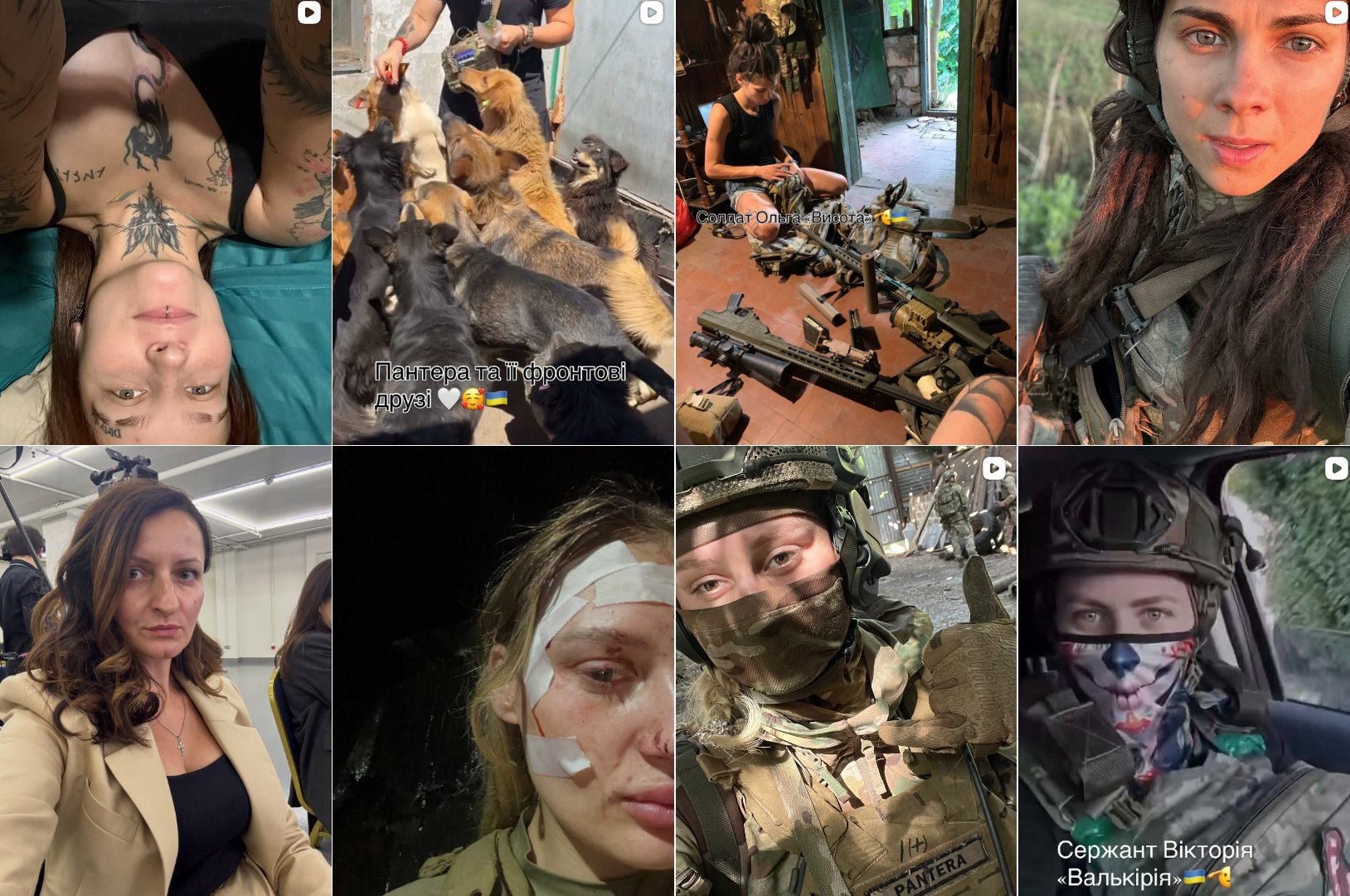
Right now, what inspires me and makes me happiest is the work I do, the She Stands project. I see how much momentum it is gaining and how powerful it is becoming. In just six months, we have recorded thirty video interviews with women in the military, including two veterans. We have also published more than forty written interviews. With the women's permission, we share their photographs and videos from the front. I want their names and stories to remain part of the history of Ukraine's struggle.
We address extremely important issues. I am convinced that people at the Ministry of Defense, the General Staff, and the highest levels of military command see and read our work. I believe our work can influence decisions and contribute to change.
It is also extremely important to me that we are becoming a source of support for these women. They know we will not remain silent if their rights are violated. Even when we are afraid, we will continue to support them.
In six months, the project's Instagram account has already gained 20,000 followers. Many of them are foreigners, from the United States, Germany, and Brazil. This inspires me because, through real stories, we help counter russian propaganda and tell the world about Ukraine's struggle practically in real time.
I very much want more people in the United States and other countries to watch us. I want people to hear directly from women in the military, understand what they think about, what they face, and how difficult their lives are. I want people to recognize their contributions and admire them.
One of my dreams is to have 100 million followers so that these women appear on the screens of millions of people. I understand that this is an almost unattainable goal. But I'm not afraid to dream big, challenge myself, and be ambitious. I believe in the work I do. It is incredibly important to me that people know about these women.
14. What is the first thing you will do when Ukraine wins? What do you dream of doing after the war?
The first thing I will do is take flowers to the graves of my friends and acquaintances who gave their lives for Ukraine, for the protection of every one of us. They are buried in different parts of the country, in different regions. I want to visit every single one of them and simply say thank you.
After that, I really want to travel around Ukraine. I've already talked about this with people close to me. It was during the war, when even moving around your own city became dangerous, that I realized how many wonderful Ukrainian cities I still haven't seen.
We always wanted to travel abroad, explore the world, and see more countries. And we often postponed traveling around Ukraine. I want to visit Kharkiv, where I've never been, and see Cherkasy, Chernivtsi, and different parts of Crimea. I want to discover my own country, its cities, places, and stories. To get to know the Ukraine I don't yet know.
15. In your opinion, how does russian society differ from Ukrainian society? Were we aware of these differences before?
Recently, I wrote on Facebook that if I had the opportunity, I would like to ask a russian soldier one question: "What are you fighting for?" I have serious doubts that he would be capable of giving a thoughtful answer.
For me, one of the main differences between our societies lies in our attitudes toward freedom, authority, and personal responsibility. russian society has lived under dictatorship and propaganda for years. What I mostly see is fear of speaking out, taking action, and protesting en masse against a government that sends people to seize other people's territory and kill.
Ukrainians have repeatedly taken to the Maidans when they saw injustice and attempts to take away their freedom. We are ready to unite and resist. To me, this is a great expression of our people's courage. Even before this war, we had already shown that we were willing to fight for the right to determine our own future.
Another painful difference for me is the widespread willingness in russian society to accept propaganda, not question what people hear, and avoid asking uncomfortable questions. I am struck by how many people agree with what television tells them and refuse to acknowledge their country's responsibility for the war.
I think many of us previously underestimated the depth of these differences. Personally, the occupation of Crimea and the beginning of the war in eastern Ukraine were already a turning point for me.
16. Do you feel that Ukrainians living abroad have a responsibility toward their homeland?
If we're talking about whether I see that sense of responsibility in the actions of many people I know who have left Ukraine, unfortunately, I don't. And it hurts me deeply.
Among my acquaintances, there are people who donate, help, and talk about the war, but there aren't many of them. Instead, I see people who remember Ukraine when it benefits their business or personal projects. At the same time, they remain silent about the attacks, the people killed, and the needs of the military.
It hurts me to look at carefree photographs from beaches, oceans, and vacations while blood is being shed every day in the country where these people were born and raised. Especially when, behind those photographs, I see no support for Ukraine at all.
I have also heard painful stories from Ukrainians abroad who themselves do a great deal to help, about the indifference and dismissive remarks of other Ukrainians toward their own country. This worries me deeply.
I'll be honest: these days, in my work, I often feel more support from foreigners than from Ukrainians living abroad. And that is very painful to realize.
17. Where can people find information about you and your work? How can they support your projects?
Instagram: She Stands Ukraine @shestandsua
Facebook: She Stands community
YouTube: She Stands Project @shestandsproject
Support our work:
We have opened a fundraising account through Monobank. Card number: 4874100025246128
For international supporters, donations can be made through PayPal at: oliynykova@gmail.com. Please include "She stands" in the payment note.
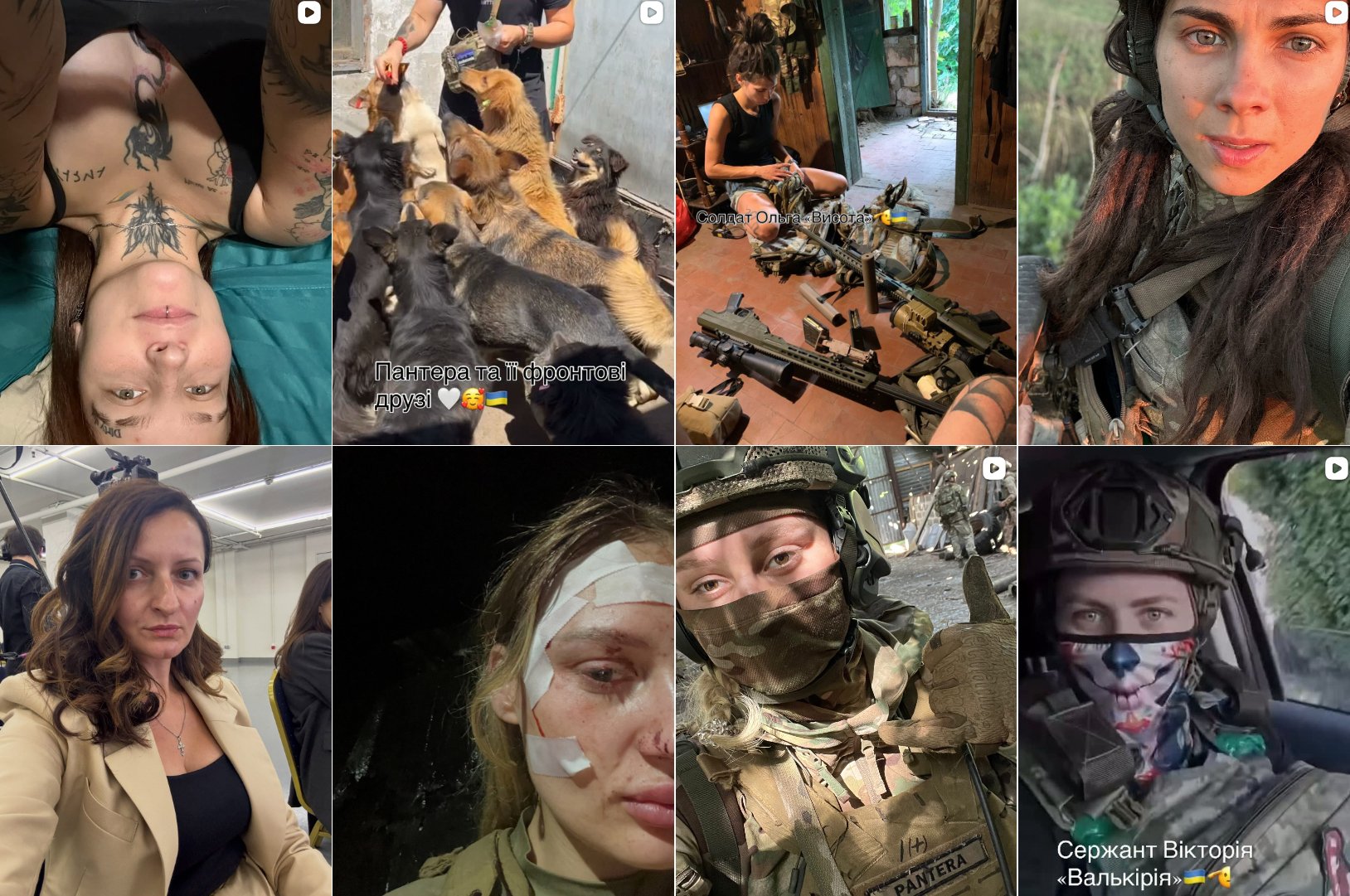
shestandsproject
ЦЯ ІСТОРІЯ «INSIDE UKRAINE» З КИЄВА
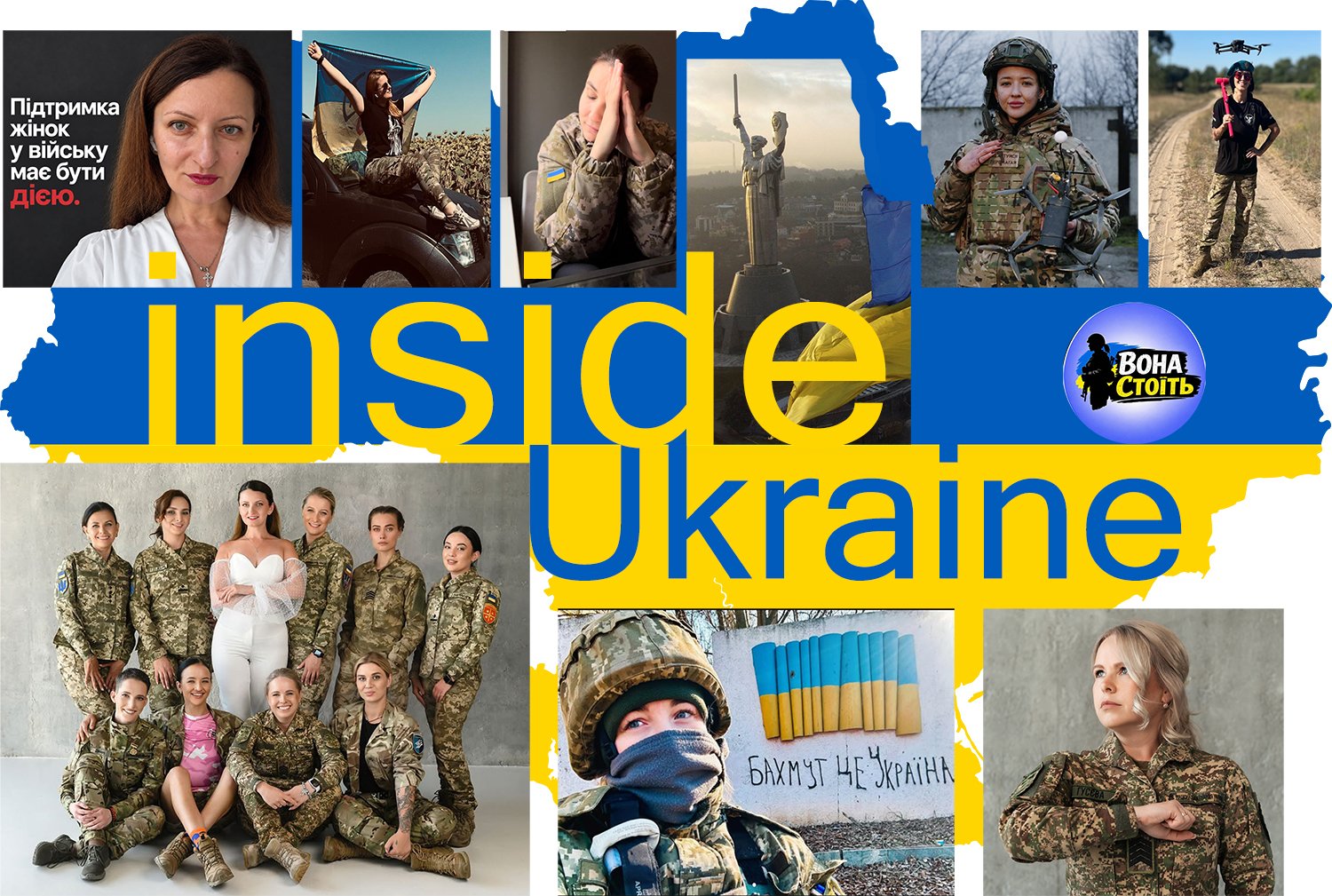
* Всі зображення та відповіді у матеріалі були надані WOW Woman
СЕРІЯ «ВСЕРЕДИНІ УКРАЇНИ»: ЗНІМОК, ОДИН ДЕНЬ ІЗ ЖИТТЯ, ПОГЛЯД НА ТЕ, ЯК ЖИТИ, ОПИРАТИСЯ, ВИЖИВАТИ ТА НЕ ВІДСТУПАТИ В КРАЇНІ, ЩО СТРАЖДАЄ ВІД НАПАДУ.
СЛАВА УКРАЇНСЬКИМ НЕЙМОВІРНИМ ЖІНКАМ, ЯКІ ПІДТРИМУЮТЬ СВОЮ КРАЇНУ ТА НАБЛИЖАЮТЬ УКРАЇНУ ДО ПЕРЕМОГИ.
Мені надзвичайно приємно писати про жінку, яка підтримує інших жінок в Україні, тим більше, що жінки-військовослужбовиці займають особливе місце в моєму серці. Я опублікувала інтерв’ю з багатьма з них на сайті WOW Woman: бойові медикині, артилеристки, військові психологині, парамедики, операторки дронів, прикордонниці та кухарки. Усіх їх об’єднує рішучість чинити опір російському агресору та звільнити Україну від російських загарбників. Ці жінки знають, що російська окупація несе з собою нав’язування ідеології, гноблення, тортури та знищення культури. Вони ризикують своїм життям і майбутнім, щоб українці та решта вільного світу могли користуватися такими людськими свободами, як право на життя та волю, життя без окупації та тортур, а також свобода думки та вираження поглядів.
Олена Олійник об’єднала жінок-військовослужбовиць, щоб вони могли підтримувати одна одну. Ці жінки керують дронами, евакуюють поранених і служать на бойових посадах. Вони також терплять дискримінацію. Навіть під час активної війни, коли командна робота є надзвичайно важливою, упереджене переконання, що місце жінок в тилу, присутнє у середовищі військових. Олена заснувала організацію "Вона стоїть", щоб розповідати історії жінок, які служать у Збройних Силах України, зокрема про випадки порушення прав у військових структурах. Коли військовослужбовиця Валерія Степанова звернулася до "Вона стоїть" із заявою про домагання, Олена допомогла привернути увагу громадськості до її історії. Це охопило мільйони людей, спричинило військове розслідування та принесло Олені шквал ворожих коментарів у мережі й анонімних телефонних дзвінків із погрозами.
Олена почала підтримувати українських солдатів понад десять років тому. Вона збирала кошти на безпілотники, обладнання для радіоелектронної боротьби та інші військові засоби. Будучи колишньою співробітницею парламенту, вона мобілізувала волонтерів для створення аудіокниг українською мовою для дітей із вадами зору, які раніше мали доступ лише до російськомовних аудіокниг. Після того, як росія вперше напала на Україну в 2014 році, Олена вирішила також припинити розмовляти мовою окупанта.
Російський безпілотник влучив у житловий будинок Олени в Києві, коли вона спала. Вона прокинулася від вибуху й вибігла на вулицю, де побачила, що будинок охоплений вогнем. Як і мільйони українців, Олена виснажена безперервними атаками та безсонними ночами. Вона продовжує брати інтерв’ю в жінок у військовій формі, документувати їхні переживання та боротися з дискримінацією, з якою вони стикаються. Її амбіції щодо проєкту "Вона стоїть" - охопити 100 мільйонів людей, багато з яких можуть стати прихильниками жінок-військовослужбовиць. Що до неї самої, то в Олени є набагато простіше бажання: подорожувати Україною та краще пізнавати її. Досліджувати власну країну для багатьох із тих, хто живе за кордоном, є чимось само собою зрозумілим, але роки війни, комендантські години та постійні російські атаки ускладнили це для українців.
- Ольга Шмайденко, засновниця та редакторка WOW Woman
Підсилення голосів жінок-військовослужбовиць України
1. Ім’я
Олена Олійник.
2. Де ви народилися і де зараз живете?
Я народилася у Вінницькій області. Уже понад 22 роки живу в Києві.
3. На кого навчалися та за якою професією працюєте зараз?
Маю дві вищі освіти — два дипломи магістра. Навчалася в Київському національному університеті імені Тараса Шевченка. За першим фахом я філологиня української мови та літератури, за другим — юристка-міжнародниця.
Понад сім років працювала у Верховній Раді України у сфері великої політики, займалася законотворчою діяльністю. Також працювала в проєктах Європейського Союзу на підтримку України та в громадському секторі.
Зараз очолюю громадську організацію «Вір в Україну», є авторкою та керівницею військового жіночого проєкту «Вона стоїть». Понад одинадцять років допомагаю українському війську.
4. Як виглядав ваш звичайний день до повномасштабного вторгнення та як змінилося ваше життя після нього?
Я завжди була дуже активною, багато працювала й займалася громадською діяльністю. Створила громадську організацію «Вір в Україну».
Коли дізналася, що в Україні бракує аудіокнижок українською для незрячих дітей та дітей із порушеннями зору, започаткувала великий освітній інклюзивний проєкт «Книги, що говорять». На той час діти слухали російською навіть твори зі шкільних програм української та зарубіжної літератури.
До проєкту долучилося багато відомих людей, зірок телебачення та шоу-бізнесу, а також перша леді України Олена Зеленська. Ми озвучили понад двісті творів, створили якісні аудіокнижки з музичним оформленням, щоб дітям було цікавіше й приємніше слухати. Проєкт живе досі, а на його YouTube-каналі — близько п’ятдесяти тисяч підписників.
Я розмовляла українською ще до повномасштабного вторгнення. Після окупації Криму та початку війни на сході України вирішила для себе, що росії для мене не існує.
Із 2015 року активно допомагаю військовим. Тоді ще тривала АТО, згодом — ООС. Відтоді й дотепер підтримую військовослужбовців різних бригад, напрямків і спеціальностей. Допомагаю закривати їхні потреби — від засобів РЕБ і дронів до амуніції та екіпірування. За ці роки отримала багато подяк і прапорів від військових — із підписами та без. Для мене вони дуже дорогі.
Я була серед тих, хто, аналізуючи ситуацію, розумів, що повномасштабне вторгнення відбудеться. Багато українців не вірили, що росія піде на такий крок. Я очікувала цього й намагалася бути готовою. Уже не пам’ятаю достеменно, від кого дізналася, але знала навіть годину, коли все мало розпочатися. Поставила будильник, проте прокинулася вже від вибухів.
5. Яке життя зараз у вашому місті? Який ваш типовий день?
Я живу в Києві. Зараз жити тут — це грати в російську рулетку з країною-терористом. Атаки відбуваються і вдень, і вночі. Ти не встигаєш відновитися після однієї, як починається наступна.
Найважче взимку. Через удари по енергетичній інфраструктурі навіть у морози може не бути опалення, електроенергії, іноді й води. Зараз нам щодня вимикають світло — від чотирьох до дванадцяти годин.
Місяць тому в мій будинок влучив «шахед». Я була вдома, спала й прокинулася від дуже гучного вибуху. Спочатку не зрозуміла, що сталося. Виглянула у вікно й побачила, як люди в паніці кудись біжать. Тоді зрозуміла, що почалася пожежа.
Я швидко одягнулася й вибігла на вулицю. Побачила багато пожежних машин, швидких і поліції. Мій будинок горів.
Люди вже дуже виснажені психологічно й морально. Немає відчуття захищеності. Коли немає доступного надійного укриття, люди залишаються в коридорах багатоповерхівок, хоча це не повноцінний захист.
Усе це позначається на психічному й фізичному здоров’ї: постійна втома, стрес, недосипання. Водночас потрібно працювати, бо треба за щось жити. Тож мій день — це постійна спроба поєднати роботу, допомогу військовим, розвиток проєкту «Вона стоїть» і необхідність якось відновлювати власні сили.
6. Які ваші сильні сторони та надздібності?
Моя найбільша суперсила — об’єднувати людей навколо ідей, які змінюють країну й допомагають українцям.
Свого часу понад чотири тисячі волонтерів з усієї України подали заявки на участь у проєкті «Книги, що говорять». А зараз, без сталого фінансування, мені вдалося об’єднати багато людей в Україні та за кордоном для розвитку й підтримки «Вона стоїть».
Я вмію залучати людей до спільної справи й робити так, щоб про Україну та наших людей знали у світі.
7. Які конкретні дії ви робите, щоб допомогти Україні та українському народу?
Щодня я роблю конкретні речі, щоб допомагати тим, хто на фронті, — нашим захисникам і захисницям. Постійно проводжу збори, тому що держава не може повністю забезпечити всі потреби війська. Наближається зима, потрібні зарядні станції, генератори, старлінки.
Зараз також веду перемовини з великим бізнесом, щоб забезпечити одну з бригад, якими опікуюся, наземним роботизованим комплексом. Досвід роботи в політиці та професійні зв’язки допомагають мені об’єднувати людей і залучати підтримку для військових.
Також я регулярно записую інтерв’ю з жінками, які захищають Україну зі зброєю в руках. У війську служать десятки тисяч жінок, але вони досі стикаються зі стереотипами, знеціненням, насмішками та сексуальними домаганнями.
До нашого проєкту звернулася Валерія Степанова, позивний «Демон», яка заявила про домагання під час служби у 118-й бригаді ТрО. Вона була в розпачі й не знала, що робити: попередні публічні звернення не давали результату. Ми оприлюднили її заяву, яка набрала понад три мільйони переглядів. Після розголосу з нами зв’язалися представники командування Сил територіальної оборони. У бригаді розпочали службове розслідування.
На той час Валерія вже служила в іншому полку, працювала з безпілотниками, навчалася й дуже хотіла стати пілотесою. Приблизно через півтора місяця після публічної заяви вона загинула.
Ми в жодному разі не стверджуємо, що її загибель пов’язана із заявами про домагання. Але вважаємо своїм обов’язком домагатися незалежного розслідування обставин, про які вона розповіла. Її загибель не повинна означати, що ці заяви залишаться без відповіді.
Ми знову публічно порушили цю тему. Понад п’ятнадцять медіа висвітлили історію, посилаючись на мене як на керівницю проєкту. Я зіткнулася з психологічним тиском у соцмережах. Також почала отримувати численні дзвінки з невідомих номерів. Я не знаю, хто телефонував і чи пов’язані ці дзвінки з нашою роботою. Але мені було страшно.
Попри страх, я продовжуватиму записувати інтерв’ю із захисницями. Хочу, щоб світ знав про їхній внесок, бойову роботу та складний шлях, який вони проходять.
Ми й надалі підтримуватимемо жінок, які повідомляють про домагання, психологічне чи фізичне насильство. Допомагатимемо їм бути почутими, підтримуватимемо емоційно й надаватимемо розголосу їхнім свідченням. В Україні публічність — дуже сильний інструмент захисту.
8. Як ви дбаєте про себе? Що допомагає вам збирати себе докупи?
В умовах війни надзвичайно складно зберігати психологічну стійкість. Коли твоє місто чи село постійно обстрілюють, це позначається на здоров’ї: тривога, виснаження, порушення сну та харчування. Багато моїх знайомих у Києві звертаються до психологів, деякі приймають антидепресанти — шукають допомоги, щоб витримувати цю реальність.
Особисто мене тримає розуміння того, через що проходять наші військові. Місяць тому я як керівниця проєкту «Вона стоїть» уперше побувала у фронтовій зоні. До цієї поїздки навіть не уявляла повною мірою, яка вона.
Ти ніби потрапляєш у бойовик: військова техніка, люди зі зброєю, дороги, затягнуті антидроновими сітками, крізь які майже не видно неба. Це зовсім інша реальність. Але для людей, які там служать, це щоденне життя.
Коли бачиш усе на власні очі — умови, небезпеку, нестачу техніки й засобів захисту, — інакше сприймаєш власні труднощі. Я бачила військових, які живуть по п’ятеро-восьмеро в одній кімнаті, оплачують житло власним коштом. Без повноцінних вихідних і відпочинку, далеко від родин. Вони віддають своє здоров’я, роки життя, ризикують не повернутися.
Це не забирає моєї втоми чи страху, але дає сили продовжувати. Я розумію, заради кого працюю і чому моя допомога потрібна. Ці люди роблять неймовірні речі. Для мене кожна і кожен із них — герої.
Враження від поїздки на фронт:
1. Військові мало їдять, відпочивають і сплять - більшість з них вже мають серйозні хронічні хвороби.
2. Найсильніший меседж: думай завжди про хороше, навіть коли дуже страшно.
3. Хочеш жити - ховайся під час тривог.
4. Чоловіки все ще не сприймають жінок на рівні (більшість не вітаються за руку з жінками-військовими чи волонтерами/журналістами, намагаються висловлюватися стриманіше при жінках, допомагати при першій можливості).
5. Слово , яке чула найчастіше: вибачаюсь.
6. Всі побутові моменти на плечах захисників (пошук житла, оренда, готування їжі тощо). Тобто приїжджають втомлені вщент із завдань і ще готують собі їжу, прибирають тощо.
7. Умови проживання здебільшого важкі.
І найголовніше- всі вони дуже втомилися, виснажилися і просто хочуть додому … до рідних і близьких.
Ми маємо продовжувати допомагати і підтримувати їх. Бо їм дуже важко.
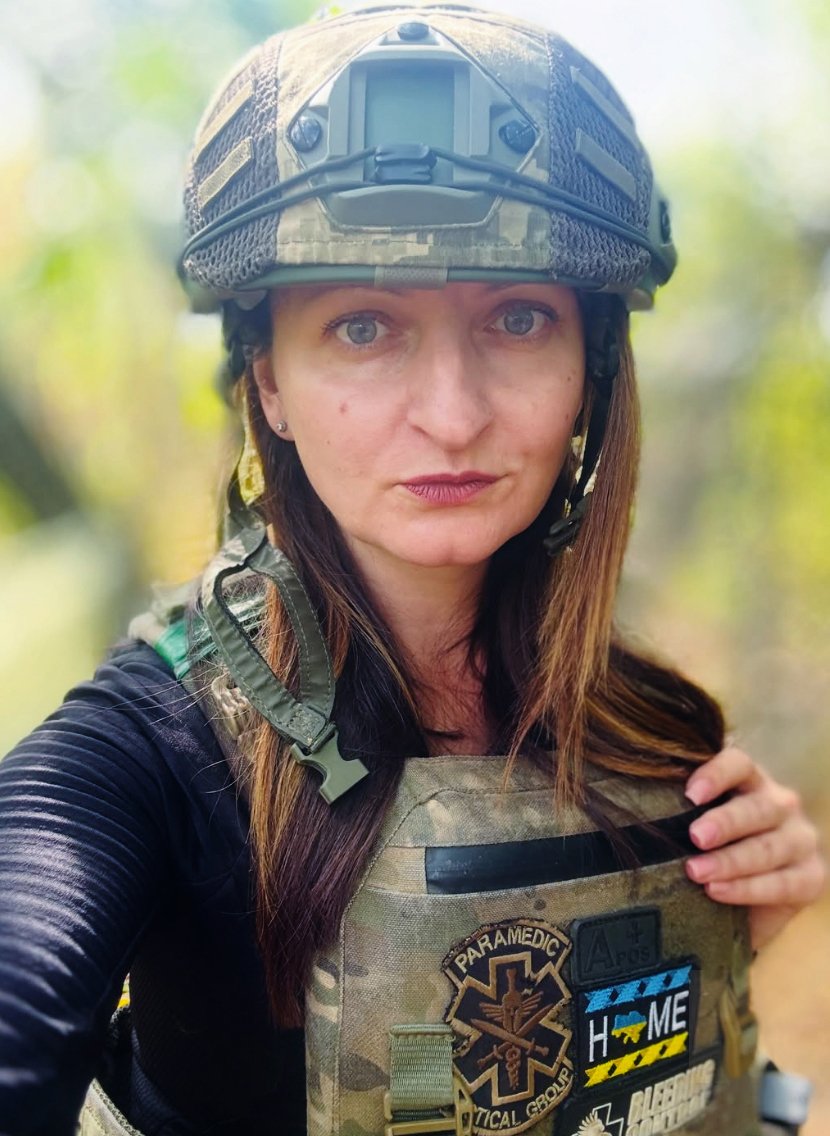
9. Хто надихнув вас на створення «Вона Cтоїть»? Розкажіть про жінок, якими ви захоплюєтеся.
На створення «Вона стоїть» мене надихнула несправедливість. Я понад одинадцять років допомагаю війську, багато спілкуюся з військовими й добре знаю проблеми цього середовища. Неодноразово чула зневажливі висловлювання про жінок, зокрема від їхніх побратимів: «Жінці не місце на війні», «Вона повинна бути вдома», «Як вона могла залишити дітей?»
Я почала шукати й зрозуміла, що мені бракує постійного медійного майданчика, де військова могла б сама розповісти про себе: свій шлях, свою історію, свій досвід. Хто може краще розповісти про її життя, ніж вона сама?
Так виникло бажання створити безпечний простір, де жінка зможе говорити про те, що робить для країни, чим жертвує, заради кого щодня ризикує життям і з якими труднощами стикається. Я захоплююся кожною героїнею нашого проєкту. Але розповім про кількох:
Тетяна — «Соня»
Під час поїздки на фронт я провела два дні поруч із військовою підрозділу Black Raven 93-ї окремої механізованої бригади. Раніше вона була бойовою медикинею, отримала тяжке осколкове поранення внаслідок удару ворожого FPV-дрона. Досі має проблеми зі слухом. Але щойно змогла ходити, повернулася до служби. Зараз проводить інструктажі для військових на полігонах.
Ми разом їли, ночували, їздили на її роботу. Я одягнула бронежилет і каску, щоб хоча б трохи відчути це навантаження. Без зброї та іншого спорядження, яке вони носять. Провела так сім годин, а потім у мене ще тиждень боліла спина. Це допомогло зрозуміти, наскільки важка їхня служба фізично.
Дар’я Демчук — «Джекі»
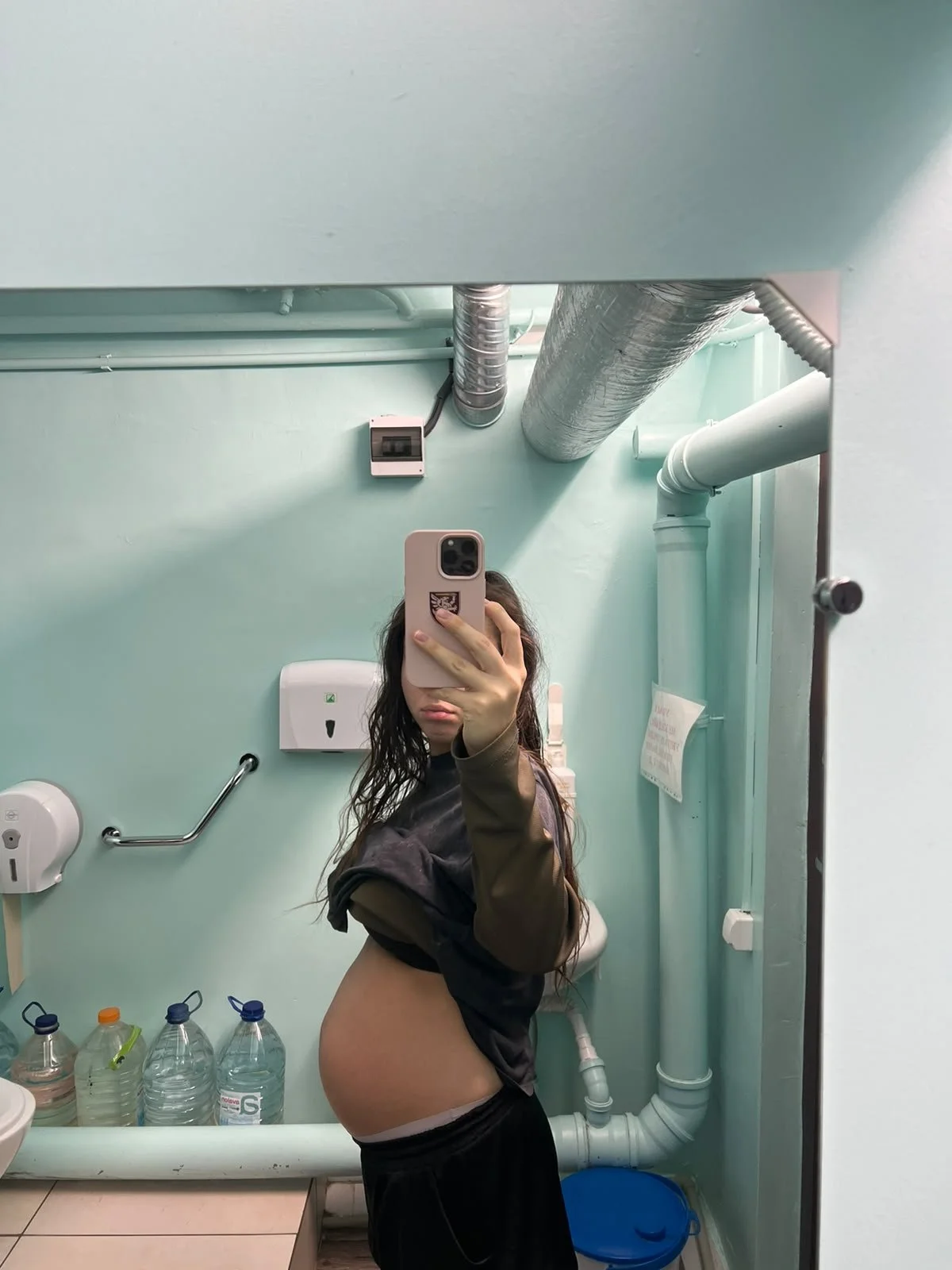
Дар’я Демчук, позивний «Джекі», — молодша сержантка 80-ї окремої десантно-штурмової бригади, бойова медикиня та героїня військового жіночого проєкту «Вона стоїть».
Вона надавала допомогу пораненим під обстрілами, евакуйовувала військових із небезпечних ділянок фронту та супроводжувала їх до лікарень. Також навчала побратимів тактичної медицини — навичок, від яких залежить виживання в перші хвилини після поранення.
Дар’я продовжувала воювати до восьмого місяця вагітності. Зараз її синові два місяці, і після його народження вона продовжує військову службу. Її історія — про досвід бойової медикині, яка стала мамою під час війни й залишається у війську.
Тетяна Гусєва — «Вовчиця»
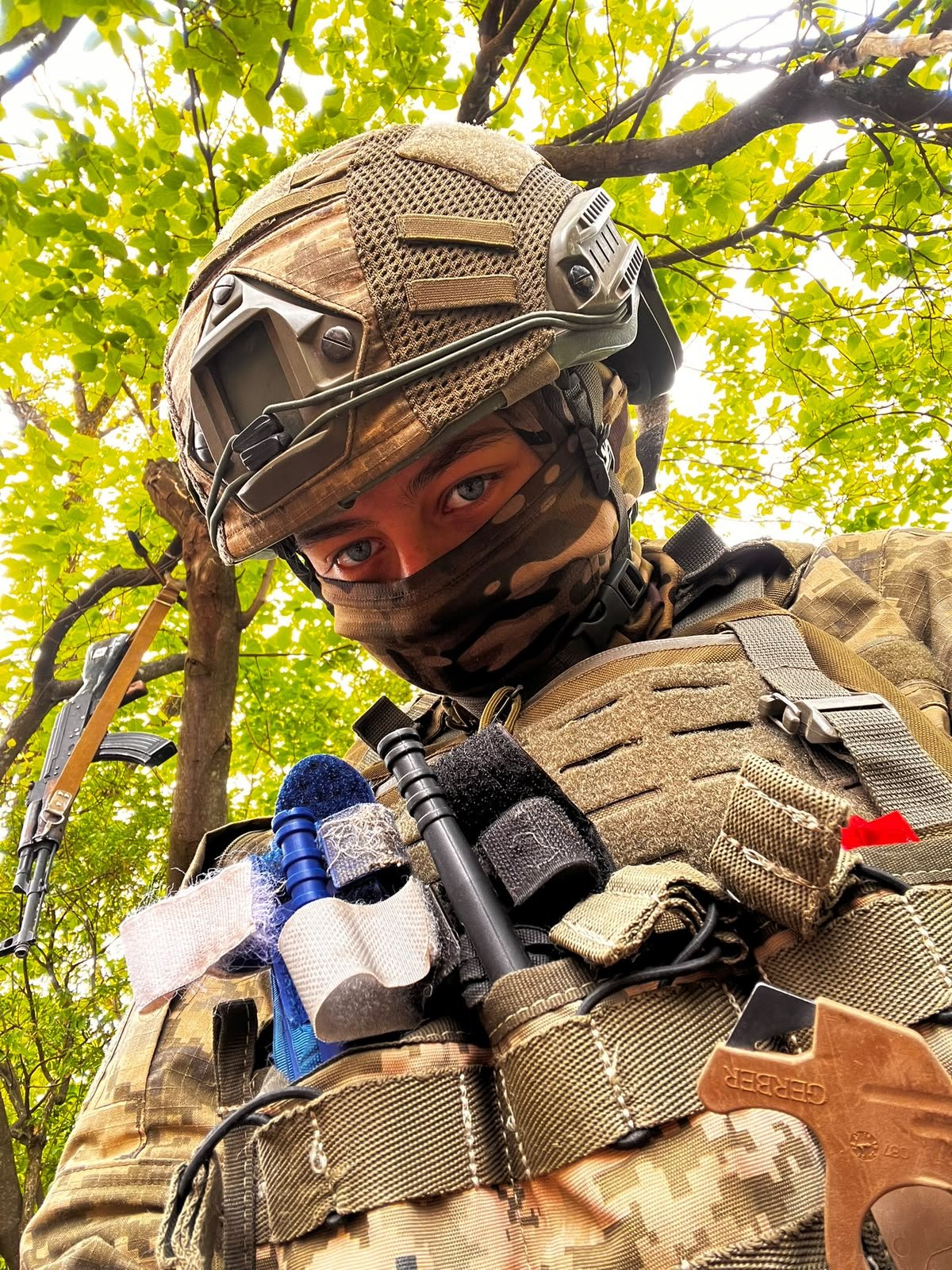
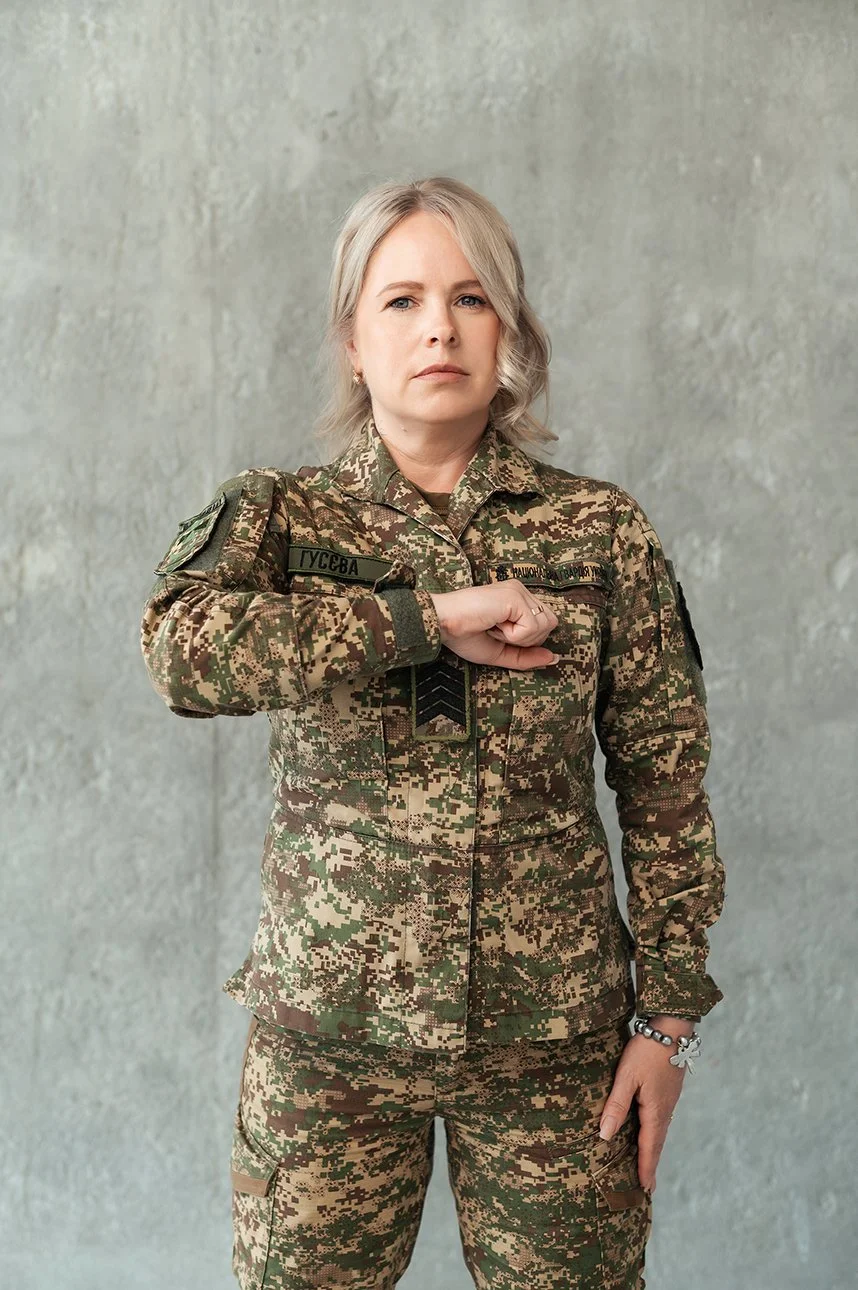
Тетяна Гусєва, позивний «Вовчиця», — багатодітна мама та військовослужбовиця Першої Президентської бригади «Буревій» Національної гвардії України, яка входить до 1-го корпусу «Азов». Служила в інженерній службі, згодом стала офіцеркою групи комплектування бригади. Вона — одна з героїнь військового жіночого проєкту «Вона стоїть».
Для Тетяни війна почалася з окупації Криму. Із 2014 року вона допомагала військовим як волонтерка, організовувала туристичні реабілітаційні проєкти. Захоплювалася горами, подорожами та їздою бездоріжжям. Досвід керування автомобілем став потрібним і на війні: вона виконувала небезпечні доставки поблизу лінії бойового зіткнення.
Її чоловік добровільно став на захист України 26 лютого 2022 року, підтримував її та навчав військових навичок. Під час служби він отримав поранення і зараз уже є ветераном. Тетяна продовжує служити. Її родина знає, що означають військова служба, поранення та повернення до ветеранського життя, водночас виховуючи дітей.
Ірина Білоненко — «Джокер»
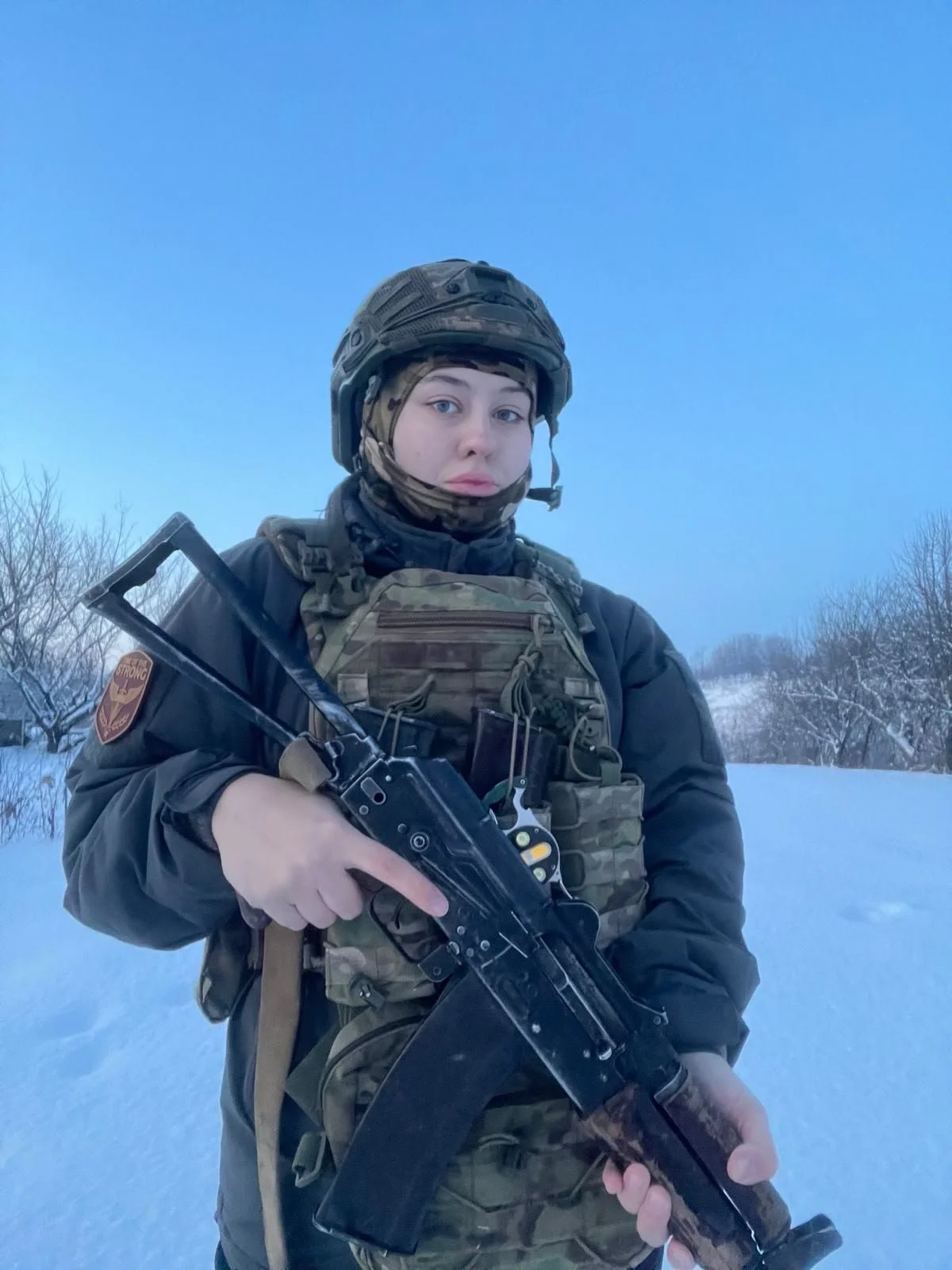
Ірина Білоненко, позивний «Джокер», — солдатка 93-ї окремої механізованої бригади «Холодний Яр». До повномасштабного вторгнення жила у Дніпрі. У 2021 році закінчила Дніпровський інститут інфраструктури та транспорту, працювала на виробництві автохімії, рекламних стендів і металоконструкцій.
Після початку повномасштабного вторгнення Ірина волонтерила, брала участь в евакуації цивільних із Маріуполя та наполягала на тому, щоб долучитися до війська. Воювати пішла у 23 роки. Вступивши до війська, обрізала своє красиве довге волосся — одна з особистих деталей її переходу від цивільного життя до військової служби.
Позивний «Джокер» їй дав військовий на позивний «Їжак», який згодом загинув. За її плечима — бойові виходи та втрати друзів і побратимів. У розмові з проєктом Ірина сказала: «Війна у мене забрала дуже багато… друзів, побратимів. Молодість…». Виїжджає на позиції, працює в тих самих умовах, що й чоловіки, знає життя в посадках і бліндажах. Зовні тендітна дівчина, а всередині — неймовірна сила. Найбільше вона боїться втратити людей, із якими служить, і говорить про готовність прикрити їх собою.
Зоя Захарова — «Зойц»
Зоя Захарова, позивний «Зойц», — сержантка, операторка важких бомберів і командирка відділення батальйону «Корсар» 38-ї окремої бригади морської піхоти. Вона — одна з героїнь військового жіночого проєкту «Вона стоїть».
Зоя особисто керує ударними безпілотниками та організовує роботу свого відділення. Її служба поєднує виконання бойових завдань із відповідальністю командирки за людей і підготовку команди. У матеріалах проєкту є яскравий епізод, де вона навчає бійців із рожевою битою в руках.
Президент України особисто вручив Зої нагороду. Її історія показує роль жінок у сучасній технологічній війні: вони опановують ударні безпілотні системи, навчають військових і командують підрозділами.
Наталія Коржова — «Барбі»
Наталія Коржова, позивний «Барбі», — сержантка 100-ї окремої механізованої бригади та героїня військового жіночого проєкту «Вона стоїть». У 2022 році вона добровільно вступила до війська у 18 років — після навчання в училищі, де здобувала професію кравчині-вишивальниці.
Під час служби Наталія здійснювала підготовку піхотинців у Торецьку до виходу на позиції. В інтерв’ю проєкту вона пояснила своє рішення служити словами: «Бог дав мені знак. Я зрозуміла, що маю йти на війну».
Війна не забрала її мрію стати модельєркою. Наталія започаткувала власний бренд і розробила лінійки одягу для військових жінок, поєднуючи мультикам із рожевими кольорами та акцентами. Її одяг уже стає популярним в армії. Вона продовжує служити й водночас втілює свою мрію — створює одяг для жінок, із якими захищає країну.
Олена Розвадовська — «Лисичка»
Олена Розвадовська, позивний «Лисичка», — лейтенантка, заступниця начальника штабу батальйону безпілотних систем «MARA» 66-ї окремої механізованої бригади імені князя Мстислава Хороброго. Вона пройшла шлях від солдатки до керівної посади у штабі бойового підрозділу.
До війська Олена прийшла з адвокатським досвідом. Сьогодні відповідає за планування бойової роботи, координацію екіпажів, завдання, ресурси та взаємодію підрозділів. Юридичні знання допомагають їй працювати з документами й уважно перевіряти бойові розпорядження.
Олена виховує доньку. Навіть під час служби знаходить час створювати для неї цифрові артпроєкти та кінопостери. У розмові з військовим жіночим проєктом «Вона стоїть» вона сказала: «Ми всі вкрали у наших дітей дитинство…». Її історія — про професійне зростання у війську, відповідальність за бойову роботу та материнство під час війни.
Яна Залевська — «Мультик»
Яна Залевська, позивний «Мультик», — молодша сержантка 88-го окремого батальйону морської піхоти, операторка БпЛА та амбасадорка військового жіночого проєкту «Вона стоїть». Вона також мама маленької доньки.
Родом із Херсона через російську окупацію її родина була змушена виїхати. Яна займалася хореографією, мала перспективи в танцях, але після окупації рідного міста Яна долучилася до захисту України. Після удару ворожого безпілотника вона отримала тяжкі поранення. Її обличчя було посічене осколками, попереду були місяці лікування. Фотографії пораненої Яни побачили люди далеко за межами України, про неї писали й іноземні медіа.
Вона досі має рубці та шрами, але повернулася до служби. Зараз працює над створенням жіночого підрозділу БпЛА у 35-й бригаді морської піхоти. Як амбасадорка «Вона стоїть» допомагає привертати увагу до досвіду й потреб військовослужбовиць. Для мене це історія неймовірної сили й наполегливості.
Тетяна Щербина — «Сімург»
Офіцерка Збройних сил України, яка мала чудову освіту, досвід роботи у відомих міжнародних аудиторських і консалтингових компаніях та великі кар’єрні перспективи. Навчалася в Києво-Могилянській академії, проходила навчання в Єлі та бізнес-школі в Парижі.
Вона могла продовжувати комфортне життя за кордоном. Але після початку повномасштабної війни повернулася й прийшла до військкомату зі словами, що її досвід кризової менеджерки може бути корисним війську. Залишила хорошу зарплату й звичне життя заради служби.
На війні Тетяна зустріла кохання, народила другу донечку, а згодом втратила коханого — він також був військовим. Попри пережите, знайшла сили взяти участь у конкурсі Mrs. Globe, здобула перемогу на національному етапі та срібло на європейському. Попереду — представлення України на міжнародному фіналі Mrs. Globe 2027 у США. Це можливість розповідати світові про Україну, військових жінок і родини, які втратили близьких на війні. Як амбасадорка проєкту «Вона стоїть» вона допомагає привертати увагу до історій та потреб українських захисниць.
Її історія мене дуже вражає.
10. Що стало для вас прозрінням за роки повномасштабної війни?
Війна дуже чітко показала, хто твій друг, хто справді близька людина, хто підтримує тебе, а хто — ні. Моє коло спілкування дуже змінилося.
Багато людей виїхали за кордон і просто живуть своїм життям: не говорять про Україну, не підтримують військових донатами, ніяк не долучаються до допомоги. Для мене ці люди перестали існувати як частина мого близького кола.
Водночас прозрінням стало те, наскільки сильний український народ. Наскільки ми здатні гуртуватися, бути єдиними, боротися й іти до кінця. Зараз украй виснажені всі — і на фронті, і в цивільному житті. У кожного своє виснаження. Але ми все-таки стоїмо.
З кожним роком війна стає важчою. Розвиваються технології, посилюються обстріли, дедалі складніше витримувати постійну небезпеку. І все ж ти зустрічаєш людей, у яких бачиш людяність, небайдужість, стійкість і готовність підтримати. Саме ці люди повертають мені надію й дають сили продовжувати.
11. Що ви хочете, щоб світ знав про українців і про українських жінок?
Я хочу, щоб світ знав про мужність українських жінок, які воюють, і чув їхні історії. Це одна з головних місій мого авторського проєкту «Вона стоїть».
За кожною військовослужбовицею стоїть ціле життя: родина, діти, професія, плани, від яких довелося відмовитися або відкласти. Багато наших героїнь добровільно обрали службу, хоча могли залишитися в цивільному житті. Деяким відмовляли по шість-вісім разів, але вони знову приходили й домагалися можливості захищати країну.
Мені важливо, щоб світ розумів, наскільки свідомим і наполегливим був цей вибір. Щоб за числами й короткими новинами люди бачили конкретних жінок, знали, що вони пережили, чим ризикують і заради кого воюють.
Кожна наша героїня унікальна й заслуговує бути почутою. Саме тому я хочу, щоб YouTube-канал «Вона стоїть» зростав, щоб більше людей дивилися ці інтерв’ю, слухали й поширювали їх. Щоб про подвиг українських захисниць знав увесь світ.
12. Які WOW-жінки вас надихають?
Мене надихають передусім жінки, які діють. Це може бути військова, волонтерка, правозахисниця, домогосподарка або лауреатка Нобелівської премії — така, як одна з героїнь вашого проєкту.
Для мене важливо, що людина робить: допомагає країні, рятує тварин, годує бездомних людей, розвиває ветеранські політики чи порушує важливі для суспільства теми. Бачить проблему й береться щось змінювати, підтримує інших у цей надскладний час.
Саме такі жінки мене надихають. Я з гордістю розповідаю про них і пишаюся кожною.
13. Яке місце або заняття робить вас найщасливішою зараз? Чому?
Зараз найбільше мене надихає і робить щасливою справа, яку я роблю, — проєкт «Вона стоїть». Я бачу, яких обертів він набирає, яким потужним стає.
Усього за пів року ми записали тридцять відеоінтерв’ю з жінками-військовими, серед наших героїнь — дві ветеранки. Також опублікували понад сорок текстових інтерв’ю. З дозволу жінок показуємо їхні фотографії та відео з фронту. Я хочу, щоб їхні імена й історії залишилися в історії боротьби за Україну.
Ми порушуємо надважливі теми. Я переконана, що нас бачать і читають у Міністерстві оборони, Генеральному штабі та вищому військовому командуванні. Вірю, що наша робота може впливати на рішення й сприяти змінам.
Для мене також дуже важливо, що ми стаємо опорою для цих жінок. Вони знають: ми не будемо мовчати, якщо порушують їхні права. Навіть коли нам страшно, ми продовжуватимемо їх підтримувати.
За пів року в Instagram проєкту вже двадцять тисяч підписників. Серед аудиторії багато іноземців — зі США, Німеччини, Бразилії. Це надихає, бо через справжні історії ми допомагаємо протидіяти російській пропаганді й розповідаємо світу про боротьбу України фактично в реальному часі.
Я дуже хочу, щоб нас більше дивилися у Сполучених Штатах та інших країнах. Щоб люди чули самих військових жінок, розуміли, про що вони думають, із чим стикаються, як їм важко. Щоб визнавали їхній внесок і захоплювалися ними.
Одна з моїх мрій — сто мільйонів підписників, щоб ці жінки були на екранах мільйонів людей. Розумію, що це майже недосяжна ціль. Але я не боюся мріяти масштабно, кидати собі виклики й бути амбітною. Я вірю у справу, яку роблю. Для мене надзвичайно важливо, щоб про цих жінок знали.
14. Що ви зробите насамперед, коли Україна переможе? Про що мрієте після закінчення війни?
Насамперед поїду з квітами на могили своїх друзів і знайомих, які віддали життя за Україну, за захист кожного з нас. Вони поховані в різних куточках країни, у різних областях. Я хочу приїхати до кожного й кожної та просто подякувати.
А потім дуже хочу подорожувати Україною. Уже говорила про це близьким. Саме під час війни, коли небезпечно навіть пересуватися власним містом, я усвідомила, скількох чудових українських міст досі не бачила.
Ми завжди прагнули їхати за кордон, відкривати світ, бачити більше країн. А подорожі Україною часто відкладали. Я хочу побувати в Харкові, де ніколи не була, відвідати Черкаси, Чернівці, різні куточки Криму. Хочу відкривати для себе свою країну — її міста, місця й історії. Пізнати Україну, якої я ще не знаю.
15. Чим, на вашу думку, російське суспільство відрізняється від українського? Чи усвідомлювали ми ці відмінності раніше?
Нещодавно я написала у Facebook, що, якби мала можливість, хотіла б поставити російському солдату одне запитання: «За що ти воюєш?» У мене є велика невпевненість у тому, що він здатен дати на нього усвідомлену відповідь.
Для мене одна з головних відмінностей наших суспільств — у ставленні до свободи, влади та власної відповідальності. російське суспільство роками живе в умовах диктатури й пропаганди. Я бачу переважно страх висловлюватися, діяти, масово виступати проти влади, яка відправляє людей захоплювати чужі території та вбивати.
Українці неодноразово виходили на Майдани, коли бачили несправедливість і спроби відібрати їхню свободу. Ми готові гуртуватися й чинити спротив. У цьому для мене — велика сміливість нашого народу. Навіть до цієї війни ми вже показували, що готові боротися за право визначати власне майбутнє.
Ще одна болісна для мене відмінність — поширена в російському суспільстві готовність приймати пропаганду, не перевіряти почуте й не ставити незручних запитань. Мене вражає, наскільки багато людей погоджуються з тим, що їм говорить телевізор, і відмовляються бачити відповідальність своєї країни за війну.
Думаю, багато хто з нас раніше недооцінював глибину цих відмінностей. Особисто для мене окупація Криму та початок війни на сході України вже стали межею.
16. Чи відчуваєте ви відповідальність українців за кордоном перед батьківщиною?
Якщо говорити про те, чи відчуваю я цю відповідальність у діях багатьох людей зі свого оточення, які виїхали, — на жаль, ні. І мені дуже болить.
Серед моїх знайомих є ті, хто донатить, допомагає, говорить про війну, але їх небагато. Натомість я бачу людей, які згадують про Україну тоді, коли це дає перевагу для бізнесу чи власного проєкту. Водночас про обстріли, загиблих, потреби військових — мовчать.
Мені боляче дивитися на безтурботні світлини з морів, океанів і подорожей, коли в країні, де ці люди народилися й виросли, щодня проливається кров. Особливо коли за цими світлинами я не бачу жодної підтримки України.
Від українців за кордоном, які самі багато допомагають, я також чула болісні історії про байдужість і зневажливі висловлювання інших наших співвітчизників про власну країну. Мене це дуже тривожить.
Скажу чесно: зараз у своїй діяльності я нерідко відчуваю більше підтримки від іноземців, ніж від українців за кордоном. І це дуже боляче усвідомлювати.
17. Де можна знайти інформацію про вас і вашу діяльність? Як підтримати ваші проєкти?
Insta: @shestandsua
Спільнота на фб: Вона стоїть
Канал в ютубі Вона стоїть: @SheStandsProject
Підтримка : ми відкрили банку в Монобанку. Номер карти: 4874100025246128
Для іноземців PayPal: oliynykova@gmail.com з коментарем She stands
@SheStandsProject